

Details Emerge on Early Microsoft-OpenAI Partnership Negotiations
Court documents unsealed this week have shed light on the nascent stages of the significant partnership between Microsoft and OpenAI. The revelations offer a glimpse into the strategic considerations and potential concerns that shaped the collaboration between the tech giant and the artificial intelligence research lab.
The Genesis of the Alliance
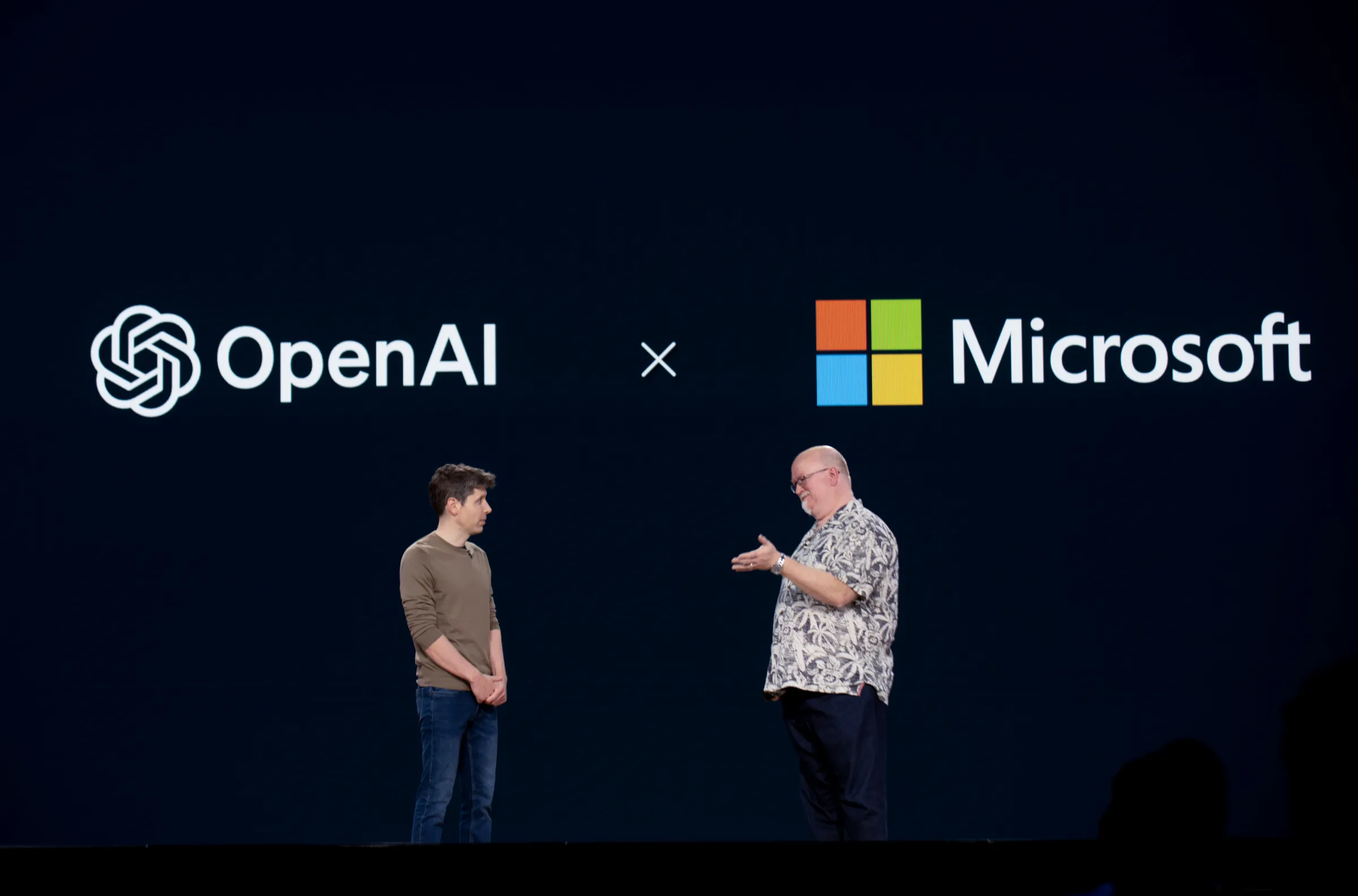
The origins of the Microsoft-OpenAI collaboration trace back to 2017, shortly after OpenAI demonstrated an AI bot capable of defeating professional players in the game Dota 2. Following this achievement, OpenAI CEO Sam Altman approached Microsoft CEO Satya Nadella with a proposal for a more substantial partnership. OpenAI required significant computational resources for its ongoing AI research, exceeding the Azure credits it was receiving from Microsoft at the time. Altman initially suggested a budget of approximately $300 million at list prices for Azure services.
Internal Deliberations and Concerns
This proposal initiated internal discussions within Microsoft. Jason Zander, then Azure’s chief, expressed concerns in an August 2017 email to Nadella, noting that such an investment would necessitate generating substantial incremental revenue directly attributable to the deal, estimated at over $500 million, which couldn’t be achieved more efficiently through other means.
Later that year, Altman presented an alternative strategy: a partnership focused on Xbox and gaming, coupled with an offer to share OpenAI’s technology and intellectual property in exchange for increased sponsorship of their Dota research. While the Xbox team showed interest in exploring collaboration, they were unable to independently finance the research costs.
Strategic Considerations and Competitive Landscape
In January 2018, Microsoft CTO Kevin Scott weighed in on the potential Azure commitment to OpenAI’s research. Scott initially questioned the direct benefits for Microsoft and the specific advantages for the company stemming from the Dota project. However, a significant concern for Scott was the possibility of OpenAI partnering with Microsoft’s primary cloud competitor, Amazon Web Services (AWS).
Scott articulated this concern in an email to Nadella, stating, “I guess the other thing to think about here is the PR downside of us not funding them, and having them storm off to Amazon in a huff and shit-talk us and Azure on the way out.” He recognized OpenAI’s rapidly growing credibility and influence within the AI community, acknowledging that while securing them as a Microsoft and Azure advocate would be ideal, it might not justify their requested investment alone.
A Shift in Perspective and Investment
A year later, Scott reflected on his earlier skepticism. In an email to Nadella and Bill Gates, he admitted to being “highly dismissive” of AI advancements at both OpenAI and Google DeepMind, particularly when the focus was on achieving impressive gaming feats. Scott’s perspective shifted as OpenAI increasingly focused on natural language processing models, leading him to fear that Microsoft might fall behind Google’s AI progress.
This evolving assessment coincided with Microsoft’s subsequent announcement of a $1 billion investment in OpenAI a month after Scott’s candid email. This significant financial commitment underscored a strategic pivot, recognizing the immense potential of OpenAI’s advancements in artificial intelligence.
Evolving Partnership Dynamics
Nearly seven years after these initial negotiations, the dynamic between Microsoft and OpenAI has continued to evolve. Recent reports indicate that OpenAI is renegotiating its agreement with Microsoft, exploring expanded collaborations with AWS for its AI models, including Codex. This development follows OpenAI’s communication to employees last month about its existing deal with Microsoft potentially limiting its ability to serve enterprises that utilize Amazon Bedrock.
Business Style Takeaway: The early negotiations between Microsoft and OpenAI highlight the critical importance of strategic foresight and competitive awareness in the technology sector. For professionals and business travelers, these insights underscore the need to constantly evaluate potential partnerships, anticipate competitor moves, and understand the long-term implications of technological investments to maintain a competitive edge.
Original article : www.theverge.com