

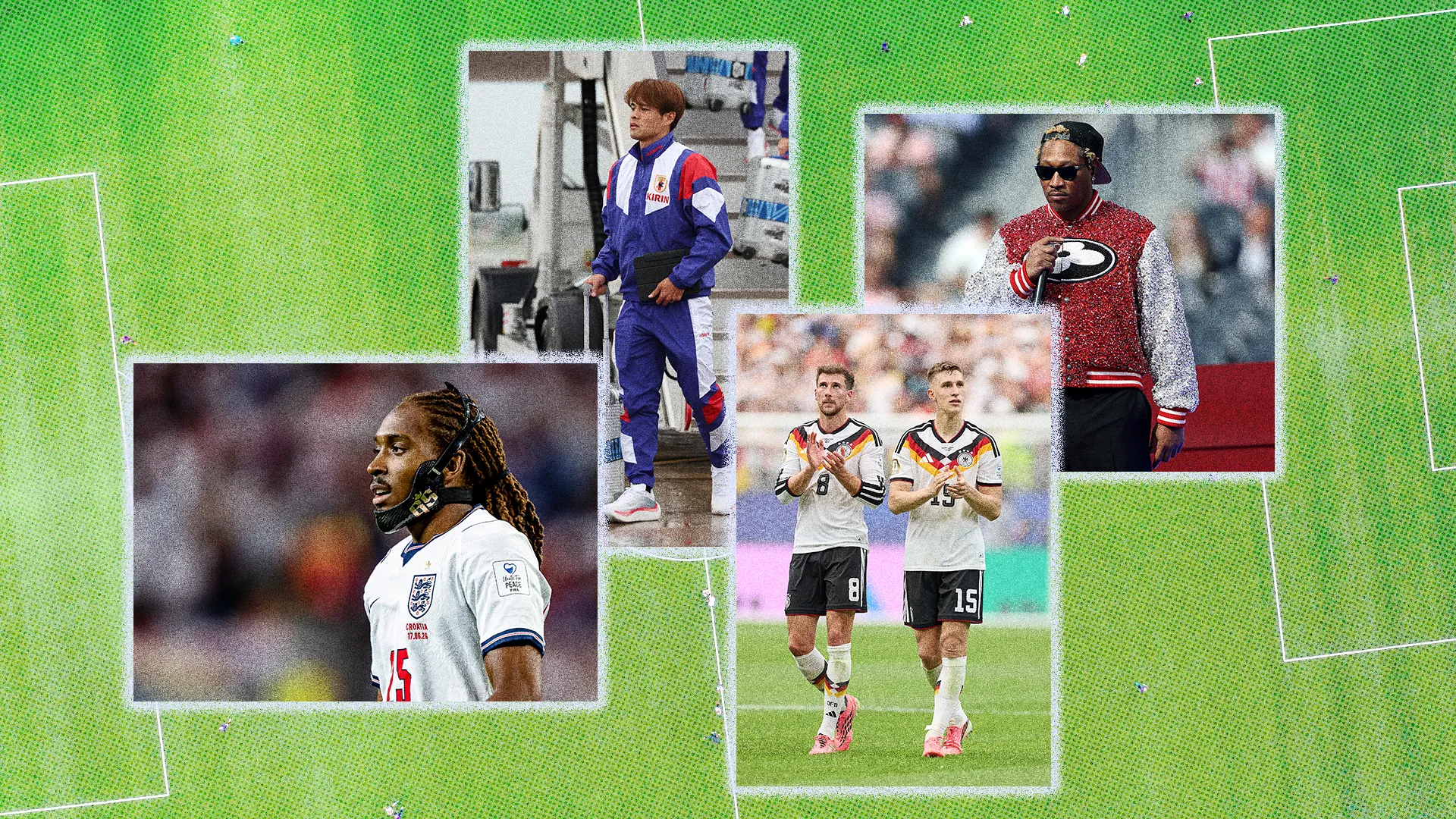
The World Cup tournament consistently captivates audiences with on-field drama, from tactical battles and unexpected upsets to emerging stars and displays of peak athleticism. Yet, the sartorial choices off the pitch offer an equally compelling spectacle, with unique menswear moments consistently defining each edition. This year’s tournament has already showcased a range of distinctive styles.

DR Congo’s Arrival in Tailored Precision
Making their first World Cup appearance since 1974 is undoubtedly a monumental occasion for DR Congo. Their arrival style amplified this significance, with impeccably tailored suits designed by Congolese-born, French-raised couturier Alvin Junior Mak. These ensembles serve as a sartorial nod to the legendary “Leopards” team from over half a century ago. Beyond their classic double-breasted silhouette, the suits are elevated with striking embellished leopard brooches and distinctive animal-print harnesses, marking DR Congo as one of the tournament’s best-dressed contingents.
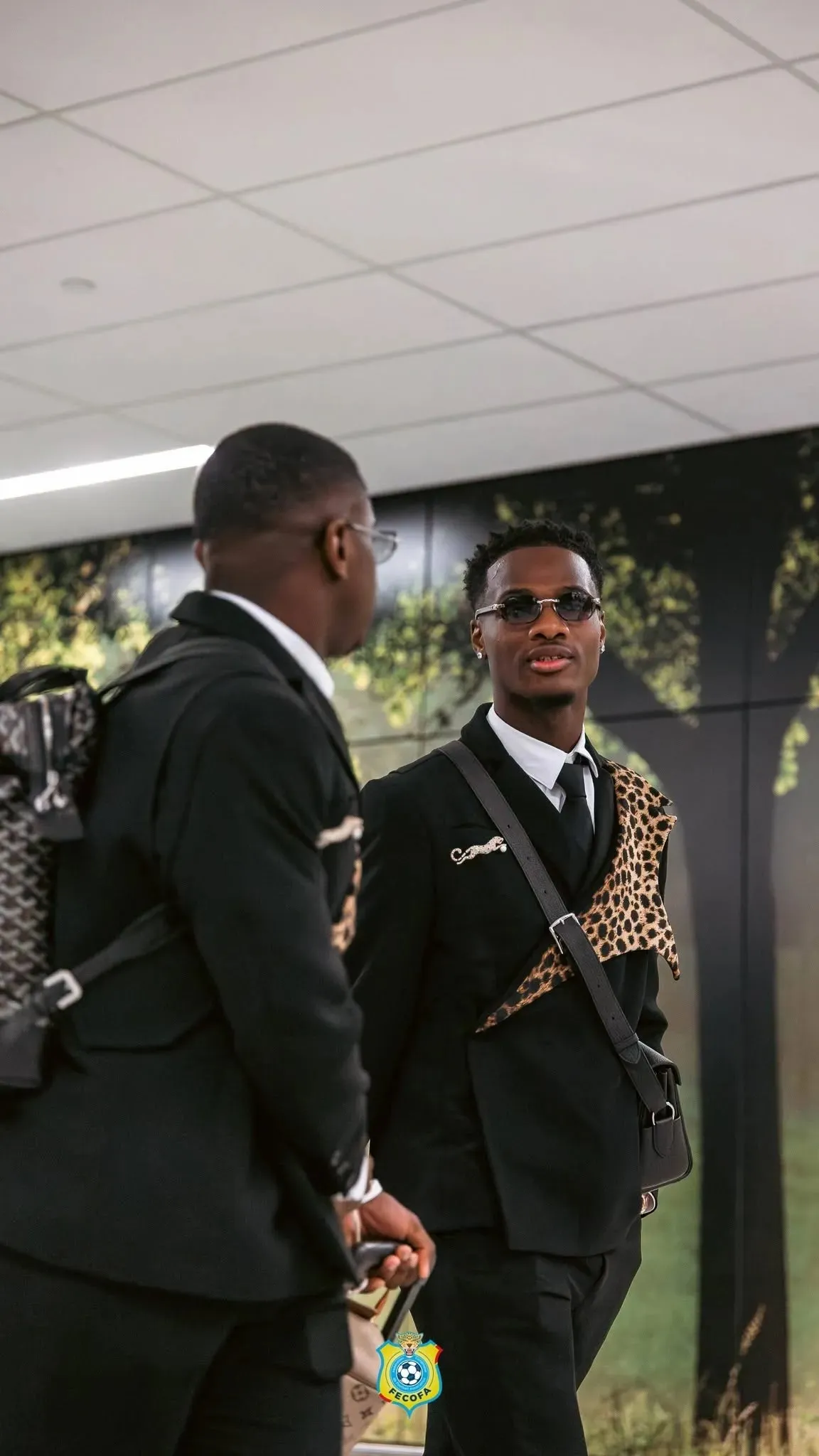 Le gardien de but de la RD Congo, Matthieu Epolo.© FECOFA
Erling Haaland’s Unrivaled Hermès Collection
Erling Haaland possesses the rare combination of athletic prowess and an audacious personal style. His collection of Hermès Birkin bags stands as a testament to this. Featured here is the Hermès HAC Birkin 50, a substantial and highly coveted travel piece. However, this is no ordinary Birkin; it’s the exclusive “Endless Road” edition, adorned with artwork inspired by David Hockney’s vibrant landscapes. Such a statement piece commands a significant valuation, underscoring Haaland’s unique taste and status.
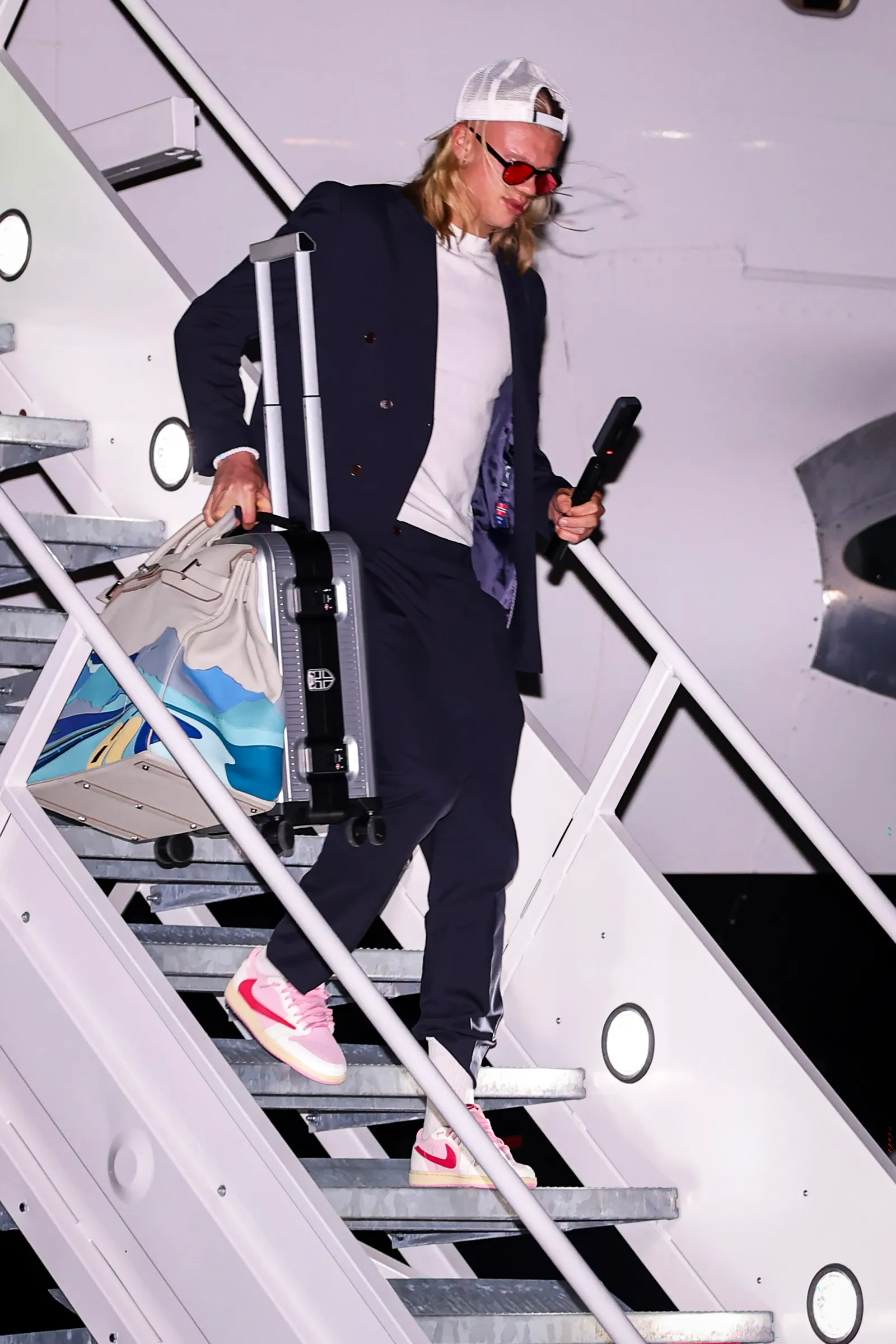 David Jensen/Getty Images
Japan’s Nostalgic Athleisure Aesthetic
Japan consistently sets a high standard for sophisticated athleisure. Their tournament tracksuits, inspired by classic Adidas designs, exude a refined vintage appeal. The combination of bold color-blocking, a relaxed silhouette, and lustrous fabric evokes the coveted aesthetic of rare 1980s sportswear. A particularly distinctive element is the retro JFA crest, which lends an air of historical significance akin to artisanal heraldry.
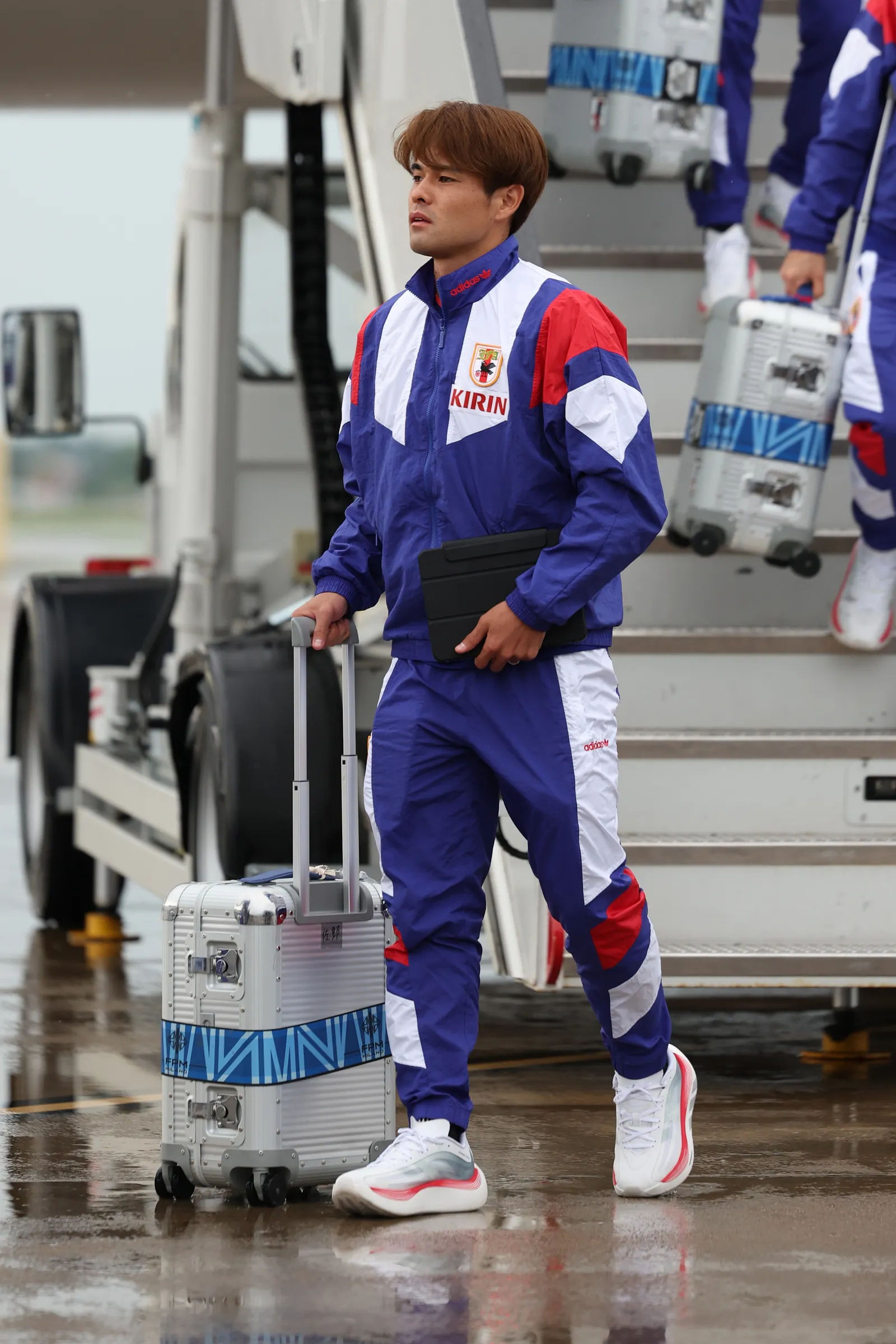 Donald Page/Getty Images
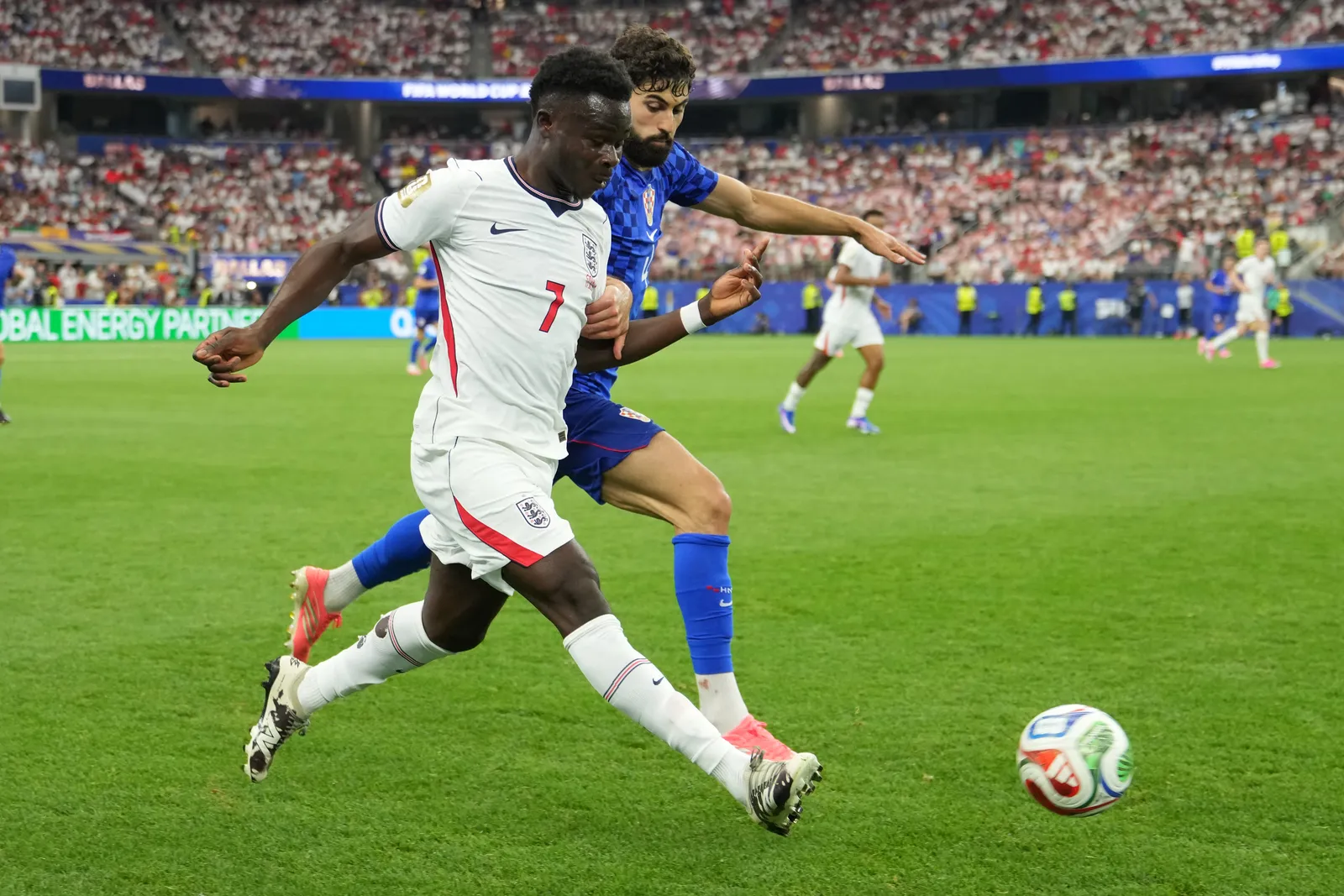
Bukayo Saka’s Heat-Reactive Footwear
The enduring relationship between Stone Island and football culture is legendary. Bukayo Saka has integrated this heritage into his tournament performance by sporting a bespoke pair of New Balance Furon Elite FG V9 boots. These are enhanced with Stone Island’s signature thermochromic technology, causing the boot’s upper to dynamically shift color with changes in temperature, a subtle yet striking integration of high-performance sportswear and avant-garde design.
 Masashi Hara/Getty Images
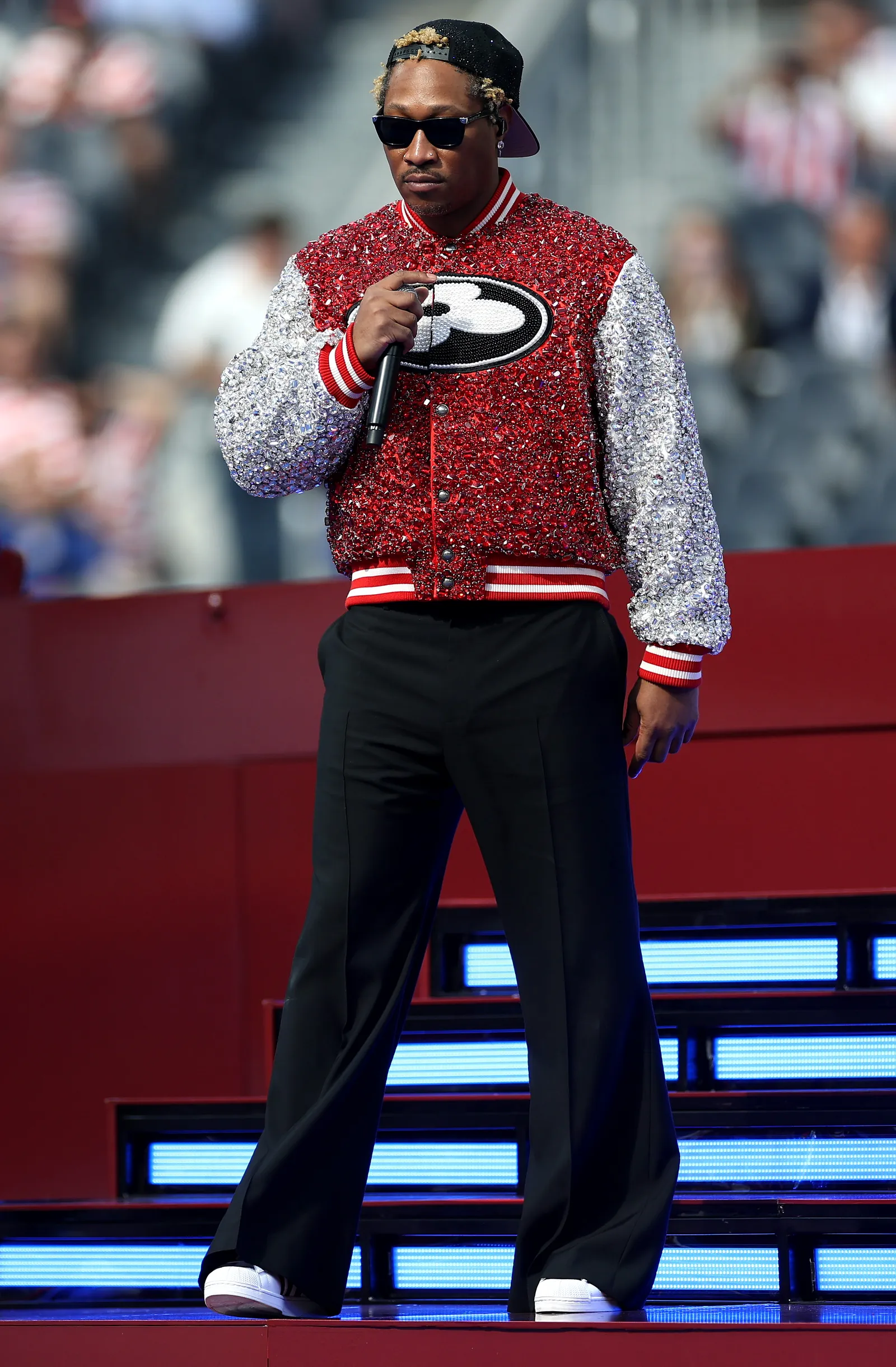
Future’s Statement Louis Vuitton Outerwear
The phrase “the European mind could never comprehend this” has evolved into a popular internet meme, and Future’s appearance at the World Cup opening ceremony in a custom Louis Vuitton jacket performing “Like That” perfectly embodies its spirit. This unexpected fusion of high fashion and global sporting spectacle highlights the unique cultural intersections facilitated by such a prominent event.
 Sarah Stier – FIFA/Getty Images
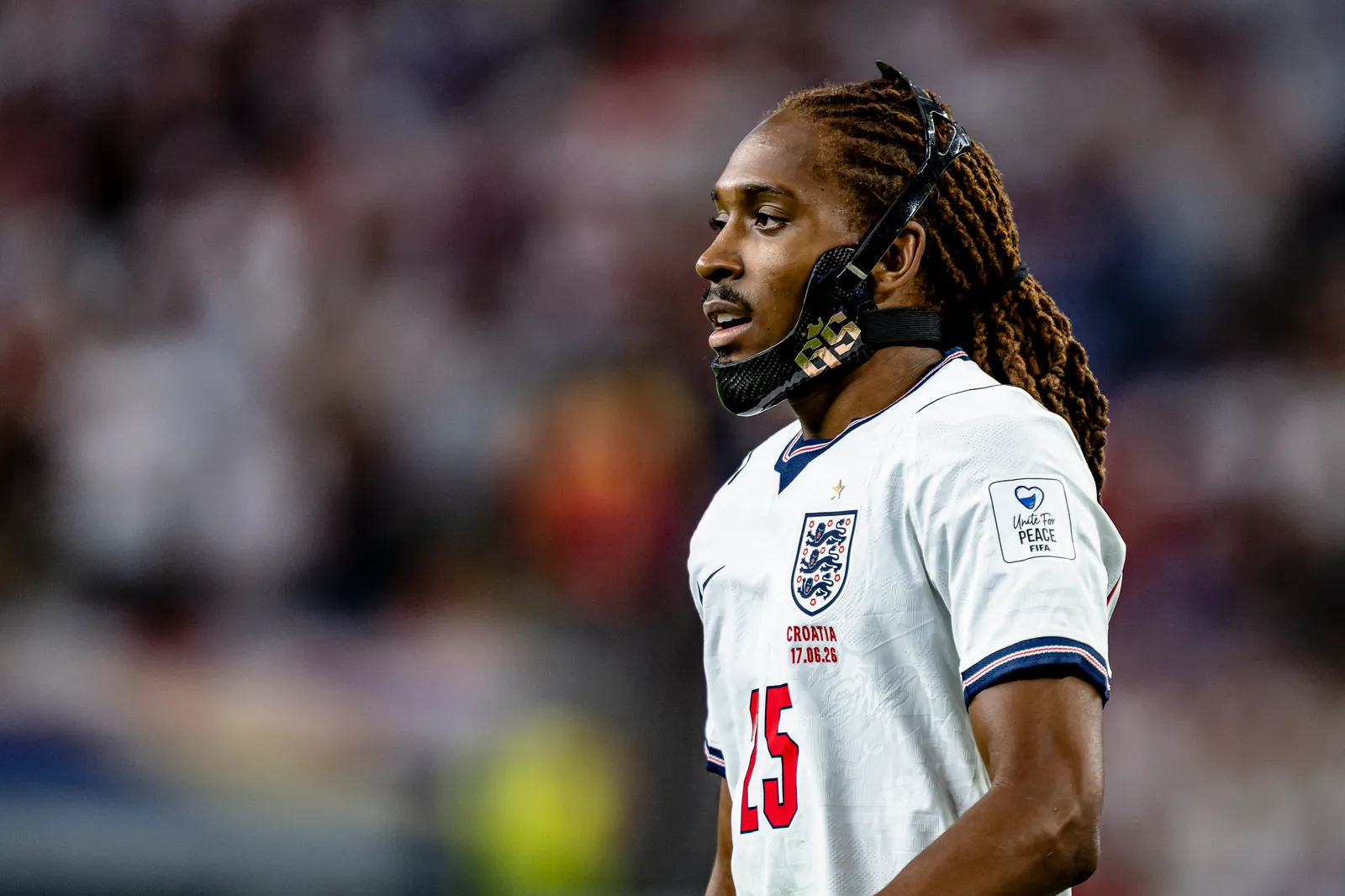
Djed Spence’s Futuristic Jaw Protection
Djed Spence’s resilience in playing through a fractured jaw at the World Cup is commendable. Even more striking is his ability to transform necessary medical equipment into a style statement. His custom carbon-fiber jaw guard presents a futuristic aesthetic, wrapping elegantly around the head and neck. Accented with gold detailing of his initials and squad number, it seamlessly blends protection with personalized luxury.
 NurPhoto/Getty Images
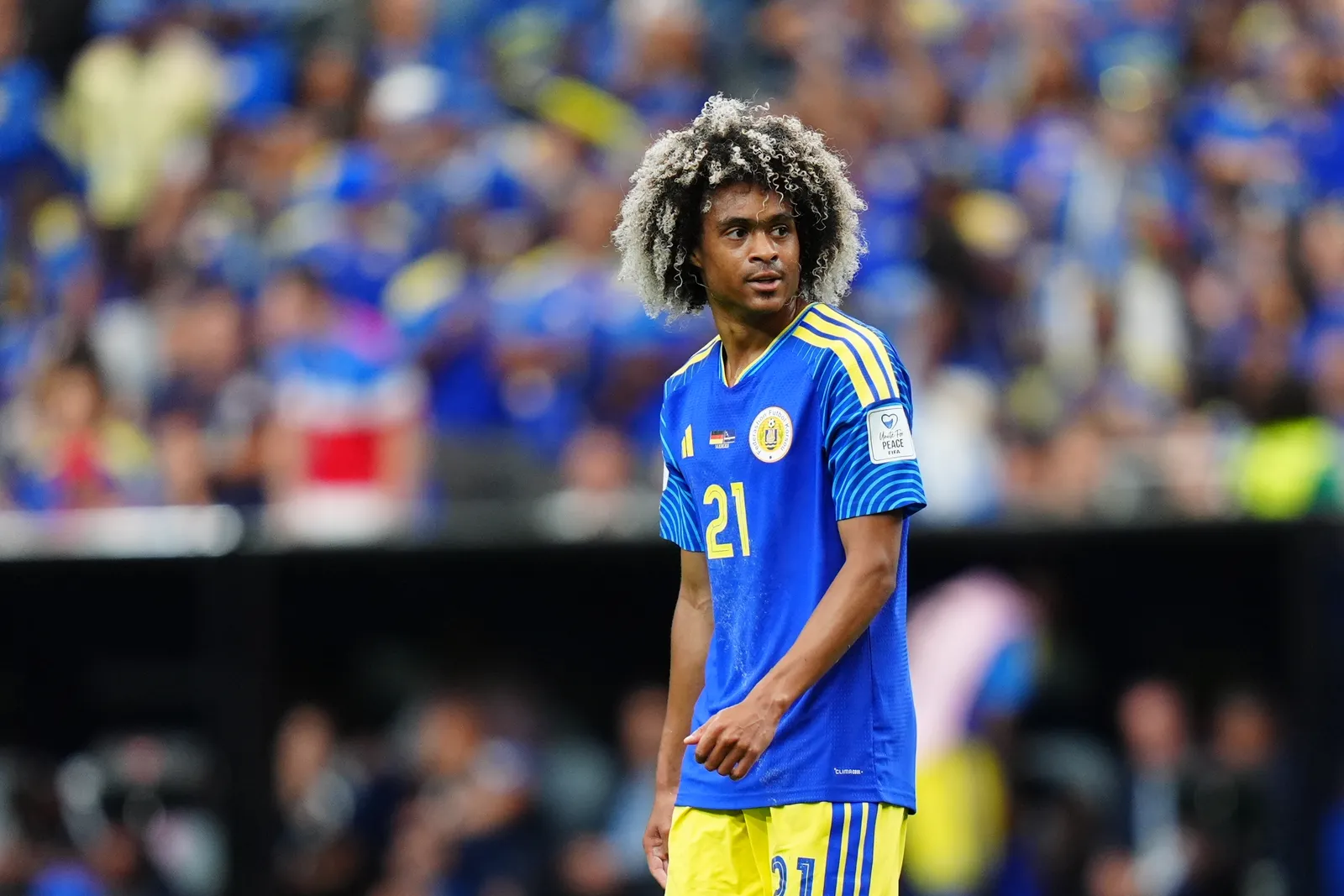
Tahith Chong’s Signature Hairstyle
This World Cup has brought two unexpected elements: the rise of Curacao as a fan favorite and Tahith Chong’s revival of the iconic Carlos Valderrama hairstyle. Chong’s voluminous mane of curls has become a captivating visual element on the pitch, creating a dynamic silhouette as he moves with agility and speed.
 Anadolu/Getty Images
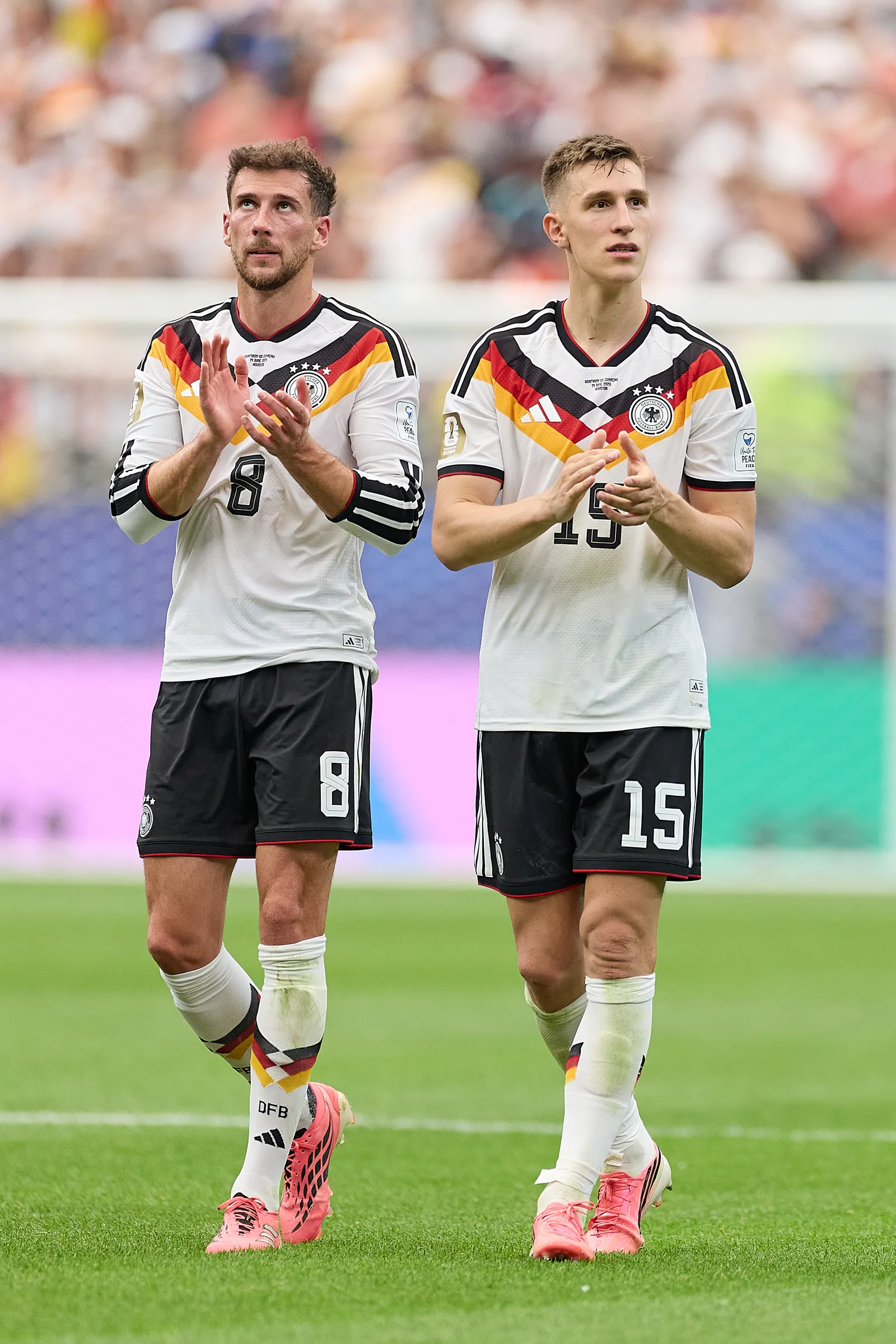
Germany’s Iconic Retro Jersey
This reimagined Germany kit, inspired by the legendary 1990 Italia squad, pays homage to a team that achieved iconic status under Franz Beckenbauer, featuring stars like Lothar Matthäus and Jürgen Klinsmann. Adidas has masterfully recreated the vintage aesthetic, successfully balancing nostalgia with contemporary appeal. While the team’s on-field performance is still evolving, their uniform undeniably captures the spirit of a storied era.
 Quality Sport Images/Getty Images
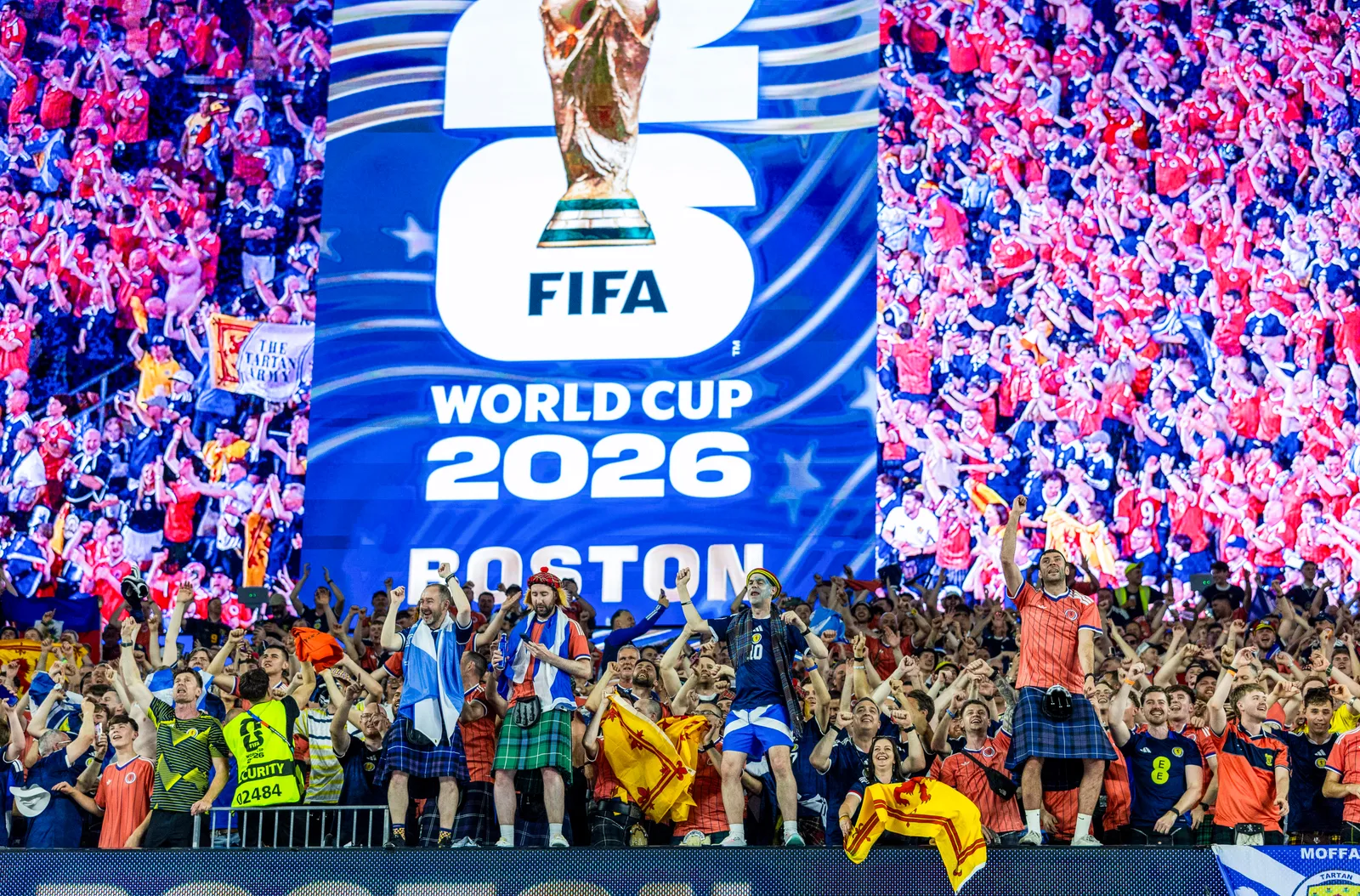
Scotland’s Unforgettable Fan Presence
The Scottish supporters have rivaled Japan in their enthusiastic embrace of the World Cup festivities. The “Tartan Army” has consistently brought a vibrant party atmosphere wherever they travel. This image perfectly encapsulates that spirit, showcasing a dynamic assembly of kilts, national flags, and football jerseys, all worn with the infectious energy characteristic of major tournaments. Although Scotland’s tournament run may have been brief, their fans’ style and celebratory presence remain unforgettable.
 Craig Williamson – SNS Group/Getty Images
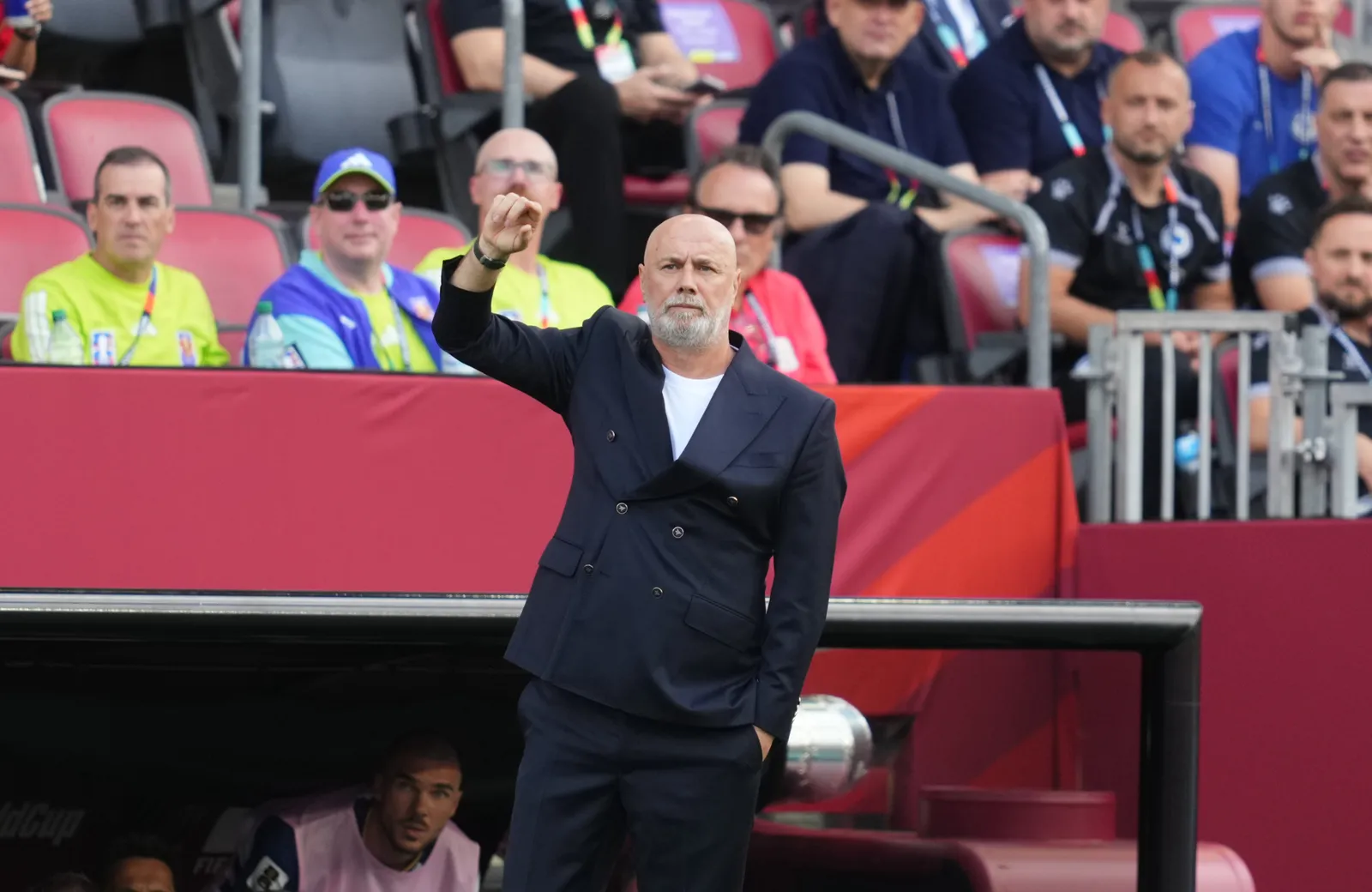
Sergej Barbarez’s Exemplary Double-Breasted Jacket
During Canada’s opening match, Bosnia manager Sergej Barbarez commanded attention with his sophisticated choice of attire. Departing from the typical team-issued sportswear, Barbarez opted for a perfectly proportioned double-breasted jacket. The impeccable fit, from the sleeve length to the structured hem, combined with distinctive buttons featuring the fleur-de-lis of Bosnia’s former flag, presented a masterclass in managerial style, setting a benchmark for sartorial elegance.
 NurPhoto/Getty Images
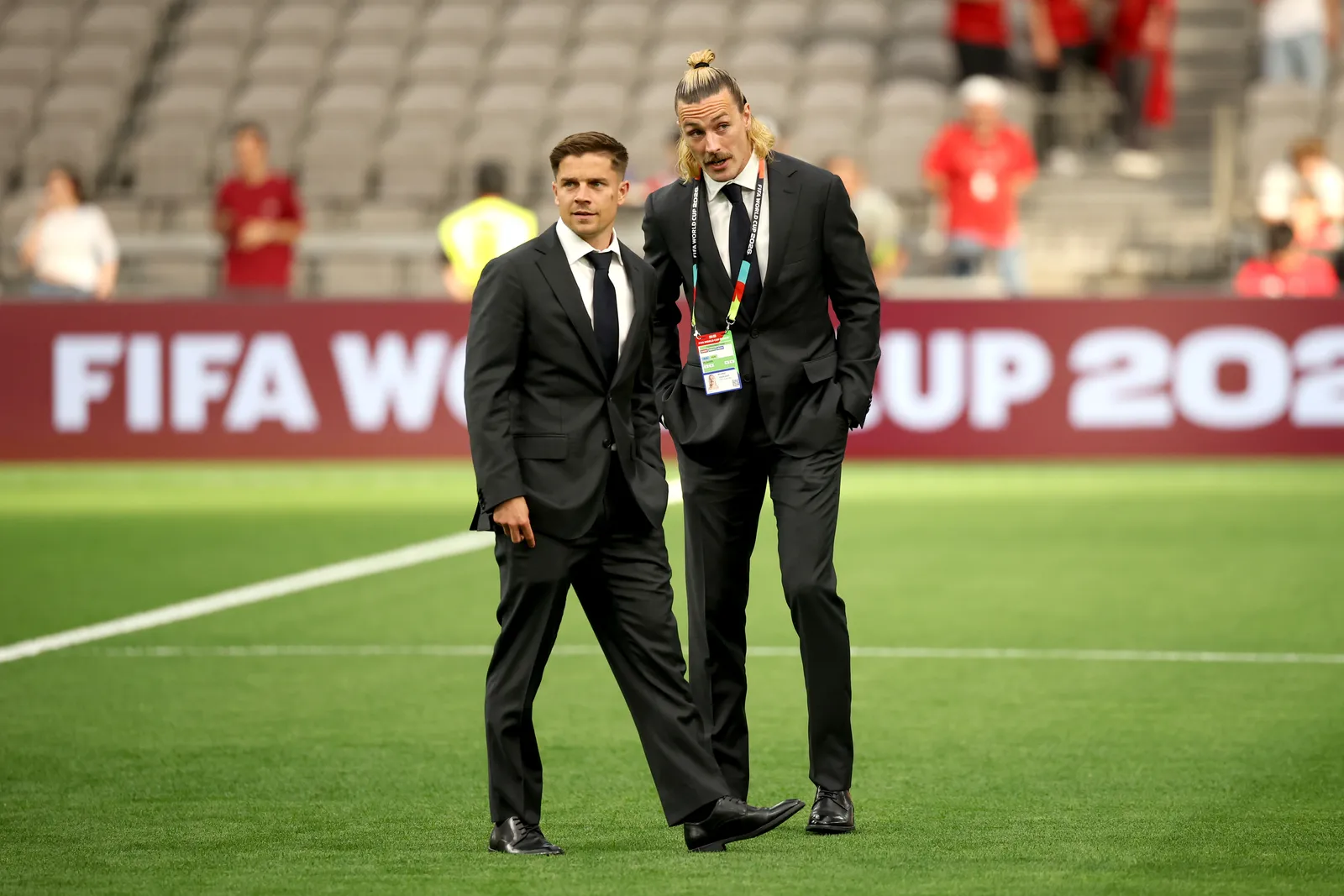
Jackson Irvine’s Assertive Style Choices
Jackson Irvine’s appearance has generated considerable discussion. His distinctive style elements include subtle earrings, a bleached-blond ponytail with extended ends, and a prominent, meticulously groomed mustache, all contributing to a commanding and memorable personal brand.
 Jared C. Tilton – FIFA/Getty Images
The Impact of Pink Footwear
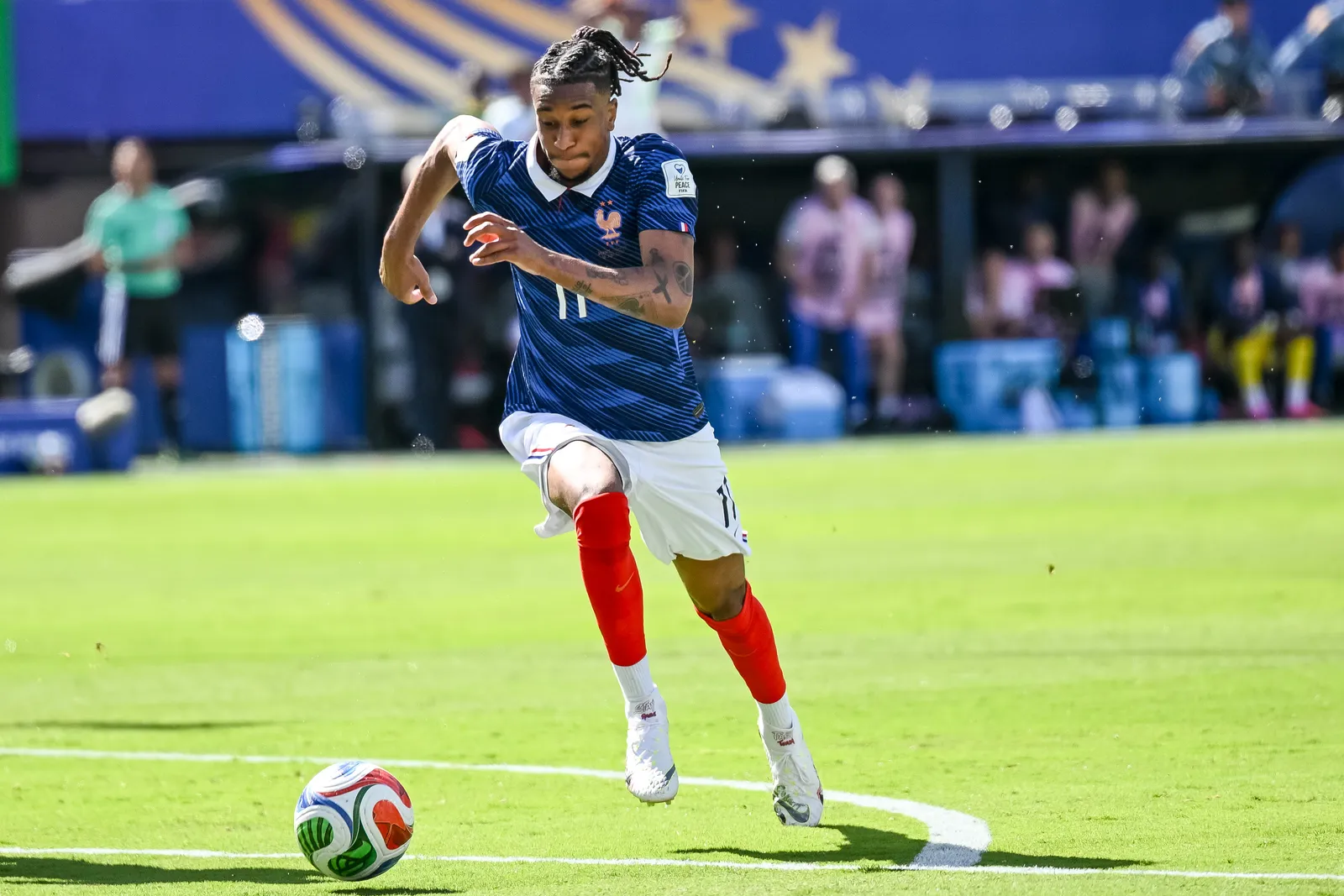
Every World Cup is defined by a standout style trend. This year, it’s the prevalence of vibrant pink football boots. While certain players opt for this eye-catching choice, others, like Michael Olise, adhere to their preferred, often discontinued, footwear models, such as the Nike Hypervenom Phantom IIIs. This preference for vintage grails over current releases highlights a personal commitment to established style, even amidst prevailing trends.
 DeFodi Images/Getty Images
The Netherlands’ Electrifying Orange Kits
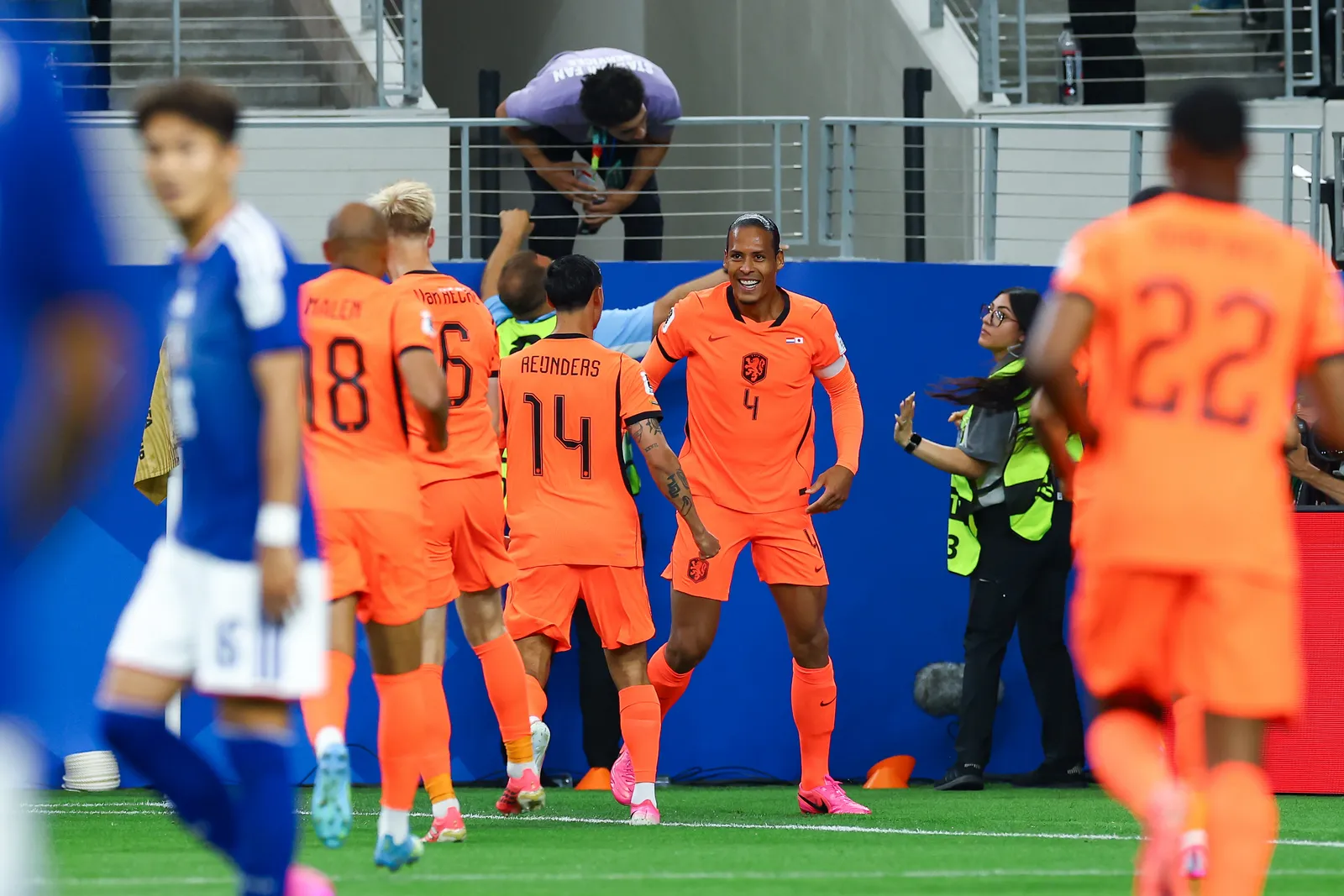
“I didn’t realize the Dutch football team had invented a shade of orange brighter than the sun,” remarked British GQ style editor Mahalia Chang. The Netherlands’ kits are indeed exceptionally vivid. When contrasted with Japan’s blue uniforms, the vibrant orange creates an intense visual effect, reminiscent of intense energy flashes on screen.
 Icon Sportswire/Getty Images
Mauricio Pochettino’s Hugo Boss Ensemble
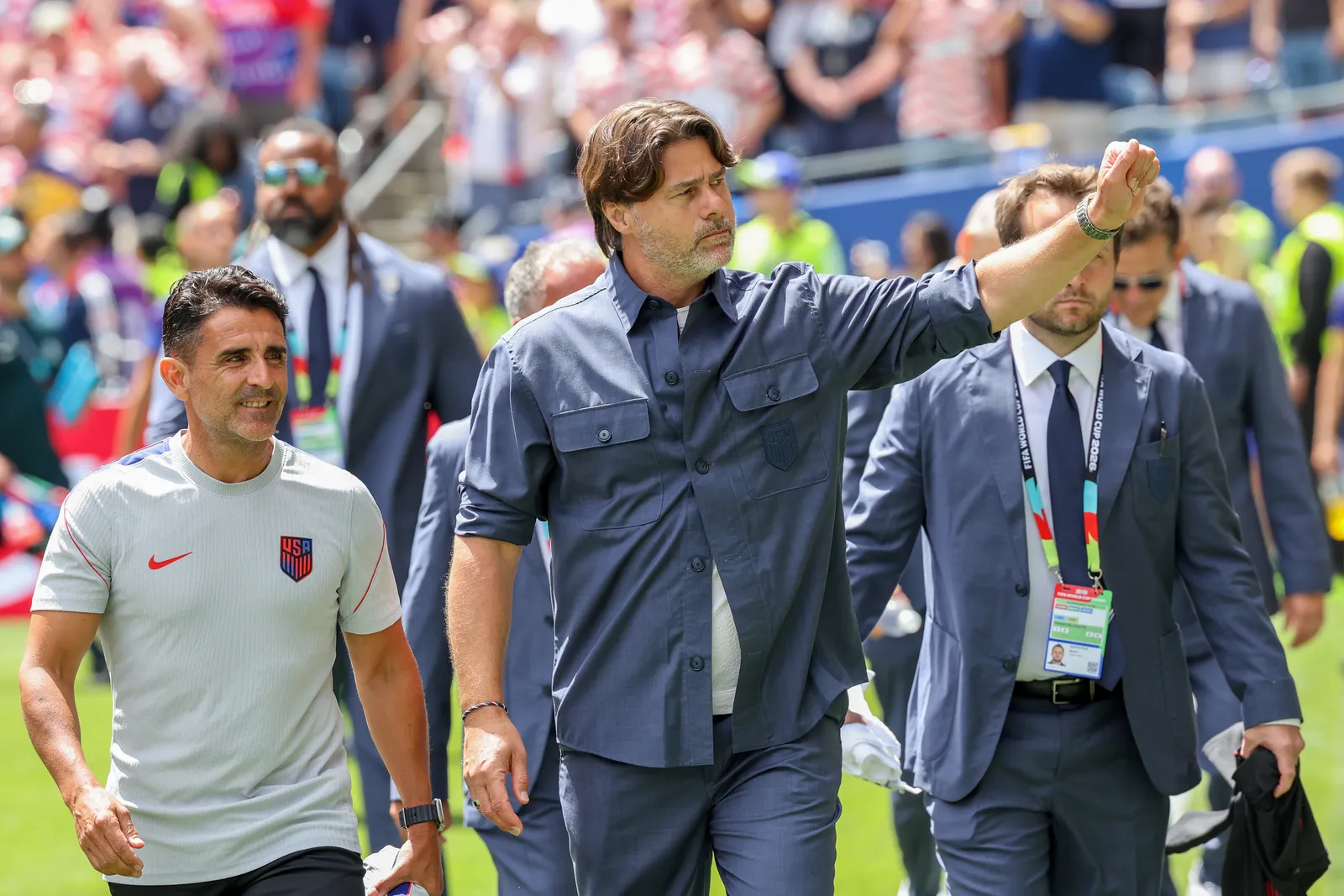
Wayne Rooney lauded Mauricio Pochettino’s sharp fashion sense during a post-match analysis, expressing admiration for his attire and seeking information on his clothing sources. While many managers opt for standard team tracksuits, Pochettino consistently presents himself in a polished Hugo Boss overshirt and matching trousers, projecting an image of effortless sophistication.
 Al Sermeno/ISI Photos/Getty Images
Lionel Messi’s Pre-Tournament Watch Collection
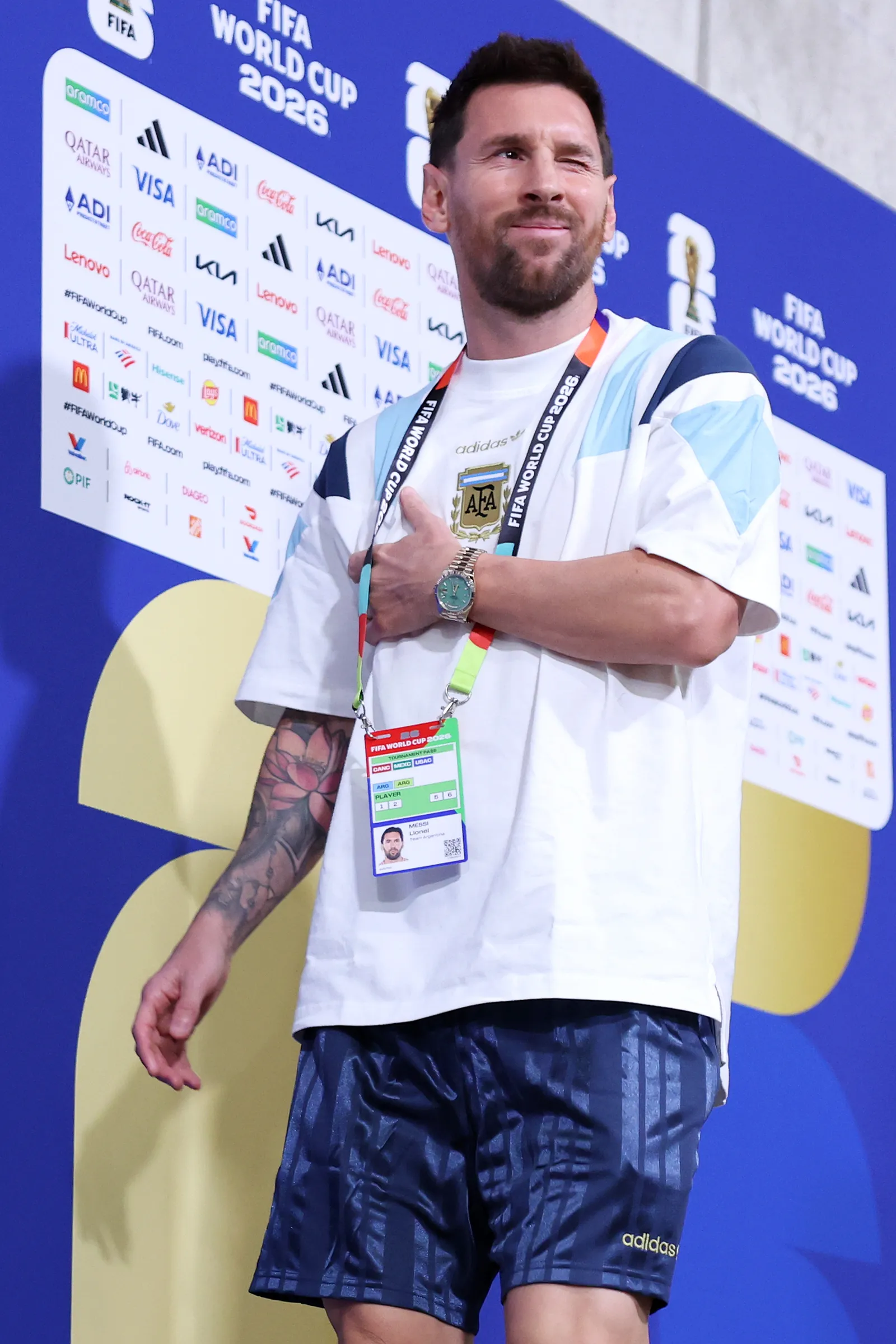
Lionel Messi demonstrated his refined taste even before the tournament commenced, showcasing a remarkable collection of Rolex timepieces. His appearances featured an Oyster Perpetual 36 with a vibrant, artistic dial; a rose-gold Day-Date 40 with the sought-after Wimbledon dial; and a white-gold Day-Date 36 distinguished by sapphire hour markers. Messi’s pre-tournament watch selection set a precedent for individual style and luxury.
 Charlotte Wilson/Getty Images
Business Style Takeaway: These athletes demonstrate that personal style is an extension of their professional brand, translating onto the global stage. From bespoke tailoring to unique accessory choices, these sartorial statements convey confidence, attention to detail, and a sophisticated understanding of personal presentation, elevating their presence both on and off the field.
Інформація підготовлена на основі матеріалів: www.gq.com