

The serendipitous discovery of heritage textiles for Audrey Gelman’s Hudson Valley inn, The Six Bells, evolved into a profound exploration of her family’s lineage, intertwined with the remarkable story of the Wallach House of Folk Art.
A Legacy Reclaimed Through Textile Art
During the selection of wall coverings, Gelman’s interior designer, Adam Greco, introduced a collection of Bavarian folk patterns from the Wallach Project. Upon learning of the family’s historical narrative, Gelman became captivated, actively seeking out any Wallach-associated items available online.
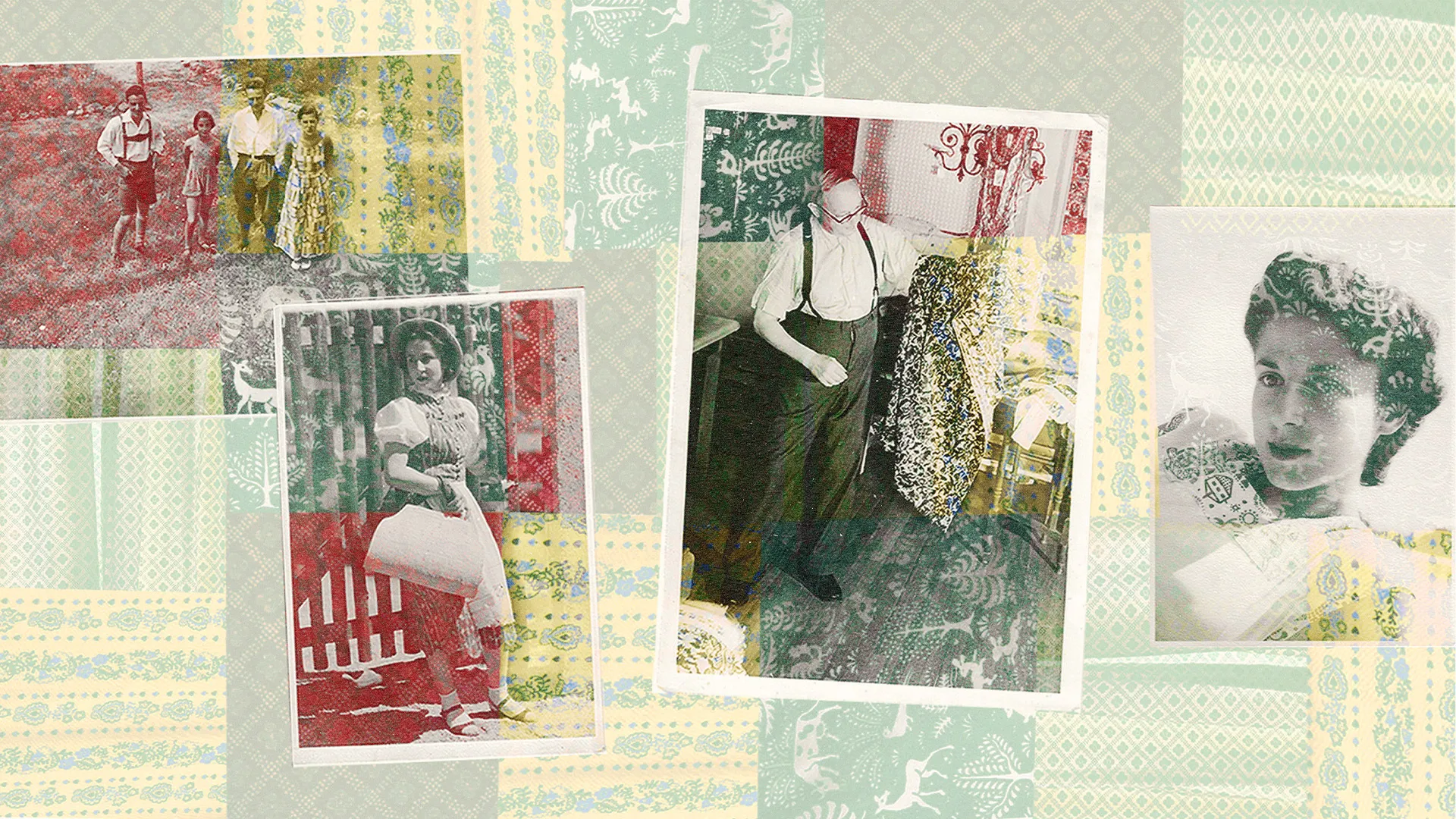
Founded in 1900 by brothers Julius and Moritz Wallach, the Wallach House of Folk Art in Munich flourished into a significant European textile and fashion enterprise, even contributing to the popularity of the traditional dirndl. Tragically, like many other Jewish-owned businesses, the establishment was annexed by the Nazis in 1937 and officially seized in 1938. Despite these devastating events, the Wallach House persisted, with their original textiles continuing to be produced by Josef Fromholzer, an employee from his youth until his nineties, until his passing in 2023.
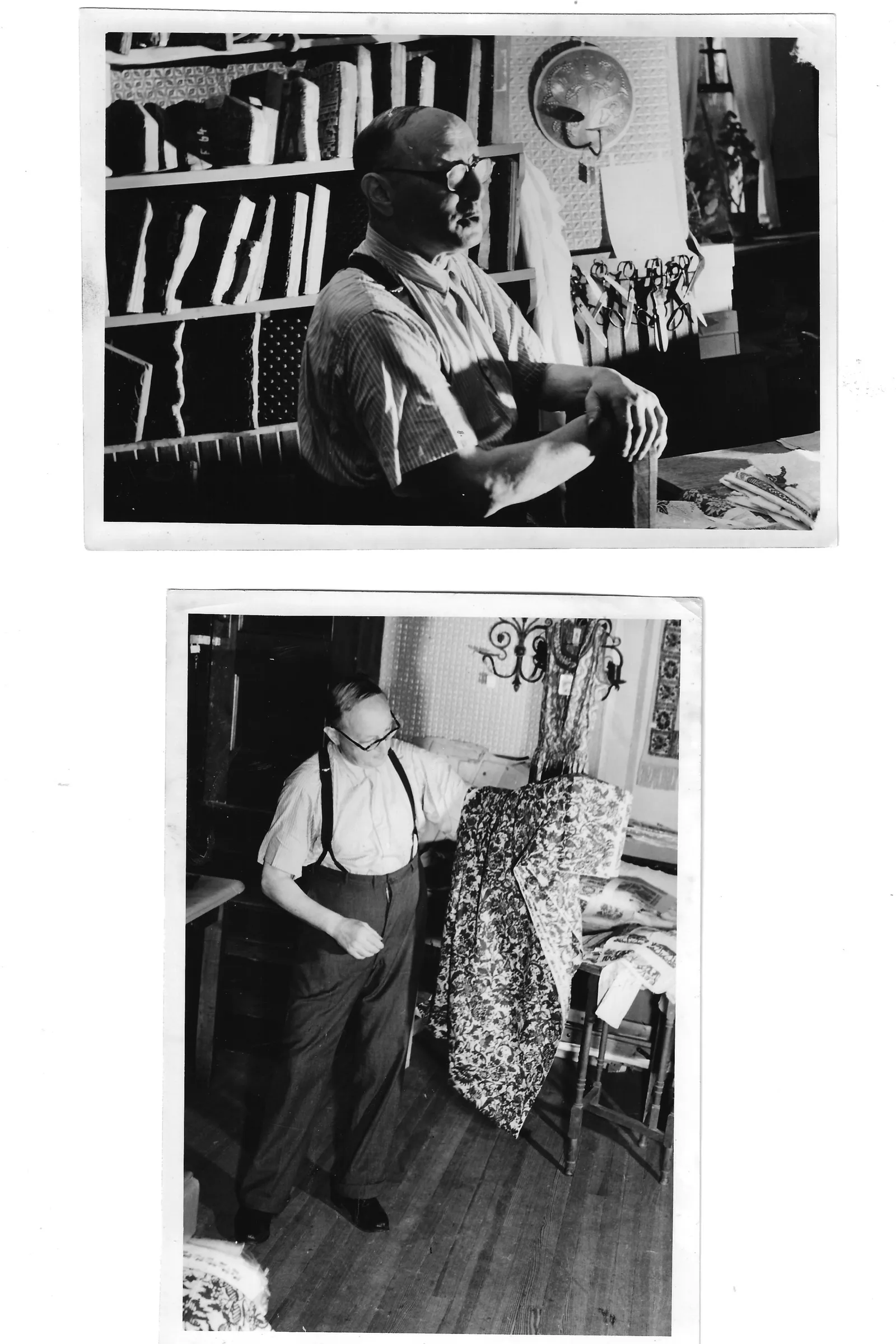
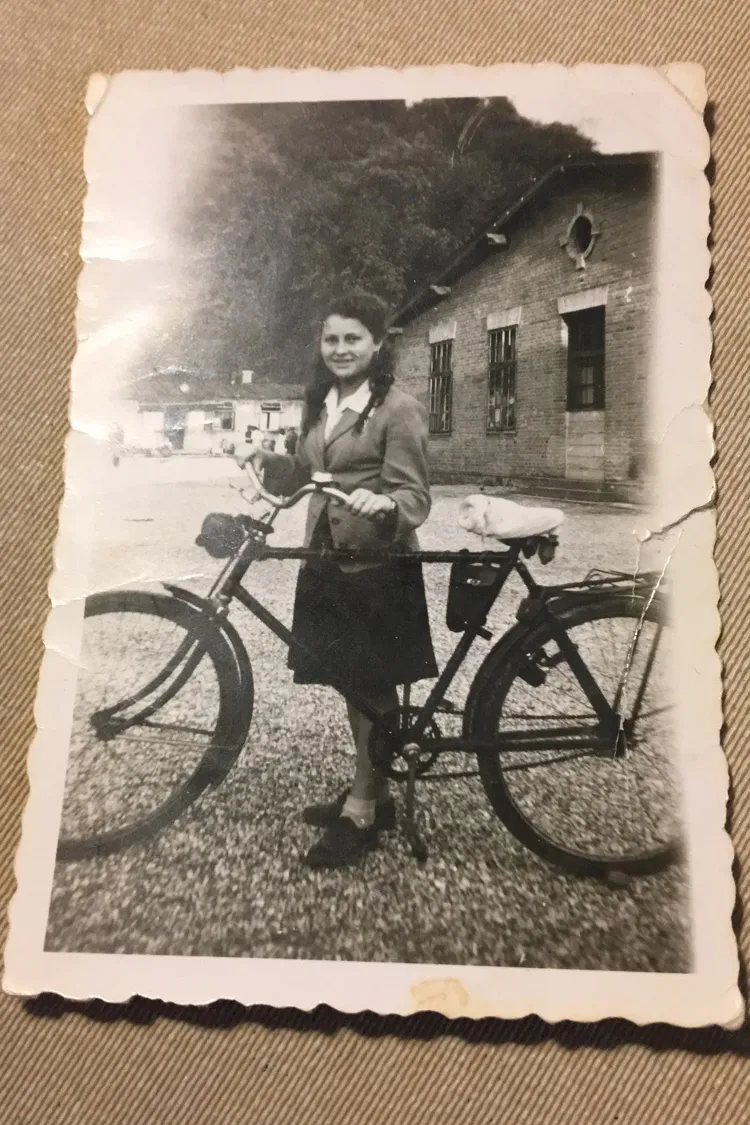
The tragic fate of Max, who was murdered in Auschwitz, and the subsequent journeys of Moritz to New York and Julius through Europe and Canada, underscore the profound impact of the era. Today, nearly 90 years later, the descendants of the Wallach brothers have united to revive their family’s legacy and artistic heritage. The Wallach Project, established by a collective of great- and great-great-grandchildren across continents, is dedicated to preserving and reinterpreting the family’s original printmaking techniques.
Gelman, herself a granddaughter of Holocaust survivors, found a deep resonance with the Wallach Project’s story. Her own family, innkeepers in modern-day Belarus, also fell victim to Nazi atrocities. While she had not previously engaged publicly with her family’s history, the Wallach Project’s narrative inspired her to reach out to Jamie Hall, Max’s great-grandson and the chair of the Project. Their initial connection, forged through a serendipitous cold call, laid the groundwork for a meaningful collaboration.
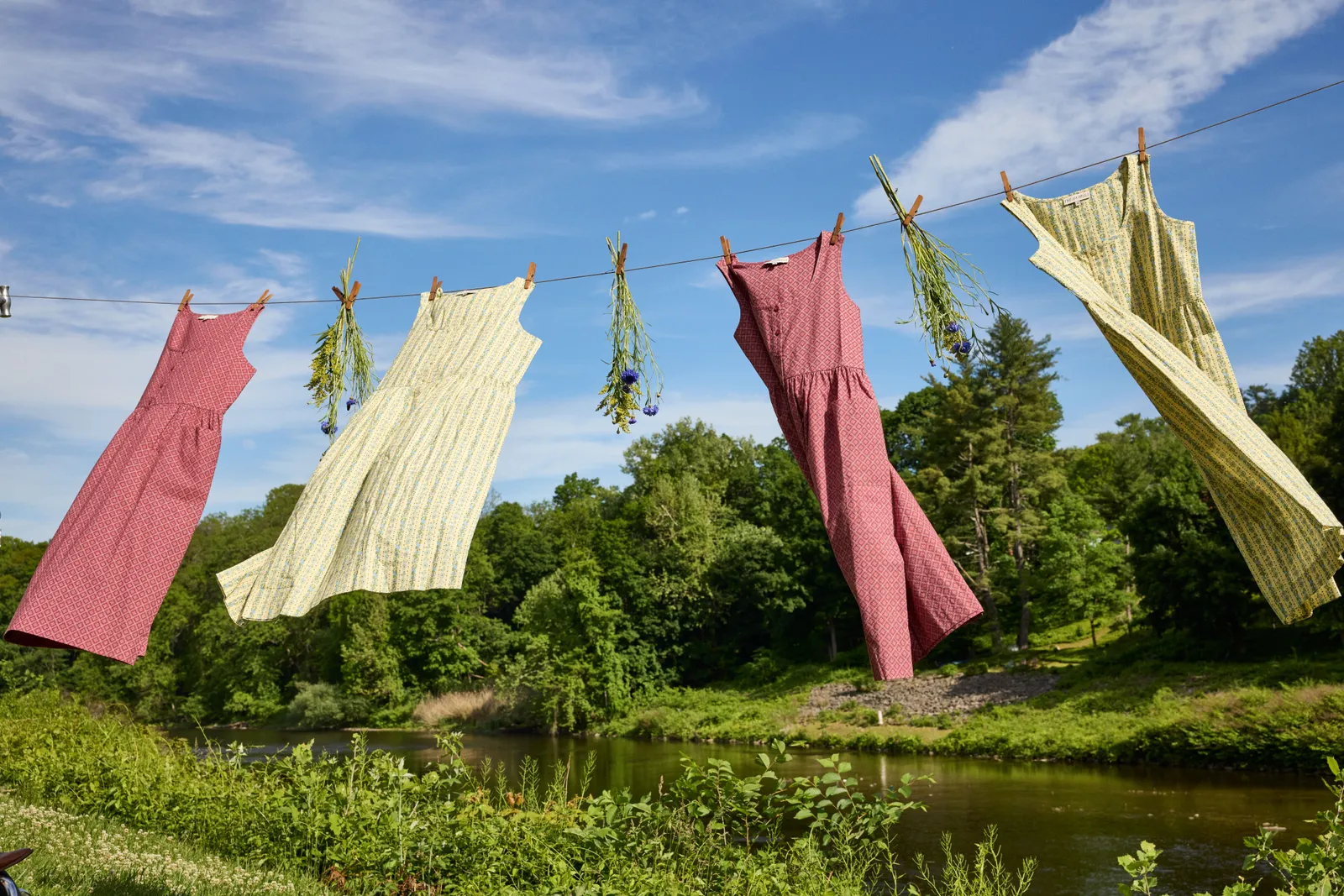
The cousins behind the Wallach Project embraced the opportunity to collaborate with Gelman and The Six Bells, aiming to reintroduce their family’s original prints into contemporary life. On June 24th, a collection featuring home goods such as curtains, throw pillows, dog beds, placemats, napkins, pinafores, and makeup pouches will be launched, showcasing three of the distinct prints originally produced in the Wallach workshop.
This initiative represents a powerful endeavor to transform profound tragedy into tangible beauty. Amelia Rosenberg, Moritz’s great-granddaughter and the deputy chair of the Wallach Project, emphasizes the unique position of the third generation and beyond in preserving historical legacies. “I think there’s a generational thing that happens with history and with things like a genocide, where this level of removal allows us to reconnect because we don’t have the immediate pain,” she observes.
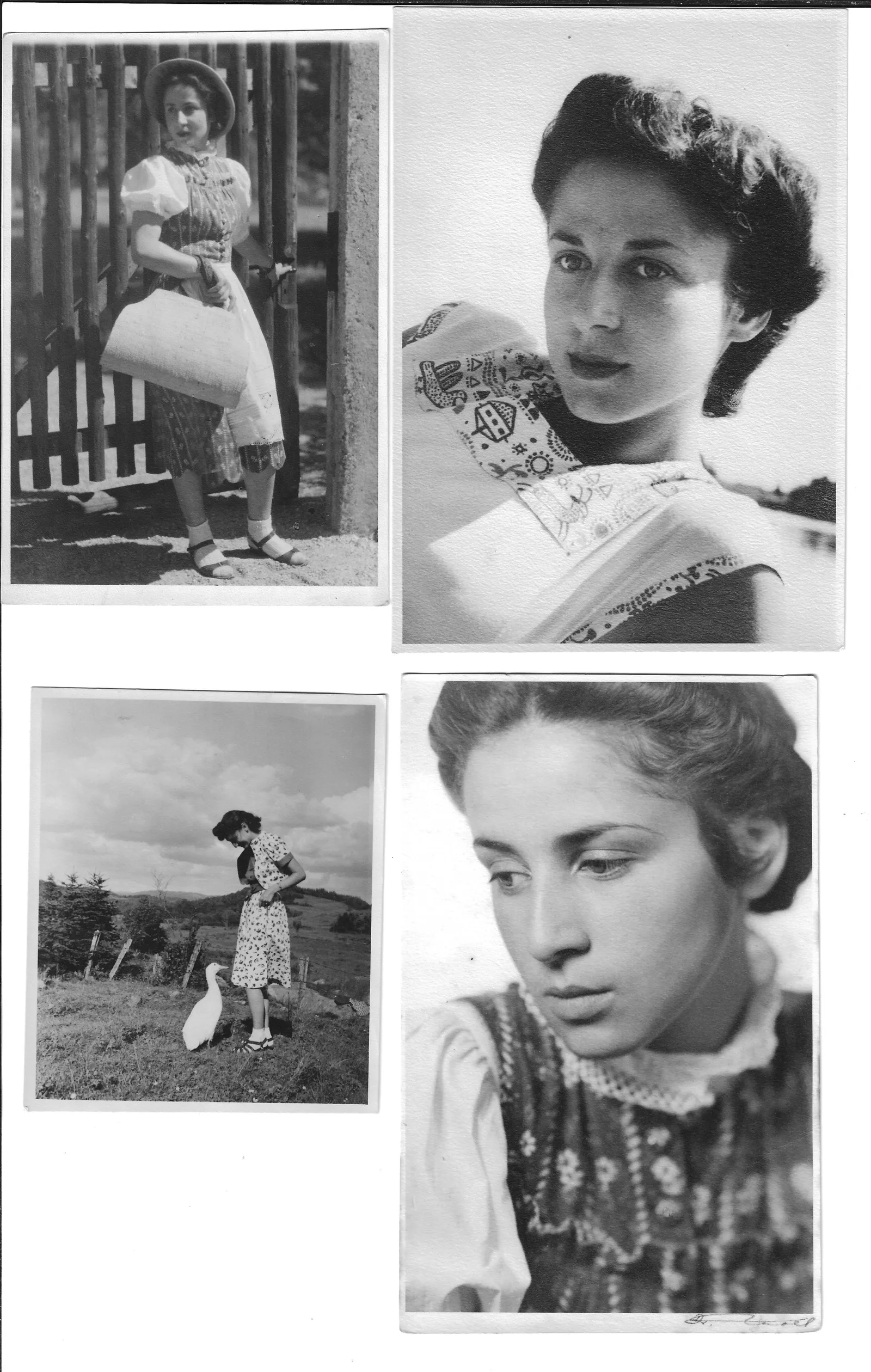
The profound trauma associated with the Holocaust often meant that tangible connections to prior generations were scarce. For the Wallach descendants, the preservation of their family’s pre-war history through the Wallach Project serves as a vital counterpoint to the narratives of loss. “The history felt to me like a tale, like a mythical thing. People didn’t want to talk about it in depth; it wasn’t passed on,” shares Cora Sanches, Julius’s great-great-granddaughter and director of the Wallach Project.
Hall echoes this sentiment, noting that his upbringing in the UK and subsequent move to Greece meant that his understanding of his family’s past was predominantly shaped by the Holocaust narrative. “For me growing up, all I really knew about history was the Holocaust. The story didn’t extend to before that, to this amazing history,” he states. “I saw objects around the place, I saw wood blocks on the wall, I saw these table cloths, but I think it was too painful for my grandparents to really talk about them.” By actively engaging with their family’s pre-war heritage, the cousins are forging a richer, more multifaceted understanding of their identity.
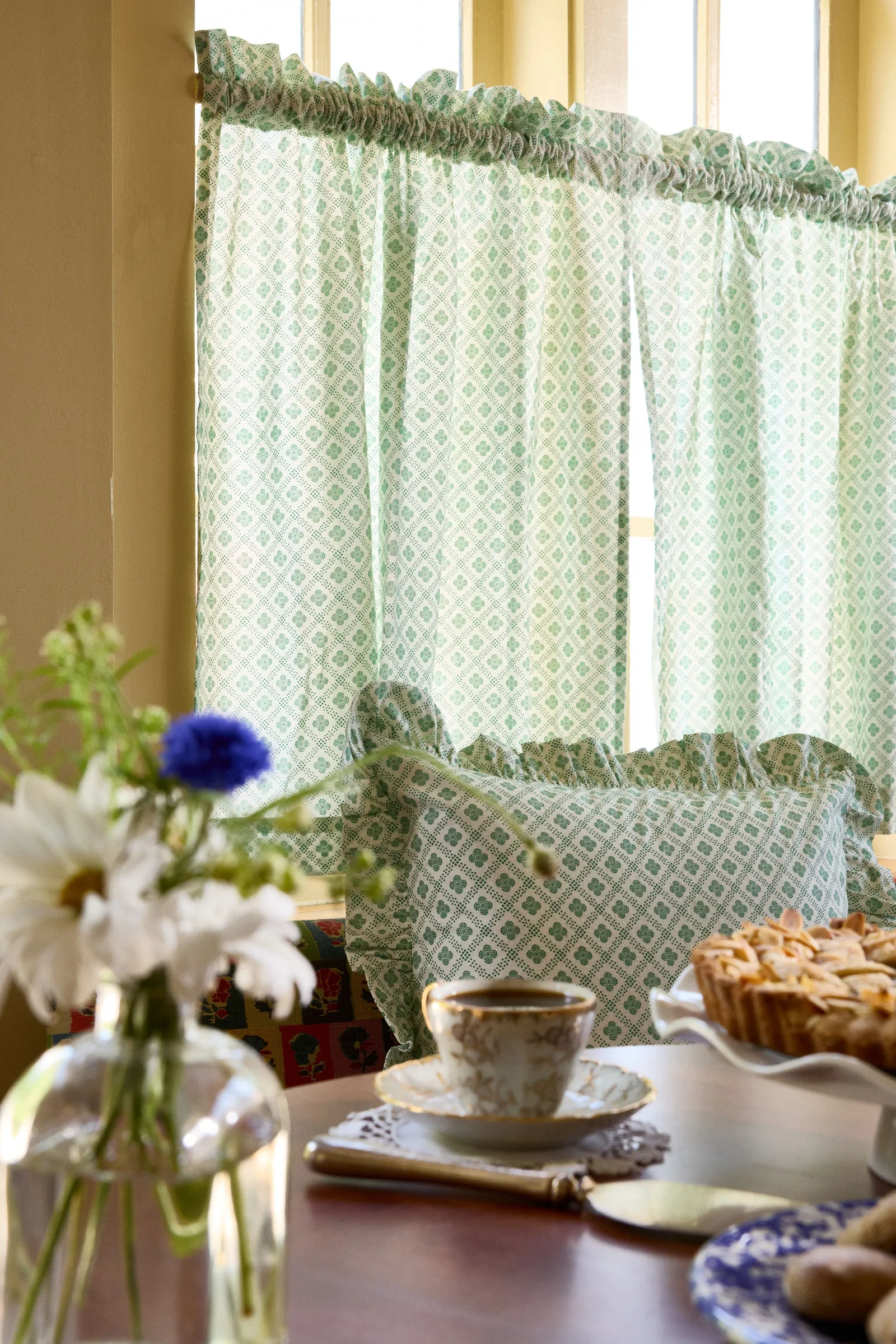
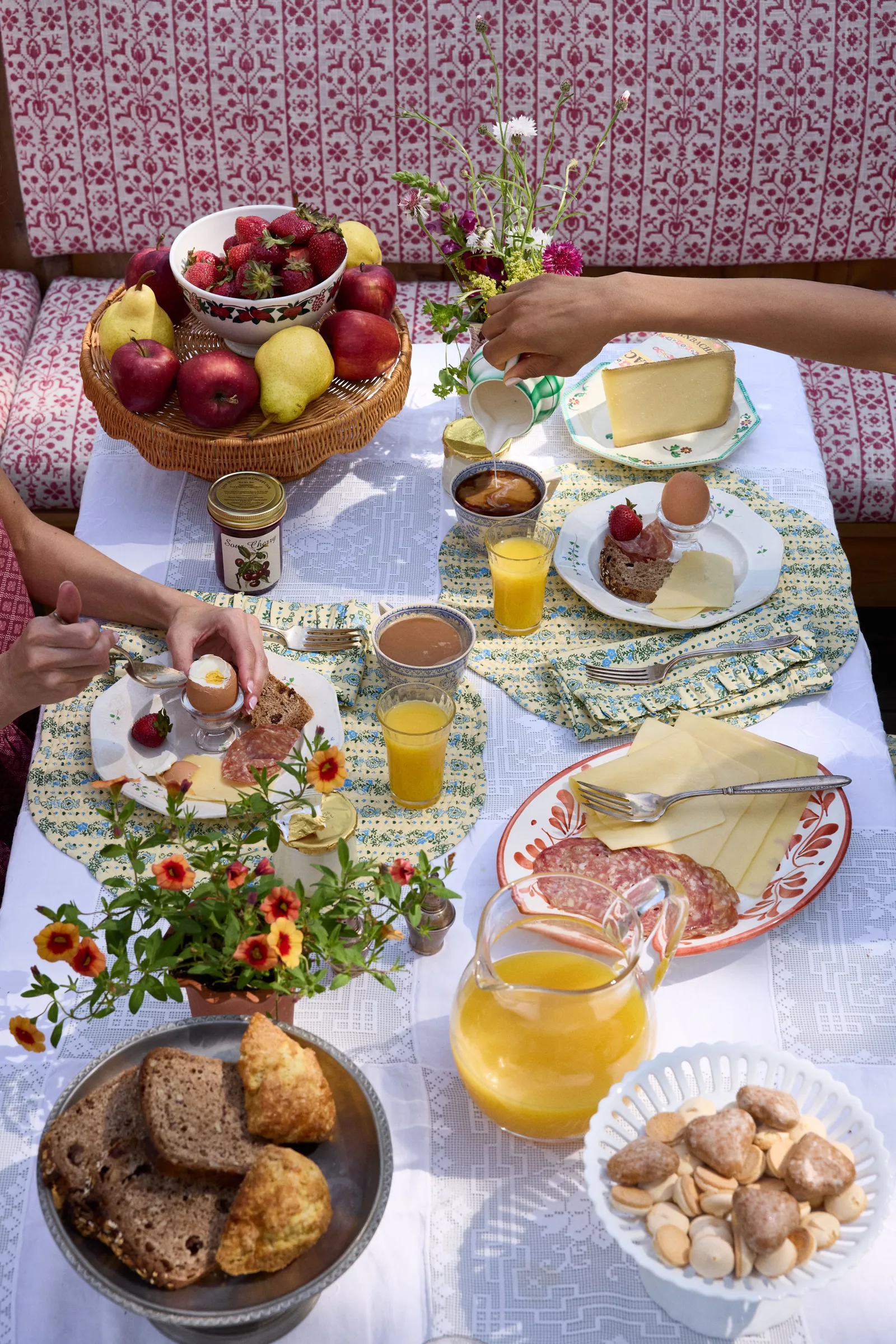
For Gelman, the collaboration offers a welcome departure from a narrative steeped in sorrow. “There’s a lot of pain and a lot of death and a lot of sadness that surrounds my family’s story,” she shares. “It’s so rare to get to do something that is celebratory and sincere and creating something new that isn’t just in a museum. There’s something about this that’s very meaningful because it feels generative.” The collection ensures that these meaningful offerings, rendered in the family’s distinctive prints, are not merely historical artifacts but are integrated into daily life, fostering a new layer of connection and meaning.
“It’s something you’re actually interacting with,” Rosenberg explains. “If you’re looking at something as an artifact, then it remains an artifact. But if you’re interacting with it and utilizing it in your daily life, it becomes something different—it’s part of your story as well.” This approach imbues the textiles with a living narrative, extending the family’s story beyond its historical trauma into a vibrant present.
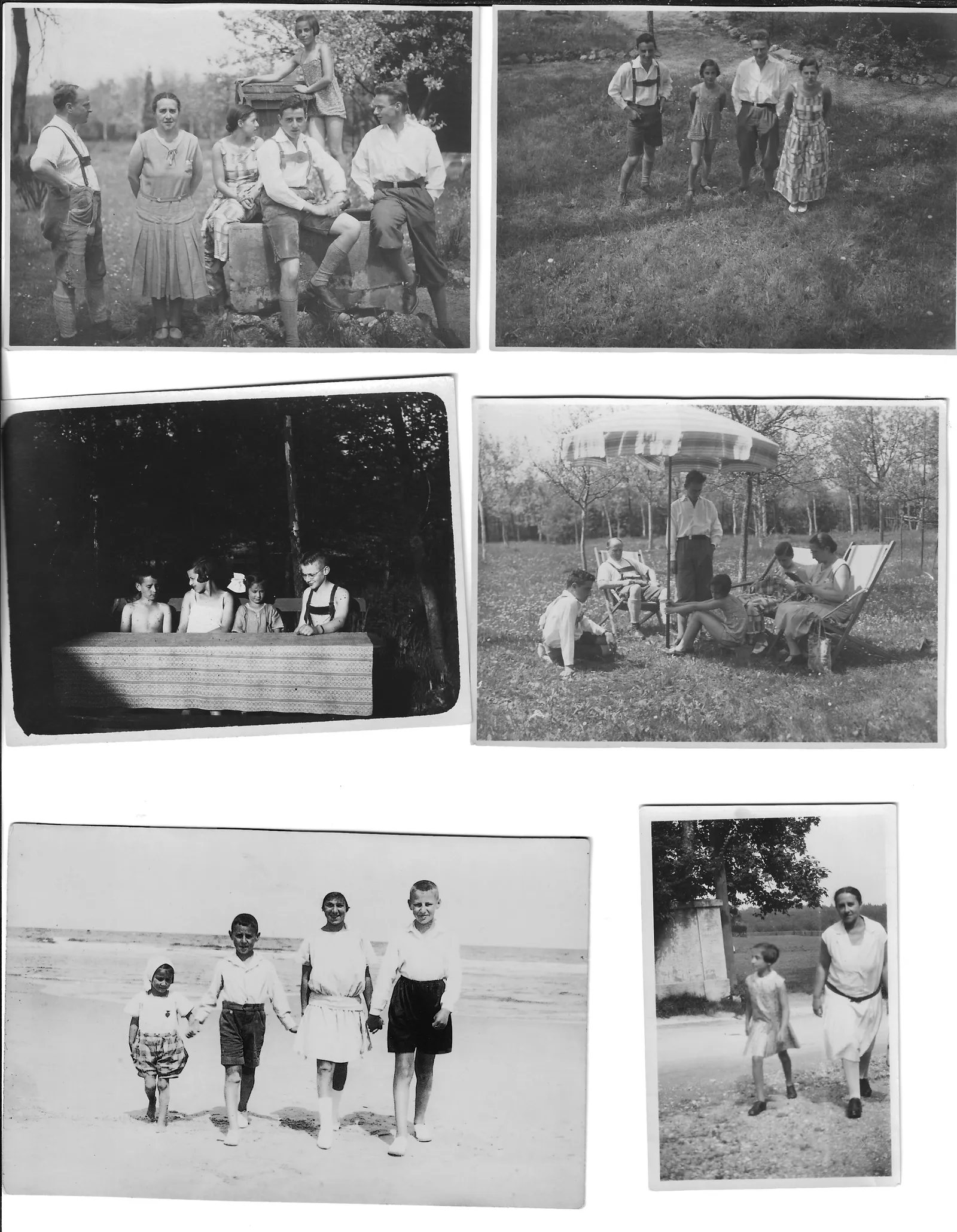
Business Style Takeaway: This collaboration exemplifies how luxury brands can leverage heritage and personal narratives to create products with profound emotional resonance. It highlights the growing consumer interest in ethically sourced, historically significant items, offering a powerful model for brands seeking to connect with consumers on a deeper level through storytelling and authentic craftsmanship.
Original article : www.vogue.com