

The intersection of sport and style has never been more pronounced than in the realm of tennis. From its aristocratic origins to the modern-day global phenomenon, the game has consistently dictated fashion trends, a rich narrative explored in Sunita Kumar Nair’s compelling new book, ‘ACE: The Times & Style of Tennis’. This comprehensive examination traces the evolution of on-court attire, revealing how it has transcended the boundaries of the game to become a significant cultural influence.
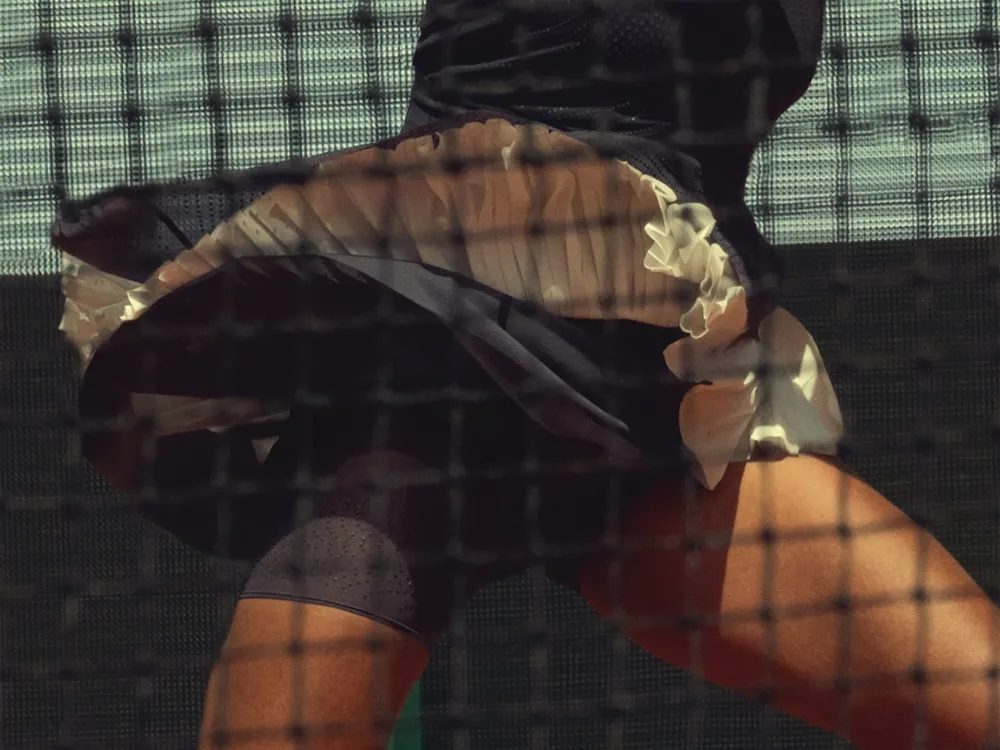
The Maverick Origins of Tennis Fashion
The book highlights the revolutionary impact of Suzanne Lenglen, a French tennis icon of the early 20th century. Dubbed ‘La Divina’, Lenglen shattered the prevailing norms of “garden party attire” expected of female athletes. In 1919, she debuted a groundbreaking Patou-designed dress – a sleeveless, drop-waist silhouette in breathable silk jersey that offered unprecedented freedom of movement. This radical departure from restrictive, floor-length skirts and corsets marked a pivotal moment, signaling a new era of athletic-wear design that prioritized both performance and aesthetic liberation. Her subsequent appearances in shorter hemlines and iconic turbans further cemented her status as a fashion visionary, dramatically boosting Patou’s sales and garnering attention from influential publications.
Nair observes a persistent “parallelism” between societal shifts and the evolution of tennis athletes’ styles, a dynamic that has remained remarkably consistent throughout the sport’s history. “Tennis as a sport is so reflective of the time,” she notes, underscoring its role as a cultural barometer.
The Enduring Influence of Tennis Style
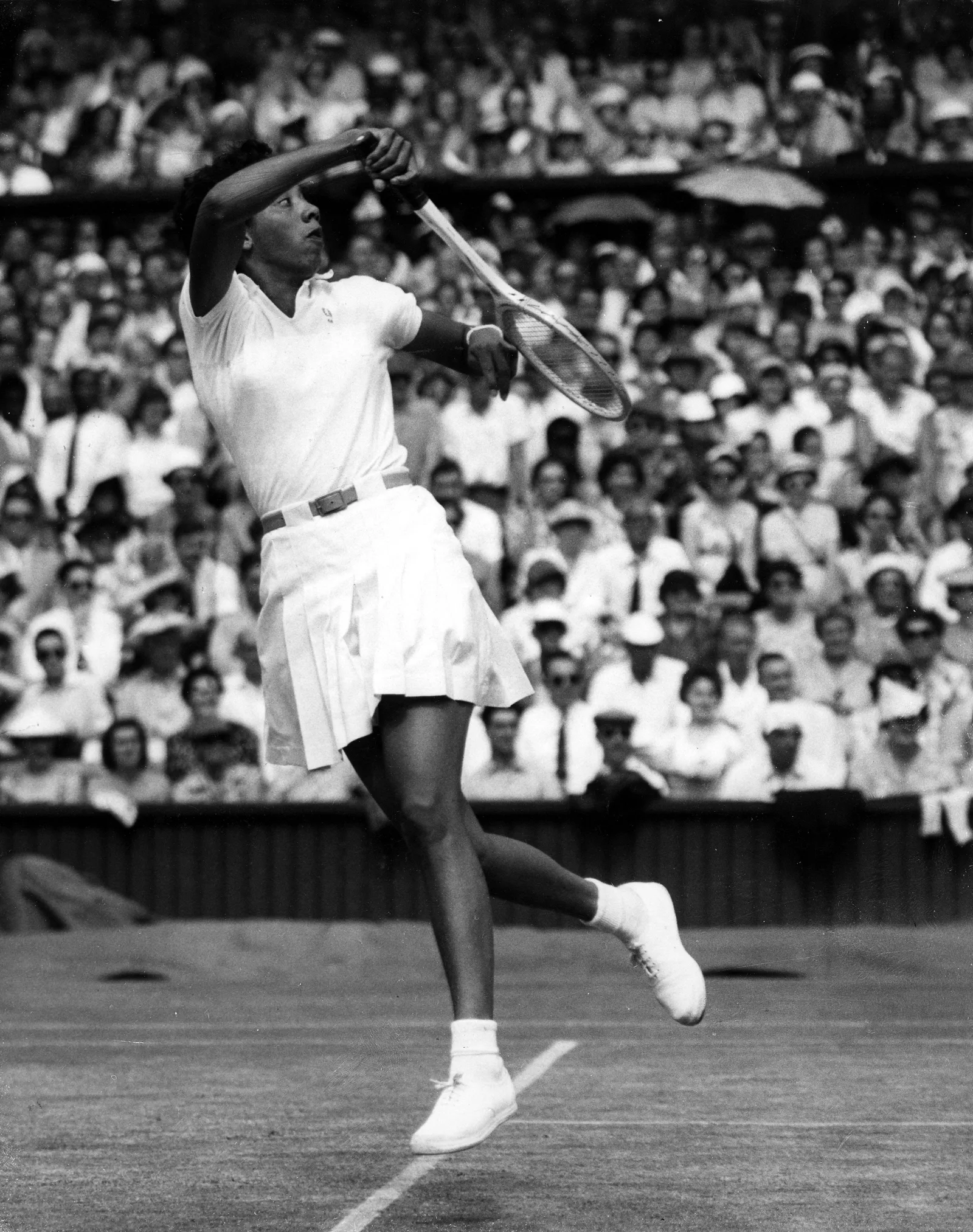
Nair posits tennis as the ultimate stylish sport, its influence extending from the early collaborations between designers like Patou and Coco Chanel, who recognized the potential of athletic apparel, to contemporary partnerships such as Coco Gauff with Miu Miu. The sport’s historical association with elite society meant its uniform – particularly the revered “tennis whites” – became a symbol of class and privilege. Nair explains, “Tennis whites inferred ‘you are from a certain kind of echelon in life,’ which gives you immediate access to buy separate sportswear.” Maintaining pristine white attire was a significant challenge, further distinguishing those who could afford to participate in the sport and its associated fashion.
The book’s thematic organization—into ‘The Classic’, ‘The Mavericks’, and ‘The Cool’—provides a unique lens through which to explore designers, specific garments, and iconic players. This structure highlights how tennis apparel, from Ralph Lauren polo shirts to Yohji Yamamoto’s avant-garde designs, has permeated mainstream fashion, with the ubiquitous Lacoste crocodile logo serving as a prime example of the sport’s enduring aesthetic appeal.
Individuality and Innovation on the Court
Nair emphasizes the book’s structure as a means to explore the defiance of societal constraints through personal style. “It’s about how players who’ve come from very different ethnic backgrounds and financial backgrounds have navigated their way through the sport and made their style choices,” she explains.
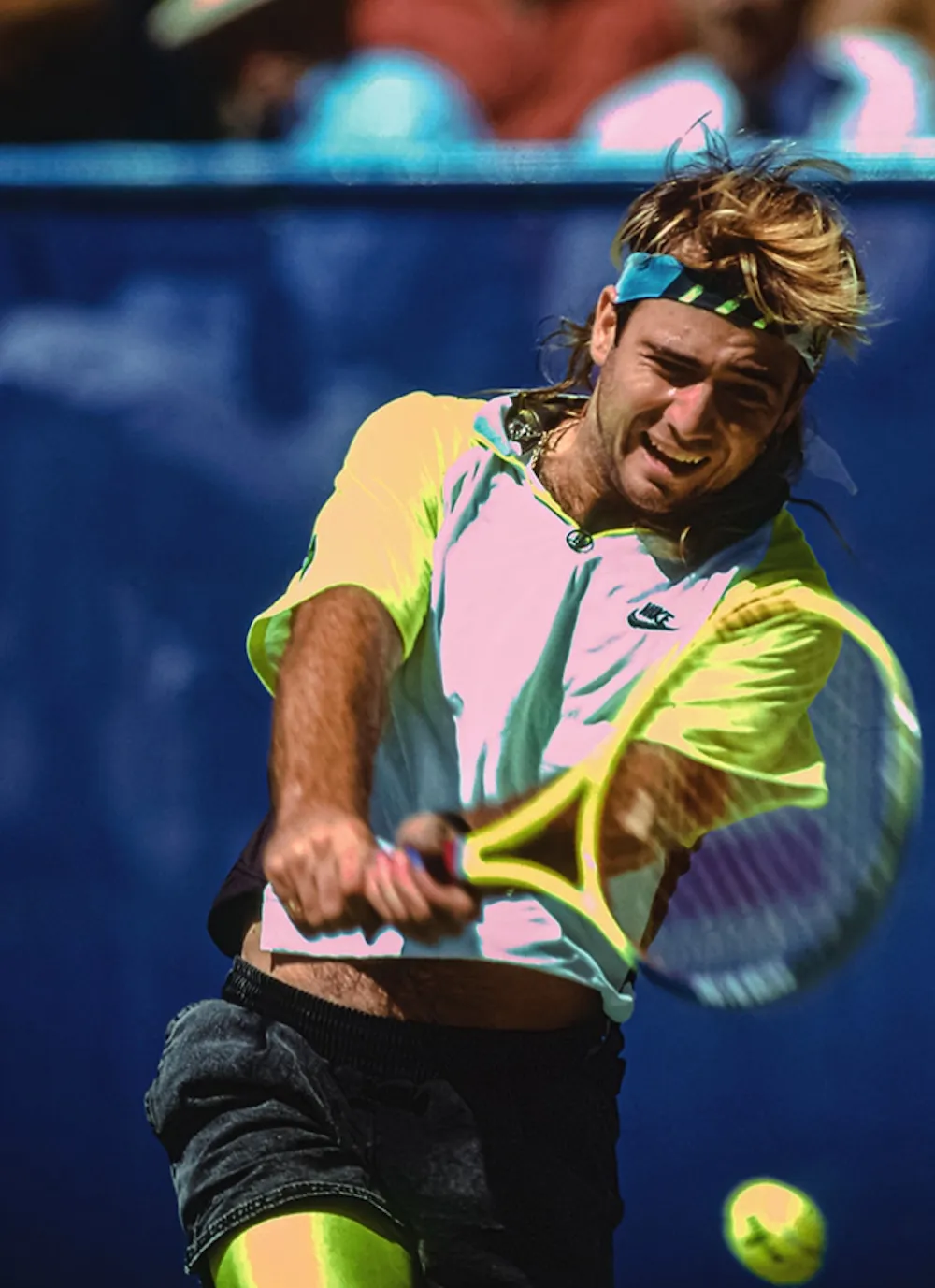
The individualistic nature of tennis has fostered a culture of nonconformity, often expressed through bold fashion statements. Nair points to Andre Agassi as a pioneer, whose audacious style, from his signature spandex to his unconventional hairstyles, challenged the status quo. “When you start looking at the psychological layer of what you’re actually wearing, and will this help you to win, it’s a really interesting formula, and I loved that,” she states.
Tennis has also historically served as a lens through which society views the female form. The controversy surrounding Serena Williams’ 2018 Nike catsuit ban at the French Open, and Wimbledon’s continued insistence on traditional white attire, both reflect this ongoing dialogue about body image, athleticism, and the sport’s deep-rooted traditions.
The Catwalk of the Court
The inherent visibility of tennis players during matches presents an unparalleled marketing opportunity for brands. Nair describes the court as a “catwalk,” where athletes’ attire, from signature looks to accessory choices like Sabalenka’s Gucci bag, captures global attention. This unique platform allows brands to connect with a vast and engaged audience, demonstrating the immense commercial power of athletic fashion.
The craftsmanship involved in performance wear is also highlighted. “It’s so couture-like,” Nair remarks. “The actual ramifications that the designers go through when they’re designing performance wear is an art in itself.”
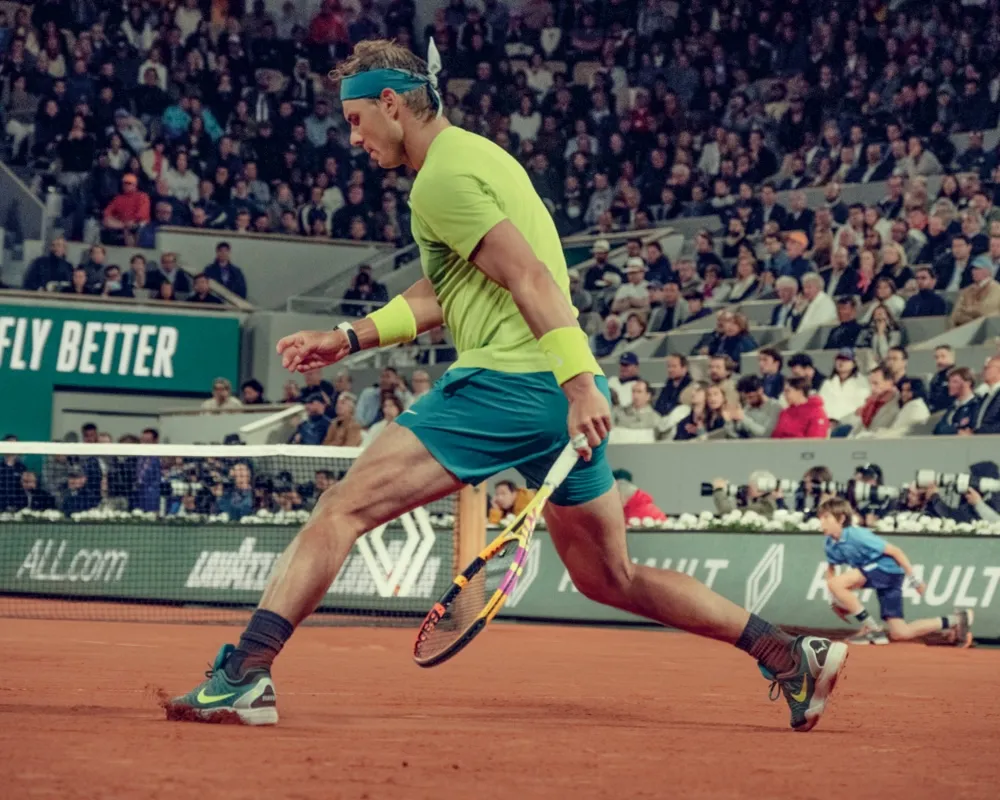
Nair celebrates a pantheon of stylish players, from Gabriela Sabatini’s elegant ensembles to the vibrant neons of Rafael Nadal, and the iconic beaded hair of Venus and Serena Williams. She views these diverse sartorial expressions as “different threads” weaving together a beautiful “tapestry” of tennis style.
The allure of tennis fashion, she suggests, taps into a deeper psychological connection. “There’s some kind of superhero-like quality,” she muses. “Like getting a swatch of their superpowers, in a way, by wearing what they’re wearing. And I think it empowers people.” This aesthetic, deeply rooted in the celebration of human physicality and athletic prowess, resonates with a broader audience seeking inspiration and a sense of empowerment through style.
Business Style Takeaway: Tennis-inspired fashion continues to be a powerful force in the luxury and sportswear markets, offering a blend of classic elegance and performance-driven design. Its adoption by a wider consumer base signifies a growing appreciation for athletic aesthetics that convey sophistication, discipline, and a desirable aspirational lifestyle.
Source: : www.vogue.com