

In the sophisticated urban landscape, Don Cheadle and Boots Riley discuss their latest cinematic collaboration, a film that artfully dissects societal structures through a visually dynamic lens. The conversation highlights the power of elevated style, particularly in formal wear and tailored pieces, as a subtle yet impactful element of personal branding for discerning executives.
An Artistic Union in the Heart of Manhattan
Amidst the panoramic city views from a high-rise in Manhattan, Don Cheadle and Boots Riley prepare for a photoshoot, their presence exuding a quiet confidence. The setting, a space adorned with racks of designer suits and shirts, underscores a world where meticulous attention to detail in attire is paramount. This environment serves as a fitting backdrop to discuss Riley’s new film, a narrative that begins as a heist story within the fashion industry and evolves into a profound exploration of collective action against systemic exploitation.
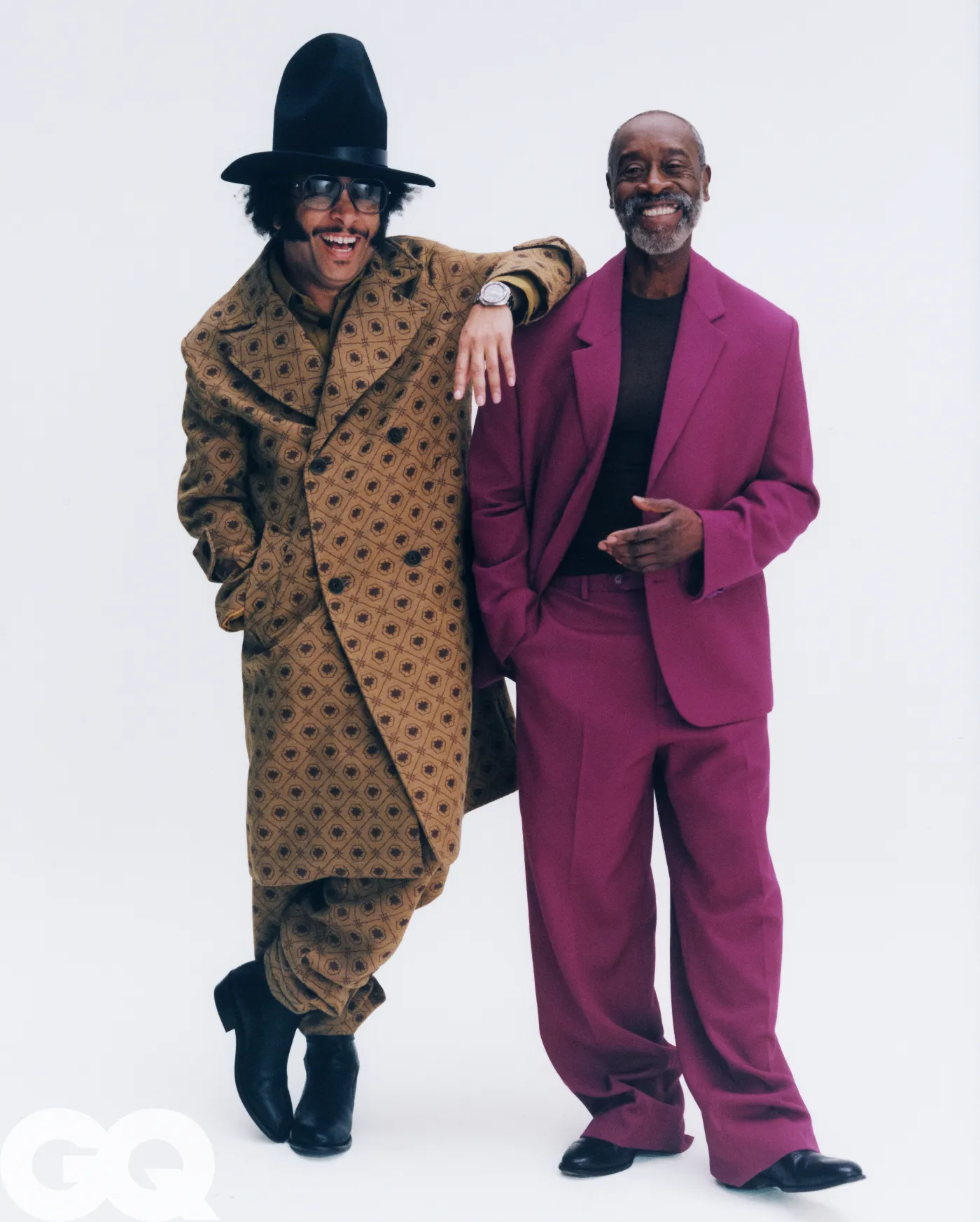
Riley’s distinctive approach, often likened to a modern John Carpenter for his ability to embed social commentary within genre filmmaking, is characterized by an underlying optimism. His filmography consistently champions the possibility of a better future, a stark contrast to cynicism. The current project, which starts as a heist narrative centered on shoplifters in Hayward, California, grapples with artistic ambition versus economic reality in a society perceived to be in decline. Despite its complex themes, the film is noted for its exuberant and hopeful tone, a testament to Riley’s directorial vision.
A Distinctive Cinematic Voice
Boots Riley’s artistic trajectory, from his early days as an activist and rapper to his unique directorial endeavors, reveals a singular focus: the pervasive struggle against capitalist exploitation. His work, including feature films and the series “I’m a Virgo,” consistently advocates for collective action to achieve humane working conditions and fair compensation. Riley’s films are meticulously crafted, designed to provoke thought and dialogue about the unseen societal forces at play, mirroring the precision of a well-tailored suit.
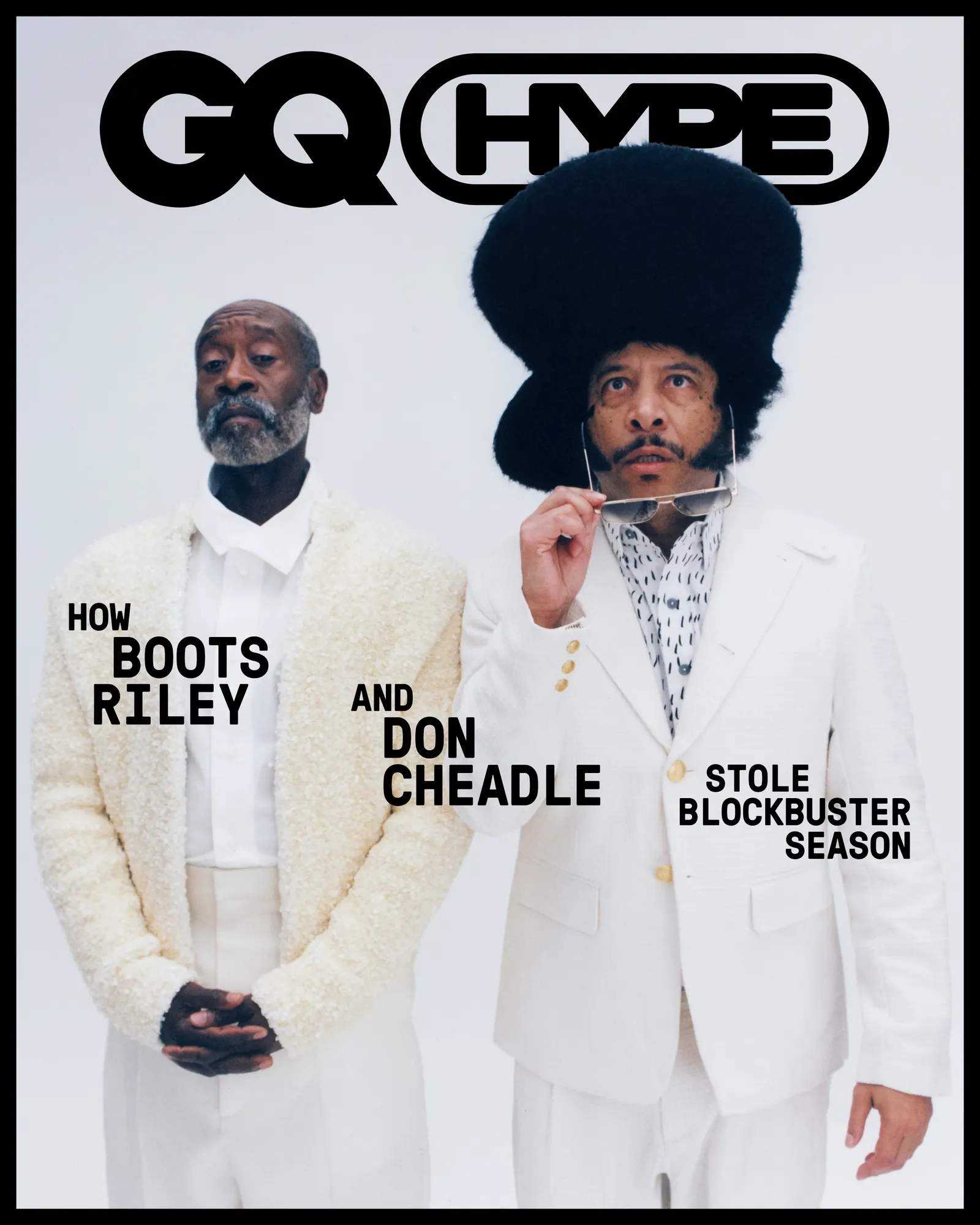
Riley’s directorial style, a vibrant fusion reminiscent of Hype Williams and Ray Harryhausen filtered through a Marxist lens, creates visually arresting scenes. His meticulous framing and use of practical effects contribute to a unique cinematic language that is both intellectually stimulating and aesthetically engaging, much like the fine details in a bespoke timepiece.
A Deepening Collaboration
The rapport between Riley and Cheadle is palpable, a connection forged in mutual respect for each other’s unwavering integrity and distinctive artistic voices. Cheadle’s own directorial debut, “Miles Ahead,” focused on the iconoclastic Miles Davis, suggests a shared appreciation for figures who fiercely protected their creative autonomy. Both artists demonstrate a profound understanding of their craft and a commitment to using their platforms to address significant social issues with clarity and conviction.
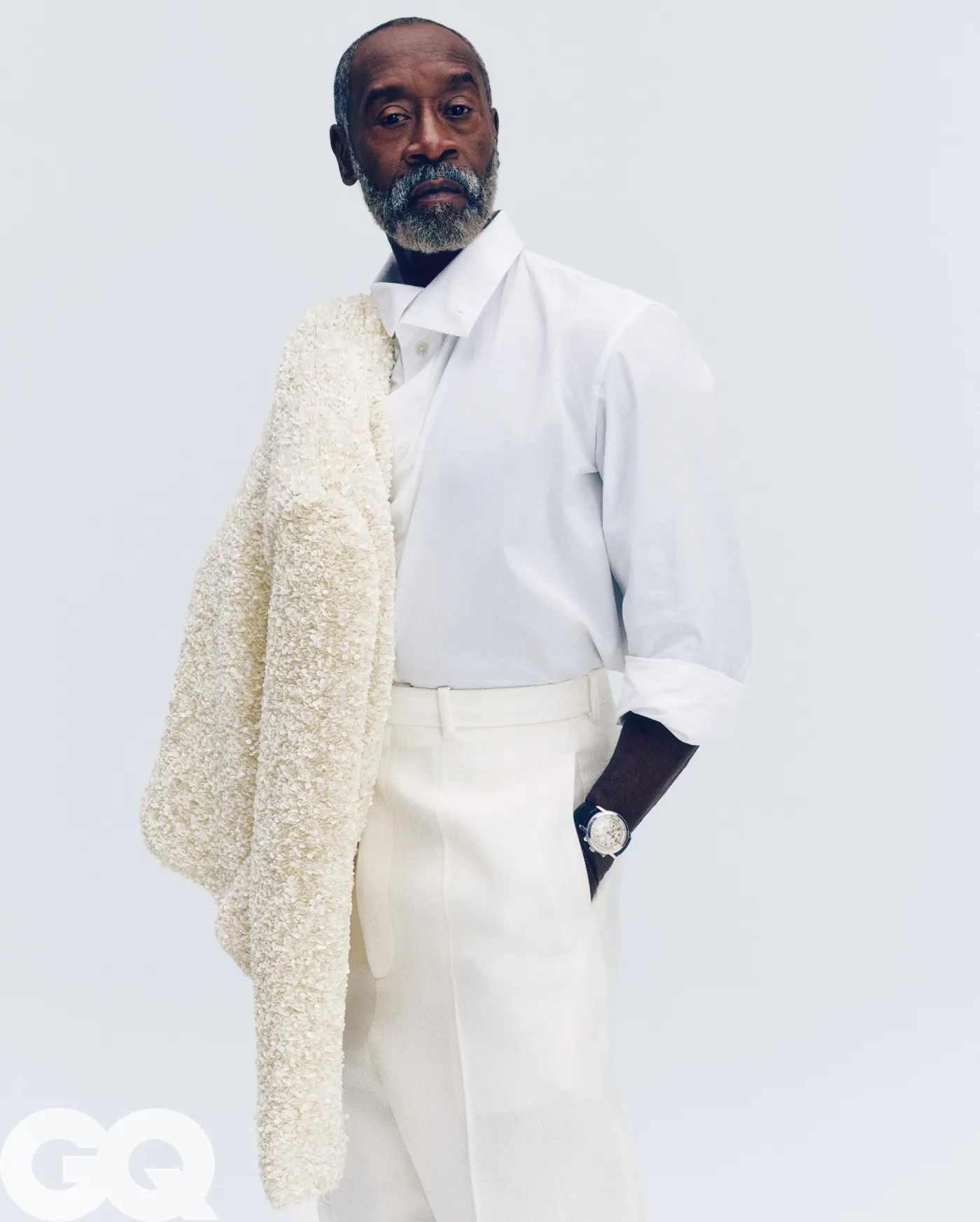
Their shared admiration for figures who challenge the status quo and their dedication to authenticity in their work are evident. Cheadle’s portrayal of Dr. Jack, a charismatic purveyor of false prosperity, is a nuanced performance that requires Cheadle’s innate ability to convey complex characters with depth, much like mastering the subtle nuances of a luxury watch’s complications.
The Art of Subversion
Riley’s filmmaking philosophy centers on embedding potent social messages within entertaining narratives. He likens this approach to “smuggling” ideas into the cultural mainstream, ensuring that audiences are engaged and receptive to deeper concepts. This strategy bypasses didacticism, allowing the film’s themes of exploitation and collective power to resonate organically, much like the refined scent of a high-quality cologne that leaves a lasting impression.
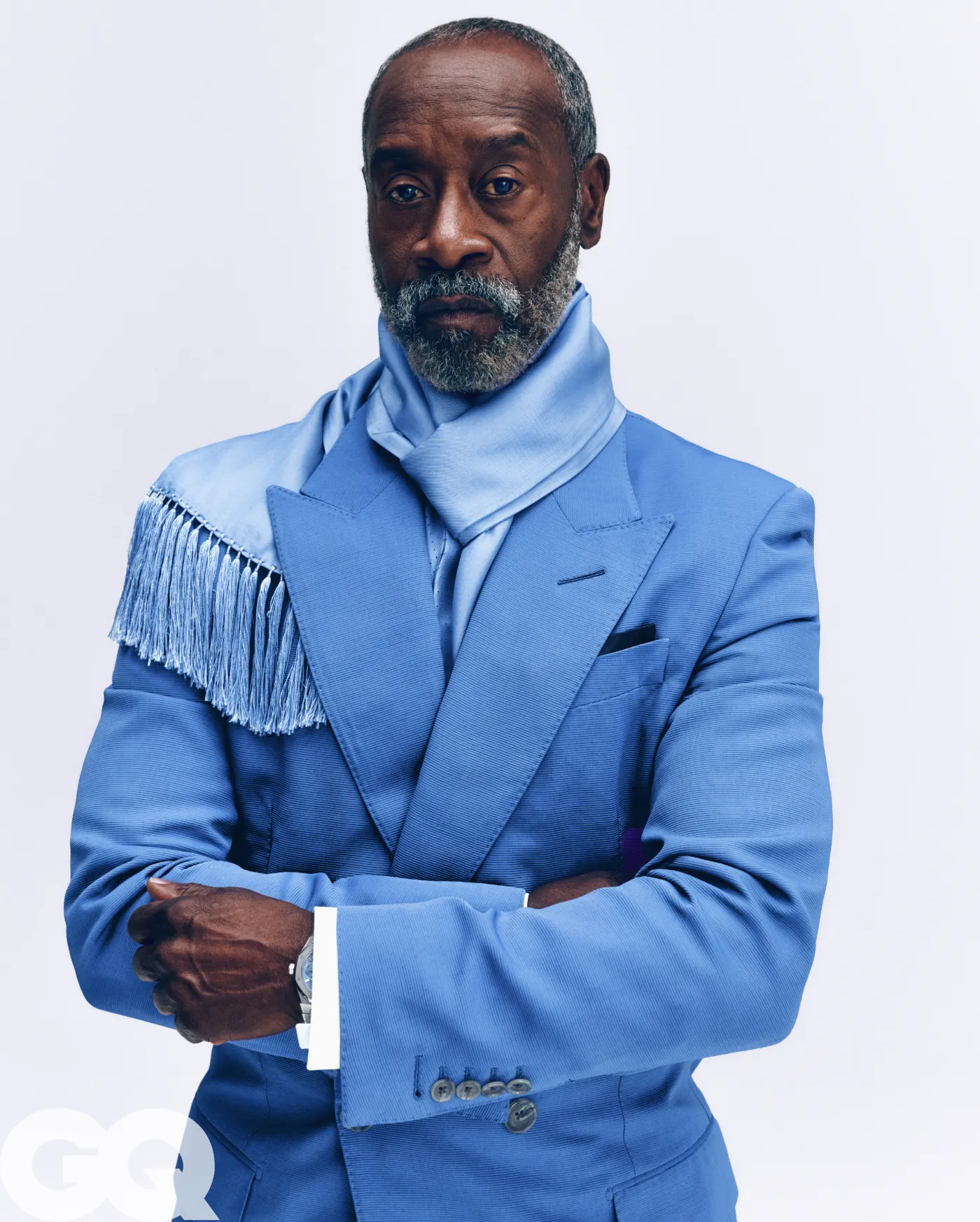
The conversation touches upon the artists’ shared history, including prior collaborations that didn’t materialize, underscoring a long-standing creative synergy. Riley’s dedication to his message is unwavering, employing the very systems he critiques to amplify his vision. This mirrors the strategic deployment of high-quality business attire to command respect and convey competence in professional settings.
Navigating the System
Both Riley and Cheadle acknowledge the inherent contradictions of operating within a capitalist framework to critique it. Riley explains his approach as necessary to reach a broader audience, using existing infrastructure to organize and disseminate his message. He draws parallels to his own past as an organizer, emphasizing the need to meet people where they are to effect change. This pragmatic yet principled stance is akin to understanding and leveraging industry norms to advance one’s personal brand.
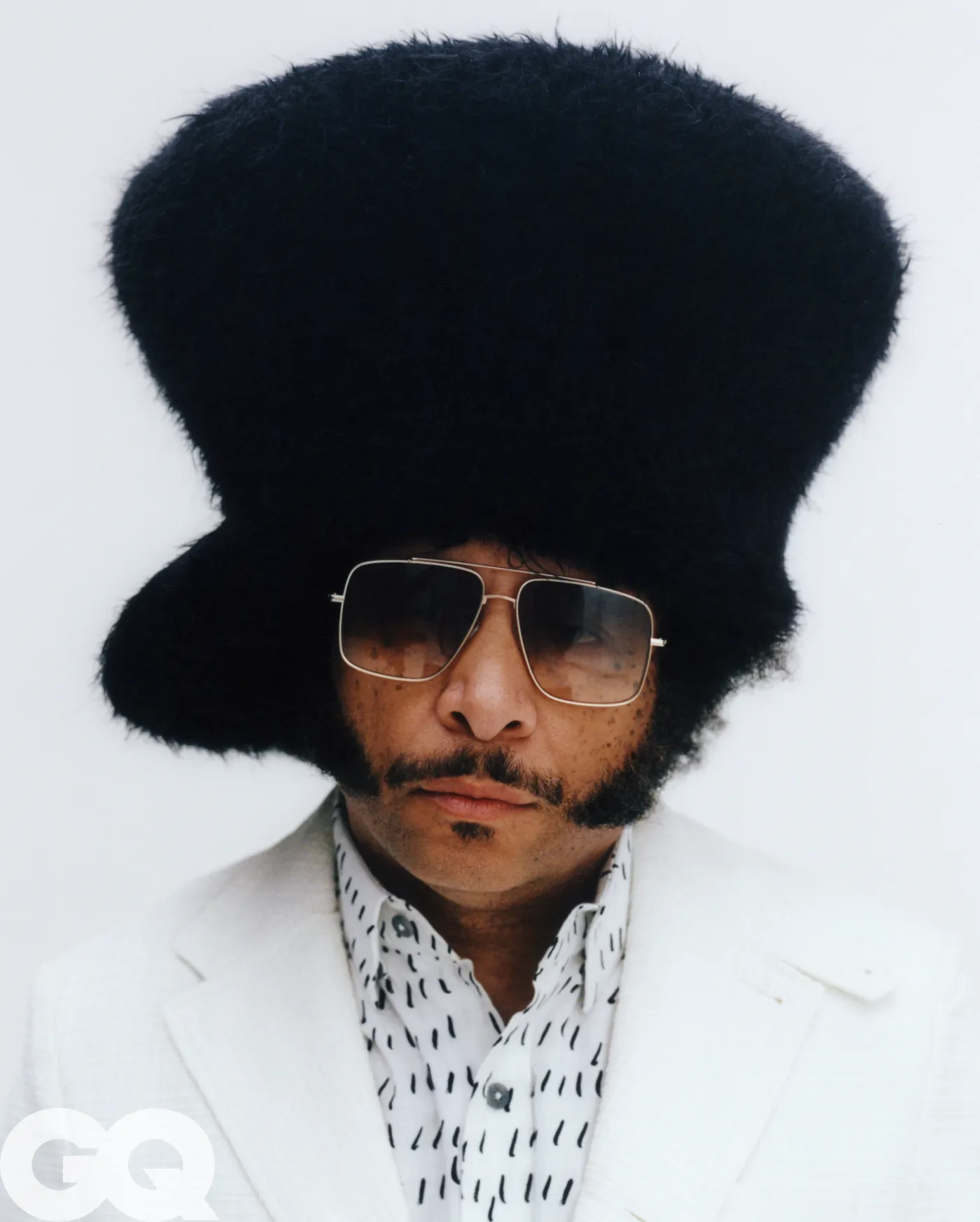
Cheadle reflects on his own activism, stemming from his role in “Hotel Rwanda.” He speaks of the power of celebrity to draw attention to critical issues and the importance of using that platform responsibly. His experiences, including a notable encounter with Condoleezza Rice, highlight the complexities and pressures of advocating for change within established power structures, a balancing act not unlike managing a high-stakes negotiation.
The Enduring Impact of Art
The discussion extends to the efficacy of art as a tool for social change. Riley shares anecdotes of his work inspiring collective action, demonstrating that films and music can indeed influence perspectives and motivate tangible change. This underscores the role of strategic communication and thoughtful presentation in achieving impactful outcomes, much like the careful consideration given to a CEO’s speech or a firm’s branding.
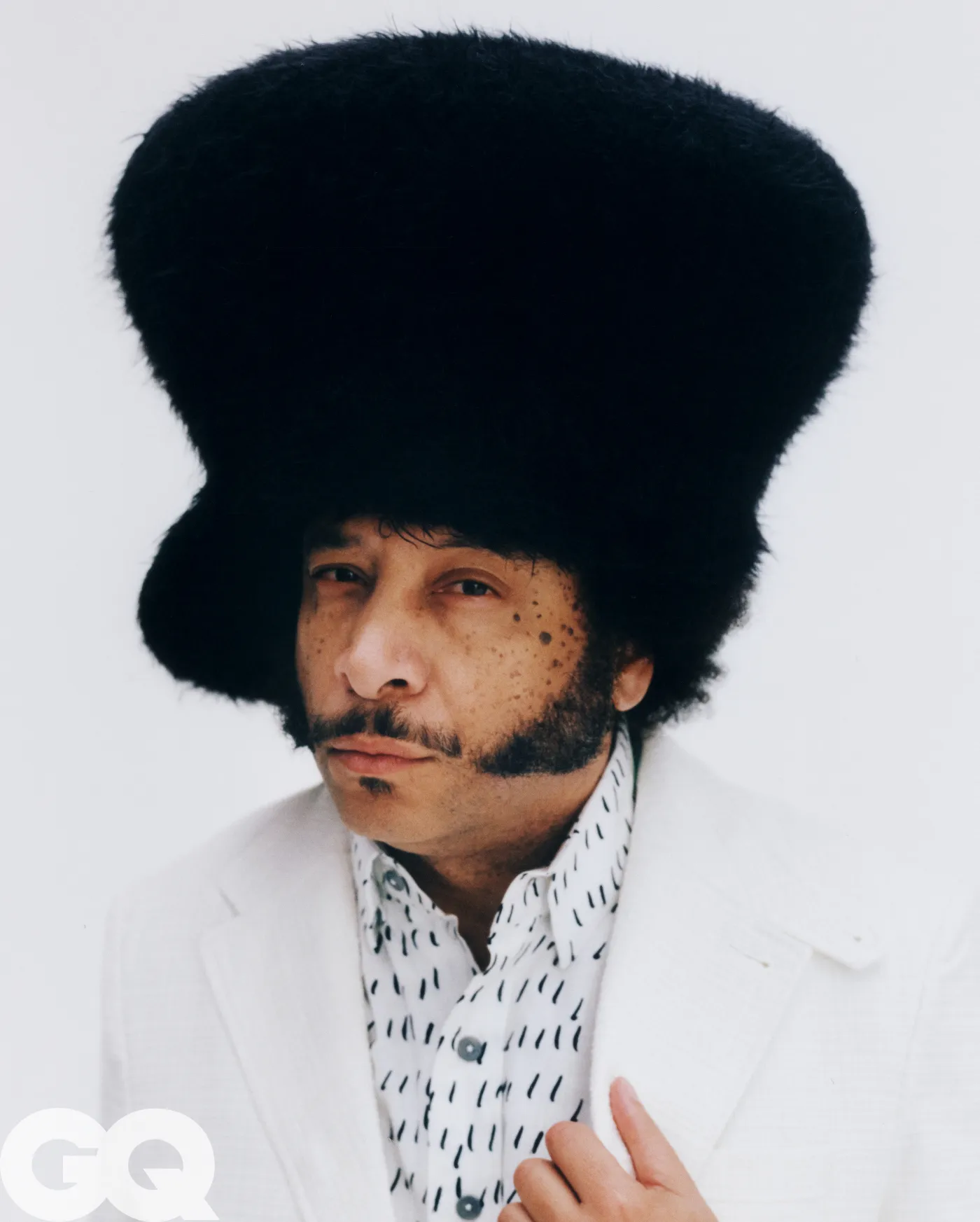
Cheadle imparts a key lesson learned from Riley: the courage to embrace mistakes and step beyond comfortable boundaries to discover creative richness. This ethos of continuous pushing and reinvention is vital for executives aiming to maintain a competitive edge and project an image of dynamic leadership. The collaborative spirit and artistic integrity displayed by both men offer a compelling model for navigating complex professional landscapes.
Business Style Takeaway: The sophisticated dialogue between Cheadle and Riley underscores how artful communication and a clear, consistent message—much like impeccable tailoring—can powerfully influence perception. Embracing bold, authentic perspectives, even when navigating complex systems, elevates an executive’s personal brand and demonstrates a commitment to substance.
За матеріалами: www.gq.com