

With the FIFA World Cup 2026 on the horizon, USMNT head coach Mauricio Pochettino has ample reason for optimism. The resurgence of Christian Pulisic, marked by a crucial goal against Senegal in their final pre-tournament friendly, signals strong individual form. Despite a narrow loss to Germany in their last warm-up match, the team exhibited a confident and dynamic performance, effectively easing any pre-competition anxieties. Furthermore, Pochettino’s own impeccable presentation is assured, courtesy of a new businesswear collaboration between the USMNT and Boss, who have curated the squad’s off-pitch attire for the tournament.
This Boss collection complements Pochettino’s sartorial evolution, transitioning from the sharply tailored, monochromatic suits synonymous with his Tottenham and PSG tenures to a more relaxed yet sophisticated aesthetic. The range features a versatile overshirt, ideal for varying climates, a classic two-button blazer, and elegantly wide-legged trousers designed to accommodate athletic builds. Crafted from Boss’s signature Performance Air Wool, sourced from Italy’s Reda mill, these pieces are engineered for both comfort and style, catering to diverse physiques from agile forwards to steadfast goalkeepers. Both blazer options are discreetly accented with a tonal USA insignia.

Elevated Off-Pitch Presence
GQ connected with Pochettino during his final preparations before the USMNT’s opening fixture against Paraguay to discuss the intersection of athletic performance and personal presentation, the impact of home-field advantage, and Christian Pulisic’s current form.
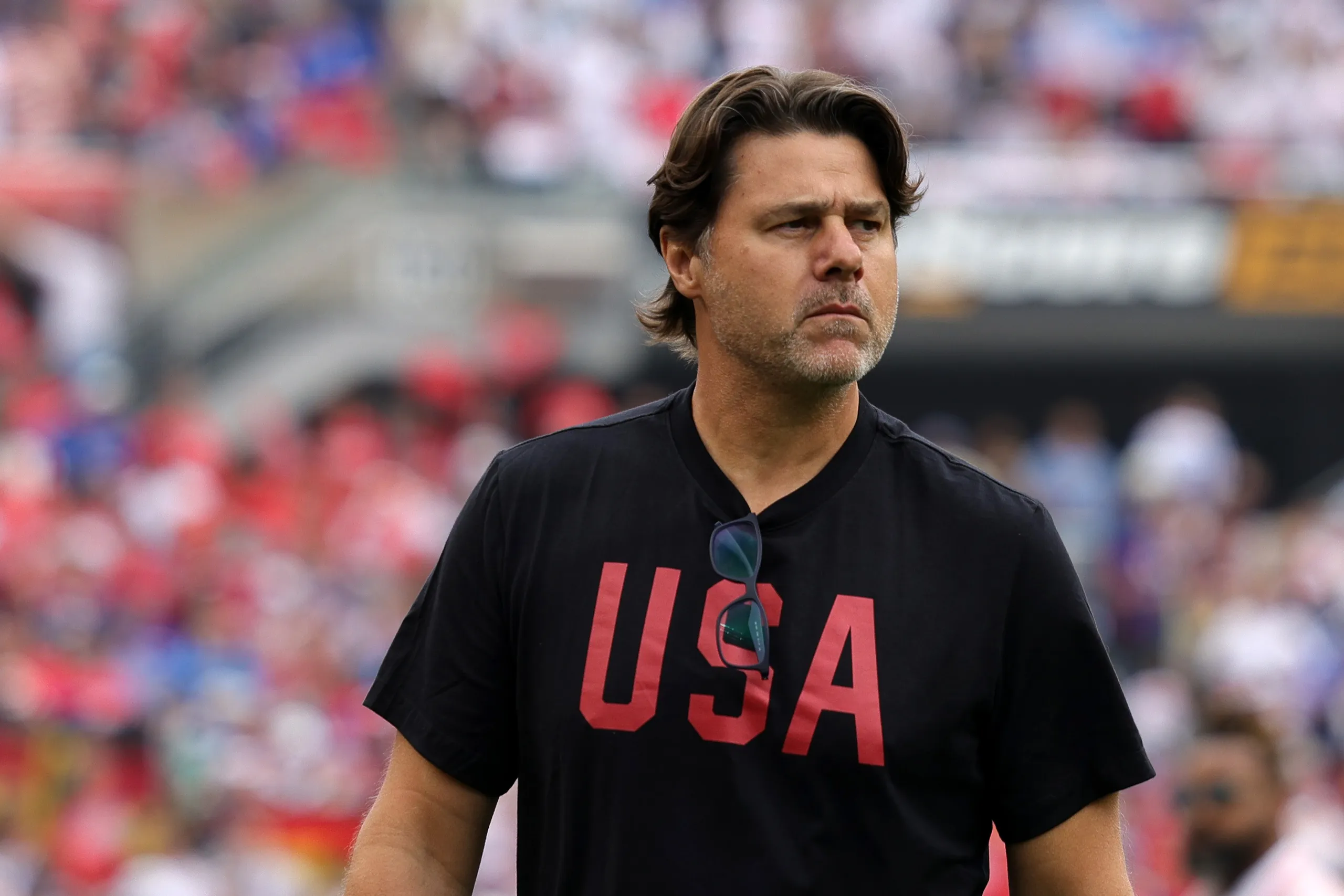
John Dorton/USSF/Getty Images
The Coach’s Wardrobe Philosophy
GQ: As you prepare for a match, how much thought do you give to your attire?
Pochettino: We consider our appearance throughout the week. While our primary focus is the game plan and strategy, we also allocate thought to our presentation. It’s a professional responsibility; our image reflects on the club and the association. This extends beyond the clothes themselves to our overall demeanor. Yes, all the coaching staff take this seriously.
It appears the sartorial standards for coaches have evolved from the more formal approach seen a decade ago. Reflecting on your time at Tottenham, suits and ties were the consistent choice. Do you feel a greater sense of relaxed formality now?
It’s a natural evolution, influenced by younger coaches and a more accommodating business environment. In my early career, such flexibility was unheard of. Legendary figures like Sir Alex Ferguson and Arsène Wenger epitomized professionalism, not just through their leadership but also their impeccable attire—suit and tie. This projected an image of seriousness and competence that mirrored the era. Today, society’s outlook is broader, and this is reflected in coaching attire.
Sir Alex Ferguson was known for his commanding presence, almost dictatorial at times, whereas contemporary coaches often adopt a more personal, conversational approach, frequently discussing player welfare and mental health. Do you perceive a shift towards more approachable coach-player relationships compared to your playing days?
Leadership styles certainly vary. The commanding presence and distinct personalities of figures like Ferguson and Wenger are indeed rare today. Modern coaches often prioritize a more friendly and understanding rapport. However, past coaches also fostered close relationships. Ferguson, for instance, was a mentor, a father figure, and a strong leader who was also deeply connected to his players. The core qualities of effective coaching remain, but today’s players are influenced by a different informational landscape. The significant difference is the absence of social media in the past, which necessitates a more cautious approach to player management today. Societal changes have undoubtedly reshaped these dynamics.
During your playing career, few athletes were front-row fixtures at Fashion Week. Now, many players leverage social media to showcase their style and possessions. How do you navigate this trend as a coach?
Modern athletes are adept at balancing their responsibilities. Their marketability extends to fashion endorsements and other ventures, transforming them into multifaceted brands. Our experience in Paris provided valuable insight into managing these external demands. We recognized that players, despite these opportunities, remain highly professional. Their commitment to training and performance is unwavering, paralleling their dedication to their personal brands.
The Aesthetics of the Sidelines
Many coaches now place greater emphasis on their sideline appearance. Do you find yourself appreciating a well-chosen suit during post-match handshakes?
[Laughs.] Absolutely. The attention to detail, from a fine watch to a well-fitted suit or a distinctive fragrance, is now common among managers. It’s about cultivating one’s personal brand. Presenting oneself effectively, whether in press conferences or other public engagements, is crucial. Authenticity, however, remains paramount.
Tournament Readiness
Regarding tournament preparations, players often face a condensed recovery period after a demanding season. How do you prioritize fostering team cohesion under such circumstances?
Over the past year and a half, we’ve focused on instilling a winning mentality and elevating our performance standards. The players’ dedication is evident, making management straightforward. Their concentration during training and team meetings is exceptional. We are in an excellent position regarding tactics, fitness, and mentality. I am confident in our readiness for the competition.
Following last year’s Gold Cup, you commented on the significance of fan support. With concerns raised about ticket accessibility and potential impact on home crowds for this tournament, what are your expectations regarding fan engagement?
My comments last year stemmed from recognizing the vital role of fan support. Our recent matches in Atlanta, New York, and Charlotte have showcased incredible fan energy, a clear indication that the World Cup excitement is building. We are already feeling the positive momentum.
Having experienced numerous high-stakes matches in prominent stadiums, how crucial is the atmosphere generated by home crowds, particularly in a knockout format?
My extensive experience across different countries, both playing and coaching, has shown me the profound impact of fan support. A vocal crowd can invigorize the team, providing crucial energy during critical moments and bolstering confidence to persevere through challenges. Their presence will undoubtedly be a significant factor.
Christian Pulisic’s recent goal against Senegal, his first after a challenging period, clearly meant a great deal to him, evident in his celebration. It must have been a considerable relief for him.
Certainly. His situation at his club [AC Milan] presented challenges, and while we respect club dynamics, his arrival offered an opportunity. We engaged in open dialogue, and the entire coaching staff was committed to supporting him. We have unwavering faith in his abilities. He needed a mental shift, and the supportive environment here in the USA, where everyone desires his success, has been beneficial. By adhering to our plan, he has regained his scoring touch and ability to create opportunities, as demonstrated in his first game back, where he scored and assisted within 45 minutes. This resurgence is invaluable for him and the team.
He mentioned feeling that US pundits were overly critical, particularly of him, and expressed a desire for greater team support. Is this a common sentiment?
This is a universal phenomenon. Whether in Argentina, Spain, France, or England, media commentary can often be negative, serving to capture attention. As an experienced individual, I tend to disregard such criticism. However, younger players can be affected by it. This is a prevalent issue across the media landscape today. Even after scoring multiple goals, the narrative can quickly shift to why more weren’t scored. As professionals, we must learn to filter this out. While many media professionals are constructive, a single negative remark can overshadow numerous positive ones. This dynamic exists globally.
Perhaps we all need to reduce our screen time.
Or utilize it more constructively for learning and personal growth, rather than allowing criticism to induce negativity.
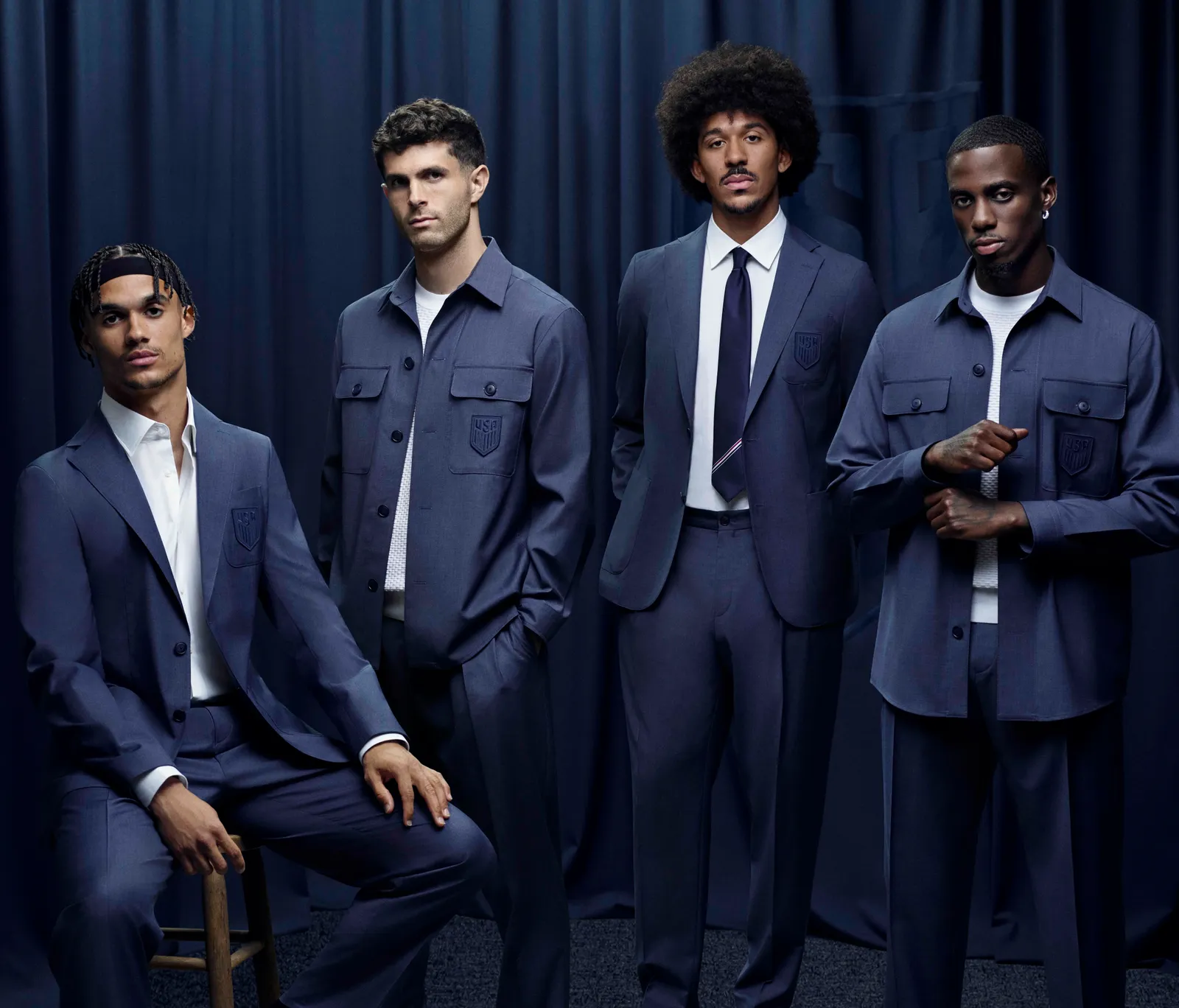
USMNT stars Antonee Robinson, Christian Pulisic, Chris Richard, and Timothy Weah model the squad’s new Boss businesswear collection.
Courtesy of Boss
Business Style Takeaway: The USMNT’s collaboration with Boss underscores the modern executive’s understanding that personal presentation is integral to brand building. This attention to detail in off-pitch attire signifies professionalism and elevates an individual’s presence, demonstrating a commitment to excellence that extends beyond the boardroom or the playing field.
За матеріалами: www.gq.com