

For a select group of discerning shoppers, Desert Vintage on the Lower East Side represents a veritable treasure trove. Amidst artfully weathered walls and quirky decor, one can find extraordinary pieces: a ethereal Prada dress from the spring 2008 fairy collection, a sharp python-skin Alaïa biker jacket, and a significant military-style coat from Martin Margiela’s spring 1993 line.
The Archivist’s Eye
In the dimly lit, garment-filled basement, Zachary Witter, the shop’s longest-serving employee, meticulously categorizes and dates the rare finds. He recently showcased a pair of striking wool prep school jackets from Nicolas Ghesquière’s iconic fall 2007 collection for Balenciaga. For those who value garments with a rich history over fleeting trends, these pieces are considered holy grails.
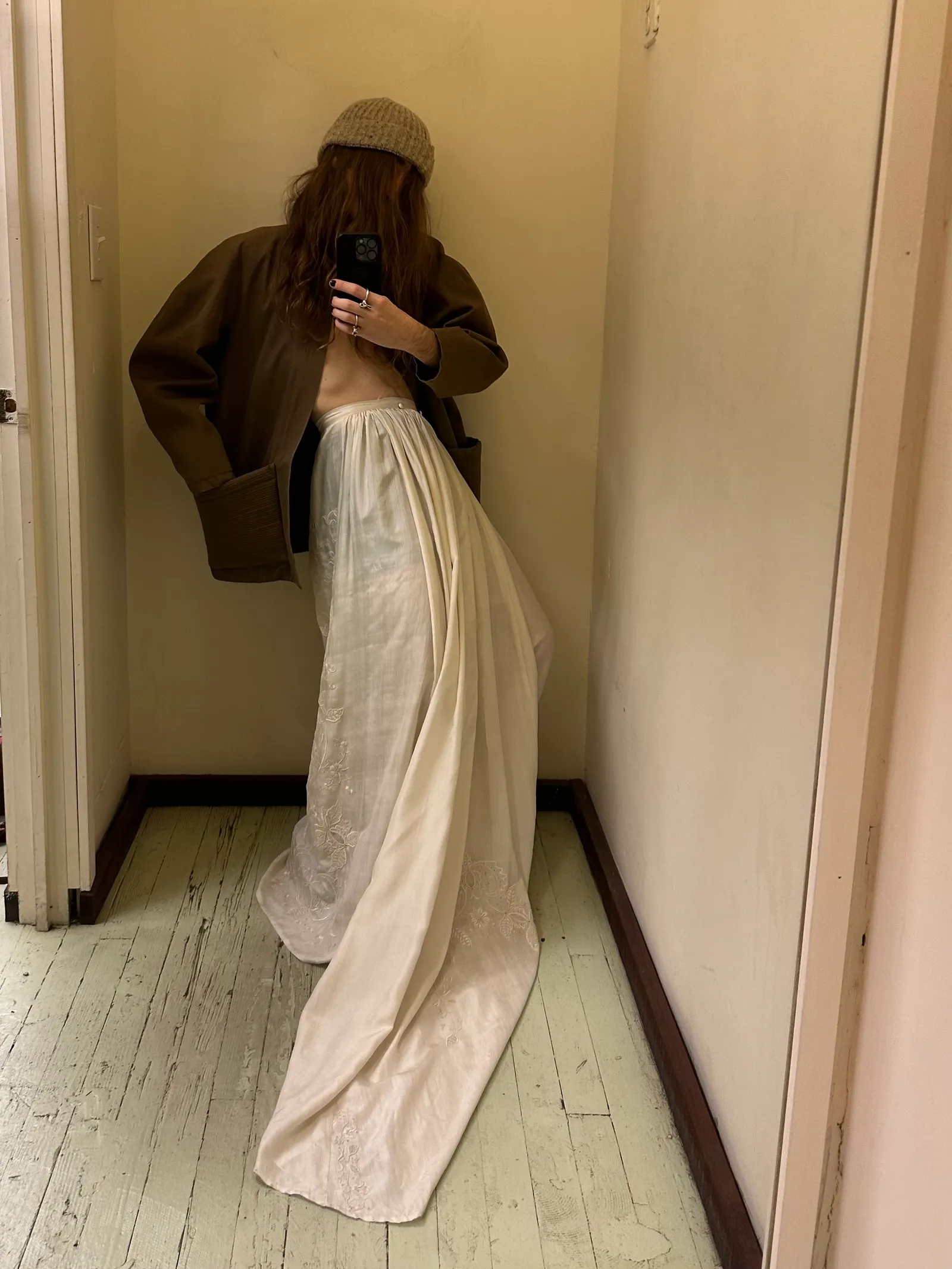
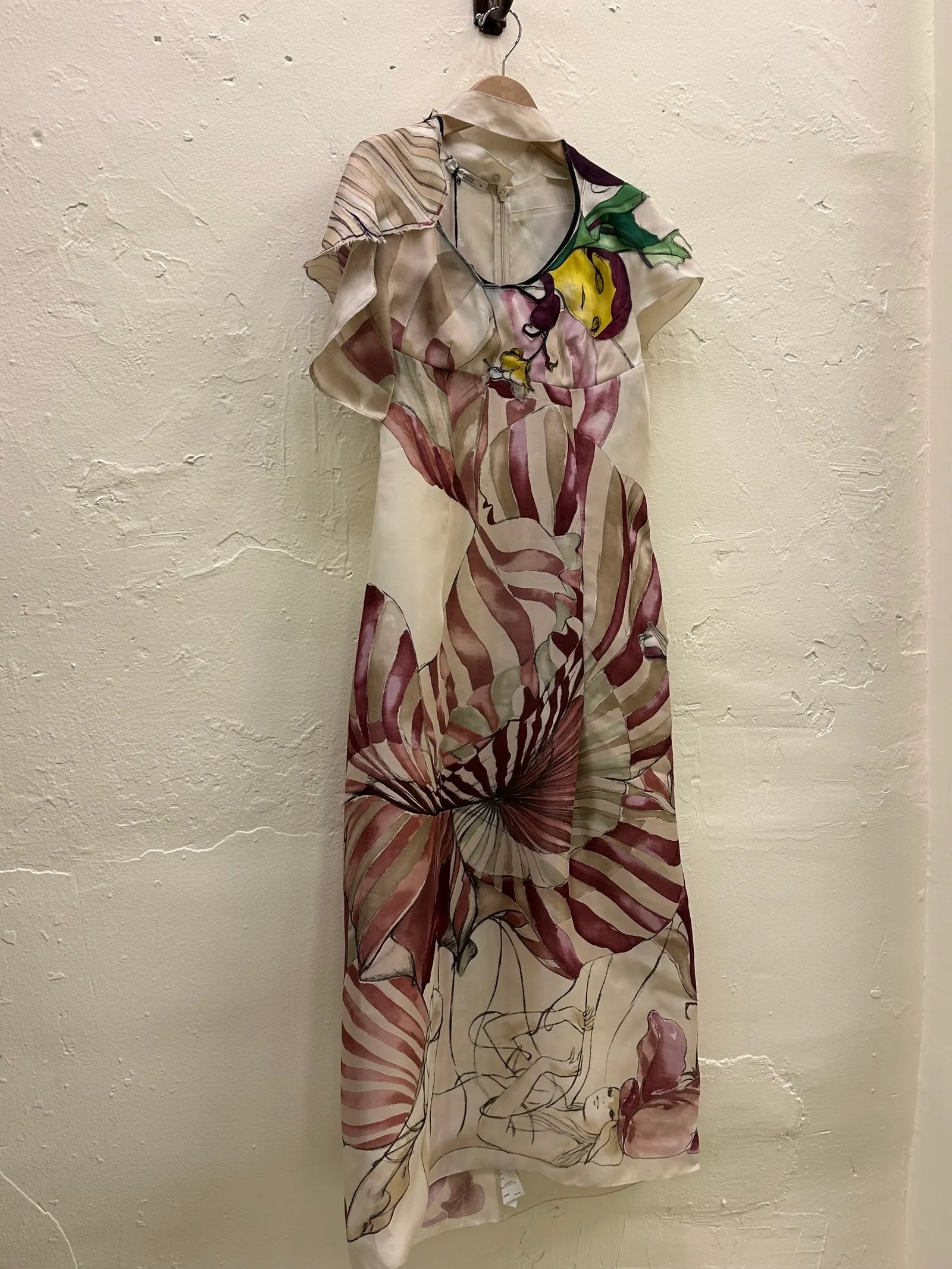
“I view these clothes as historical artifacts, tracing their lineage,” Witter explains. His expertise lies not in the technical aspects of garment construction, but in dating pieces by their labels and tags, a skill honed during his time cataloging the work of photographer Richard Avedon. His career path, initially focused on archival work in Tucson, a city chosen for its ideal preservation conditions, eventually led him back to fashion in New York.
Witter’s early fascination with art and fashion, including avidly watching runway shows online, naturally drew him to Desert Vintage. He saw the garments not just as clothing, but as cultural touchstones. This passion led Roberto Cowan and Salima Boufelfel, the shop’s owners, to offer him a role, initially to help establish the provenance and historical significance of their inventory.
“We’re positioning these items as historical and important, offering an educational service to our clients,” Witter notes. As the vintage market continues to flourish, his skills in identifying not only the era but also a garment’s place within a designer’s broader work are becoming increasingly valuable.
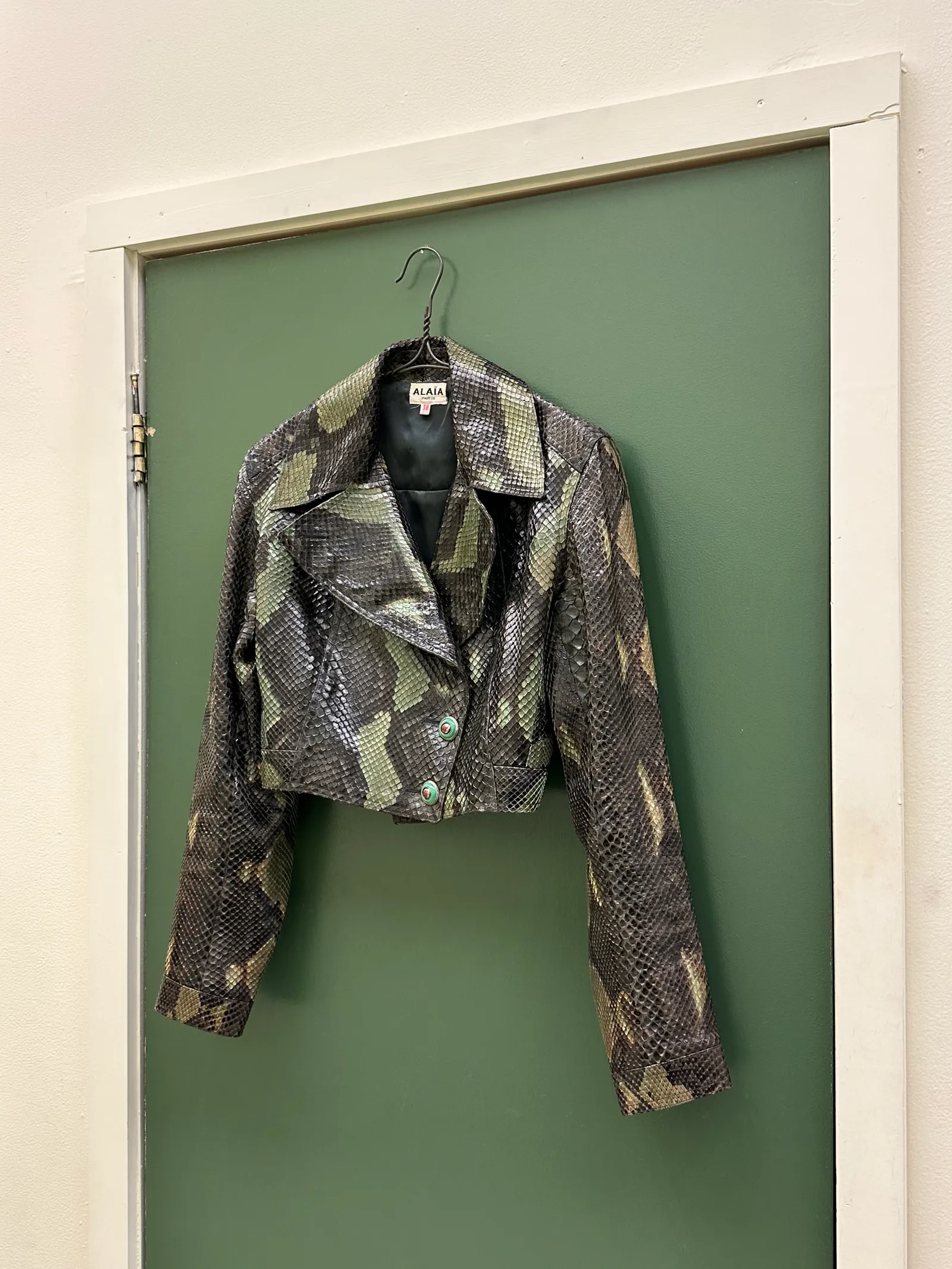

“When engaging with clients interested in high-end pieces, my role is to convey a narrative, not just sell a garment,” he emphasizes. Witter, with his distinct personal style favoring avant-garde Japanese designers, finds deep satisfaction in this work, which blends his archival training with an inherent meticulousness.
His ability to meticulously date garments, a skill refined over years of research into museum databases and fashion archives, allows him to pinpoint exact collections and seasons. He’s developed a keen eye for the subtle cues within care labels and manufacturing codes, transforming a potentially laborious process into a swift identification of a piece’s historical context.
This deep dive into garment details has revealed fascinating connections, such as the shared manufacturer between Romeo Gigli and Tom Ford-era Gucci, or Jean Paul Gaultier’s brief shift in production. These minutiae offer a unique lens through which to understand the broader history of the fashion industry, from shifts in quality to factory closures.


Witter’s expertise is often sought by those looking to acquire unique pieces with a compelling backstory. He once declined to take possession of a garment from Alexander McQueen’s final collection, deeming it too significant to simply acquire and suggesting it be donated to an institution.
Remarkable finds have surfaced unexpectedly: archival Issey Miyake pieces arriving in trash bags, or a rare Malcolm McLaren-Vivienne Westwood T-shirt discovered in a storage unit. These discoveries underscore the hidden histories waiting to be unearthed.
Beyond individual collectors, fashion design teams and stylists frequently visit Desert Vintage for inspiration. Witter anticipates that pieces from Demna’s era at Balenciaga and Phoebe Philo’s tenure at Céline will become highly sought-after collectibles. He also sees potential for Donna Karan’s 1990s designs to gain traction, drawing parallels to the recent resurgence of minimalist Prada and Calvin Klein pieces.
Witter observes a growing appreciation for the intrinsic details and construction of garments. “There’s a real interest in things that are noticeable to oneself, as everything is so documented,” he notes. “People are seeking to have these special moments with something in a tactile form, and it’s truly beautiful.”
He points to an Hermès bucket bag featuring the stamp of the defunct department store Bonwit Teller, a unique collaboration that speaks to the individuality of each piece. Similarly, a Vivienne Westwood shirt reveals tiny, hand-carved phallic symbols on its buttons, a detail originally gifted by John Waters.
“I love considering how these garments are referential to the human who inhabited them,” Witter muses. “It’s fascinating because you’re looking at these items as historical references, but then, also, there was an individual who lived their life within them.”
Business Style Takeaway: The increasing value placed on provenance and historical context in fashion highlights a shift towards discerning consumption. This trend elevates the importance of archival knowledge and storytelling, demonstrating that a garment’s legacy can be as significant as its design for the luxury market.
Learn more at : www.vogue.com