

In the immersive realm of digital entertainment, the lines between fantasy and personal expression are increasingly blurred. Beyond the thrill of gameplay and narrative immersion, players are finding profound connection through the ability to customize their virtual personas. This drive for self-representation within games is fueling a significant trend: the incorporation of culturally resonant fashion, allowing individuals to celebrate their heritage and explore diverse styles in a safe, virtual space.
The Rise of Cultural Couture in Gaming
As video games evolve into sophisticated platforms for storytelling and social interaction, the emphasis on character customization has amplified. Customizable outfits, or “skins,” have become a cornerstone of modern game design, fostering a deeper player-character bond. Notably, this trend is embracing cultural couture, weaving traditional and historical designs from various global communities into virtual wardrobes. This allows players to imbue their avatars with a sense of pride and cultural affirmation.
Dead by Daylight Introduces Indigenous Representation
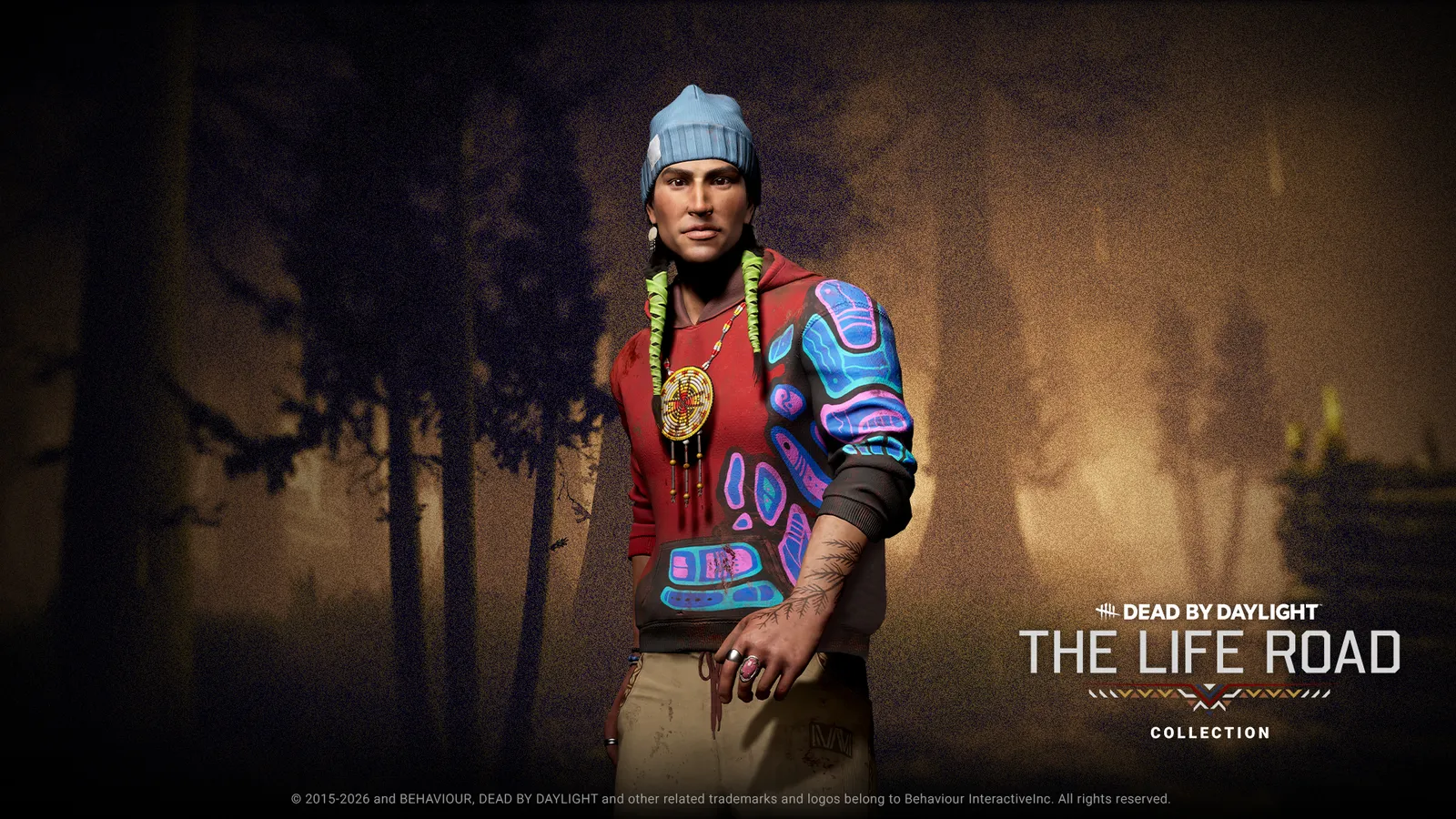
The asymmetrical horror game *Dead by Daylight* has made a significant stride with the introduction of its first Indigenous character, Shane Wiigwaas. This landmark inclusion is complemented by the ability for players to adorn Wiigwaas with authentic Anishinaabe powwow regalia. The meticulously recreated attire features intricate details such as a beaded vest, floral-embroidered breechcloth, a feathered headdress, and buckskin moccasins, representing a thoughtful approach to cultural depiction.
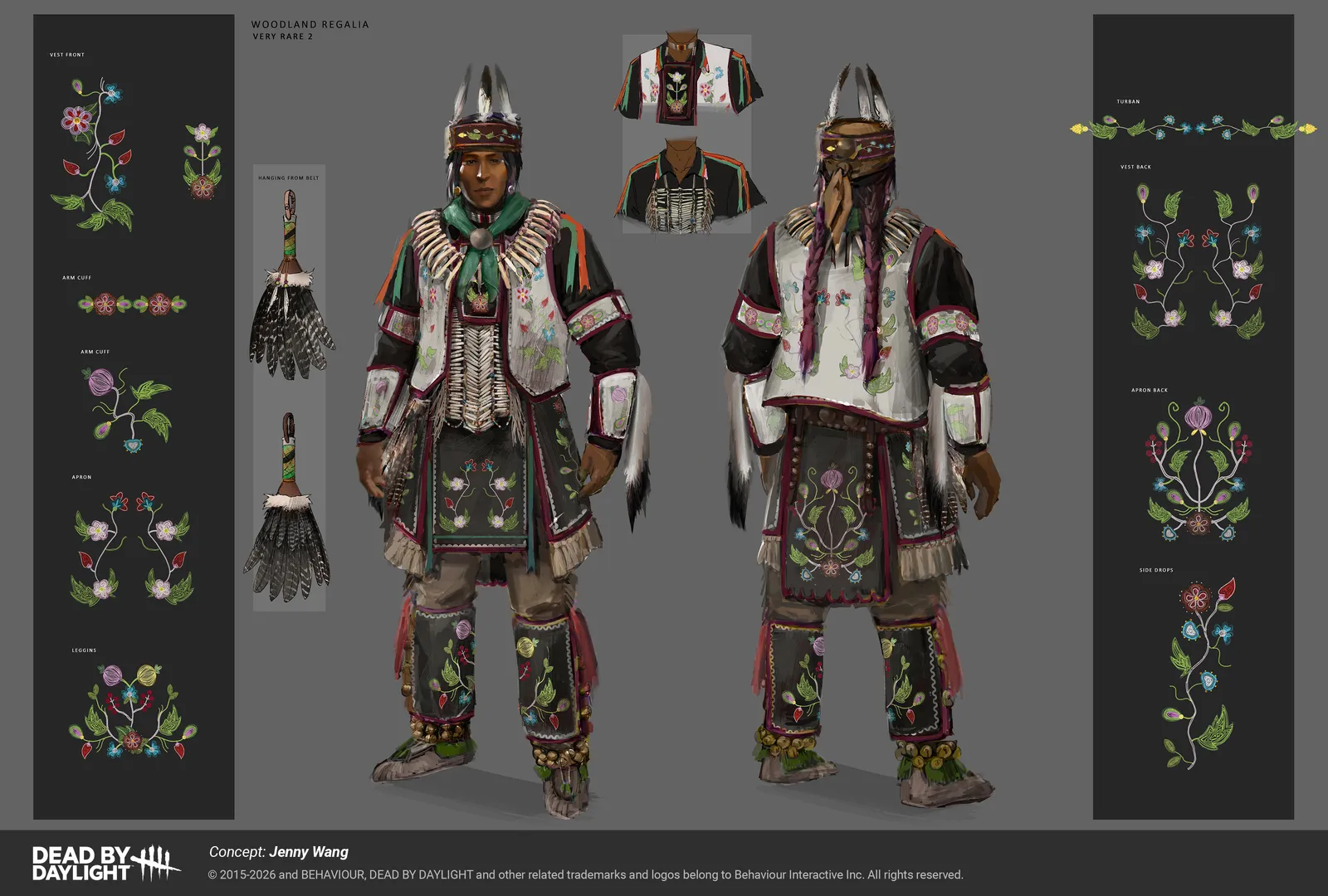
The development team collaborated closely with an Anishinaabe consultant to ensure the historical accuracy and respectful representation of Wiigwaas’s regalia. “Shane’s community is a huge part of who he is, and this was our opportunity to show the beauty and craftsmanship in the powwow outfits,” explains Sarah Robinson, associate art director for *Dead by Daylight*. “For this, we weren’t inventing something from scratch, but had to be careful that we didn’t copy or infringe upon the work of skilled craftspeople who make these amazing outfits. This meant meticulously researching embroidery, their history and meaning, and the overall construction of these garments, so that we represented their beauty and complexity authentically.”
Expanding Horizons: Global Fashion in Virtual Worlds
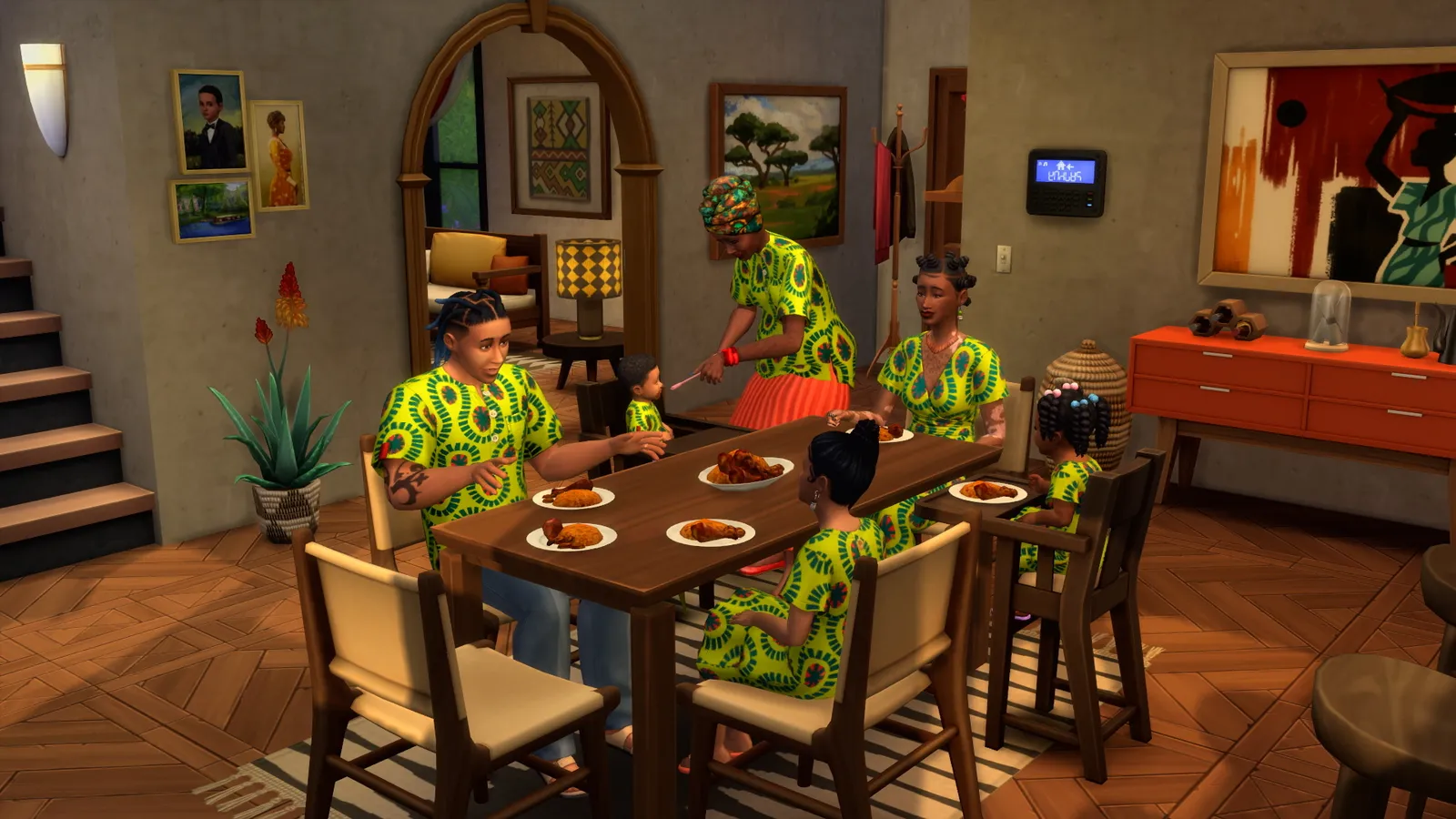
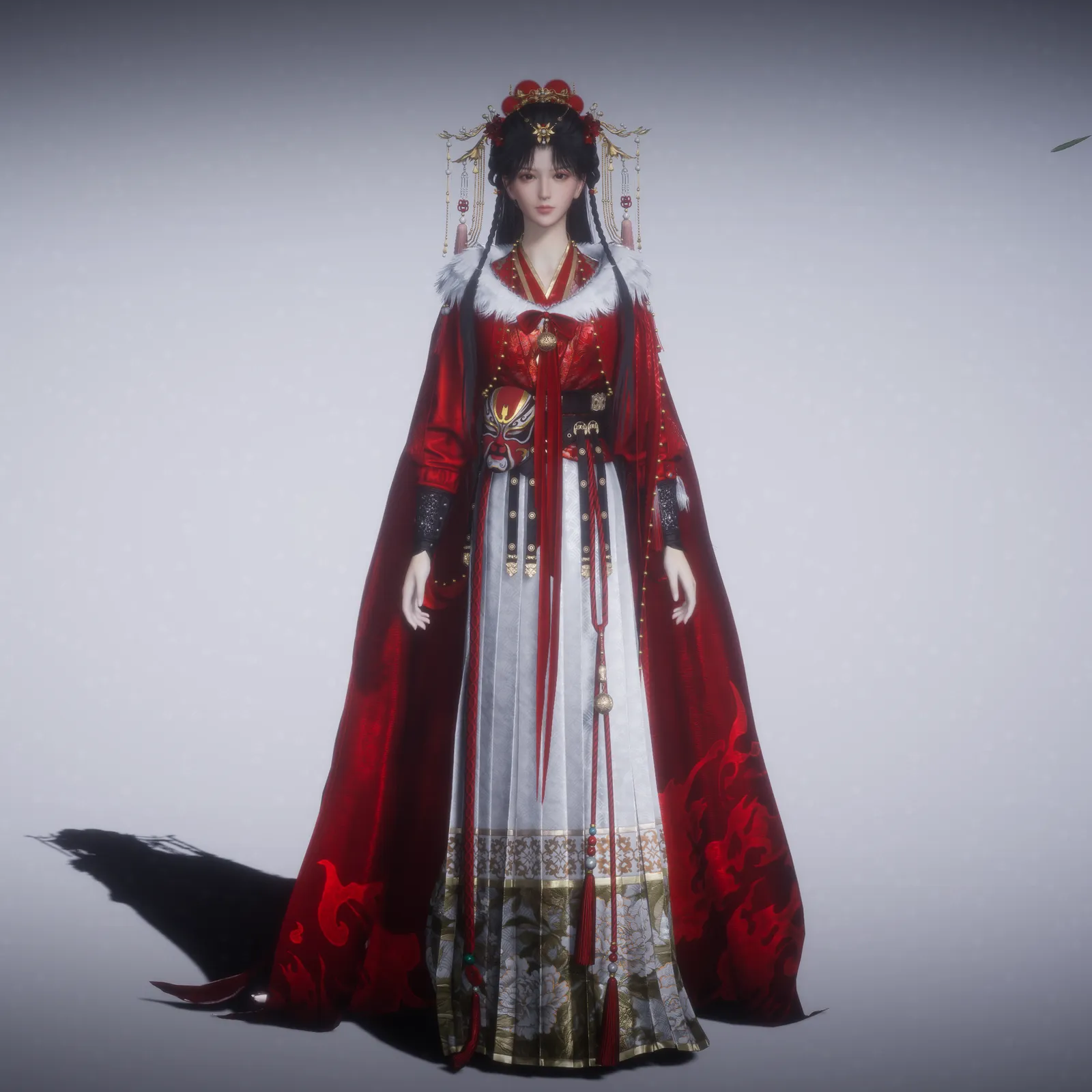
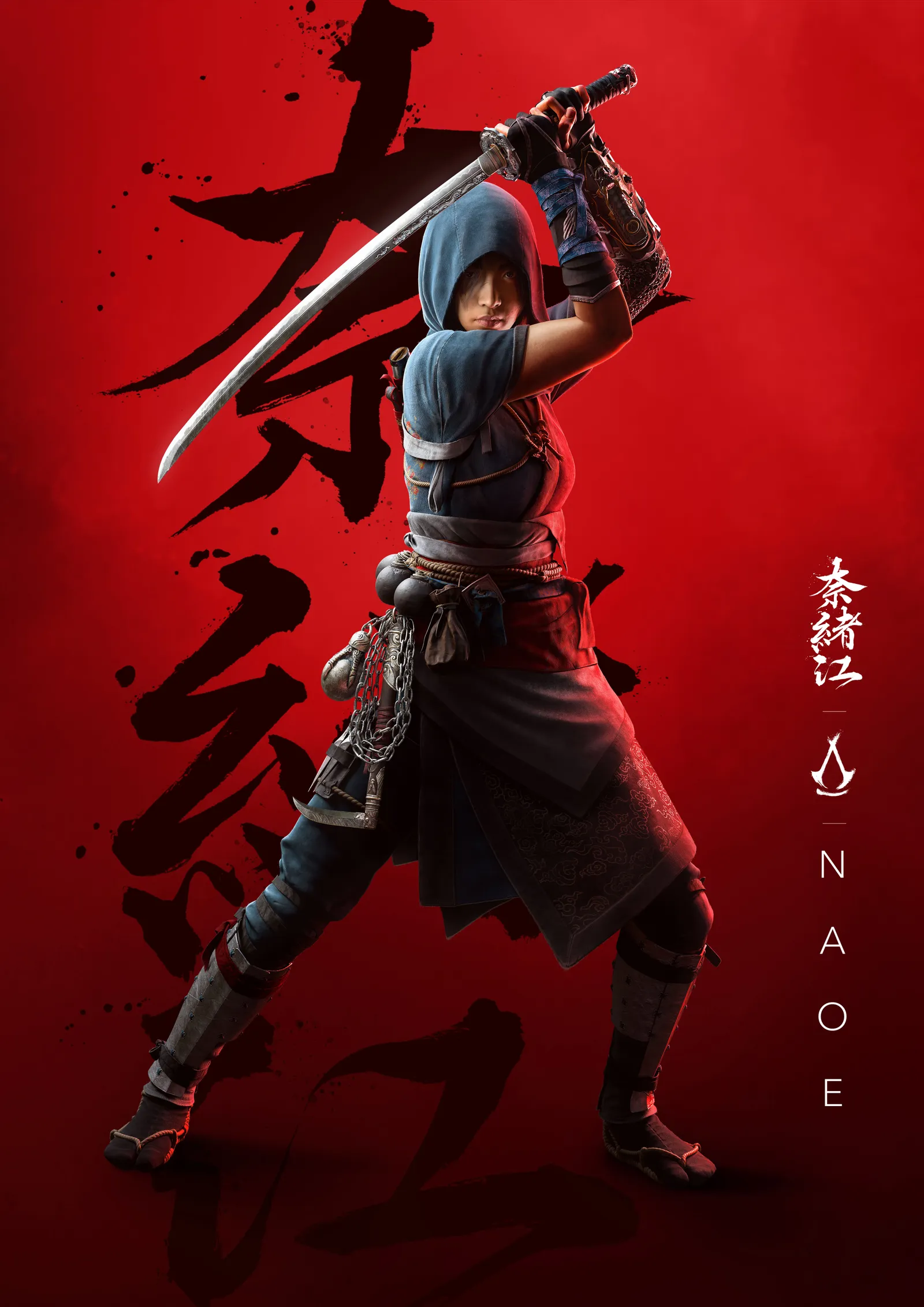
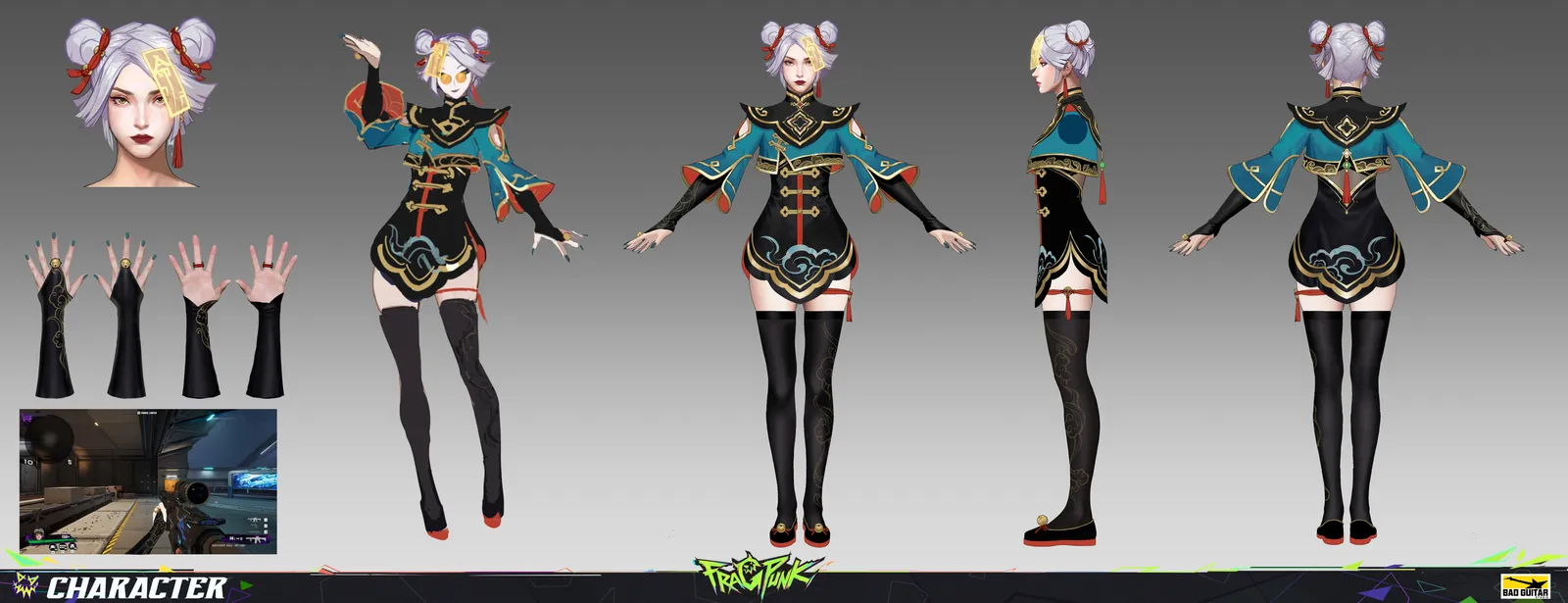
*Dead by Daylight* is not alone in its embrace of cultural aesthetics. Across various game genres, developers are integrating diverse virtual fashions. *The Sims 4* has introduced collections inspired by West African textiles, celebrating vibrant colors and prints. In the upcoming *Where Winds Meet*, players can customize characters with historically accurate Chinese attire like hanfus and qipaos. Even in action-oriented titles like *Assassin’s Creed Shadows* and *Fragpunk*, characters don themed outfits, from Shinobi robes to cyberpunk interpretations of traditional Chinese dress.
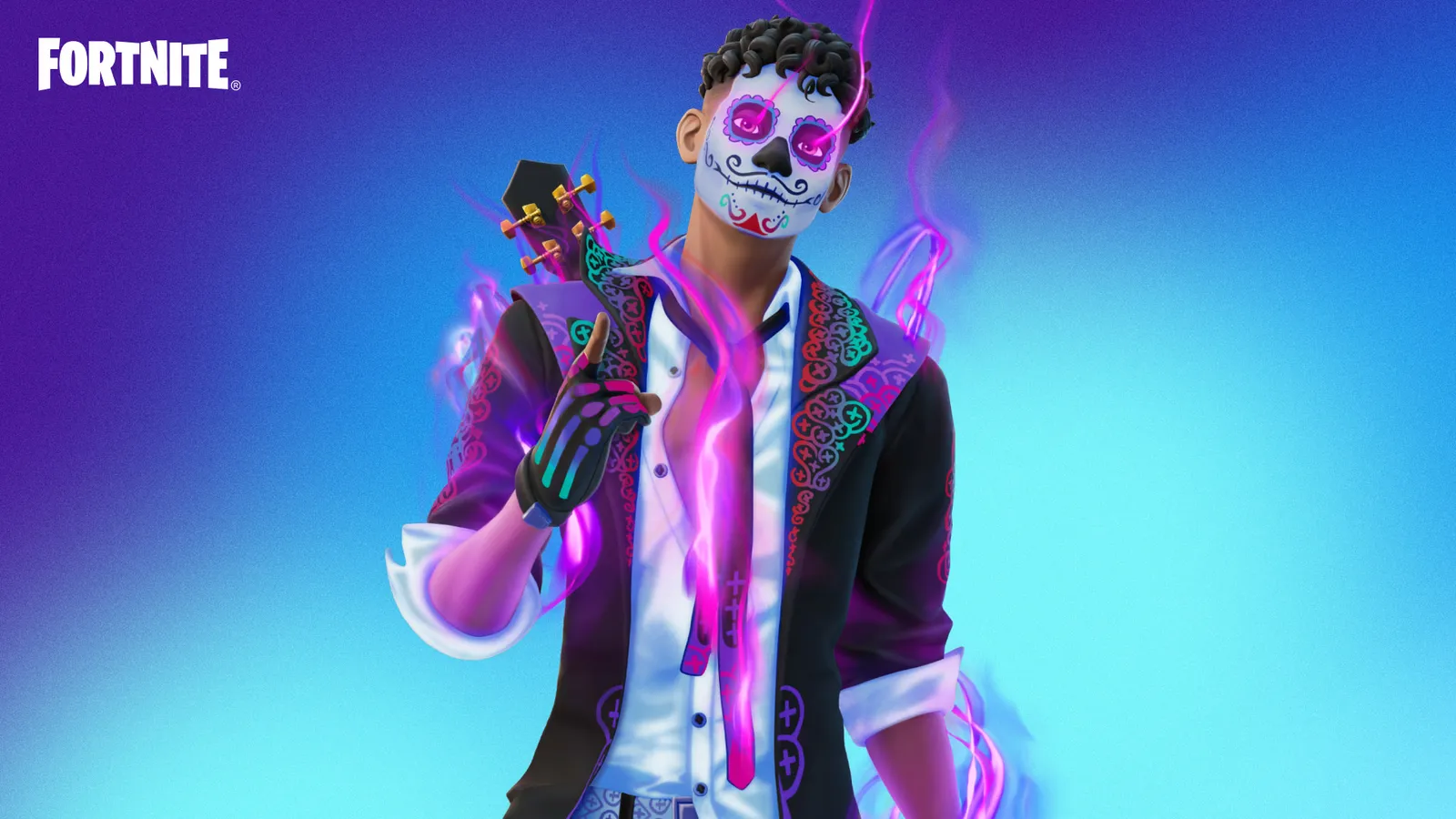
This trend mirrors the burgeoning relationship between the gaming industry and high fashion. Collaborations between luxury brands like Balenciaga and *Fortnite*, Louis Vuitton and *League of Legends*, and Coach and *The Sims 4* demonstrate a shared interest in leveraging digital spaces for style expression. Even *Fortnite* has featured a character, Salvador, in a traditional Mexican “Day of the Dead” inspired outfit, complete with calavera face paint.
The growing inclusion of culturally specific and accurately represented fashion in games is more than just a visual enhancement; it’s a powerful tool for representation. A study by the Geena Davis Institute on Gender in Media highlights that over 70% of respondents find it crucial for games to feature diverse characters. For developers, these virtual garments transcend mere aesthetics, serving as conduits for empowerment and identity exploration.
Fashion as Empowerment and Identity
As Robinson notes, “Fashion in games provides players with the same experience that it does in real life. You can explore different identities, moods, or styles that help show off different aspects of who you are. In video games, you can be who ever you want to be!” This sentiment underscores the profound impact of thoughtful representation in digital spaces, offering players the agency to express themselves and connect with their virtual selves in meaningful ways.
Business Style Takeaway: The integration of authentic cultural attire within video games signifies a sophisticated evolution in digital representation, mirroring luxury fashion’s increasing engagement with global heritage. This trend highlights the growing demand for diverse and meaningful content, influencing how brands approach inclusivity and cultural storytelling in both virtual and real-world markets.
Based on materials from : www.vogue.com