

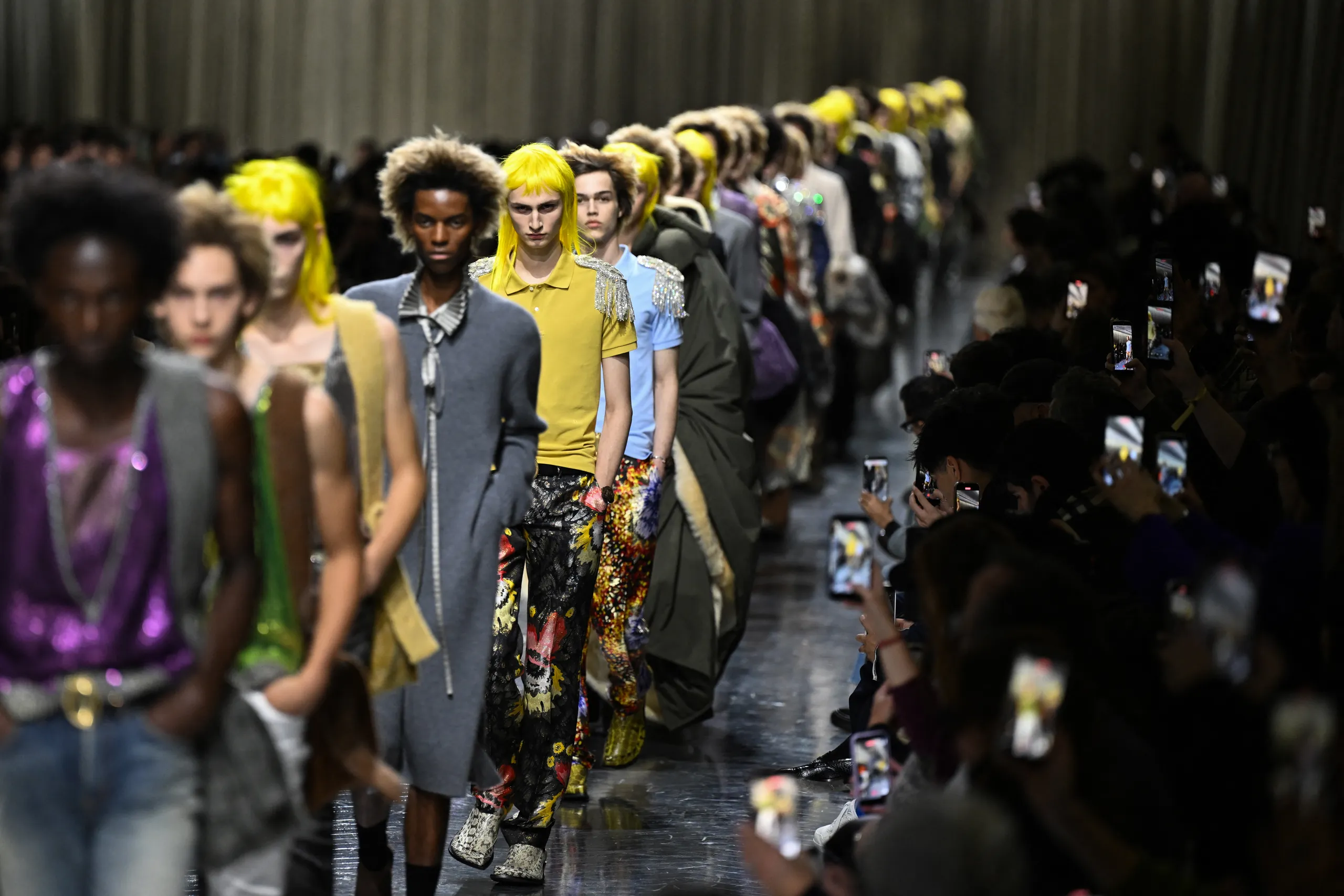
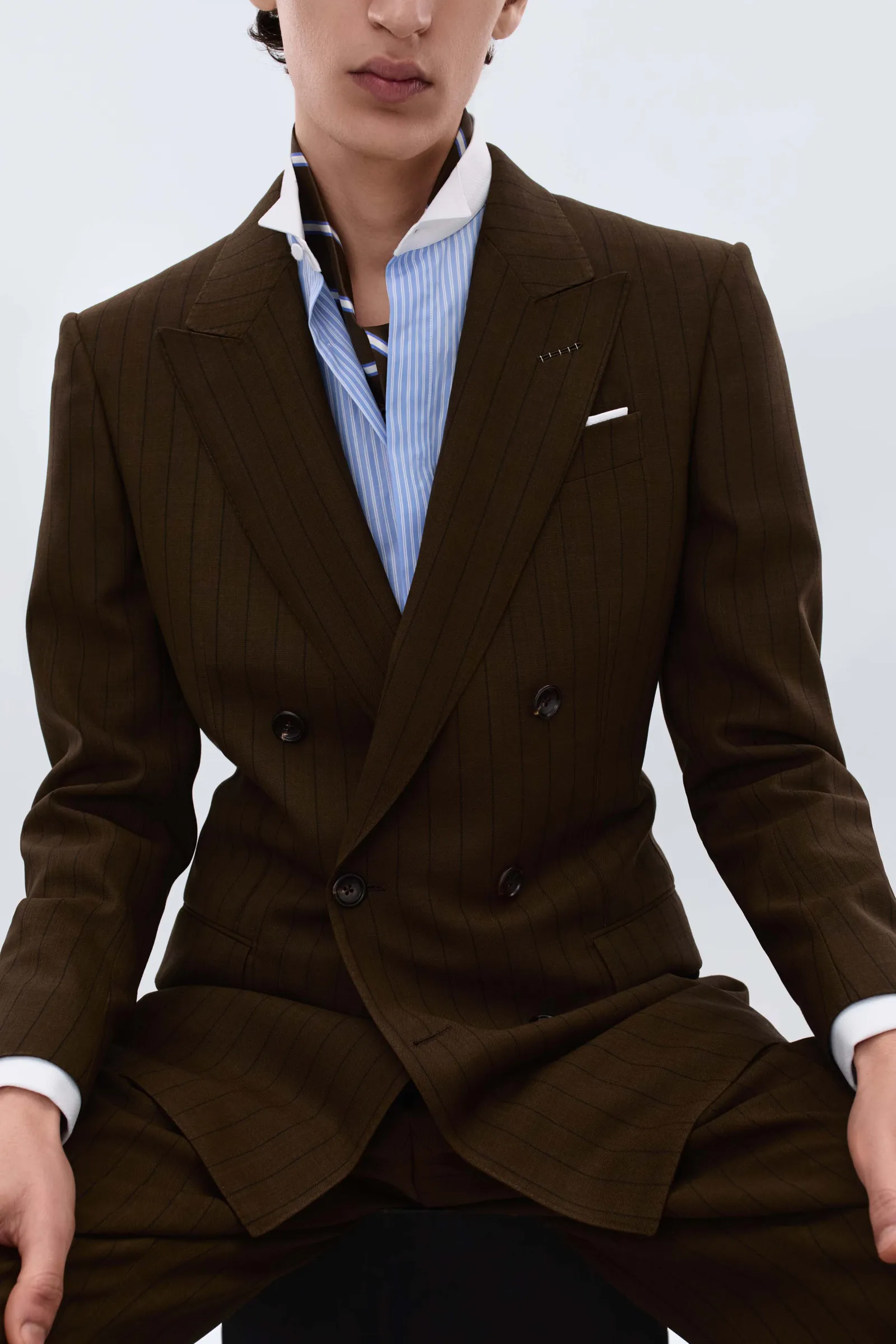
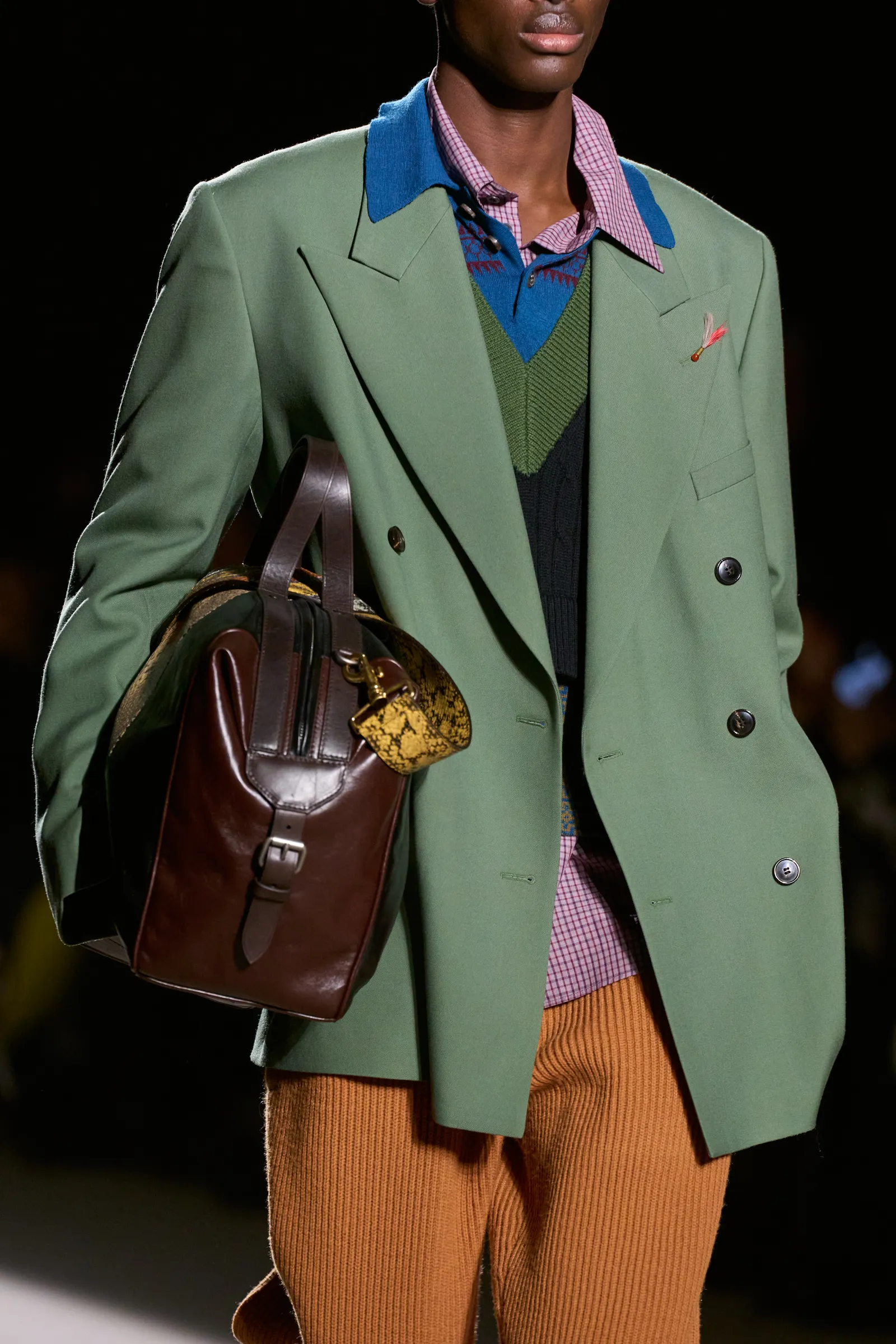
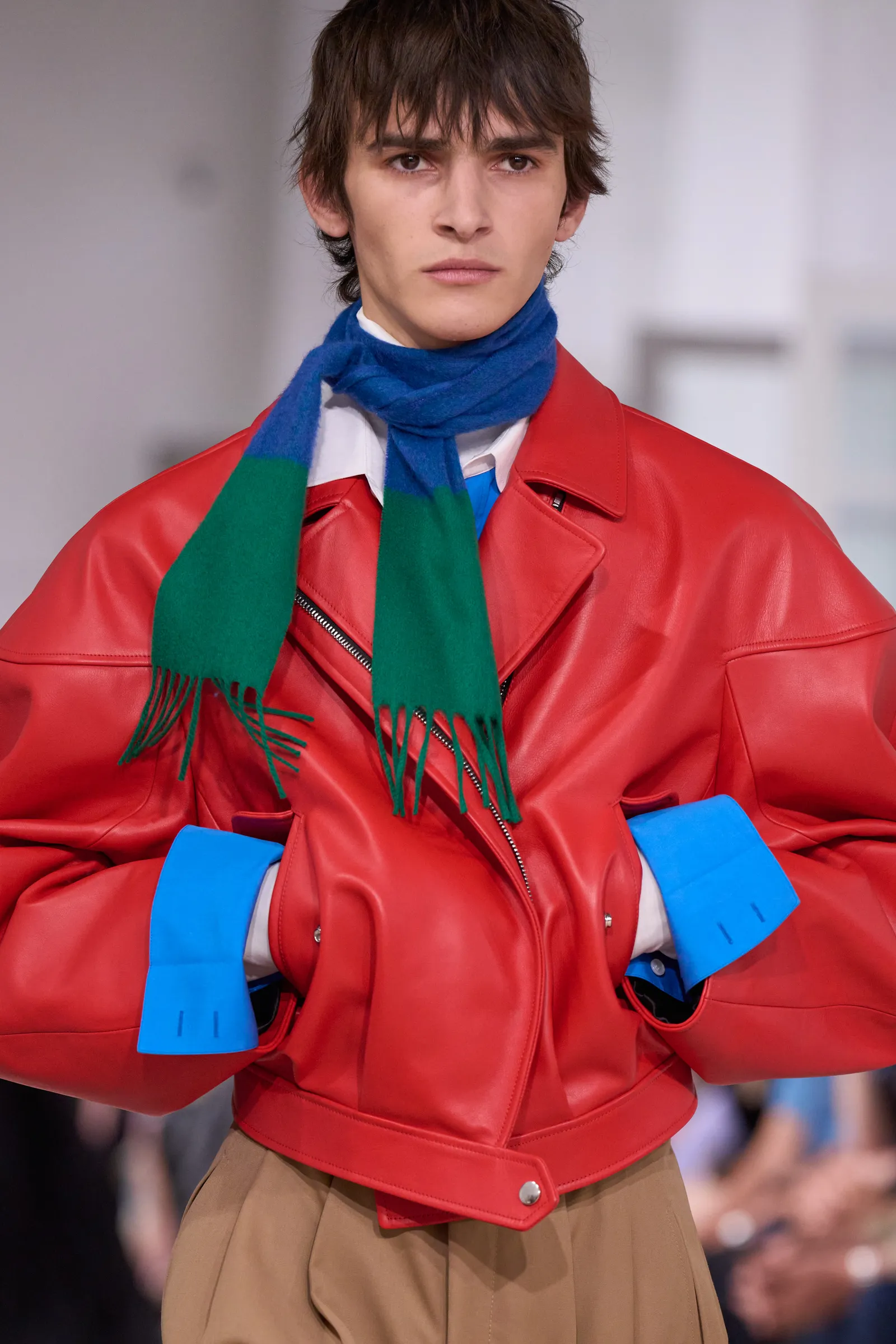
As the menswear landscape continues its dynamic evolution, the industry is witnessing an unprecedented embrace of fashion-forward aesthetics by a growing male demographic. The recent showings in Pitti, Milan, and Paris for Spring 2027 underscore this burgeoning interest, signaling a pivotal moment for men’s style.
The Vanguard of Contemporary Menswear
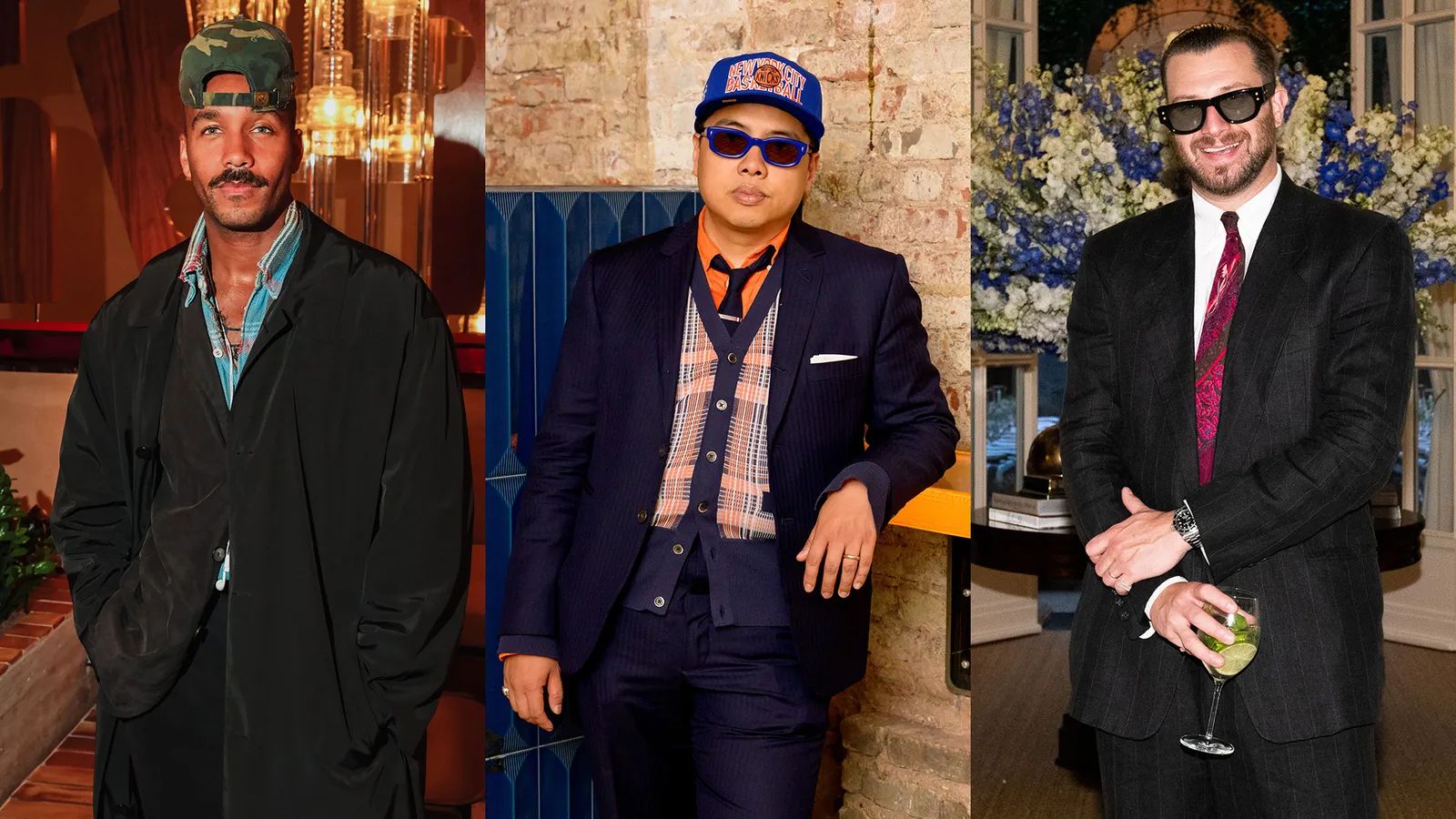
To capture the current zeitgeist, we consulted three astute voices: Marcus Allen, stylist and consultant at The Society Archive; Jian DeLeon, Men’s Fashion Director at Nordstrom; and Lawrence Schlossman, co-host of the popular podcast “Throwing Fits.” Their insights illuminate the designers and brands defining the forefront of menswear.
Jian DeLeon highlights Haider Ackermann’s tenure at Tom Ford as a masterclass in merging traditional tailoring with audacious luxury, creating pieces that empower men to embrace their sensuality. He also commends Thom Browne’s expansion into sophisticated denim and celebrates Zane Li’s Lii collection for its elegant, sporty nylon sets. Marcus Allen finds enduring value in The Row for its timeless appeal and impeccable craftsmanship. He expresses admiration for Commission and Raimundo Langlois for their distinct brand identities, distinct from the pervasive trend-chasing. Dries Van Noten, he notes, offers an immersive lifestyle experience, not merely clothing.
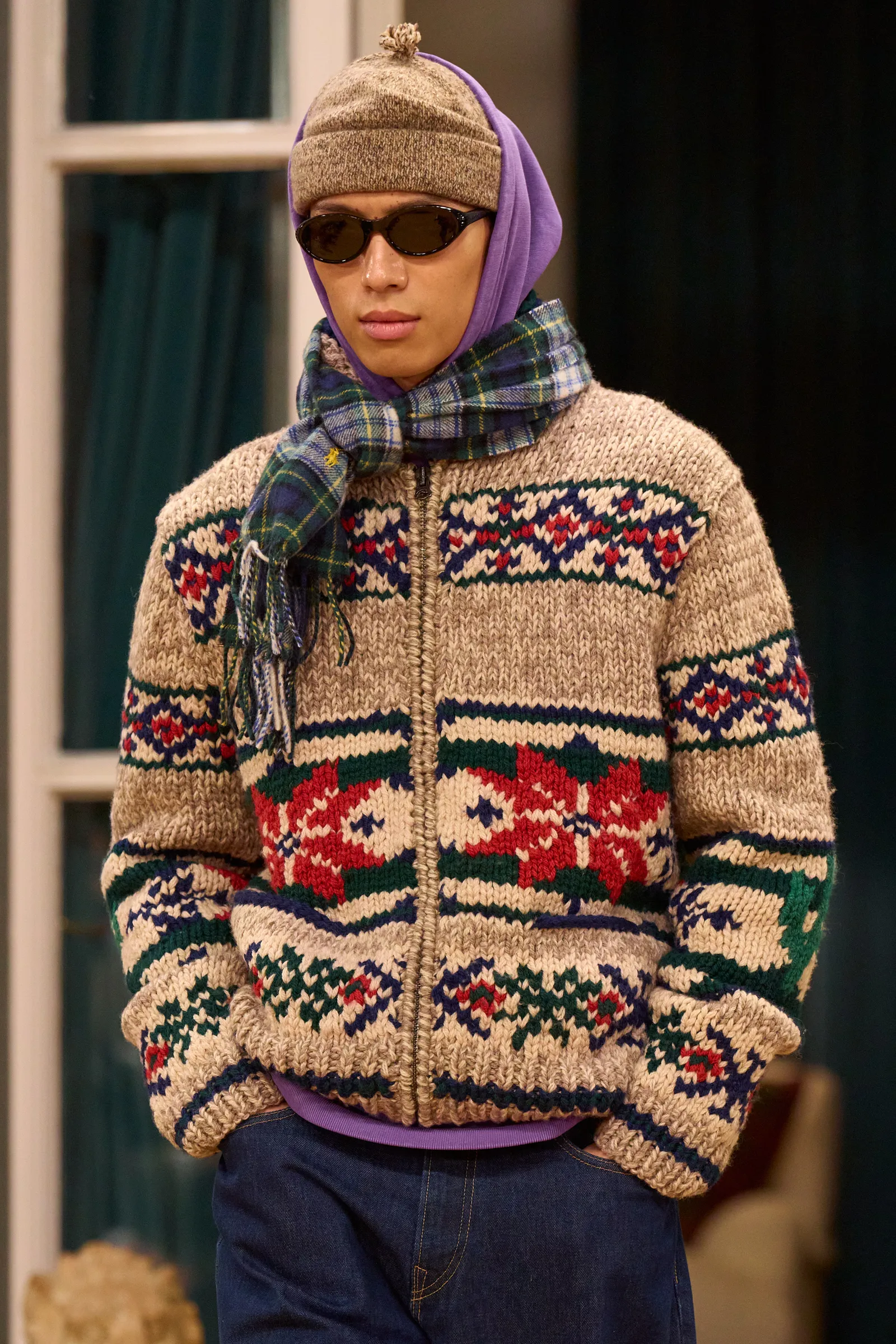
Lawrence Schlossman points to a new wave of Japanese designers such as URU, Niceness, Yoke, and Graphpaper, who offer understated yet refined pieces that eschew overt conceptualism. He also applauds Michael Rider’s direction at Celine for its accessible yet sophisticated take on modern menswear, and the undeniable resurgence of Ralph Lauren, which has recaptured its classic appeal.
The Shifting Sands of Trends and Influence
The concept of “trends” is evolving. DeLeon suggests that terms like “aura” and “vibe” have replaced traditional trend discourse, reflecting a personalized, algorithm-driven consumption of style. Schlossman acknowledges his appreciation for trends but laments the accelerating pace and the challenge of acquiring products before trends dissipate. Allen finds traditional trend definitions elusive, noting the prevalence of TikTok-driven aesthetics over a consistent personal sensibility.
Regarding fashion news, the consensus leans towards digital immersion. Instagram serves as a primary conduit, supplemented by newsletters and Substacks, offering a blend of insider information and enthusiast-driven content. Allen also revisits Vogue Runway for inspiration, while prioritizing tangible research through vintage books and magazines.
Retail’s New Narrative
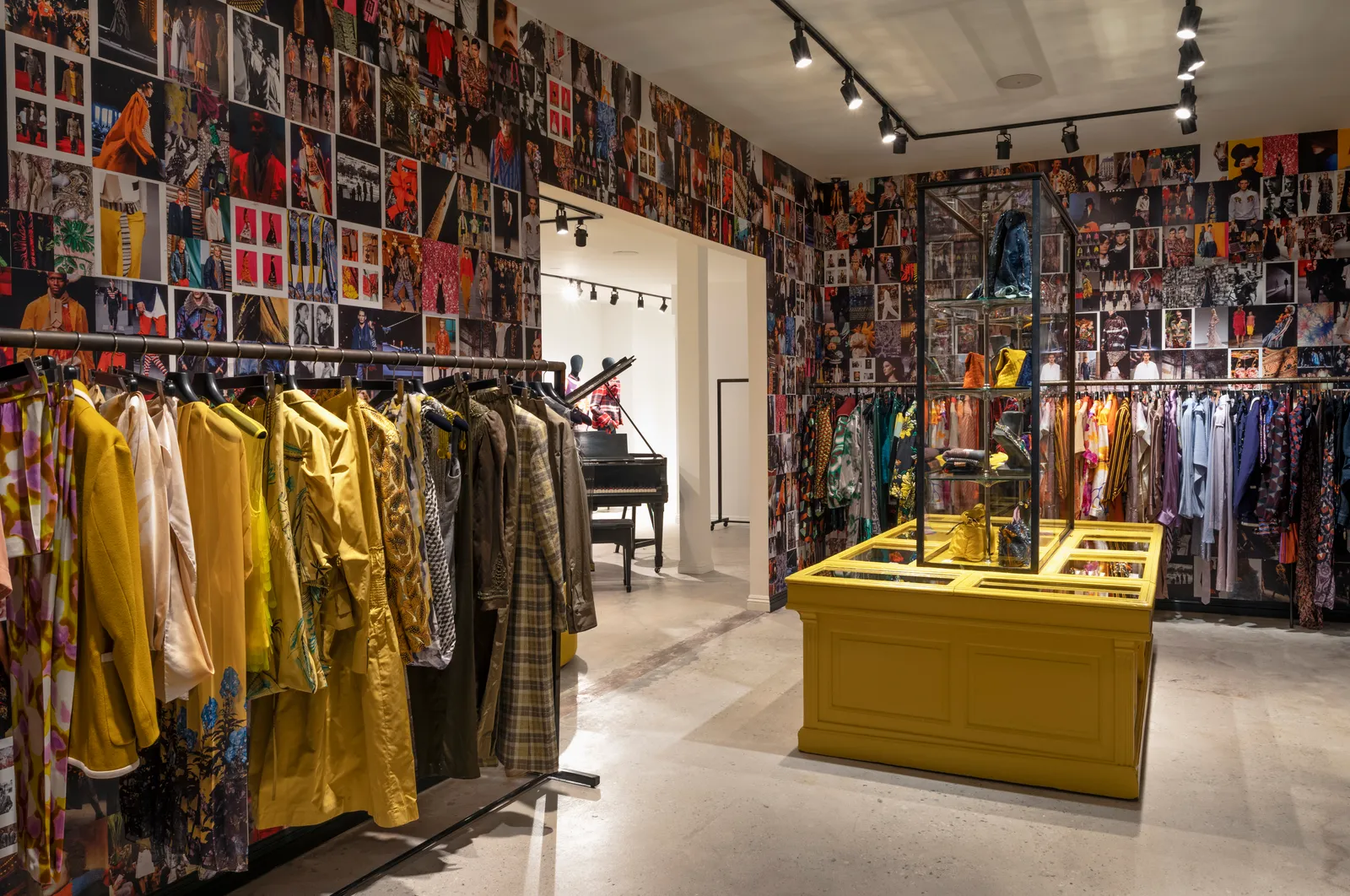
The retail landscape is characterized by a bifurcation: struggling department stores contrasted with the rise of niche boutiques. Schlossman champions vintage shopping on eBay for its affordability and curated discovery. Allen prefers the immersive experience of freestanding brand stores, lamenting the loss of multi-brand emporiums like Barneys, which offered a distinct brand world. DeLeon observes a parallel to the entertainment industry, where independent entities like A24 are thriving, mirroring the success of independent retailers and brands that offer unique discovery outside mass culture.
Fashion Week’s Evolving Role
Fashion Week is perceived as an industry-centric event, with its relevance to the broader consumer base diminishing. Schlossman argues that the spectacle is primarily for industry insiders, while consumers engage through social media and retail availability. Allen expresses a desire for shows to prioritize genuine craftsmanship and creative vision over influencer-driven spectacle. He notes a lack of distinct American menswear vision, with exceptions like Aubero showcasing a unique point of view.
The Power Players
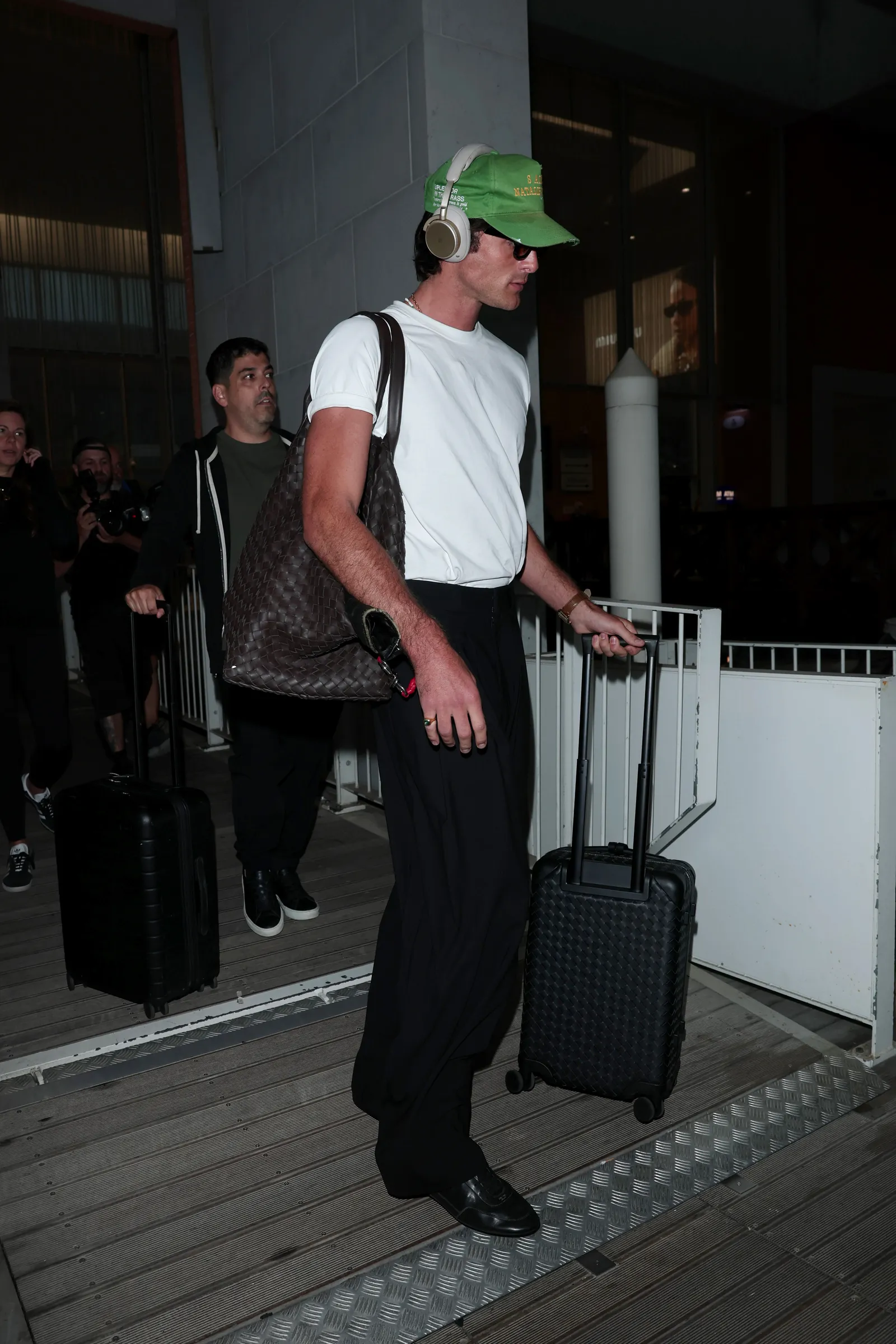
Influence in menswear is multifaceted. DeLeon attributes significant sway to brands themselves, alongside creators like Wisdom Kaye who use fashion as self-expression. However, he notes that the brevity of platforms like TikTok can hinder in-depth fashion discourse. Allen points to celebrities like Jacob Elordi and Harry Styles, whose style resonates with a general audience, while he personally draws inspiration from timeless figures like Keanu Reeves and Brad Pitt. Schlossman focuses on individual style, following creators with compelling personal aesthetics regardless of follower count.
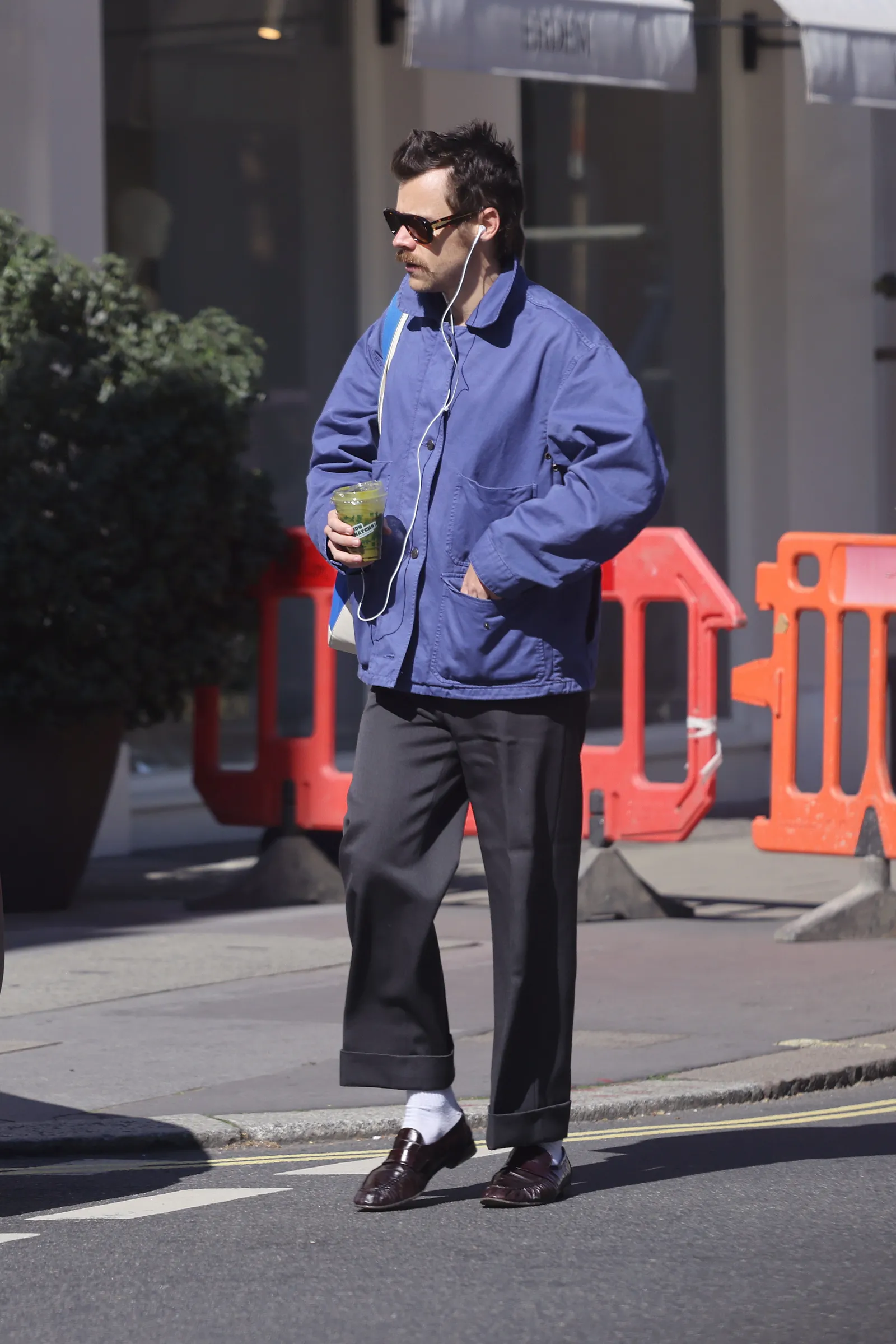
DeLeon points to the impact of shows like *Mad Men* and the romantic resonance of JFK Jr. and Carolyn Bessette-Kennedy for Gen Z as pivotal moments that shaped male dressing habits. Schlossman emphasizes personal style and the discovery of individuals who inspire unique ways of combining pieces and exploring new trends.
A Decade of Transformation
Over the past decade, menswear has transformed from a niche interest to a significant cultural force. Schlossman notes the surprising expansion of menswear into a legitimate hobby, acknowledging the boom ignited by streetwear and the influence of figures like Kanye West and A$AP Rocky. DeLeon observes a generational shift, with younger demographics redefining trends while millennials and Gen X settle into established tastes. Allen celebrates the increased freedom and openness for men to express themselves through fashion, even if influenced by digital trends.
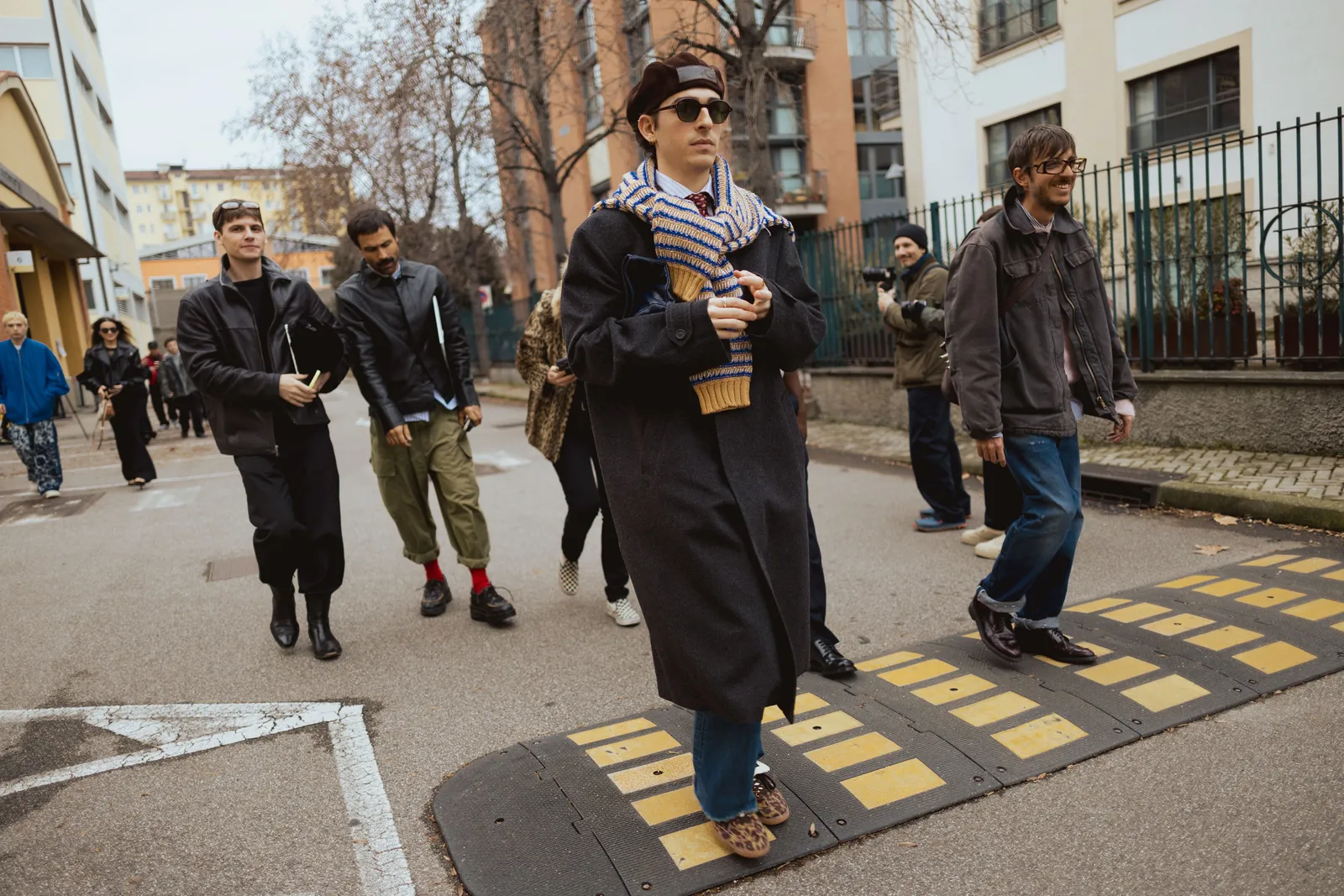
The Horizon of Menswear
Looking ahead, DeLeon anticipates a growing appreciation for artisanal craftsmanship, citing brands that embody a vintage feel with contemporary quality. He highlights the enduring relevance of foundational staples like jeans, emphasizing their continuous reinterpretation. Allen foresees a rise in “treat” items—accents and accessories that offer a touch of flair, potentially drawing inspiration from womenswear with masculine wearability. Schlossman predicts a cyclical return to experimentation and “weirdness” following the current emphasis on classicism and timelessness.
Business Style Takeaway: The evolving landscape of menswear reflects a sophisticated consumer demanding authenticity, craftsmanship, and personal expression. Brands that can masterfully blend timeless appeal with innovative detailing, while fostering direct engagement, will capture the attention of this discerning professional audience.
Learn more at : www.vogue.com