
The closing weekend of the 2026 Cannes Film Festival saw a surprising shift on the red carpet, with emerging film “Club Kid” by Jordan Firstman generating significant buzz and securing a substantial deal with A24. Concurrently, celebrities adhered to the festival’s stringent dress code, presenting a unified front of polished glamour. From jury members like Demi Moore and Ruth Negga to the habitually trend-setting Kristen Stewart, attendees showcased an array of bespoke and runway-fresh ensembles from the industry’s leading fashion houses. This year’s festival appeared to signal a return to current-season dressing, potentially eclipsing the recent trend of archival fashion.
The End of an Era for Archival Dressing?
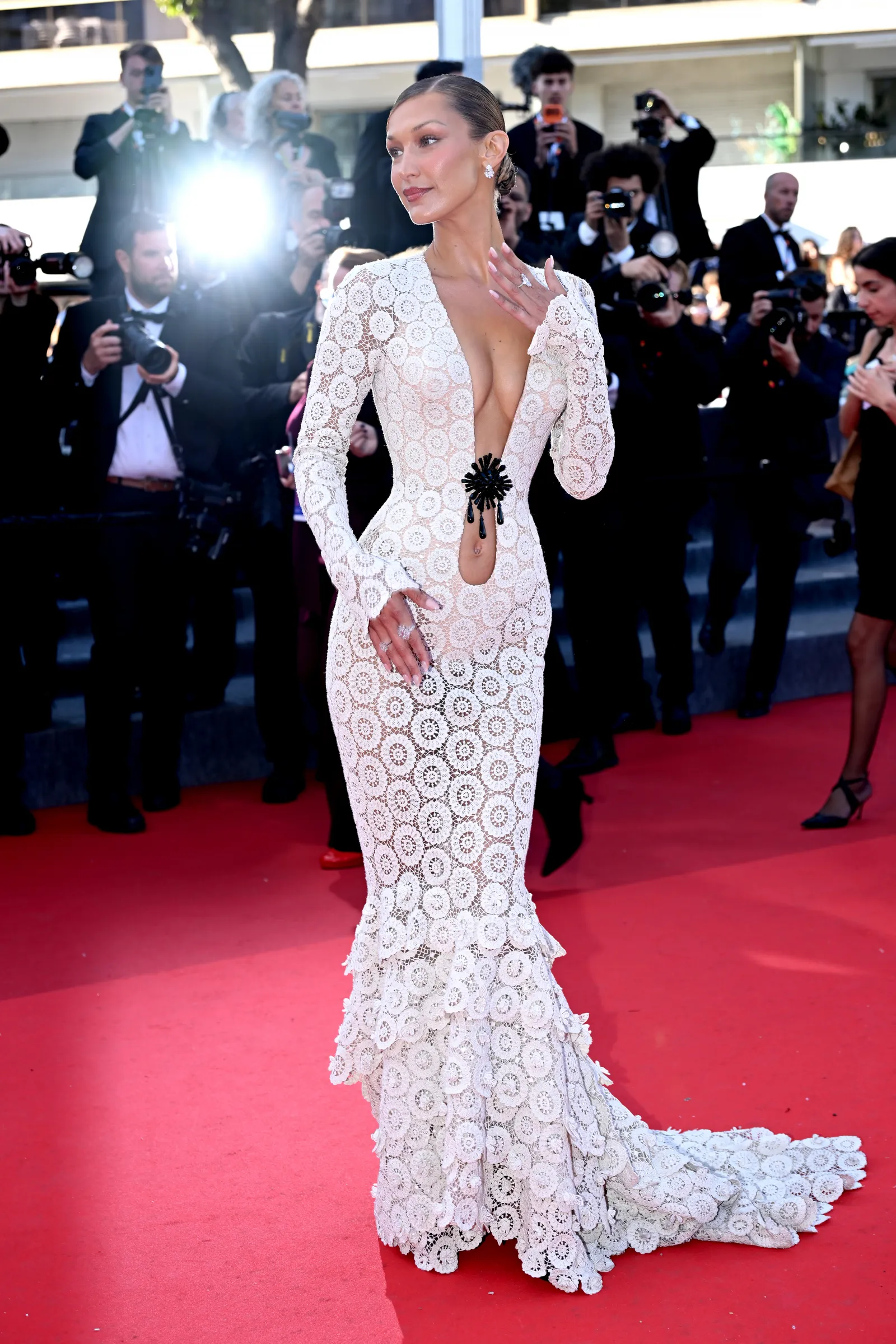
Historically, the Cannes red carpet has been a stage for opulent vintage pieces. In recent years, this fascination with the past was evident, with notable appearances including Amal Clooney in Dior by John Galliano, Naomi Campbell in a 1997 Chanel couture gown, Simone Ashley in an Alexander McQueen spring 2000 set, Rooney Mara in a 1956 Givenchy frock, and Bella Hadid’s celebrated vintage selections from Jean Paul Gaultier to Tom Ford-era Gucci. While Ashley and Hadid continue to champion vintage, there’s a discernable decline in archival appearances across the board. In its place, a resurgence of reimagined designs has emerged; Bella Hadid’s crocheted Schiaparelli dress echoed Jane Birkin’s iconic Pucci gown, and Anastasia Andrushkevich’s powder blue chiffon creation mirrored Princess Diana’s 1987 ensemble.
The New Guard: Current Collections Take Center Stage
According to Kristen Stewart’s stylist, Tara Swennen, the heightened focus on luxury brand partnerships and ambassador dressing has transformed red carpet events into a micro-economy. With new creative directors debuting collections, the opportunity for actors to wear these fresh designs is paramount. “The most stylish clients, however, know how to perform a balancing act composed of honoring the house, dressing for the event’s requirements, and, hopefully, expressing themselves, which has become the most important factor: the need to stand out,” Swennen notes.
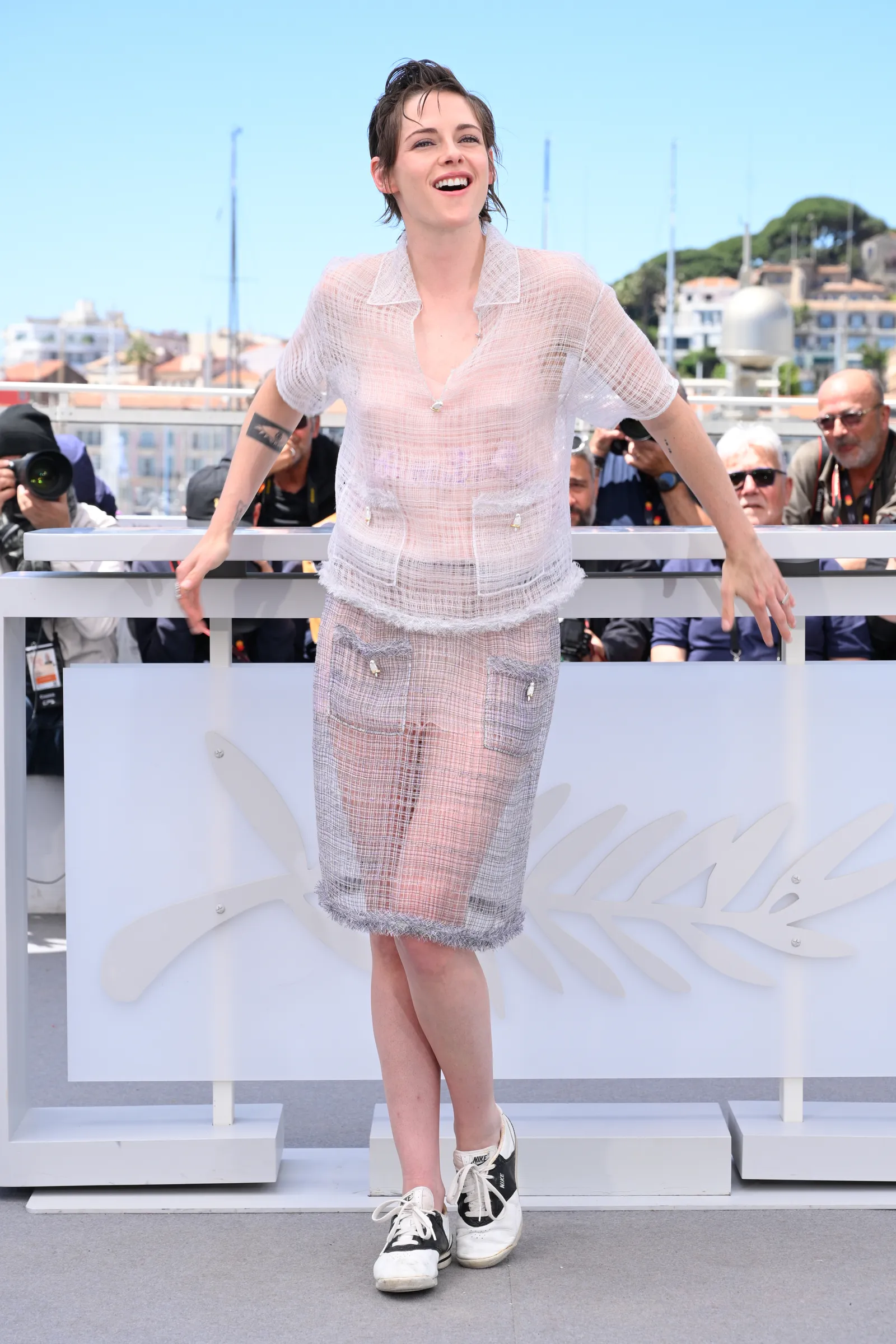
Kristen Stewart, for instance, has evolved her red carpet persona, moving from past season choices like her 2013 Chanel ensemble to embracing current collections. This year, she was seen in a knit dress and a sheer “tweed” skirt suit from Matthieu Blazy’s latest Chanel couture offerings, both paired with her signature sneakers. Swennen explains that styling Stewart now involves refining their established aesthetic, with the high-low mix adding a personal touch against the backdrop of Cannes’ traditional glamour.
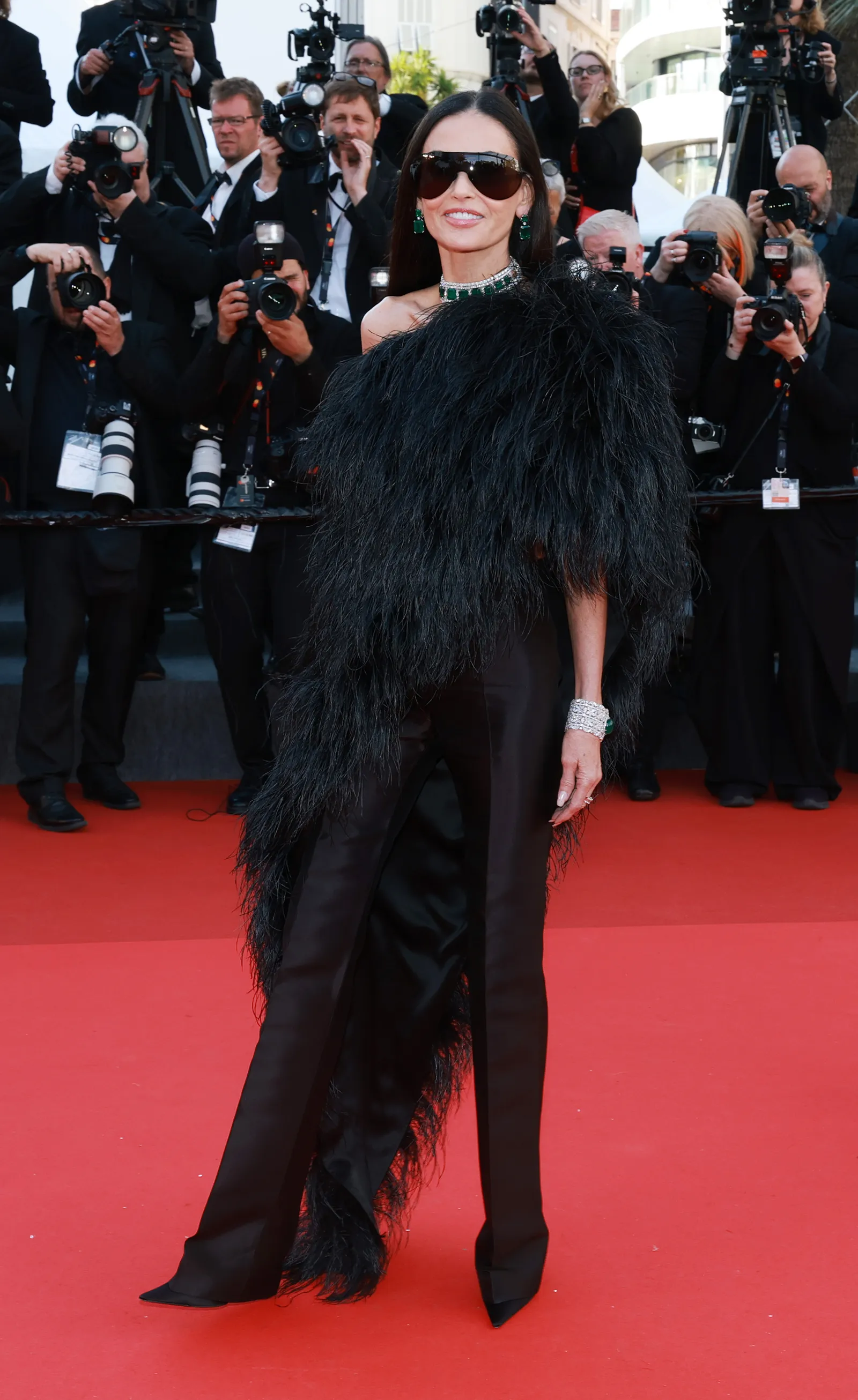
Demi Moore’s rapid adoption of an asymmetrical feathered Gucci top, worn just days after its runway debut in New York, exemplifies the swift promotion of current collections. This immediate integration of new designs demonstrates a powerful synergy between designers and celebrities, highlighting the evolving dynamics of fashion influence.
The trend extends beyond those with established stylist relationships. Director Chloé Zhao has embraced Schiaparelli’s spring 2026 couture, Gabriela Hearst, and custom Prada, while Cate Blanchett has opted for Givenchy’s spring 2026 collection. Ruth Negga, styled by Karla Welch, has consistently showcased fresh designs from Saint Laurent, Sacai, Ami Paris, and Prada. The prominence of these in-season looks at Cannes suggests a significant resurgence for current collections as a dominant force in red carpet fashion.
Business Style Takeaway: The shift towards showcasing current season collections on high-profile red carpets like Cannes signifies a recalibration of the luxury fashion industry’s marketing strategies. It emphasizes rapid product integration and direct endorsement, underscoring the power of real-time visibility in driving consumer desire and brand relevance in the contemporary luxury market.
Based on materials from : www.vogue.com