

For many interior designers, a change of residence often signals an opportunity for acquiring new furnishings. However, Michelle R. Smith approaches this with a distinct philosophy. Throughout her migrations from Manhattan to Brooklyn, and subsequently to New Orleans, she has consistently repurposed her cherished possessions, creating dynamic compositions within novel settings. Smith articulates her intuitive approach with a relaxed confidence, stating, “I don’t obsess over anything—I just know it’s gonna work out. I’ve designed enough spaces for myself to know everything will find a place. I don’t even do a furniture plan. Just move it all in.”
A Pastoral Retreat with Clever Solutions
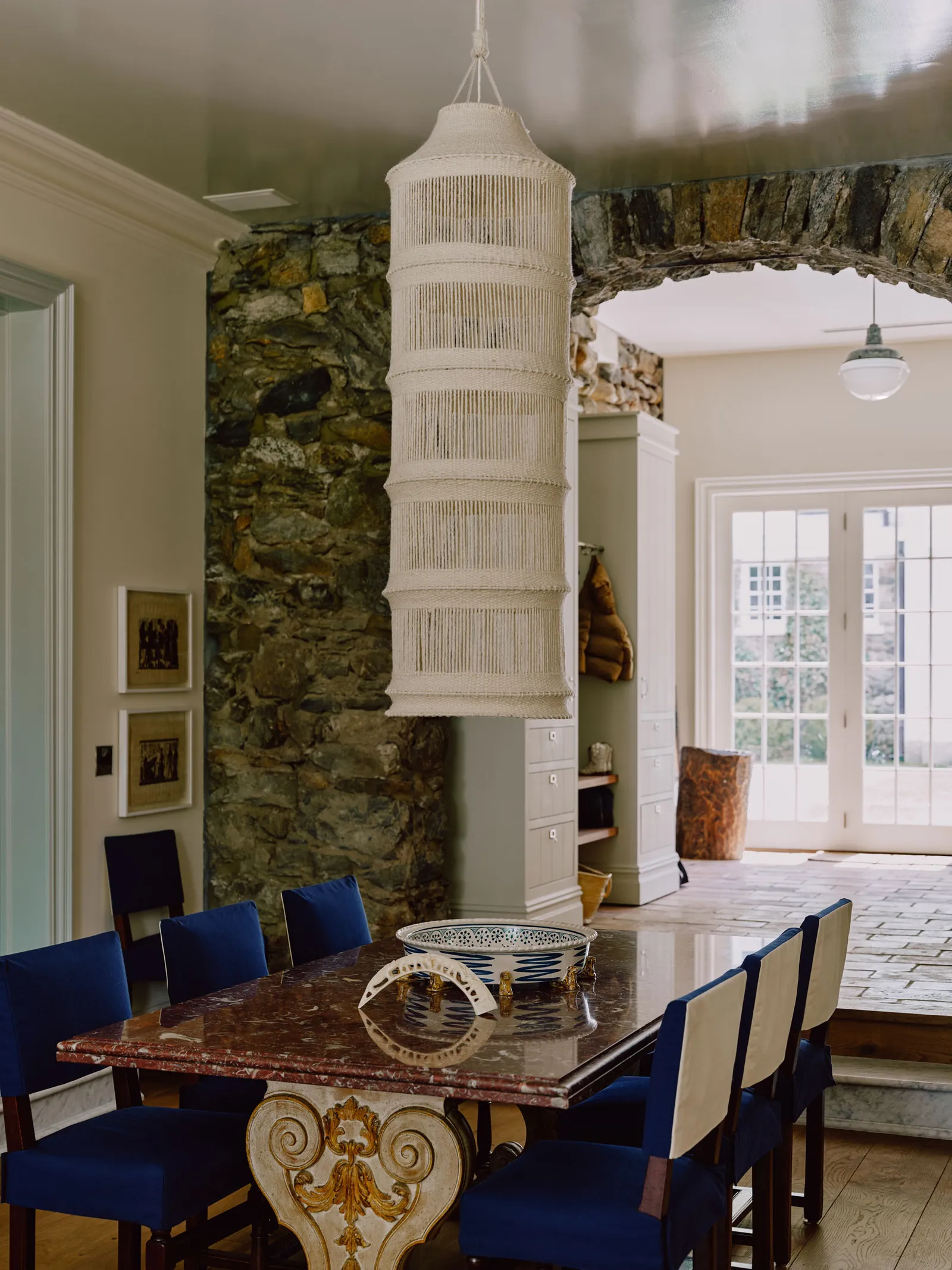
This seasoned decorator has, nonetheless, embraced new acquisitions and refined her techniques. Her Westchester County residence stands as a testament to pastoral charm, ingenious modifications, and the reinvention of tradition. Two years prior, Smith, principal of Studio M.R.S., was residing in New Orleans’ Garden District but felt a pull toward the vibrancy of New York City. Consequently, she and her partner, documentary filmmaker Sebastiano Tomada, sought a home in the city’s northern suburbs. “We were looking for a house, not a town,” Smith explains of their quest, which culminated in the acquisition of a historic courtyard property comprising four stone structures, originally ancillary buildings to a grander country estate. While the interiors had been updated by a previous owner, they did not align with Smith’s aesthetic. Nevertheless, the property’s inherent architectural character—particularly its striking rooflines, exposed masonry, and substantial marble elements like lintels and sills—was undeniably captivating.
Strategic Renovations and Material Choices
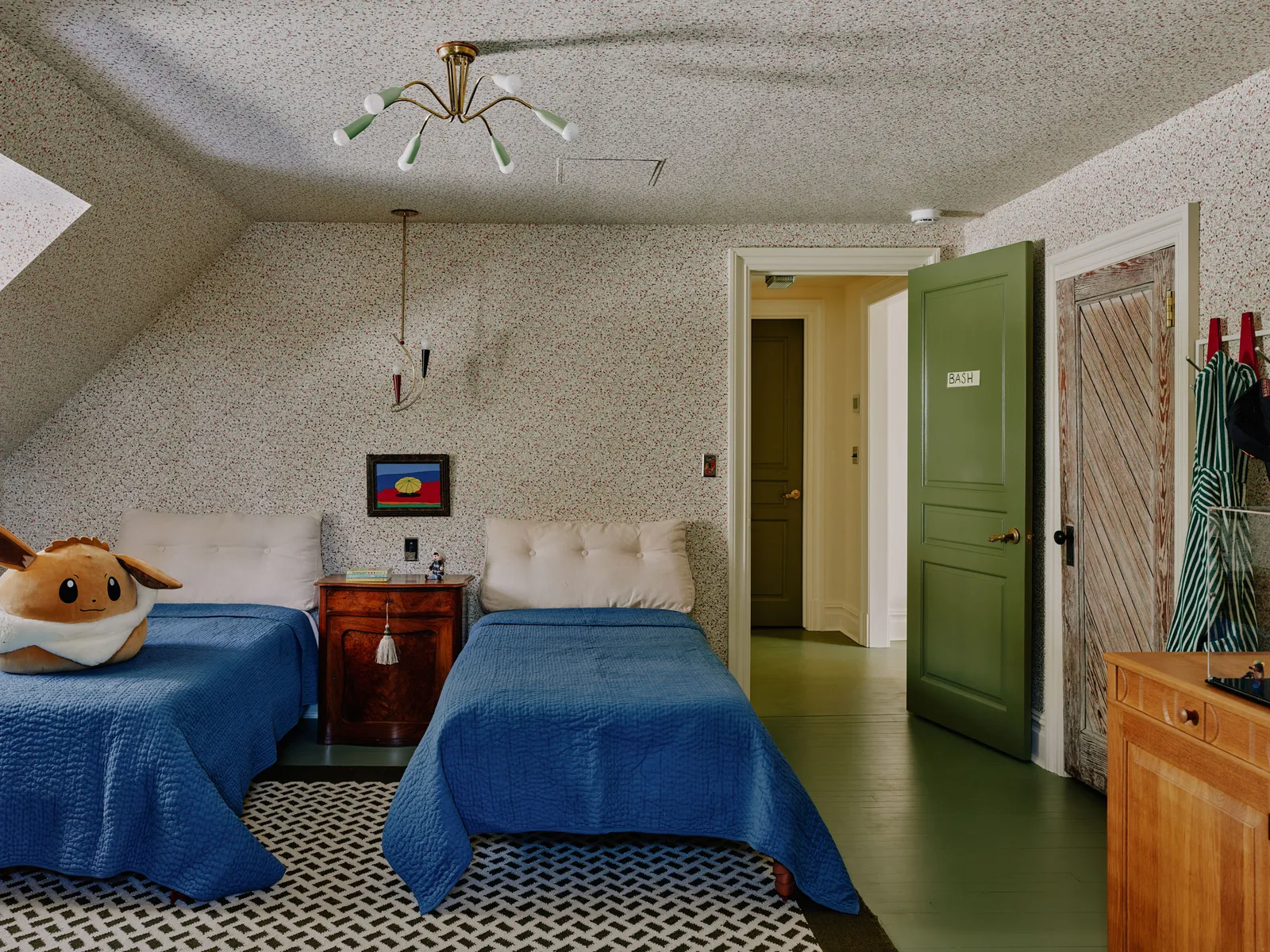
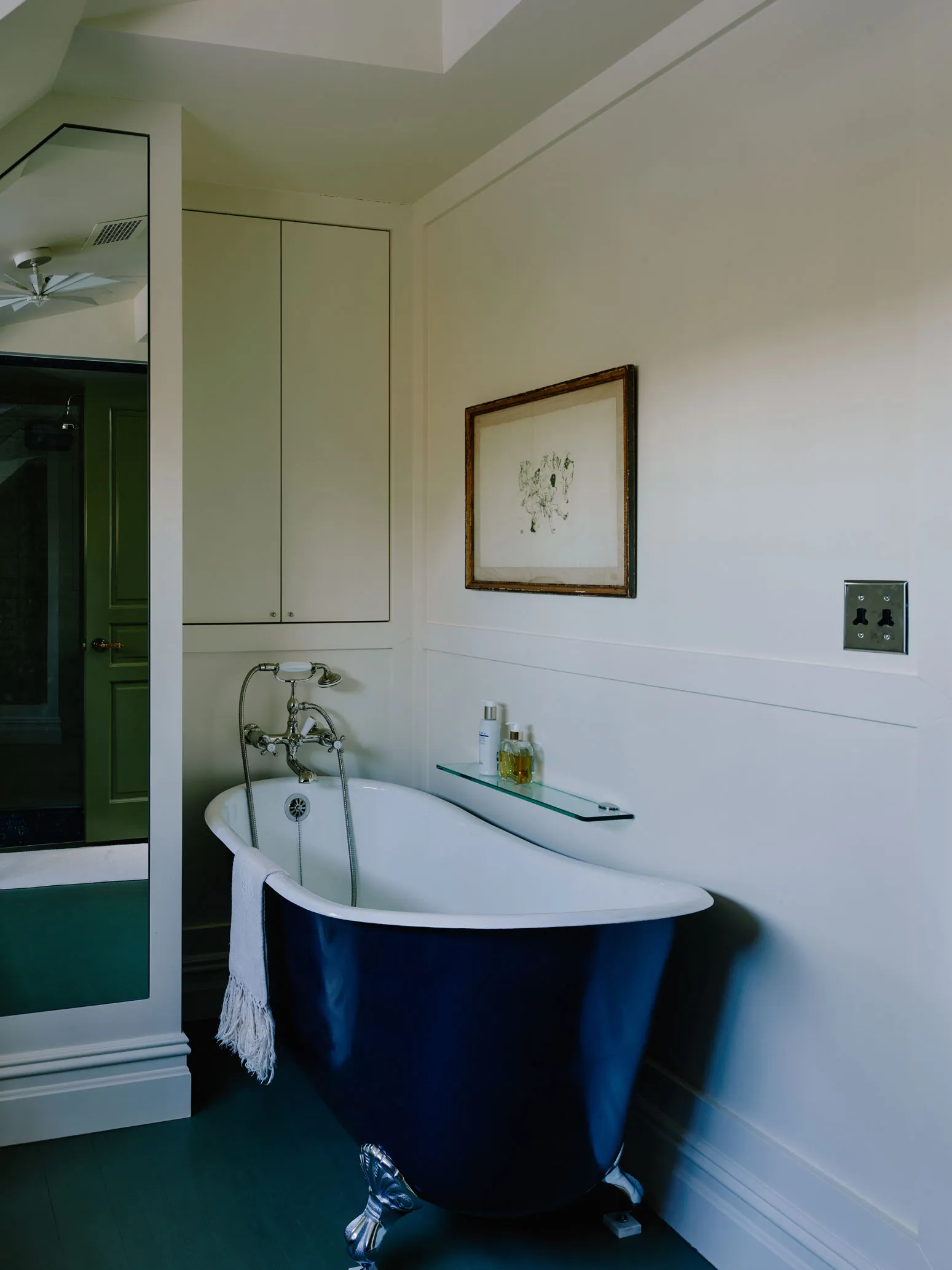
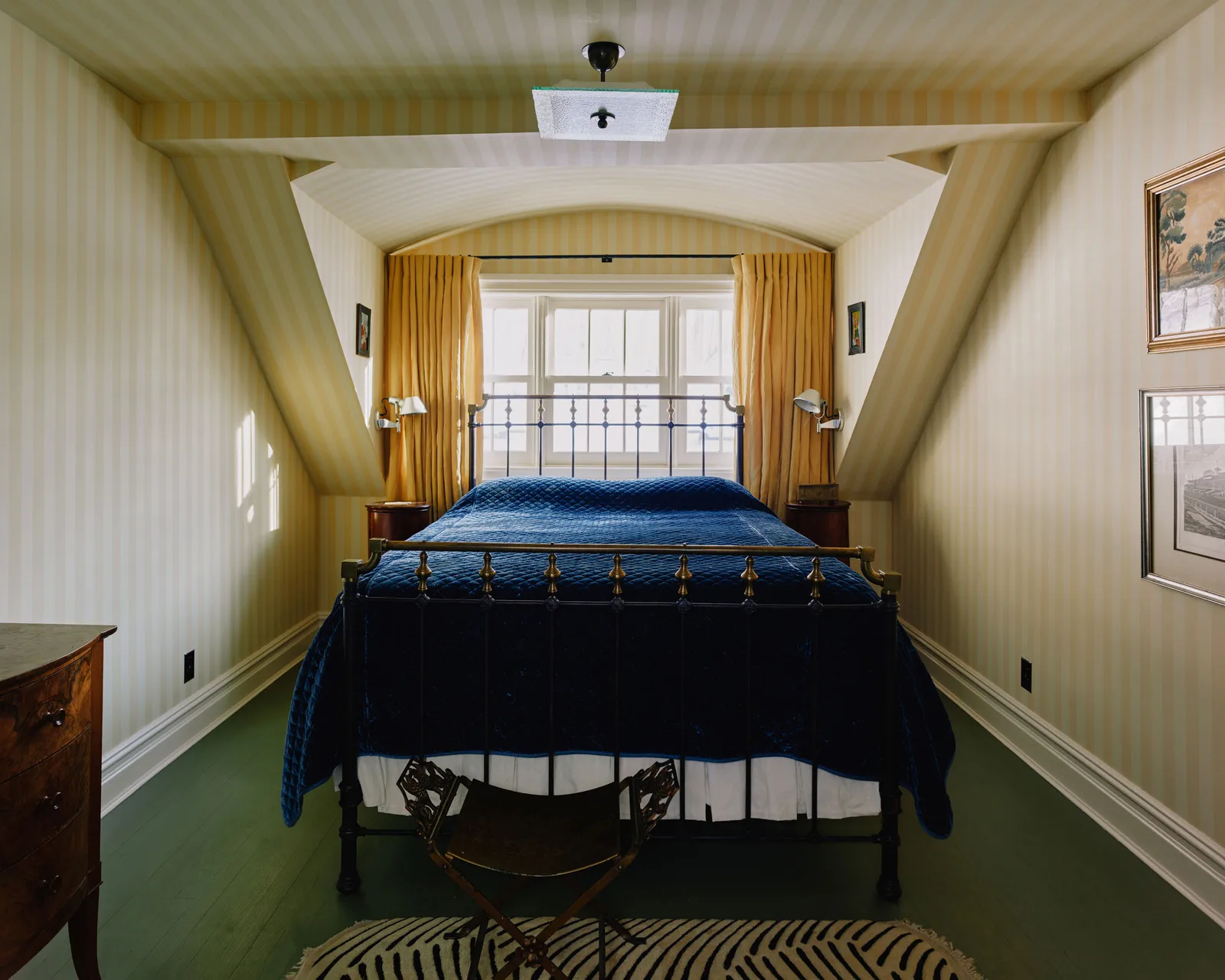
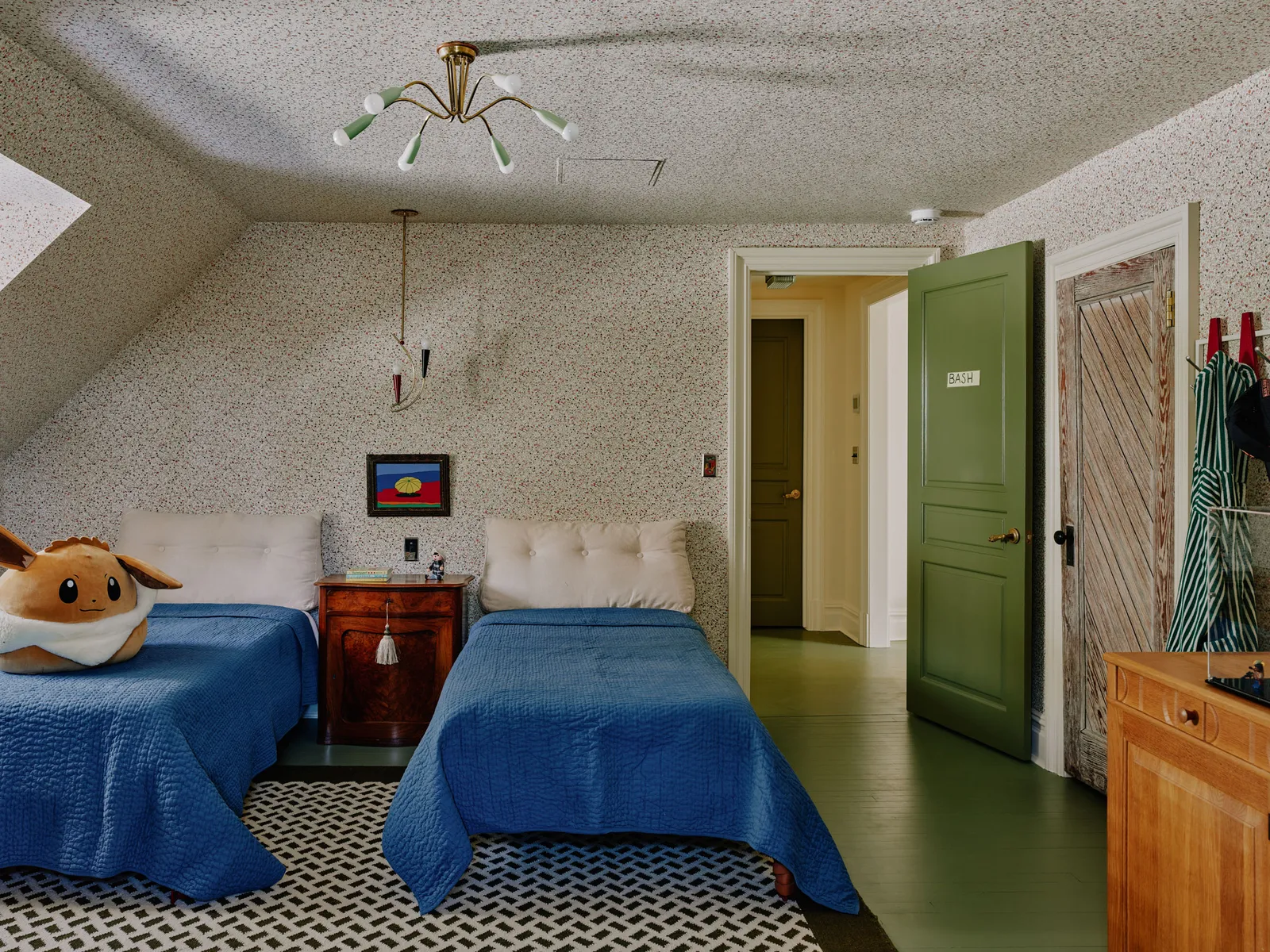
Smith, who was expecting her second child at the time, embarked on what she describes as a “chill renovation.” The existing layout was preserved, with the focus on integrating subtle millwork and refreshing surfaces. She endeavored to expose interior stonework wherever possible. For other walls, she opted for a consistent application of Benjamin Moore’s White Blush paint, with notable exceptions including the guest room, enveloped in bold stripes, and her son Bash’s room, adorned with a splatter-painted craft paper finish. The original dark cherry floors were replaced with wide planks of fumed oak, featuring a nuanced, time-worn stain designed to mask the signs of daily life, such as meal preparation mishaps and accidental spills. Embracing efficiency and acknowledging her own constraints, Smith judiciously selected off-the-shelf components, foregoing custom tilework and her preferred Barber Wilson fittings. She humorously refers to this approach as “Studio M.R.S. lite.”
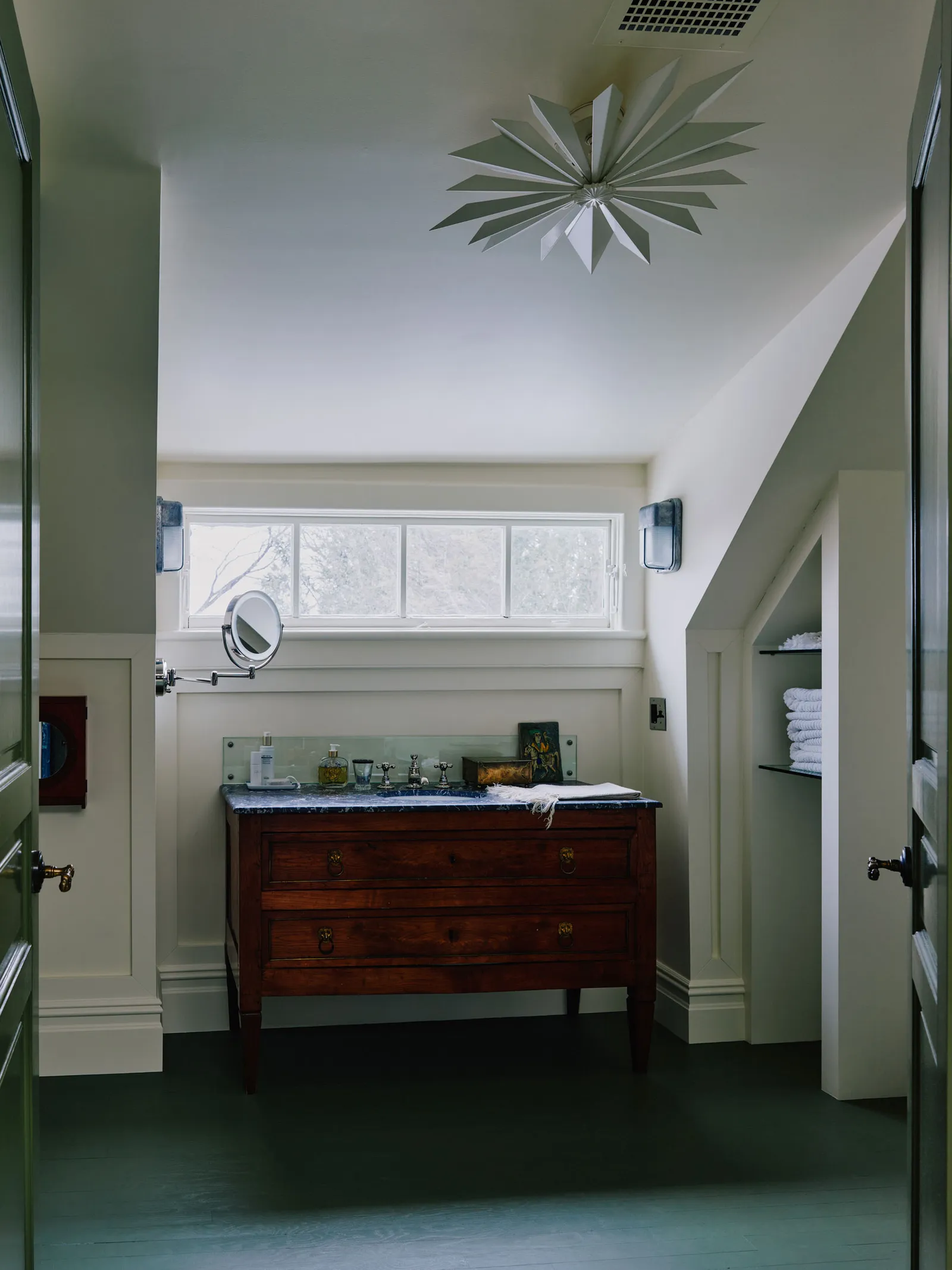
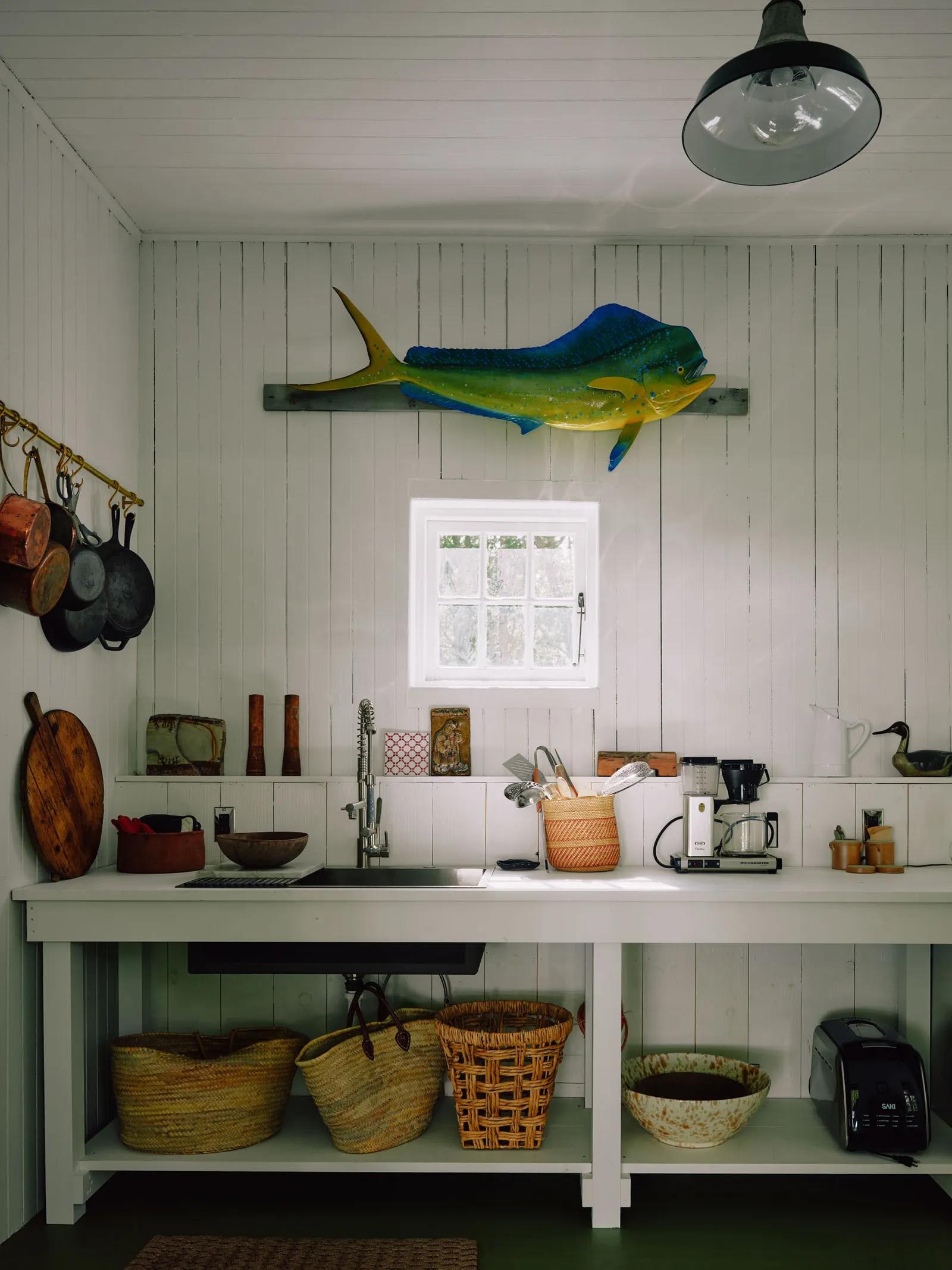
In other areas, she pursued more intricate, custom solutions. The kitchen features bespoke lower cabinetry, distinguished by profiles along the top and bottom edges for a refined appearance. Smith notes, “I played and played and played” during the revision process. Above this, cream-colored scullery tiles are arranged in a precise four-inch-square grid, subtly accented with liners and a distinctive blue stripe, creating a textured, almost corduroy-like effect. The powder room showcases a unique vanity crafted from two antique filing cabinets.
A Curated Collection of Furnishings
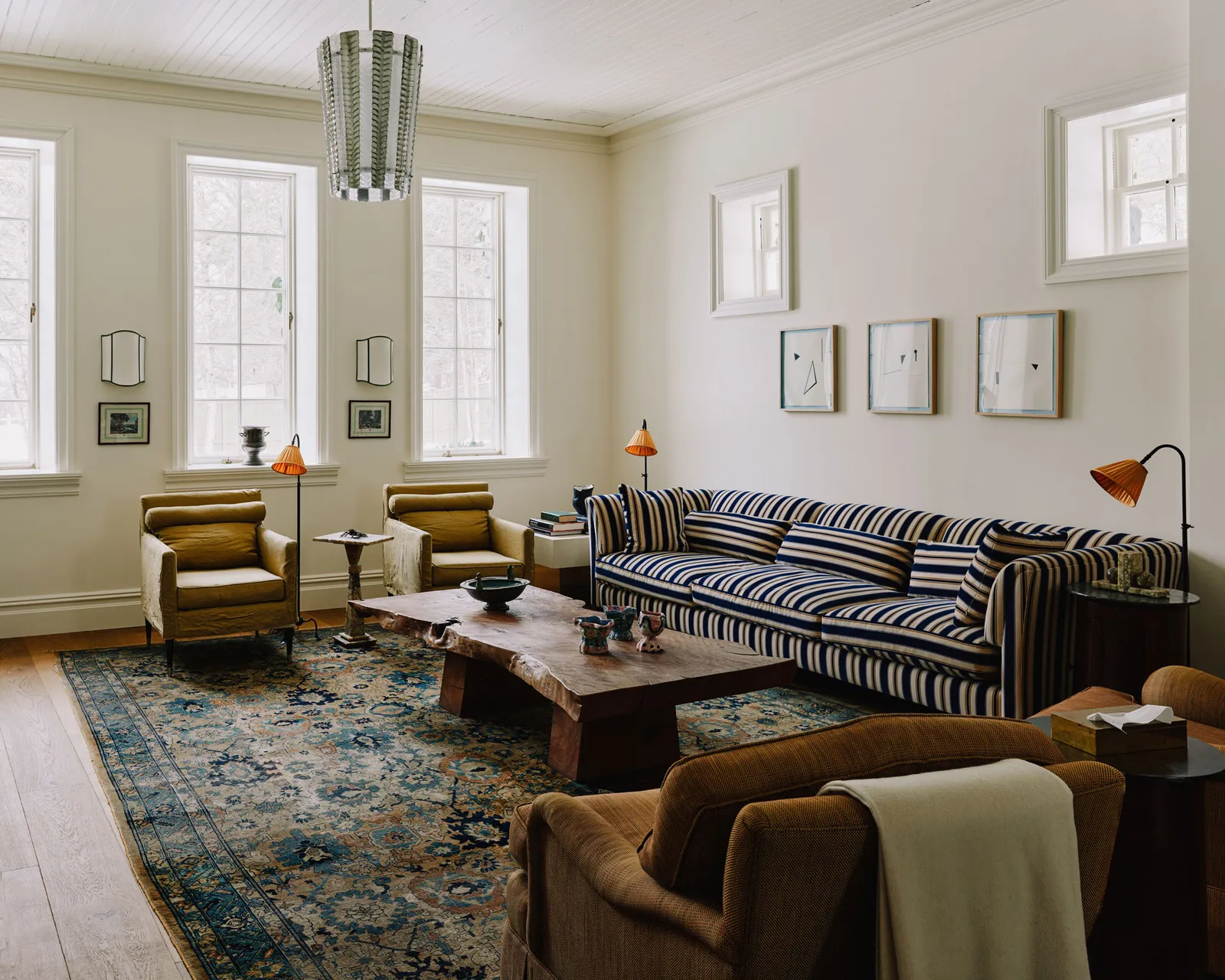
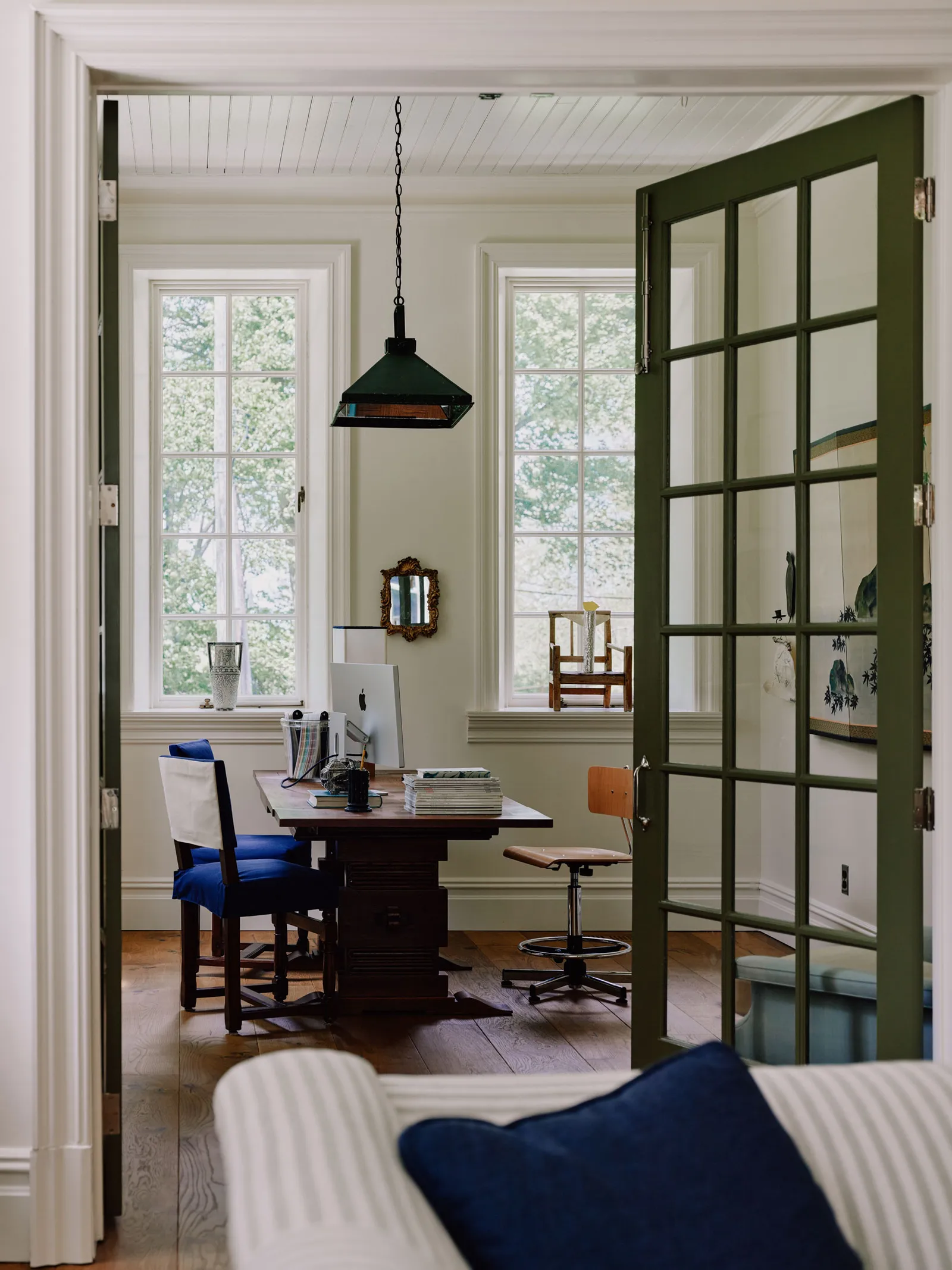
While some new pieces were acquired, such as the antique dining table sourced from Louisiana and the live-edge coffee table in the living area, the majority of the furnishings consist of Smith’s established collection. The striking macramé pendant light that previously illuminated her Brooklyn foyer now graces the dining room. An industrial fixture from her Bellport kitchen has found a new home in her office, and the antique twin beds from Bash’s New Orleans bedroom have been repurposed to accommodate a king-size mattress. Smith reflects on her design intention: “It all had to feel breezy, nothing too cottagecore, no plaids.” She muses on the transient nature of her decorating, acknowledging, “Maybe I’ll have to mix it up.”
Business Style Takeaway: Michelle R. Smith’s approach demonstrates that timeless design is not about constant acquisition but about the intelligent and artful integration of cherished pieces into evolving environments. This mindful curation enhances a sense of personal history and enduring style, projecting an image of considered sophistication and resourcefulness.
Source: : www.architecturaldigest.com