

Yoko Ono’s seminal “Instruction” works, dating back to 1955, laid the groundwork for a practice centered on viewer participation, predating conceptual and performance art pioneers. Her exhibition, “Music of the Mind,” currently at The Broad in Los Angeles, underscores her significant artistic contributions, often overshadowed by her cultural icon status.
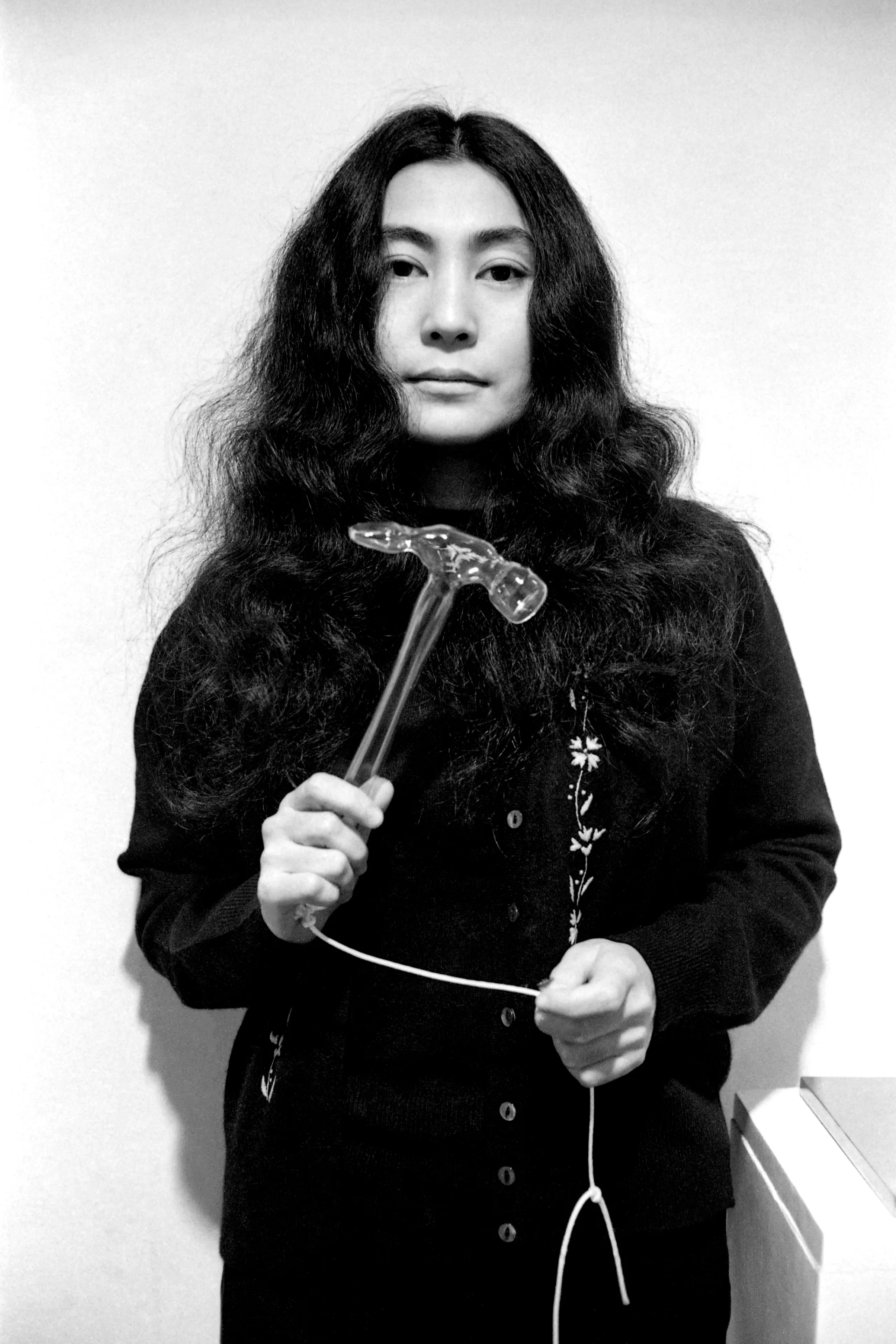
An Artistic Legacy Redefined
The exhibition highlights Ono’s prolific output in the decade preceding her marriage to John Lennon, challenging perceptions and asserting her independent artistic trajectory. Curator Sarah Loyer notes that Lennon appears only midway through the show, emphasizing Ono’s substantial pre-Beatles artistic achievements.
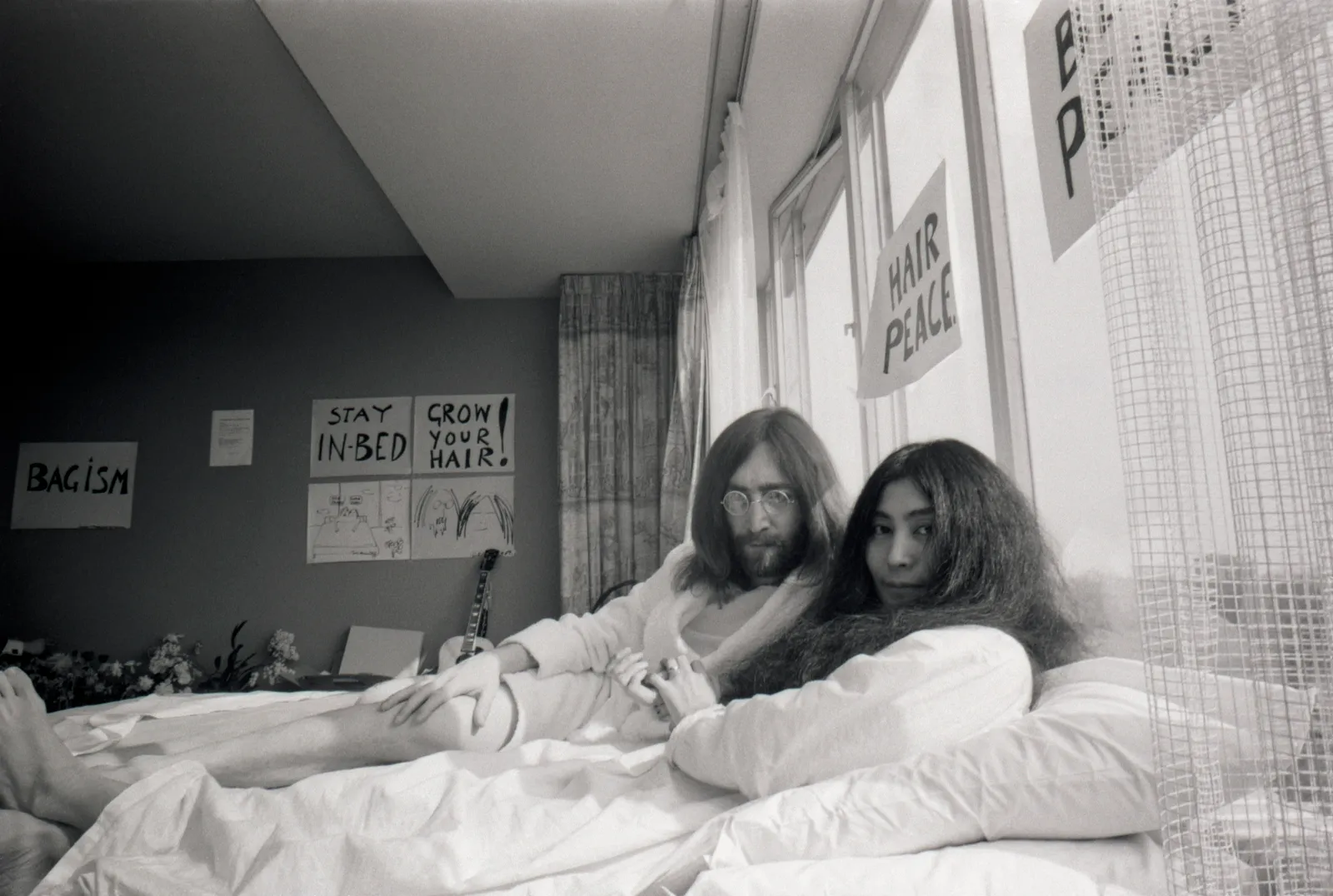
Pioneering Conceptual and Performance Art
By the time she met John Lennon, Ono was a central figure in the Fluxus movement, known for her groundbreaking “Instruction” pieces and provocative performance art. Her 1964 “Cut Piece,” where audience members were invited to cut pieces of her clothing, remains a powerful exploration of vulnerability and audience complicity.

Interactive Installations and Social Commentary
Ono’s art consistently invites direct engagement, from the early “Painting to be Stepped On” to more recent “Wish Trees.” These interactive pieces, often imbued with subtle humor and profound social commentary, challenge traditional notions of passive art consumption. Works like the “White Chess Set,” where all pieces are the same color, and installations addressing peace and collective responsibility, underscore her enduring activism and humanism.
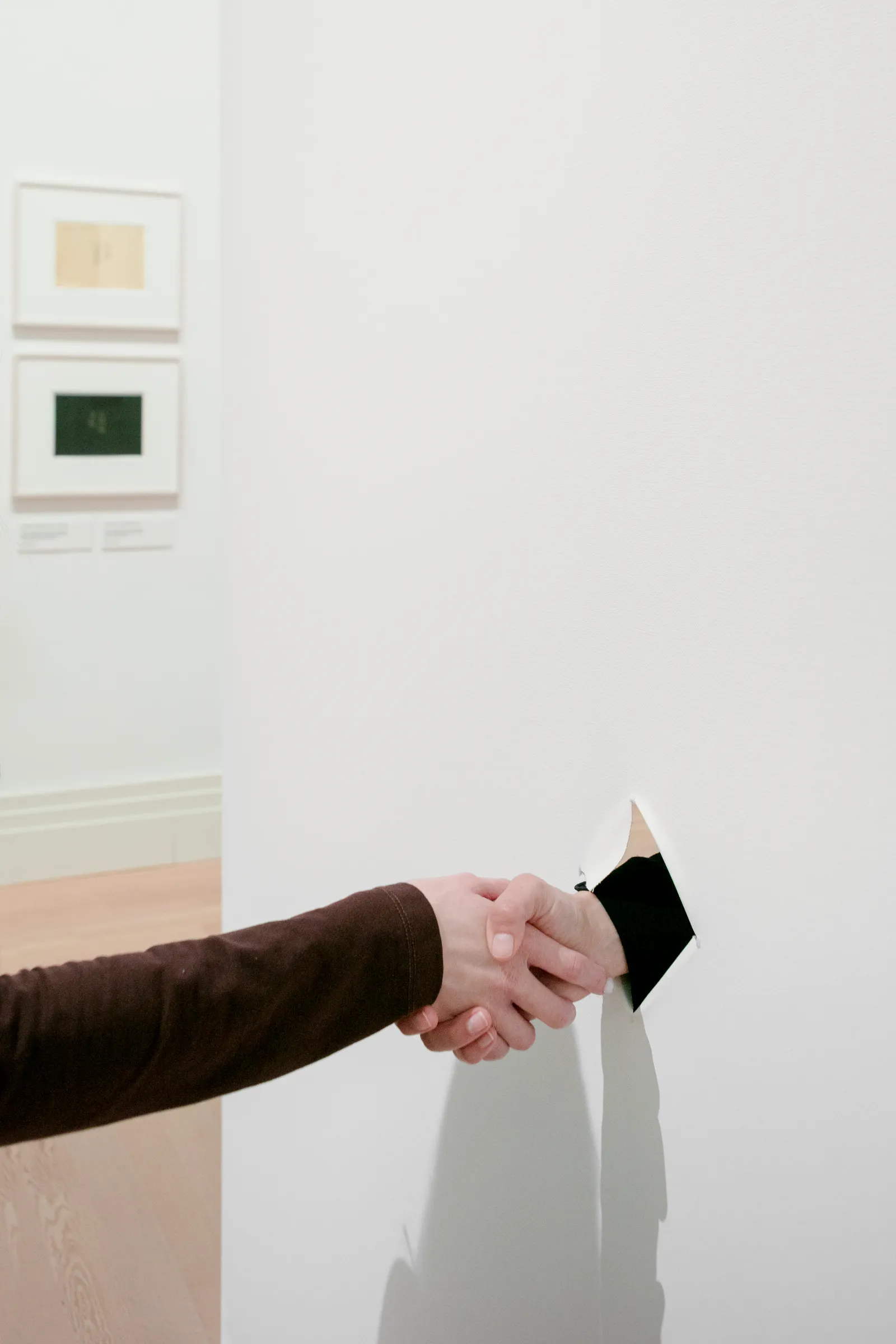
Inspired by her experiences during wartime, Ono’s work consistently fosters a sense of shared humanity and collective responsibility. Installations like “Helmets (Pieces of Sky)” serve as poignant metaphors for unity and the universal effort required to mend the world.

Business Style Takeaway: Yoko Ono’s artistic philosophy, emphasizing participatory engagement and conceptual depth, redefines the relationship between the creator and the audience. Her work demonstrates how art can be a powerful vehicle for social commentary and personal reflection, enhancing an environment that values intellectual curiosity and collective consciousness.
Source: : www.architecturaldigest.com