

The pursuit of creative sanctuary often leads visionary artists to unconventional spaces. For the renowned Haas Brothers, this journey culminated in the transformation of a mid-20th century industrial warehouse in North Hollywood, a structure steeped in the region’s aerospace legacy and a recent history as a maker of iconic neon signs.
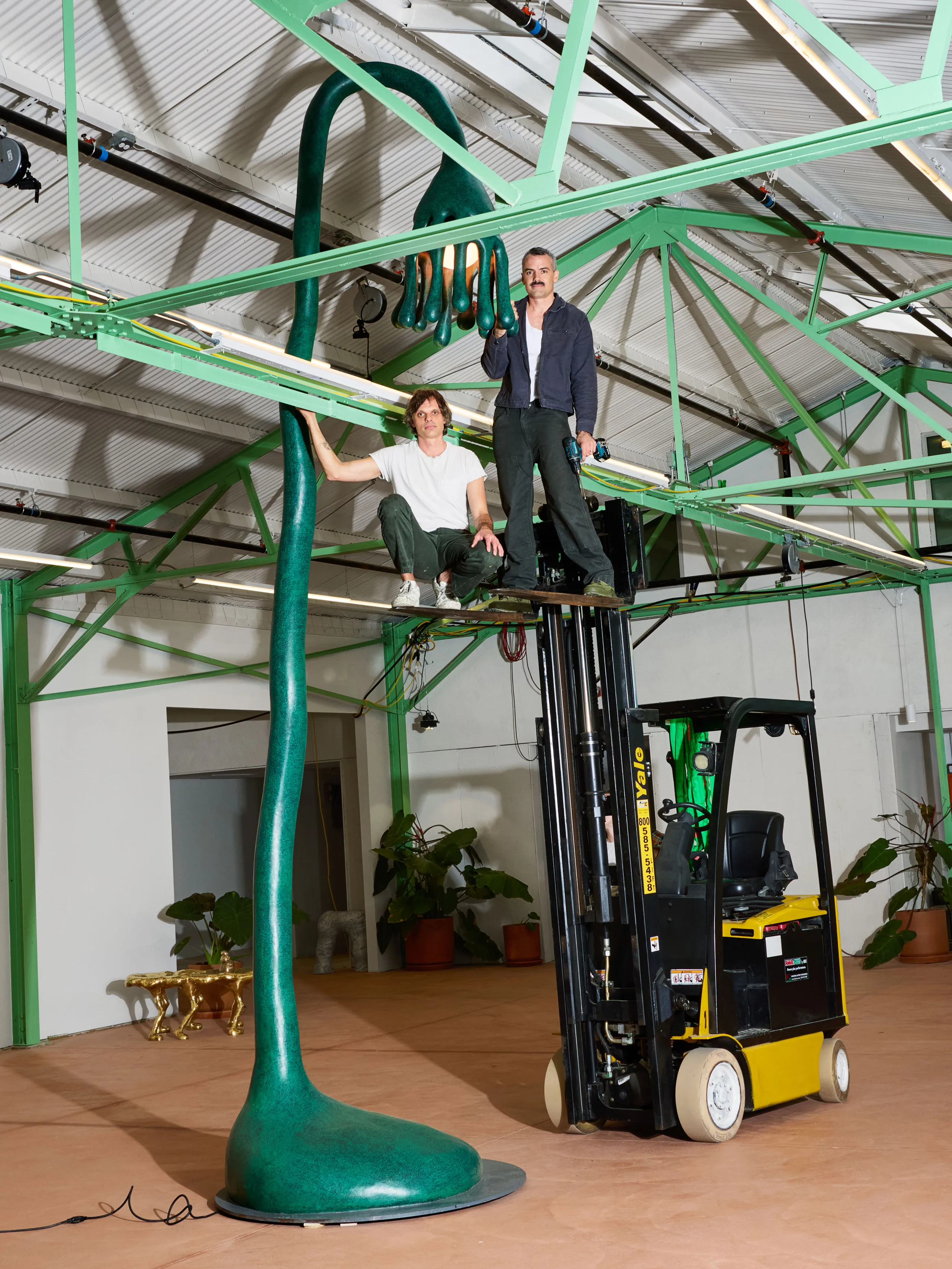
The brothers, Simon and Nikolai Haas, found auspicious signs in the building’s past, embracing its quirky provenance which included ties to the memorable signage from the film *Clueless*. This historical resonance, coupled with an appreciation for the building’s industrial bones, set the stage for a space designed to foster their multifaceted artistic practice.
A Purpose-Built Creative Nexus
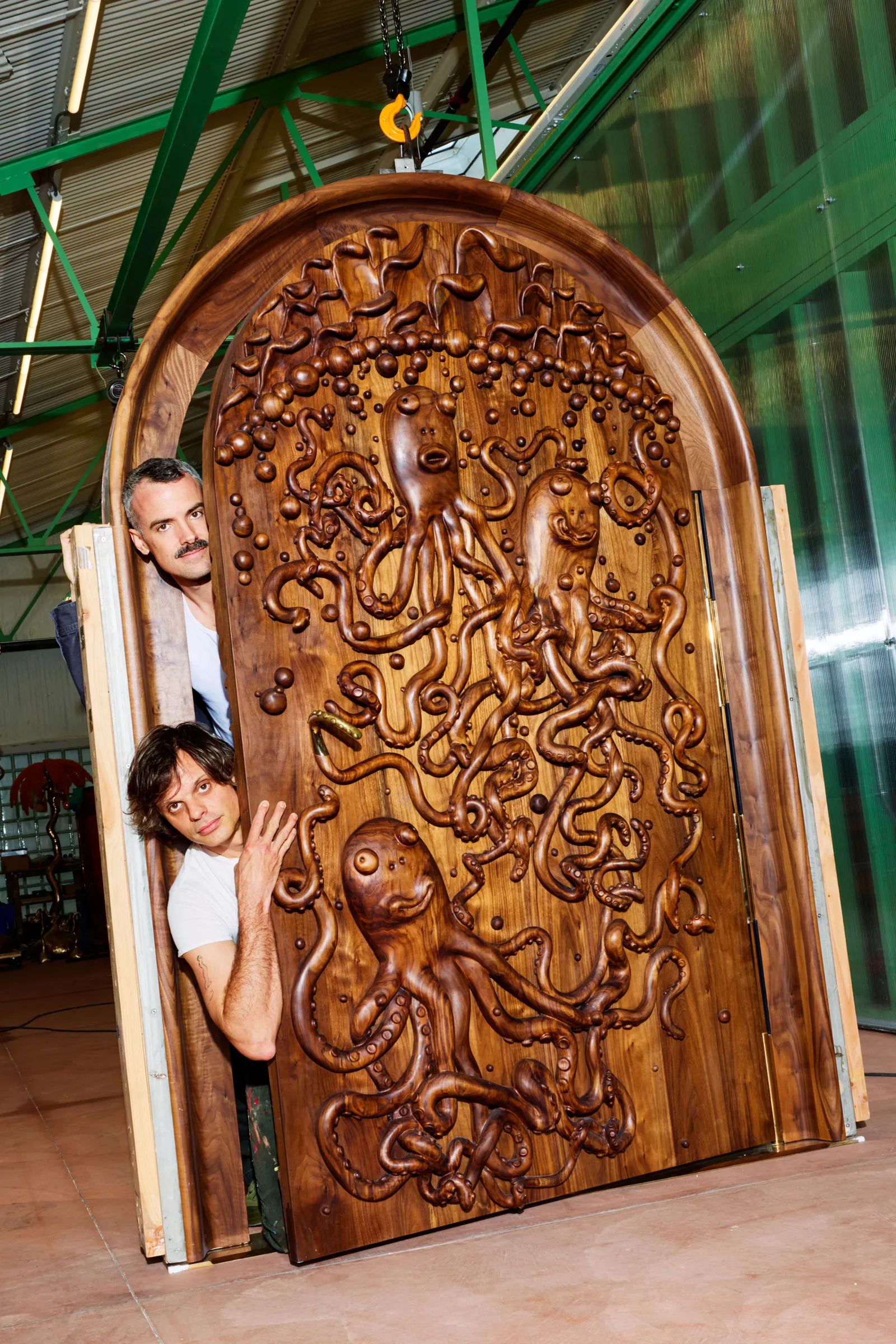
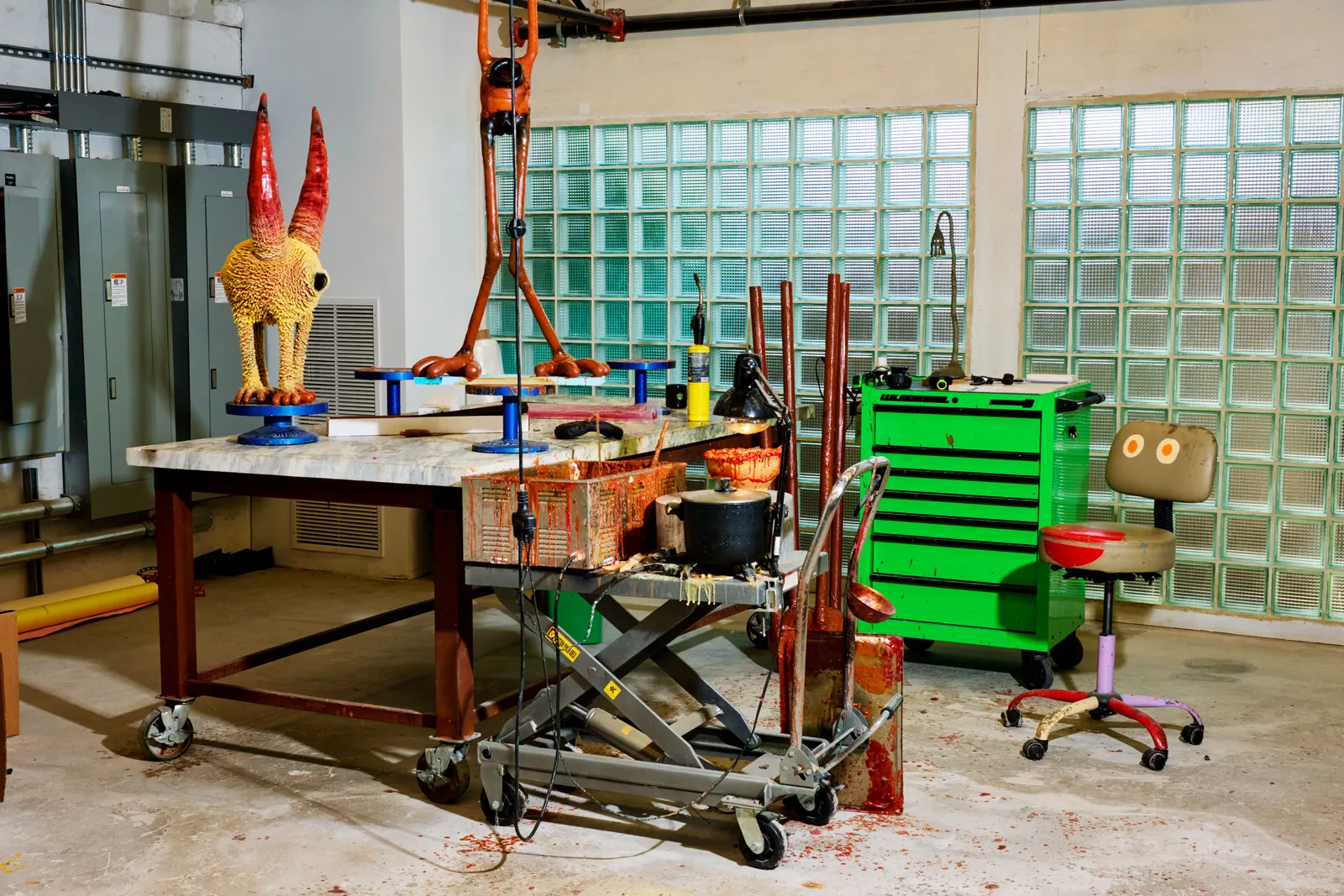
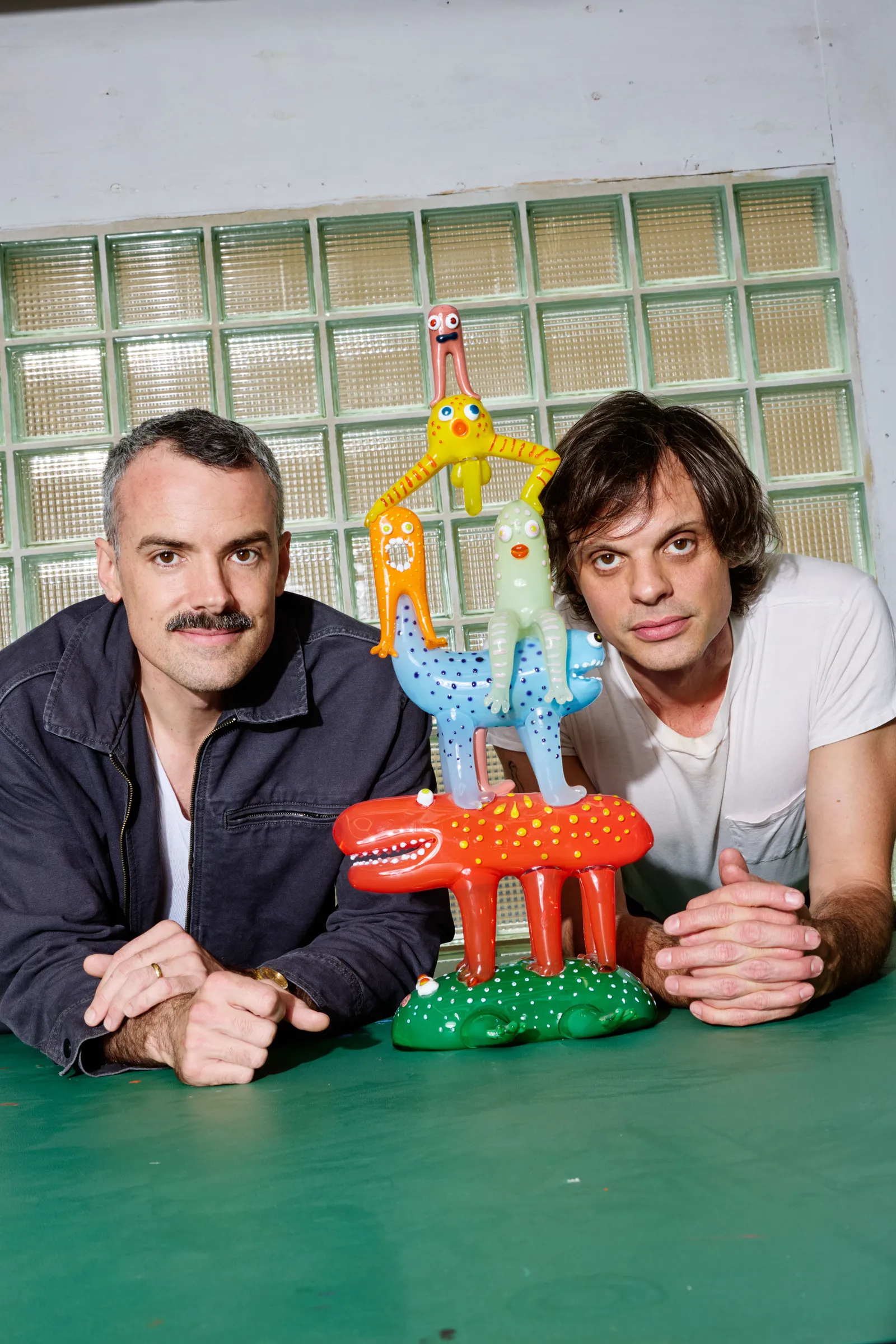
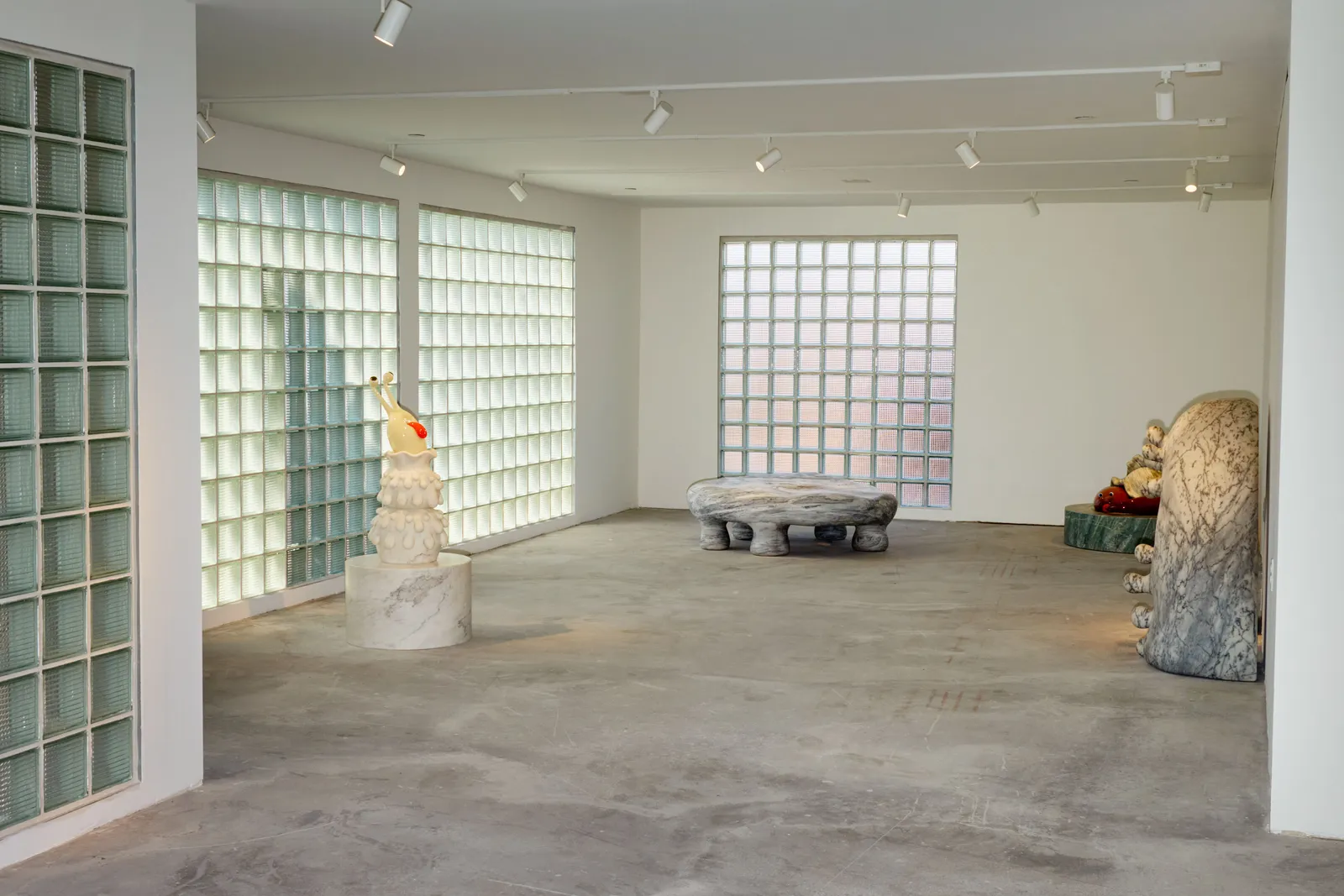
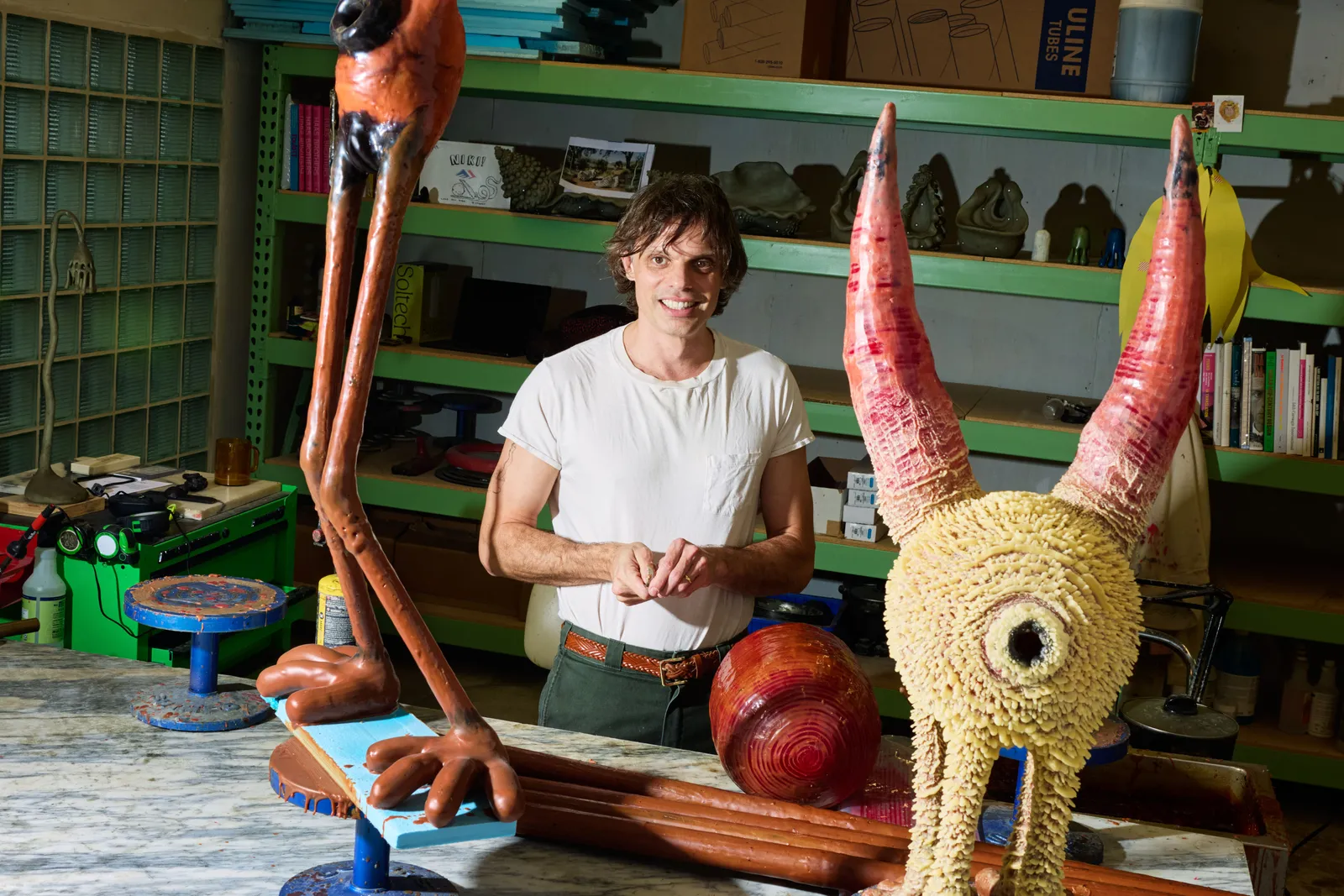
The vision for the new studio was comprehensive, demanding dedicated zones for the Haas Brothers’ extensive repertoire of techniques, including metalwork, ceramics, beadwork, and digital fabrication. Beyond production, the space needed to function as a gallery, an administrative hub, a platform for artist residencies, and a repository for their invaluable art and design library. “The studio visit is a significant part of our practice and identity,” notes Nikolai Haas. “It’s where we connect with collectors, curators, and fellow creatives. We thrive on hosting and fostering connections.”
To realize this ambitious brief, the brothers engaged Chet Callahan of Chet Architecture. Callahan, known for his ability to craft spaces that foster community and collaborative spirit, was tasked with translating the Haas Brothers’ unique programmatic needs into a tangible architectural experience. “Simon and Niki sought a novel typology—a space that could fluidly accommodate exhibitions, educational workshops, administrative functions, social gatherings, and, critically, their production activities,” Callahan explains. “It was imperative that the design support a diverse range of experiences.”

Architectural Dialogue and Materiality
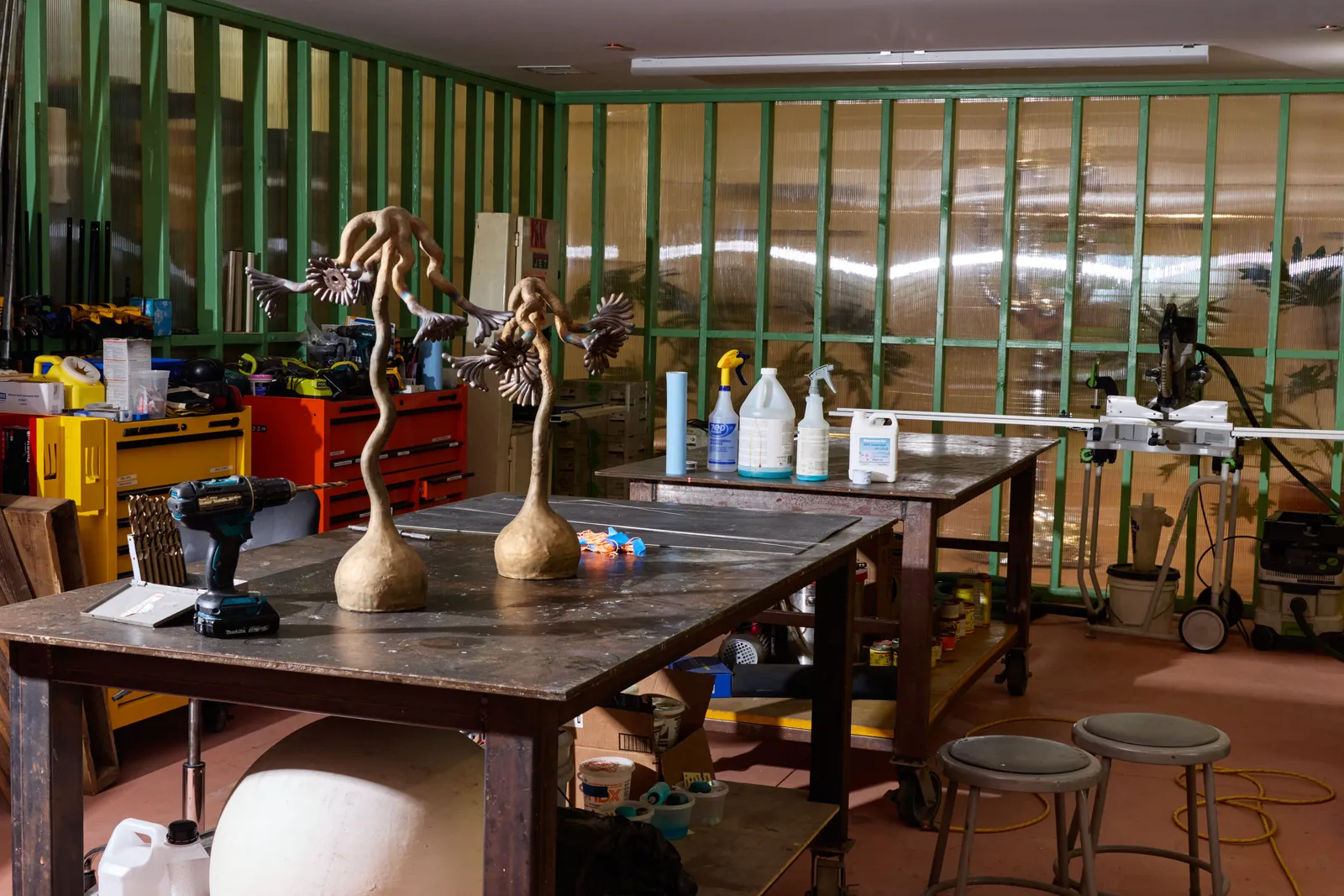
Callahan’s design strategy involved strategically consolidating ancillary functions—kitchens, bathrooms, and administrative spaces—into an adjacent, similarly aged office structure. This optimization liberated the primary warehouse space for creative endeavors. Within this expansive studio zone, Callahan introduced a series of thoughtfully designed sheds, constructed with wood frames and clad in translucent cellular polycarbonate. These structures, described as “greenhouses with a jaunty, modern spin,” provide adaptable enclosures tailored to specific production needs.
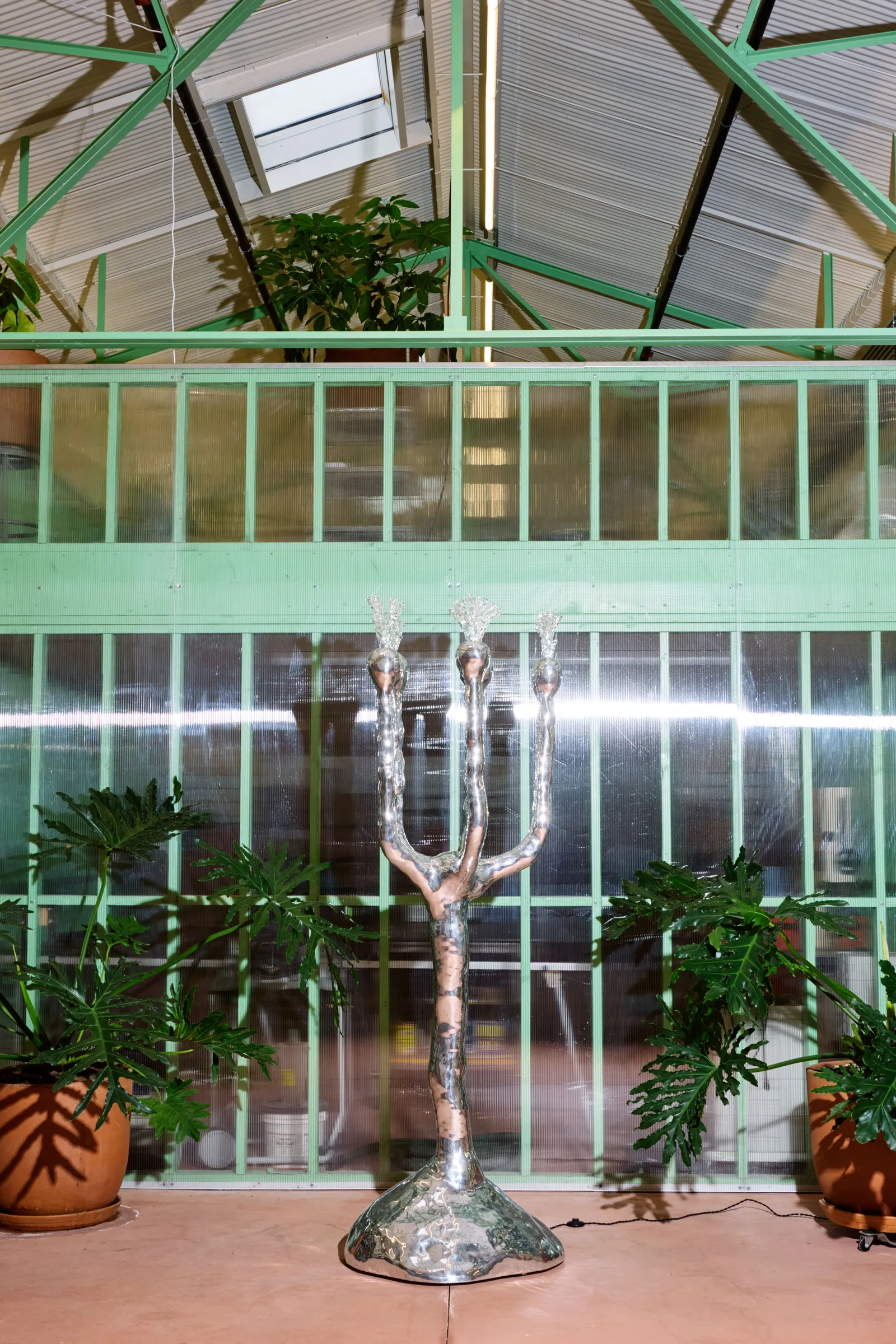
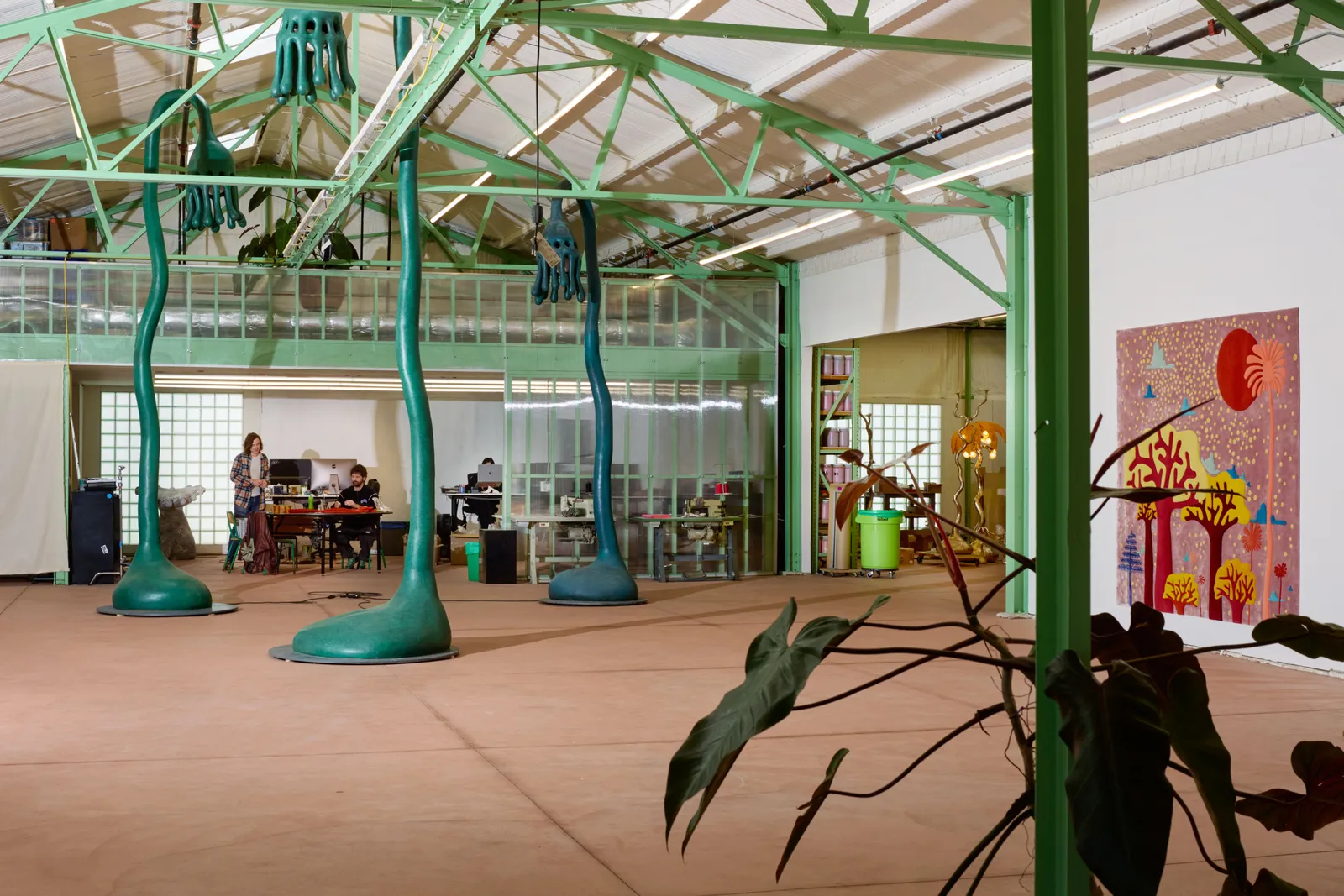
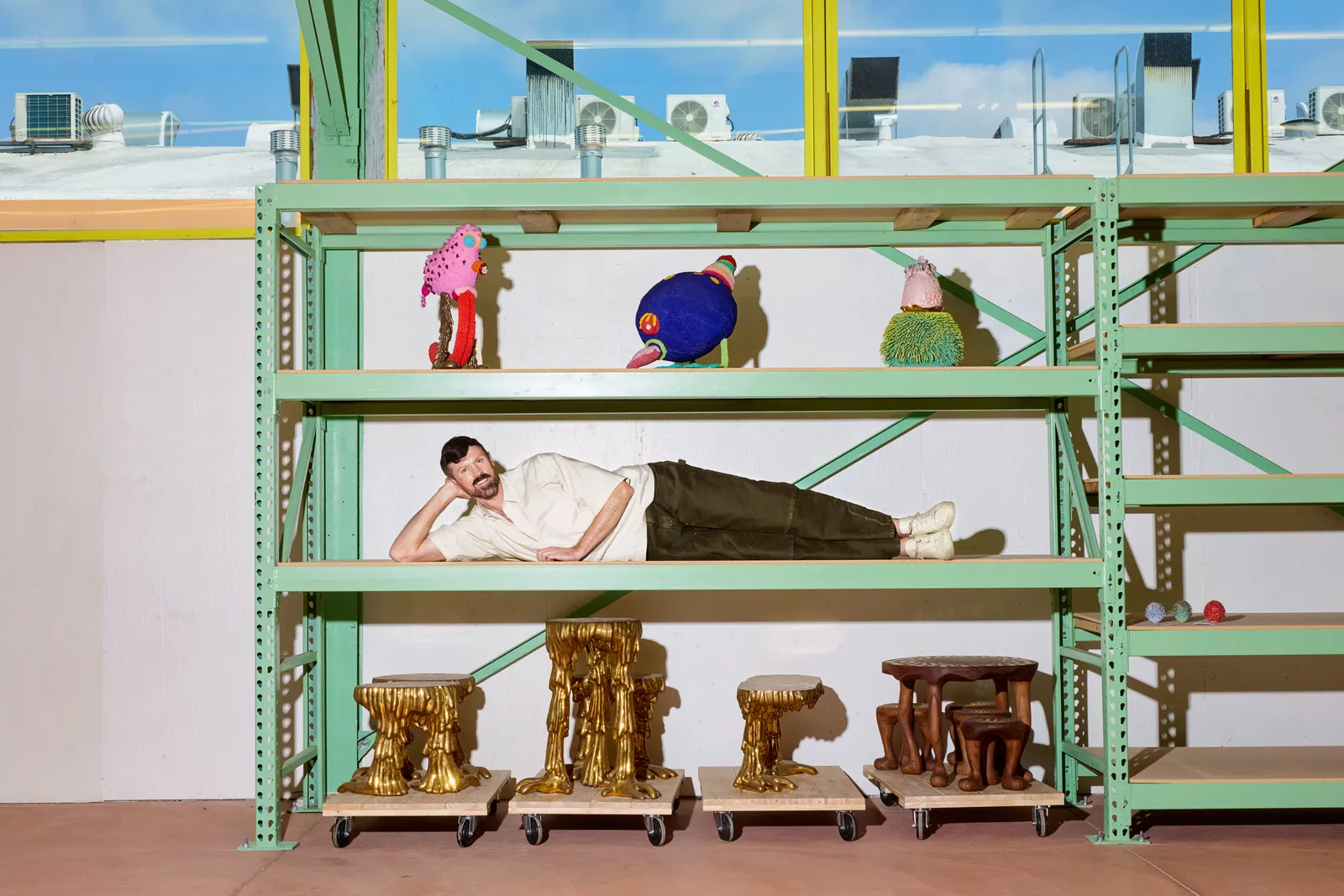
The architect emphasized preserving the integrity of the original structure, highlighting the exposed metal beams and trusses, which are finished in a sophisticated sage green. This choice complements the framework of the new workshop sheds and is echoed in the peachy-pink concrete floors and the vibrant safety-yellow window frames, creating a spirited and cohesive chromatic palette.
A Cinematic Inspiration
The design ethos for the studio draws inspiration from cinematic narratives, mirroring the Haas Brothers’ appreciation for filmmakers such as Pier Paolo Pasolini, Dario Argento, Rainer Werner Fassbinder, and Pedro Almodóvar. “Film plays a significant role in our aesthetic,” Simon Haas explains. “The studio feels simultaneously beautiful and cinematic, yet organized and functional.”
The studio’s location in Los Angeles, surrounded by the iconic landscapes of the entertainment industry, further fuels this creative synergy. “From our roof, you can see the water tower at the Warner Bros. lot and the roller coasters at Universal. Disney is just down the street,” Simon adds. “This is our own dream factory. It truly feels like you could only be in Los Angeles, in our studio, in our world.”
Business Style Takeaway: The Haas Brothers’ studio exemplifies how thoughtfully designed, multi-functional spaces can become powerful engines for creative innovation and brand identity. By merging industrial heritage with contemporary architectural interventions, they have cultivated an environment that not only supports artistic production but also enhances their personal brand as forward-thinking cultural contributors.
Based on materials from : www.architecturaldigest.com