

The Aloe Vera plant, often celebrated for its resilience and minimal upkeep, offers far more than just a touch of greenery. Its succulent leaves harbor a potent gel, a natural remedy long cherished for its ability to soothe sunburns, calm inflamed skin, and alleviate dryness. As Victoria Beaty, founder and creative director of The Botanical Bar, recounts, “My mom was a hairstylist, and whenever she accidentally burned me with the curling iron, she’d tell me to break off a piece of aloe. The plant is basically nature’s first-aid kit.”
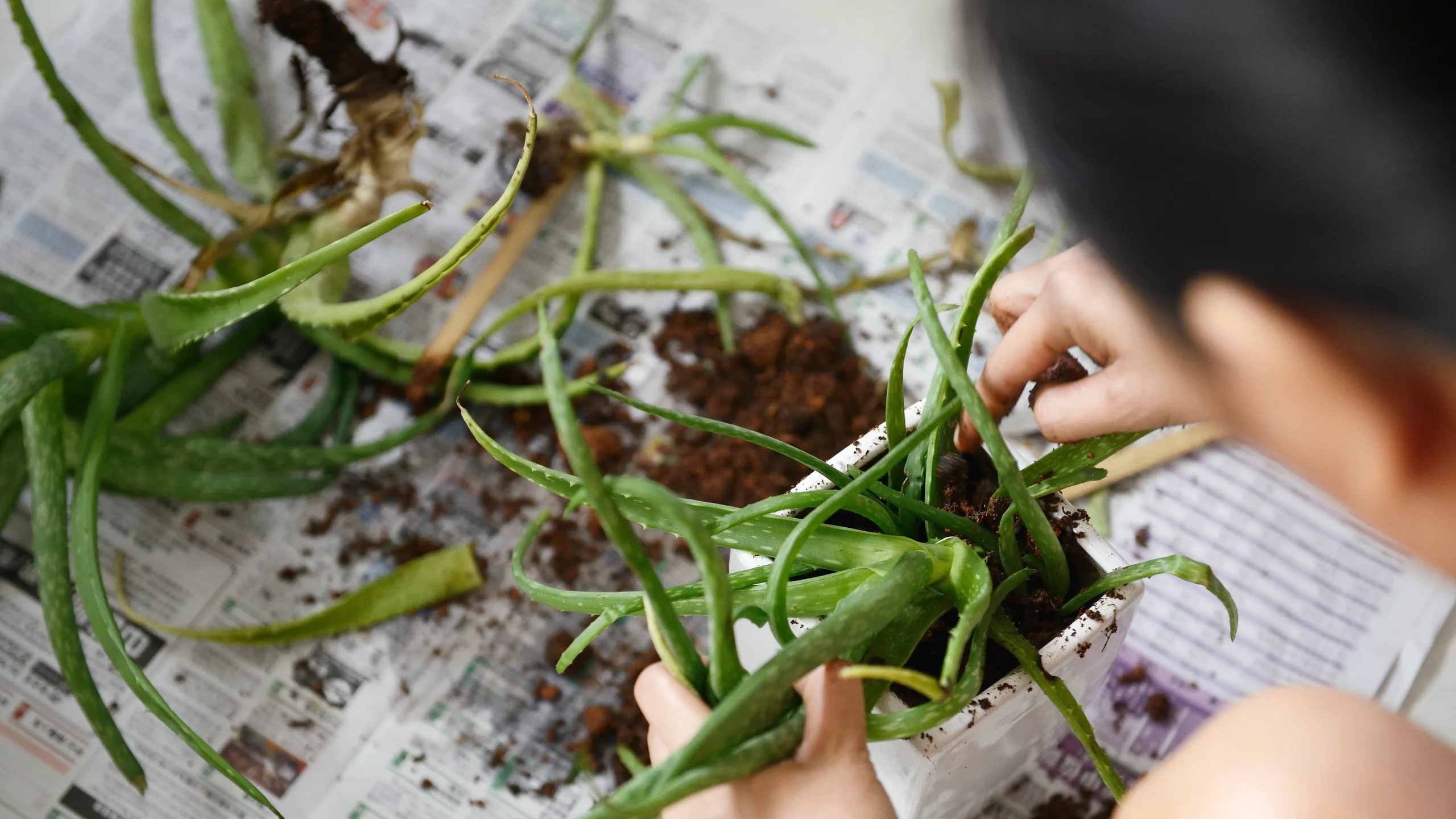
Herbalist and author JJ Pursell further emphasizes its medicinal value, noting that applying the fresh gel from a healthy leaf can provide immediate relief for burns, including kitchen accidents. Even incorporating a teaspoon of the gel into shampoo can offer benefits for dandruff. To ensure this remarkable houseplant can continue to provide its natural benefits, understanding its care requirements is paramount.
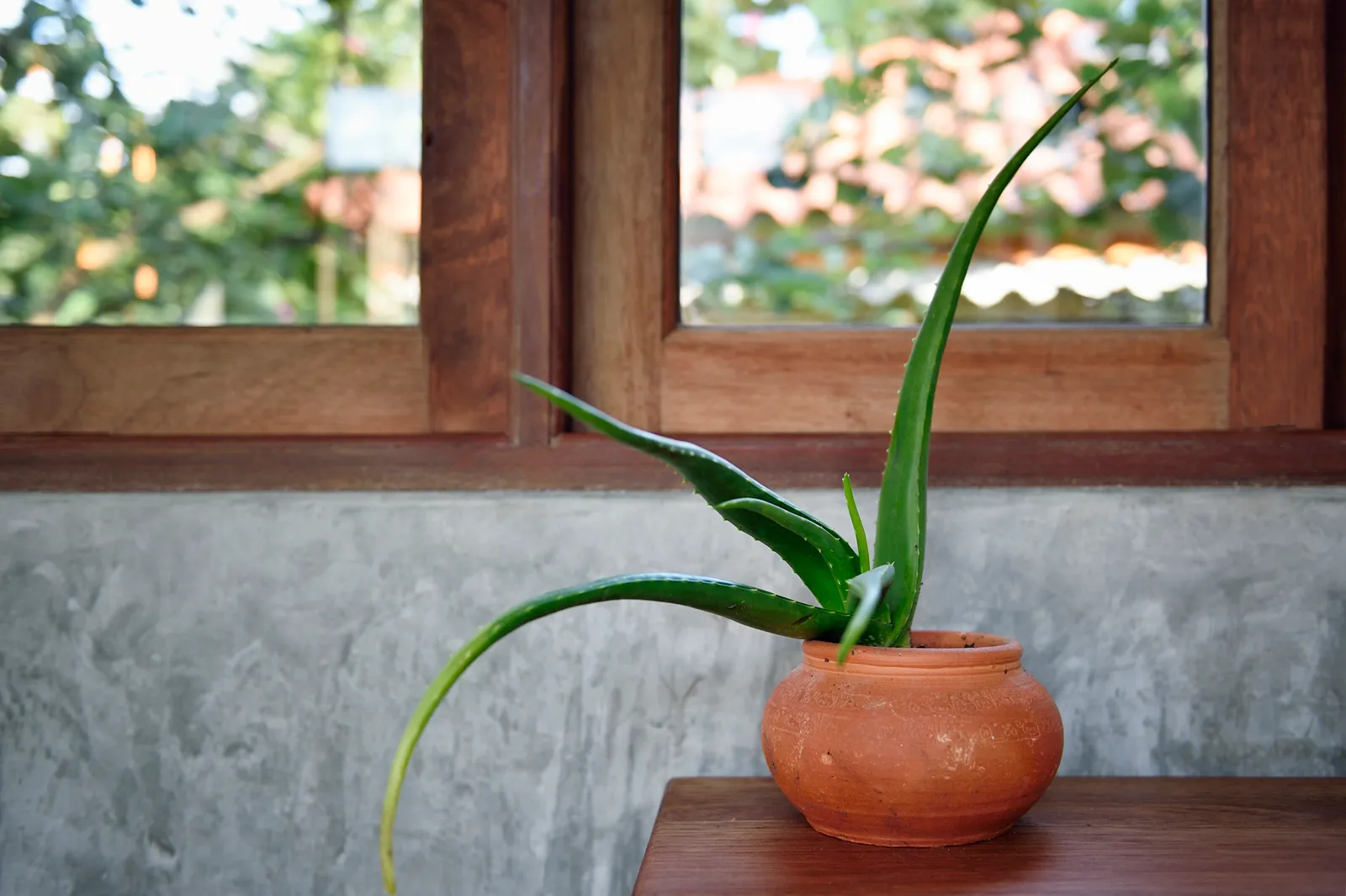
Cultivating Your Aloe Vera Plant

While propagation from seed is an arduous and uncertain endeavor, most enthusiasts acquire Aloe Vera plants from reputable nurseries. The process of propagating from existing plants, however, is remarkably straightforward.
Step 1: Gentle Separation of Offshoots
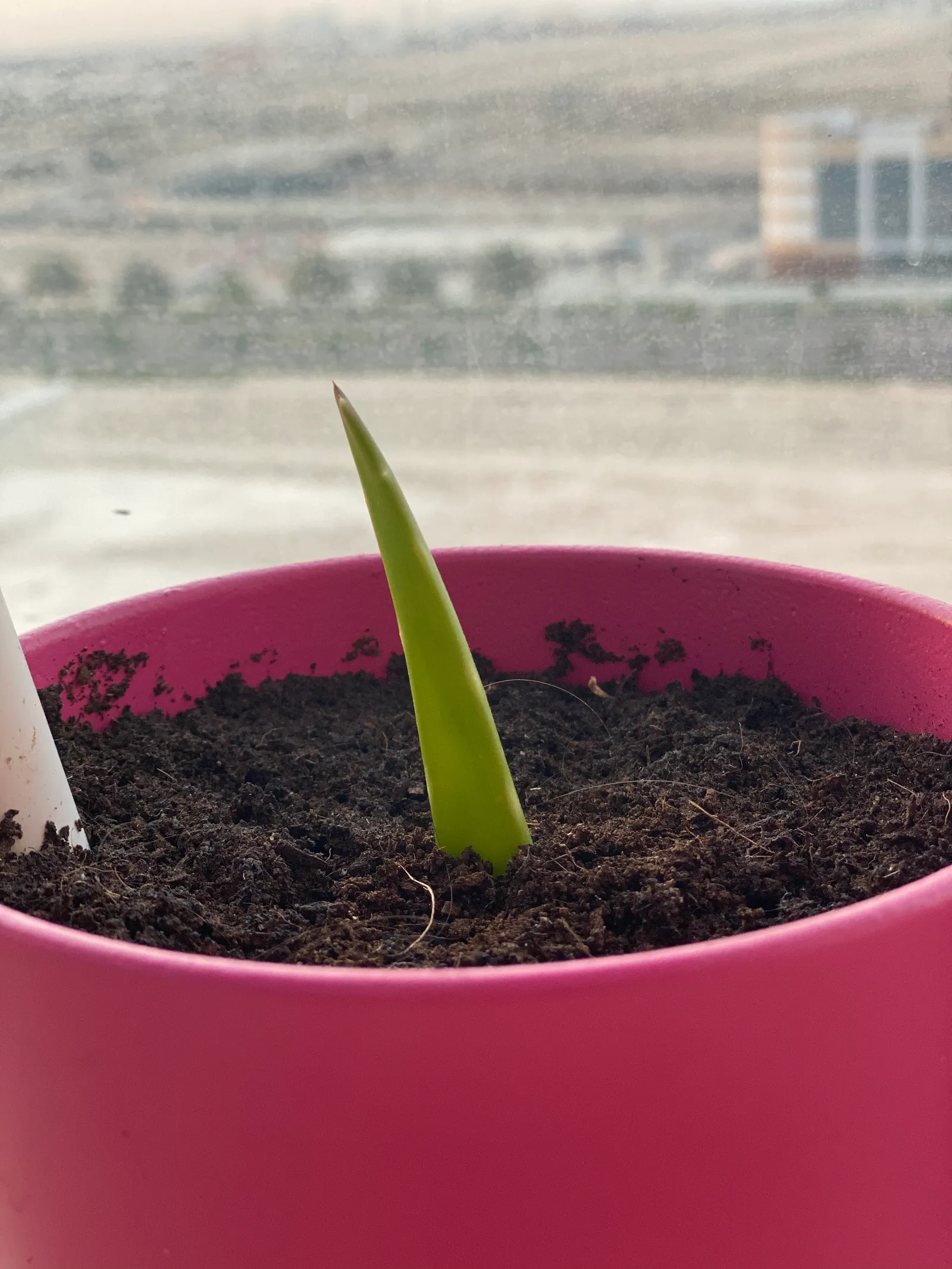
Mature Aloe Vera plants naturally produce offshoots, small replicas that emerge from the base. These can be carefully detached when they reach a few inches in height and exhibit initial root development.
Step 2: Establishing the New Plant in its Own Vessel
Transfer the separated offshoot to a new pot equipped with a drainage hole. Terracotta planters are particularly well-suited for succulents like Aloe Vera, as they facilitate rapid drying and prevent water retention. Employ a well-draining succulent soil mix, or a blend rich in pumice or perlite to ensure adequate aeration.
Step 3: Cultivating Optimal Light Conditions
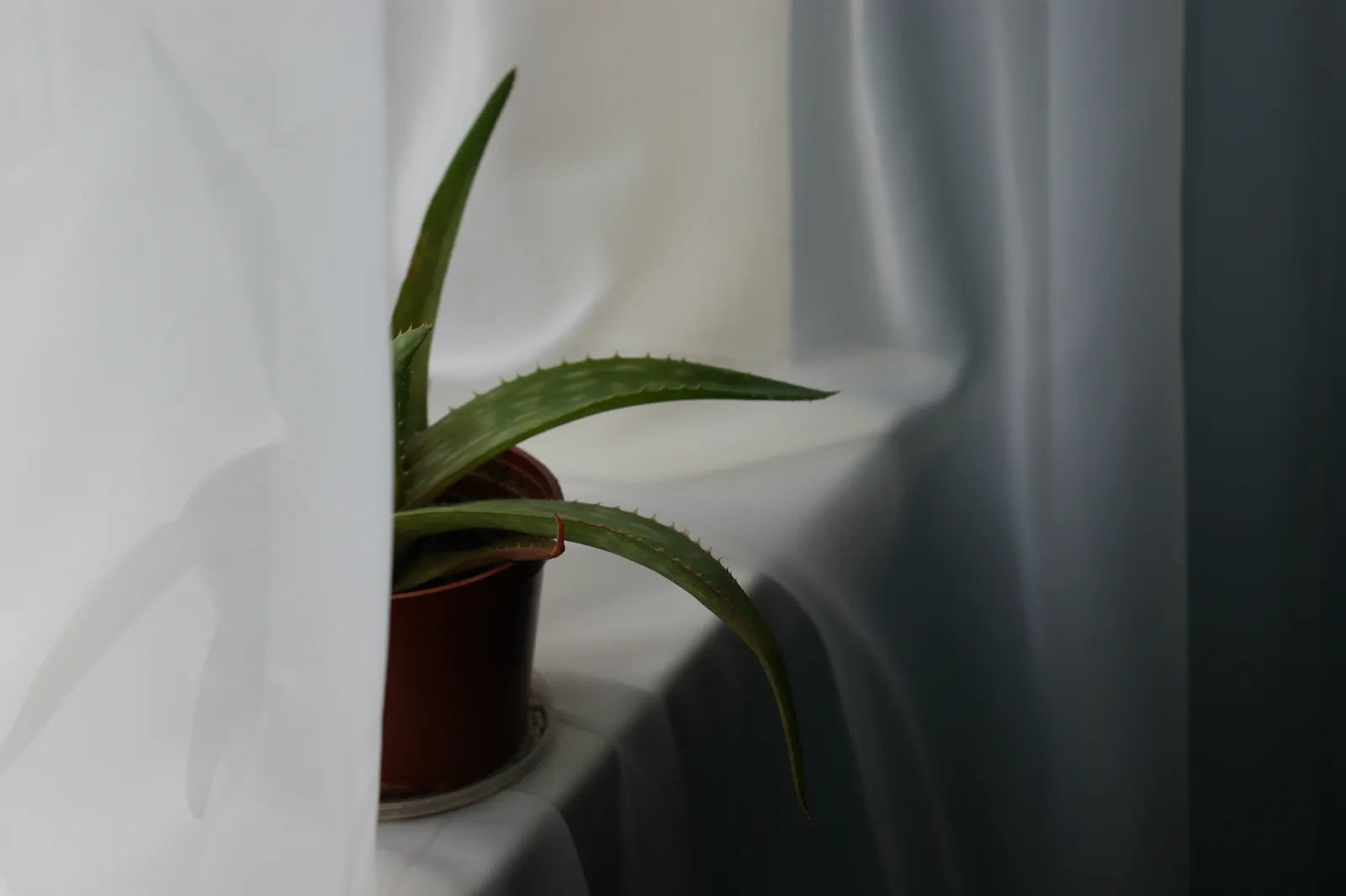
Position the plant to receive ample bright, indirect sunlight, ideally near south or west-facing windows indoors. Outdoors, while avoiding direct sun exposure, it can grace a patio in a location that receives abundant indirect light. Increased sunlight encourages more vigorous growth, particularly during the summer months. Conversely, growth naturally moderates during the winter, when the plant may enter a period of dormancy.
Step 4: Nourishment Through Fertilization
During the active growing season of summer, a light application of a low-nitrogen succulent fertilizer or a diluted general plant fertilizer can support continued growth and overall vitality.
Maintaining Your Aloe Vera Plant’s Well-being
The inherent low-maintenance nature of Aloe Vera makes it an ideal choice for those with busy lifestyles or limited horticultural experience. However, attention to soil and potting conditions is crucial for its health, according to gardening expert Lotte Berendsen. Here are key care considerations:
Step 1: Prioritize Well-Draining Substrate
Given their water-storing leaves, Aloe Vera plants necessitate a substrate that drains effectively, coupled with pots featuring drainage apertures to avert waterlogged conditions, which can precipitate root rot. A cactus soil mix is highly recommended for this purpose.
Step 2: Illuminate with Bright, Indirect Light
These plants flourish with approximately six to eight hours of sunlight daily, but direct sun exposure should be avoided. Placement near a south or west-facing window is ideal. Aloe Vera thrives in environments that mimic its native arid, warm climate. Excessive humidity should be avoided, and the plant should not be relegated to dimly lit corners.
Step 3: Judicious Watering Practices
As succulents, Aloe Vera plants require infrequent watering. Ascertain that the soil is dry to the touch before watering. A visual cue for thirst can be observed in the deflation and wrinkling of the leaves, which should rehydrate after watering.
Step 4: Conservative Fertilization
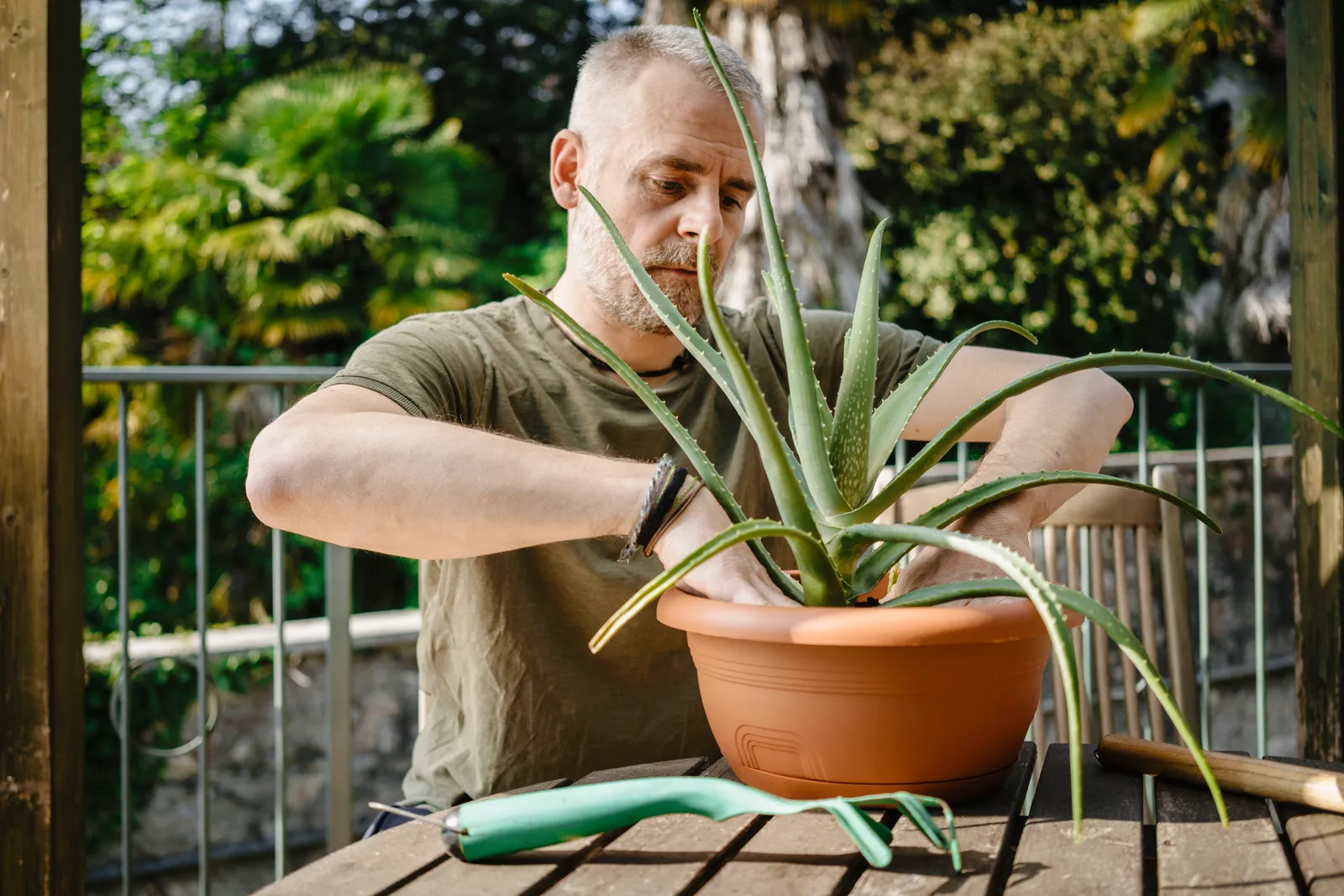
While fertilizer is not essential, a nutrient-rich option, such as fish emulsion, can be incorporated during repotting to provide a beneficial boost.
Frequently Asked Questions
What is the expected lifespan of an Aloe Vera plant?
With proper care, particularly avoiding overwatering, Aloe Vera plants can thrive for an impressive 5 to 25 years. However, their substantial growth over time may eventually necessitate their relocation from indoor settings.
Can Aloe Vera be overwatered?
Indeed, overwatering is the most common cause of demise for Aloe Vera plants. Their ability to store water in their leaves means they require minimal hydration. When in doubt, it is advisable to err on the side of caution and delay watering. Watering typically occurs every four to six weeks, with increased frequency possible during the active summer growth period and a reduction or cessation during the winter dormancy.
How should one harvest Aloe Vera?
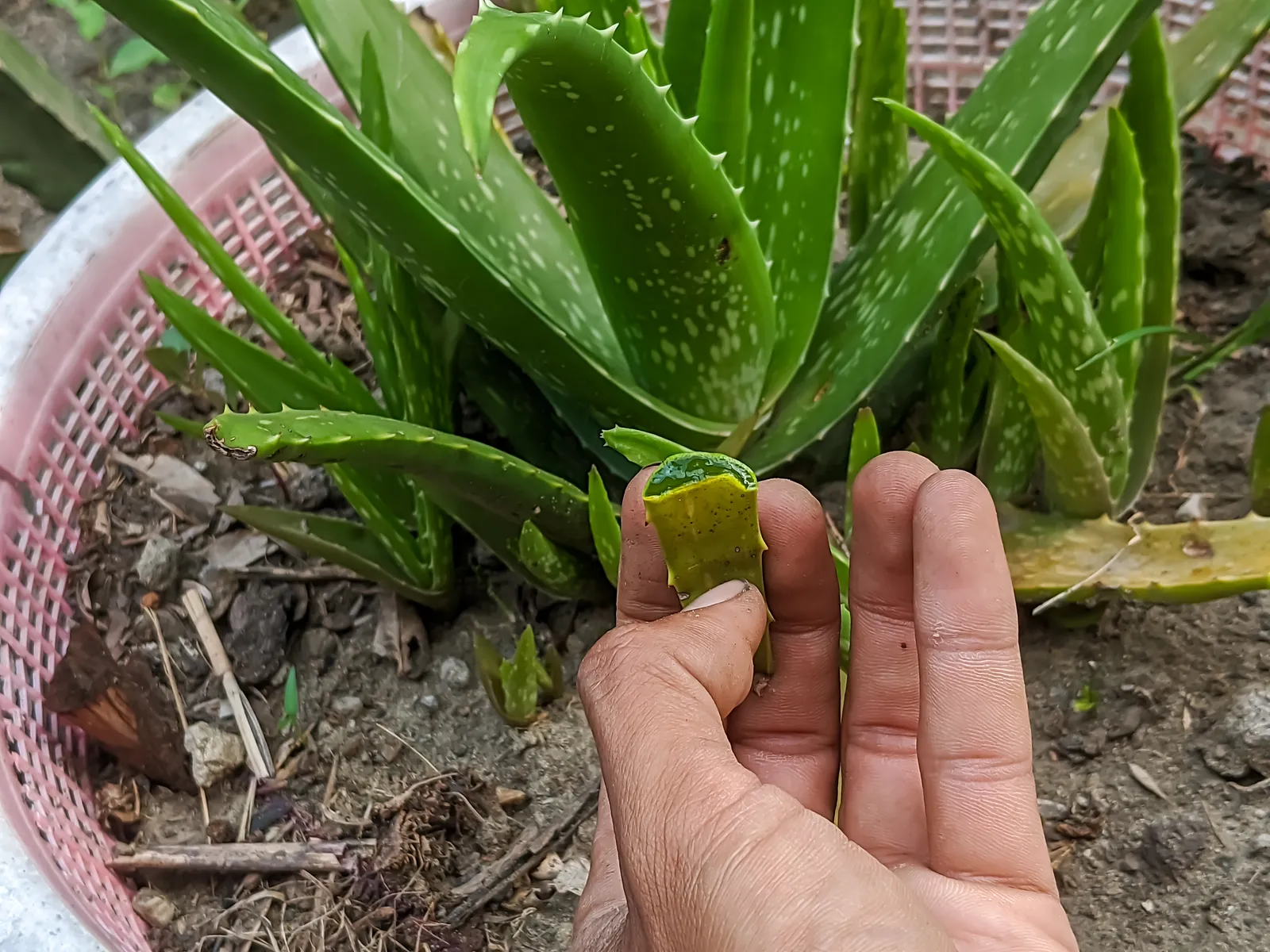
Select a mature, healthy outer leaf and carefully cut it at the base using sharp shears or a knife. Allow the yellow sap (aloin) to drain from the cut end, as excessive amounts can cause skin irritation. Subsequently, slice the leaf open and extract the clear gel. Rinse if necessary and store the gel refrigerated for up to a week, or freeze in ice cube trays for extended preservation.
Is Aloe Vera safe for pets?
Aloe Vera is not considered pet-friendly. The plant, including its gel, contains compounds that can induce gastrointestinal distress in animals, such as vomiting, diarrhea, and cramping. It is imperative to keep pets at a safe distance from Aloe Vera plants.
Does Aloe Vera require regular pruning?
Aloe Vera plants generally thrive with minimal intervention. Natural leaf shedding occurs, negating the need for routine pruning. However, removing dead, dying, or diseased leaves is beneficial for the plant’s health and aesthetic appeal. Ensure pruning tools are sterilized with rubbing alcohol and make cuts close to the main stem.
What are the optimal pots and containers for Aloe Vera?
Terracotta pots with drainage holes are highly recommended, as they facilitate soil aeration and prevent waterlogging. A soil mix comprising a 50/50 blend of potting soil and cactus mix provides the ideal gritty substrate.
Important considerations for medicinal use
While the gel can aid digestive health, consume it in moderation—one to two teaspoons are typically sufficient. Exercise caution to avoid harvesting the yellow sap (aloe latex) beneath the leaf’s skin, as it can cause digestive irritation and may significantly lower blood sugar, posing risks for individuals with diabetes or insulin sensitivity.
Business Style Takeaway: Integrating plants like Aloe Vera into one’s living or working environment offers a dual benefit of aesthetic enhancement and functional utility, aligning with a sophisticated lifestyle that values both natural well-being and refined interior design. This approach subtly elevates personal brand and contributes to a serene, well-curated space.
Original article : www.architecturaldigest.com