

Maximizing spatial potential is a fundamental tenet of sophisticated design, particularly when crafting an impactful environment within a more constrained footprint. Ground-level clutter can quickly diminish a room’s perceived scale, creating visual impediments. Rather than addressing the challenge at floor level, interior design experts advocate for leveraging the often-underutilized vertical expanse of walls and ceilings.
“Vertical space is crucial in any setting, but its judicious use is paramount in smaller rooms to create an illusion of grandeur,” advises designer Rayman Boozer of Apartment 48. “It guides the eye upward and around, expanding the perceived volume of the space.”
Designer Mandy Cheng concurs, emphasizing that vertical integration is key to achieving a harmonious interior. “When all visual weight is concentrated at the lower levels, a room can feel oppressive,” she notes. “Extending storage and design elements vertically introduces a greater sense of openness, allowing one to be enveloped by their surroundings rather than feeling confined by them.”
By strategically directing attention upward, one can cultivate an illusion of proportional, airy interiors, thereby enhancing the opportunity for a layered and curated aesthetic. The true elegance of styling vertical space extends beyond mere aesthetics, offering significant functional advantages. Floor-to-ceiling shelving transforms blank walls into valuable storage, while elongated drapery can imbue even the most modest structures with a sense of expansiveness. Monumental artwork can guide the eye through a space, fostering an immersive and intentional experience. Below, leading designers share their preferred strategies for optimizing vertical real estate and broadening design horizons.
Elevating the Ceiling as a Design Feature
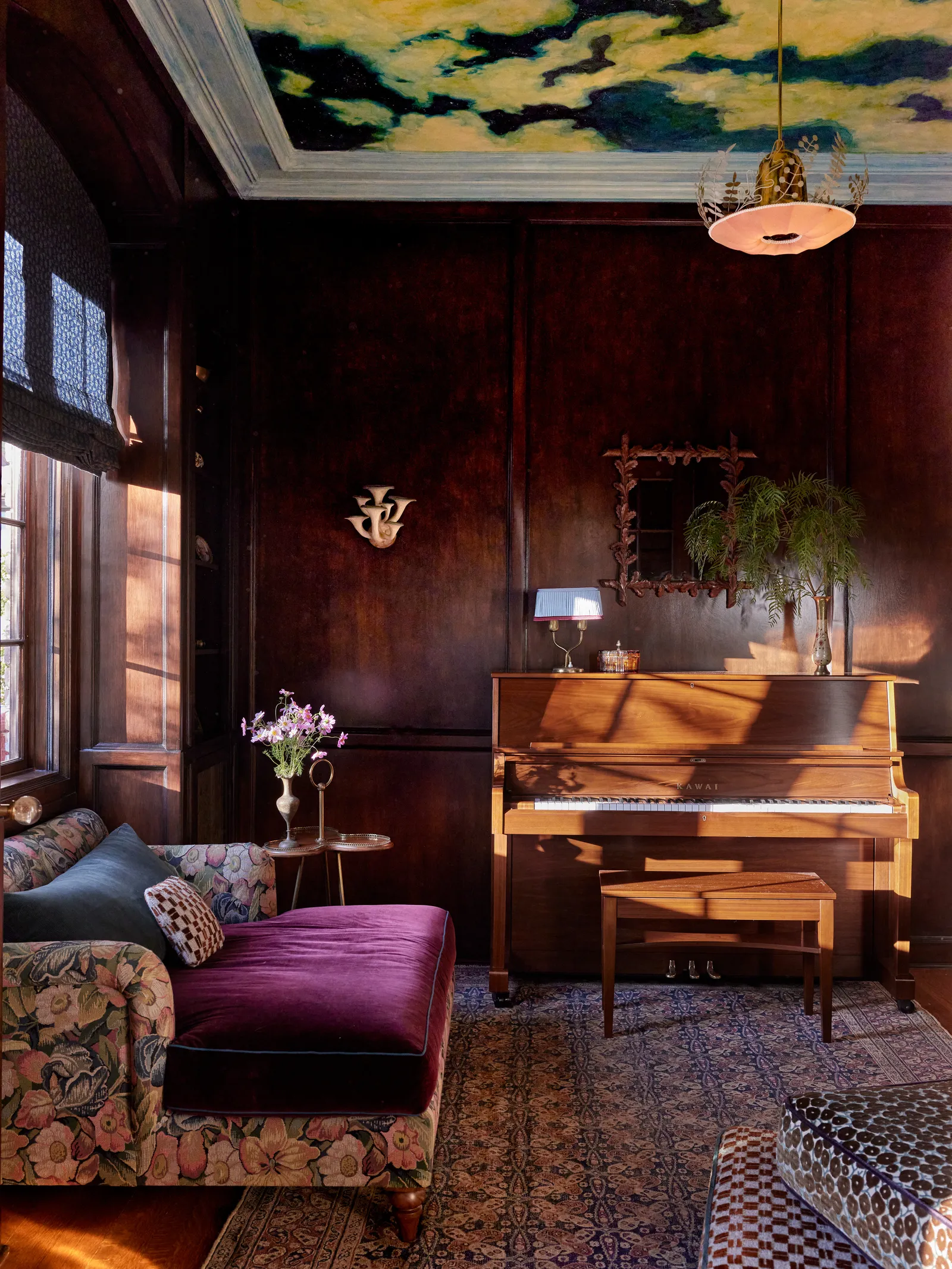
When considering the vertical dimensions of a room, the ceiling—often referred to as the “fifth wall”—deserves meticulous attention. Introducing design elements to the ceiling effectively unifies the entire scheme and adds a crucial layer of height and dimension. Beyond paint or wallpaper, which can seamlessly integrate with any palette, consider the refined touch of decorative crown molding. “Adding ornate crown molding is a superb way to draw the eye upward,” states designer Crystal Sinclair, “creating a distinct illusion of amplified space.”
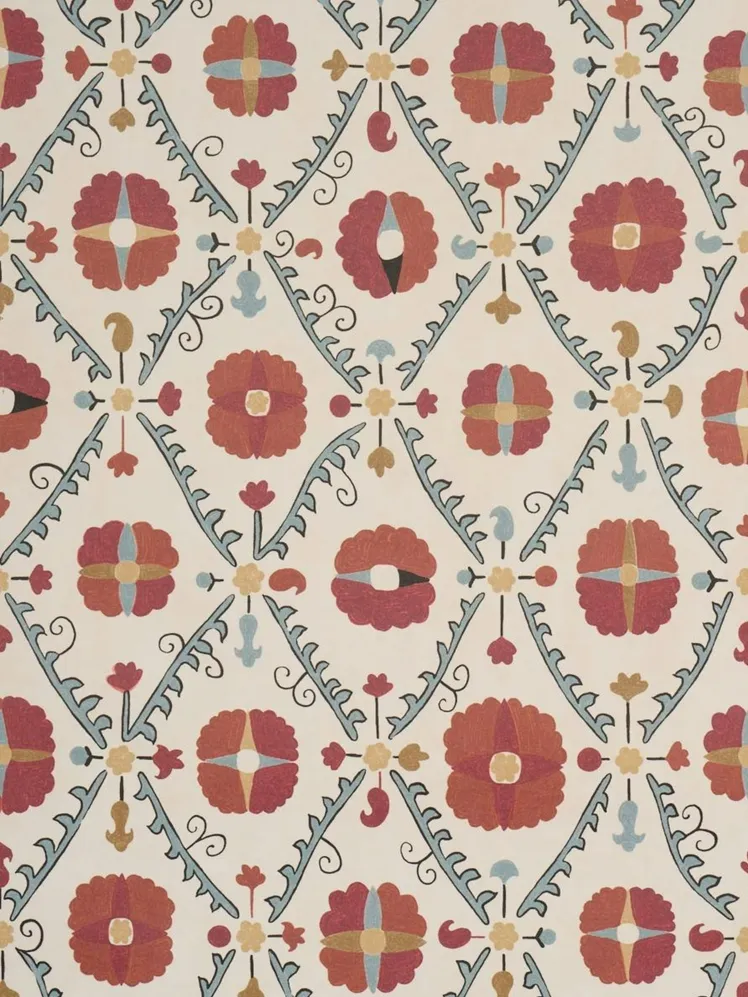
Backdrop Amal Artisan-Inspired Wallpaper
Backdrop

House of Hackney Stratus Wallpaper
House of Hackney
Achieving Height with Elongated Drapery
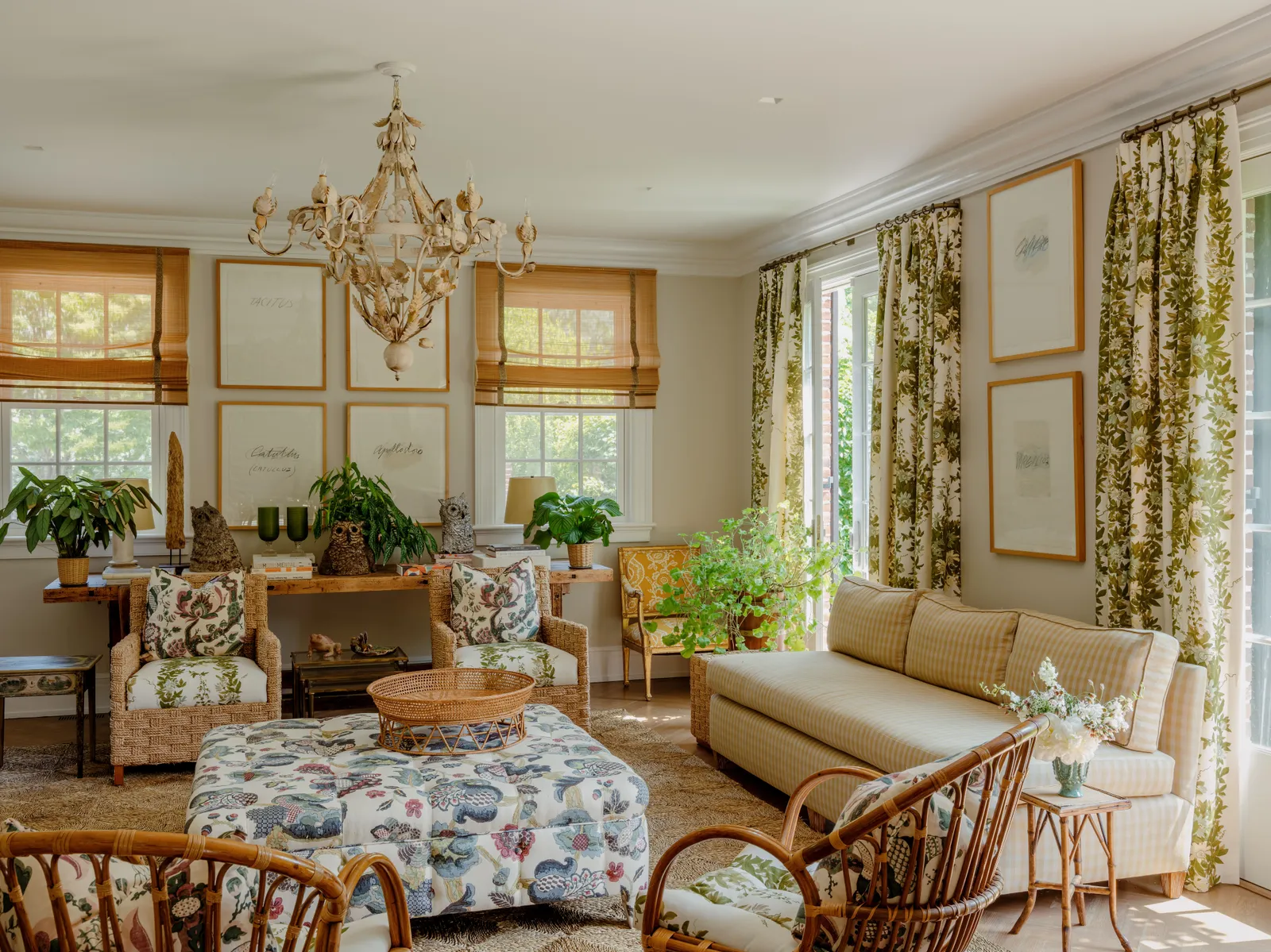
The classic strategy of employing floor-to-ceiling drapery remains exceptionally effective for enhancing a room’s verticality. “Drapery extending from ceiling to floor offers a prime opportunity to draw attention to the walls and visually lengthen the room,” explains designer Darlene Molnar. Instead of positioning the curtain rod directly above the window frame, she suggests mounting it closer to the ceiling. This technique allows the windows to appear taller, softens expansive wall surfaces, and convincingly deceives the eye into perceiving greater ceiling height.
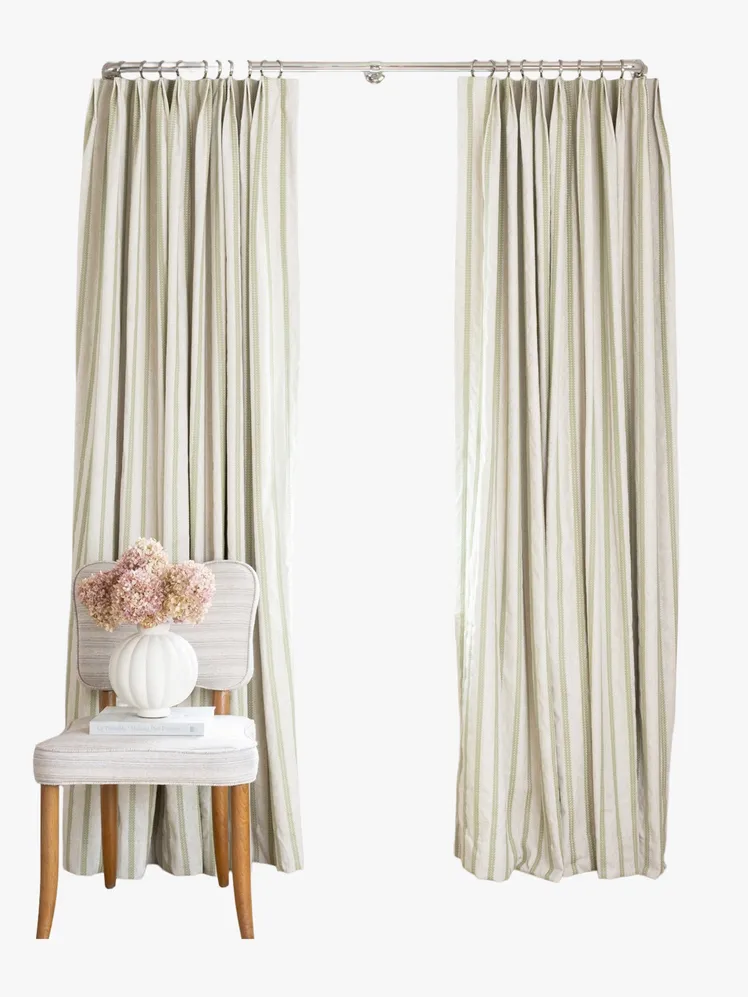
Pepper Home Vivienne Curtain
Pepper Home
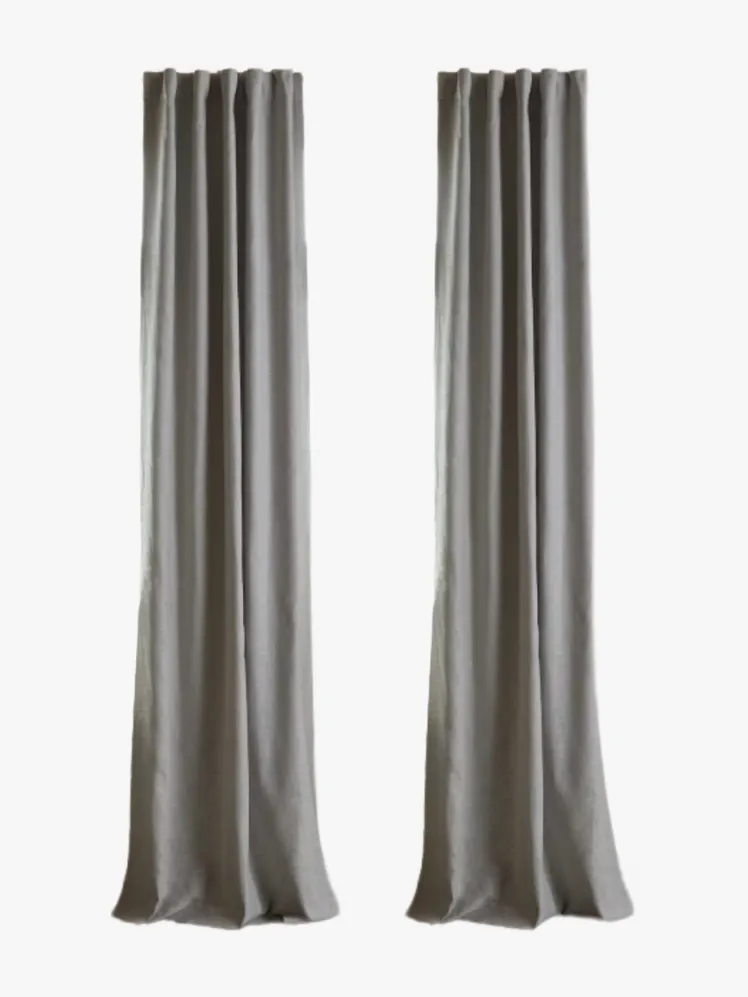
Quince Textured Cotton Room Darkening Curtain
Quince
Integrating Built-In or Freestanding Shelving
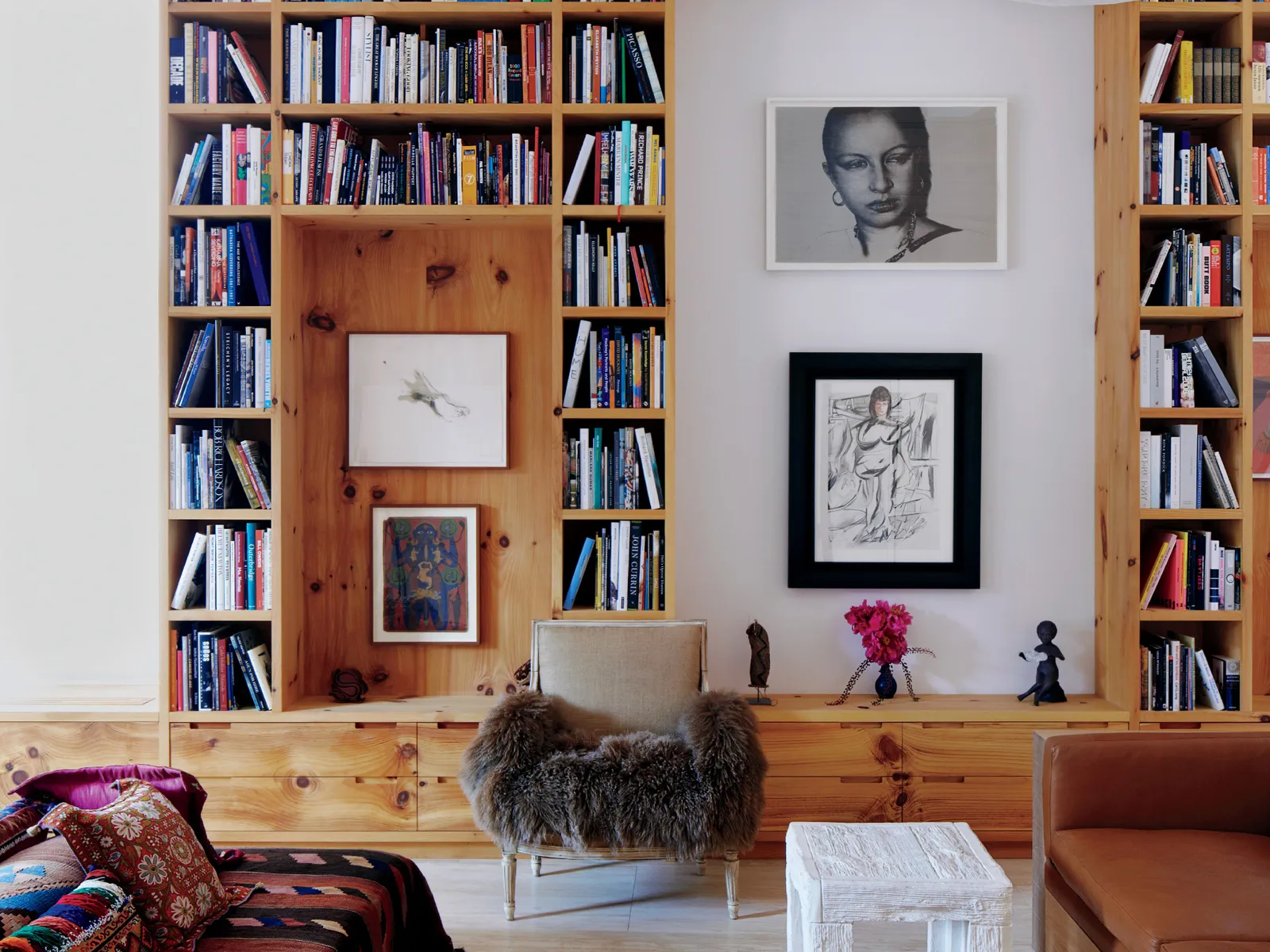
For many designers, custom, floor-to-ceiling shelving represents an unparalleled method for enhancing verticality and functionality. “Bespoke millwork is our preferred strategy for integrating storage and height into a room,” states Boozer, highlighting its capacity to seamlessly blend with existing architecture and optimize spatial utility, particularly in space-constrained environments.
Recognizing that bespoke solutions may not suit all budgets or residential arrangements, Cheng emphasizes the efficacy of high-quality prefabricated or DIY shelving. “In metropolitan areas like Los Angeles and New York, space is often at a premium, making the maximization of ceiling height a constant design imperative,” she explains. “When custom built-ins are not feasible, wall-hung shelving systems offer an excellent alternative.” Opt for modular configurations adaptable to your space or consider stylish, elevated étagères.
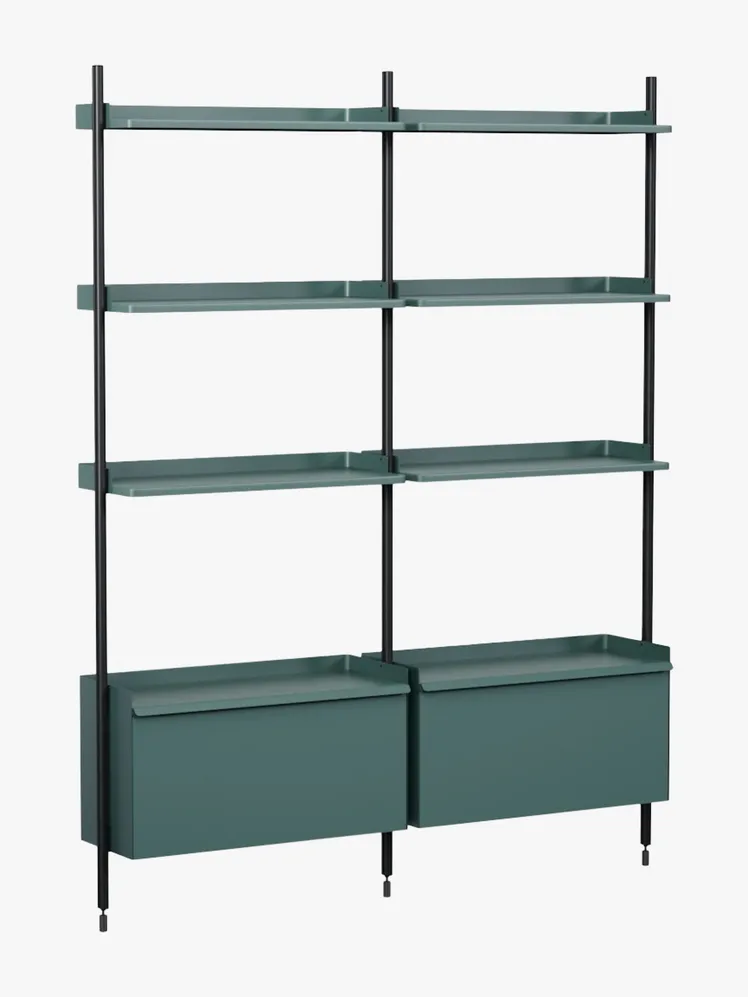
HAY Pier Library
Design Within Reach
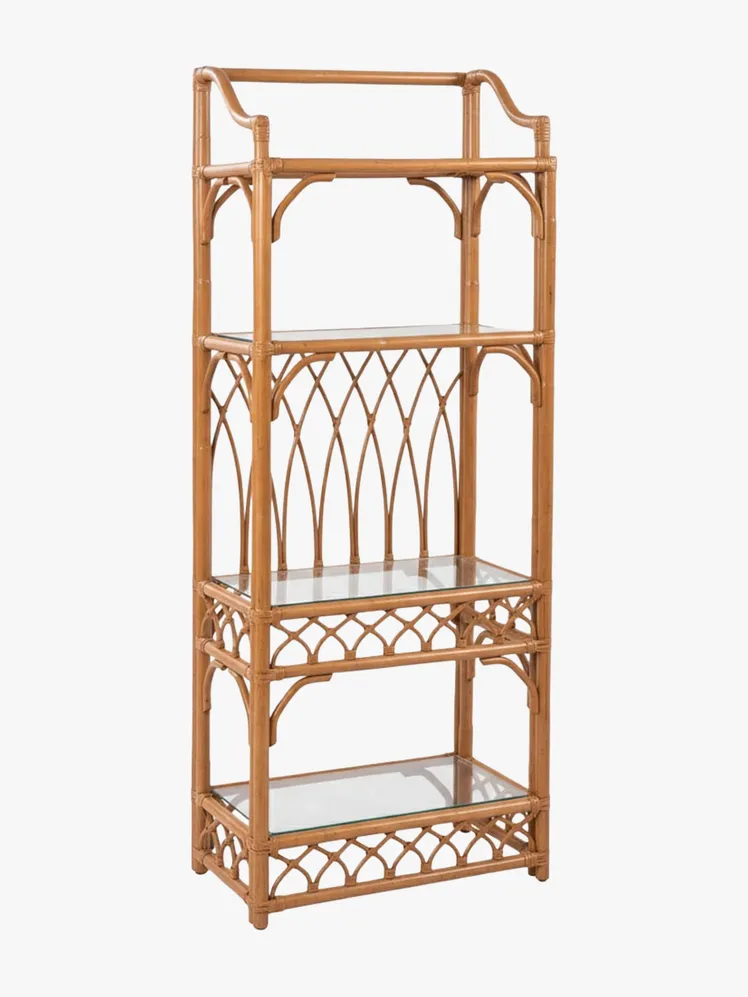
Kathy Kuo Home Daria Coastal Étagère
Kathy Kuo Home
Strategic Illumination for Vertical Emphasis
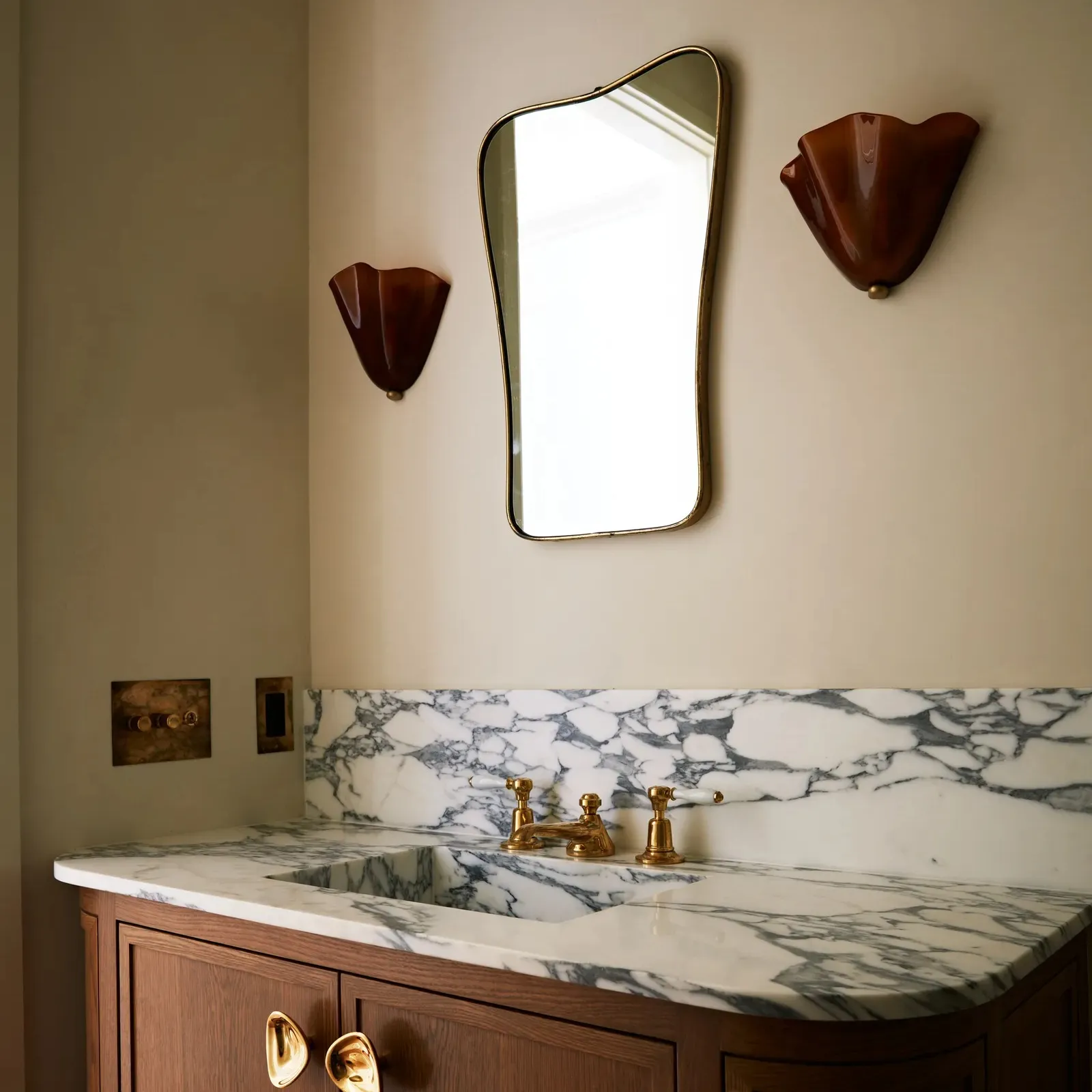
Layered lighting is instrumental in establishing ambiance, but it also serves as a potent tool for simulating the effect of voluminous ceilings. “The strategic use of sconces is paramount for emphasizing vertical height, especially those with upward-facing light,” remarks Molnar. “Directing light towards the walls draws attention to their texture, and when positioned above eye level, it elegantly guides the gaze upward, particularly in the evening.”
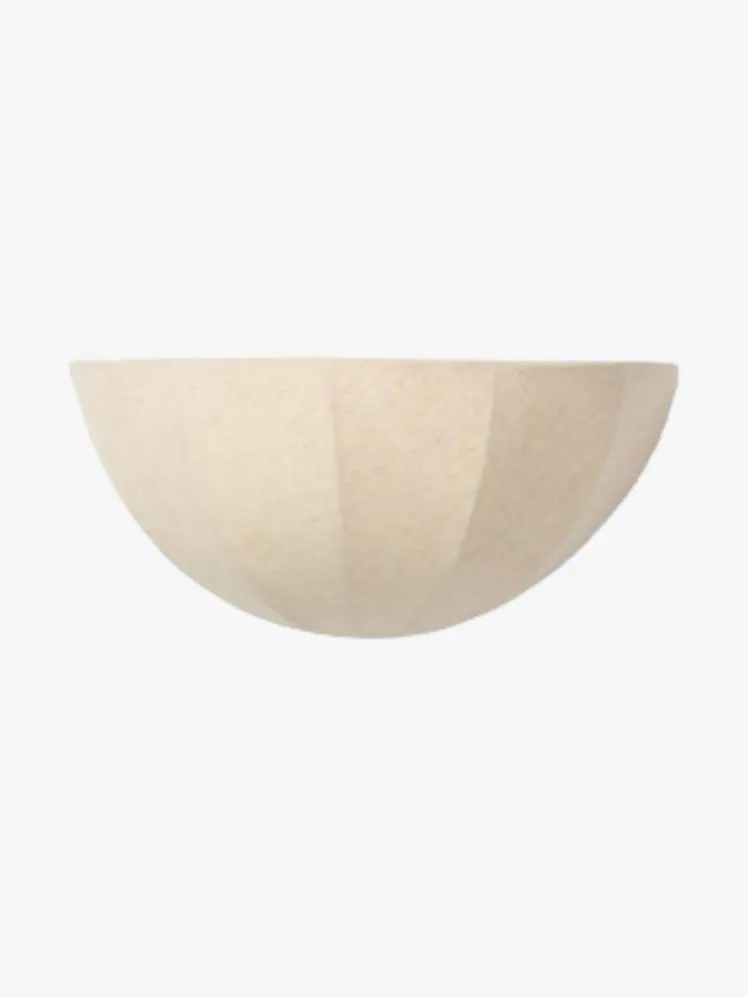
Lulu and Georgia Mahan Sconce
Lulu and Georgia
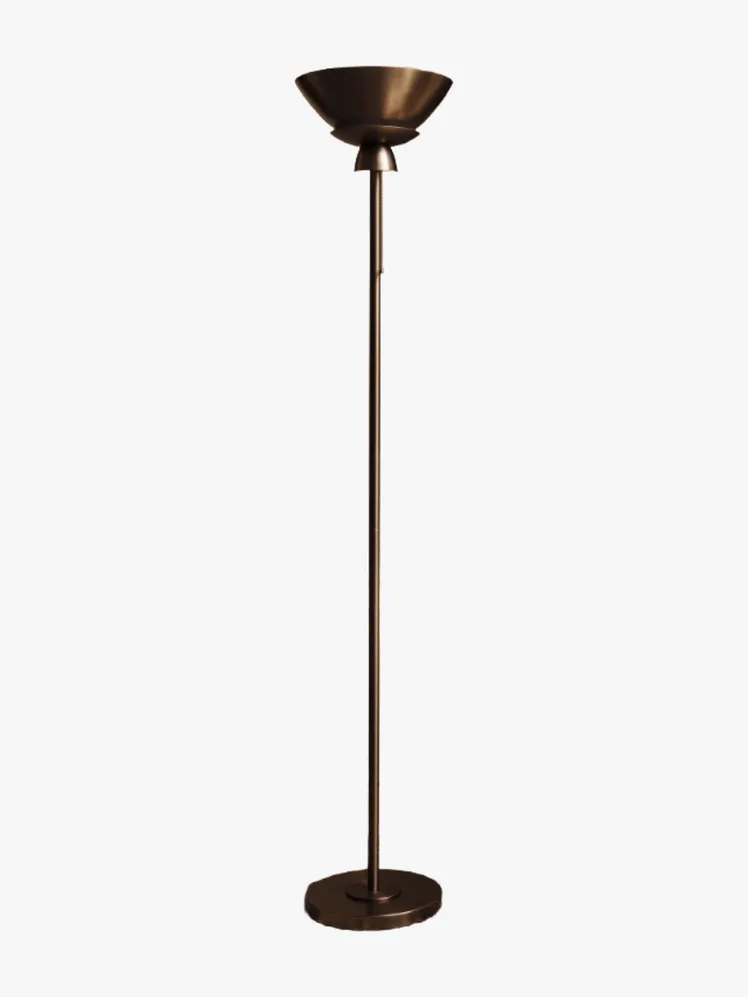
West Elm Colin King Torchiere Floor Lamp
West Elm
Leveraging Stripes for Vertical Elongation
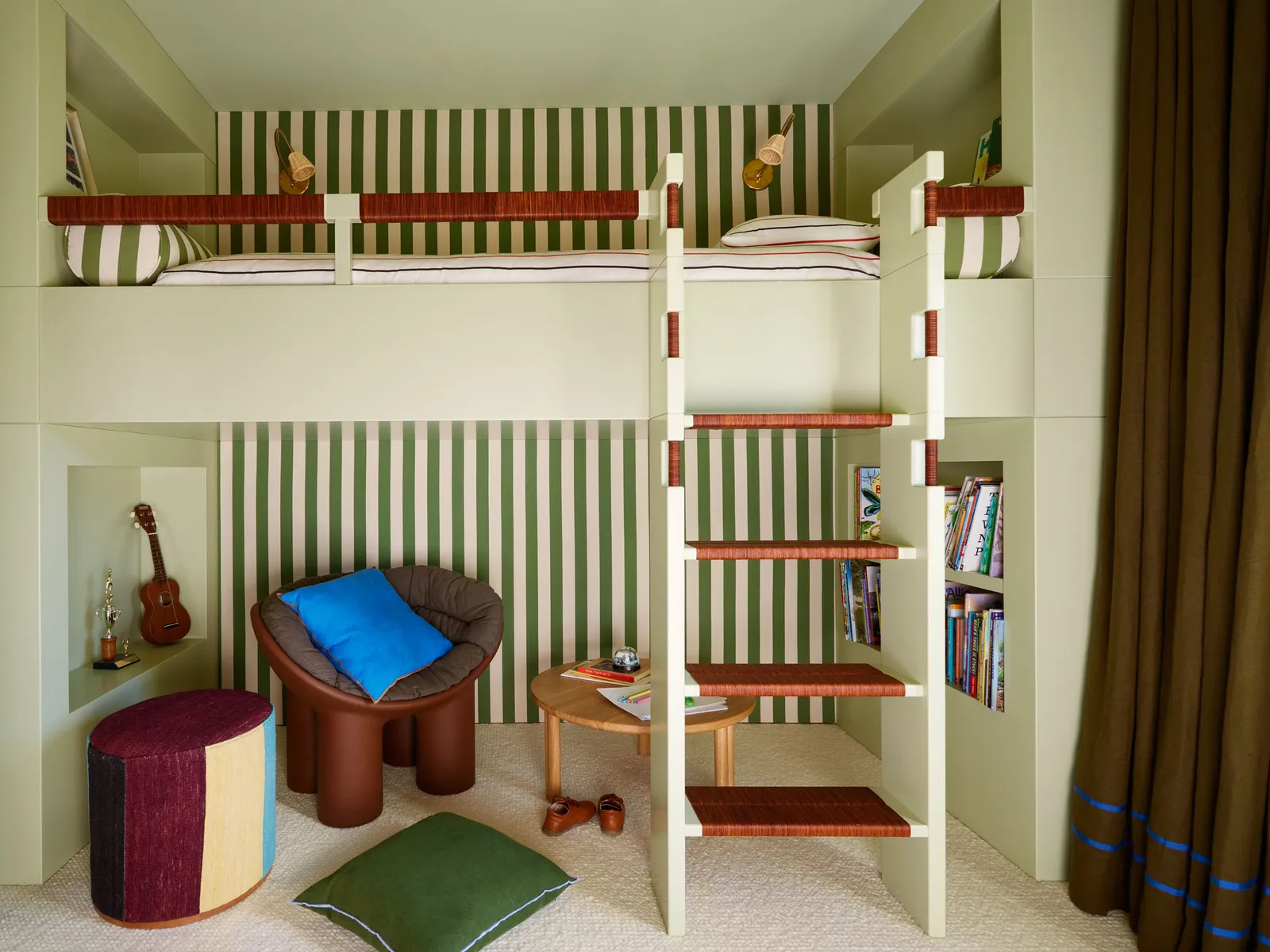
While various patterns can enrich a space, vertical stripes possess a unique ability to enhance height. “The timeless principle that stripes elongate is as applicable in interior design as it is in fashion,” observes Molnar. “Visually extending the walls in a compact space draws the eye upward, and wallpaper or drapes featuring linear patterns can dramatically accentuate a room’s verticality.”

Chasing Paper Heritage Stripe
Chasing Paper
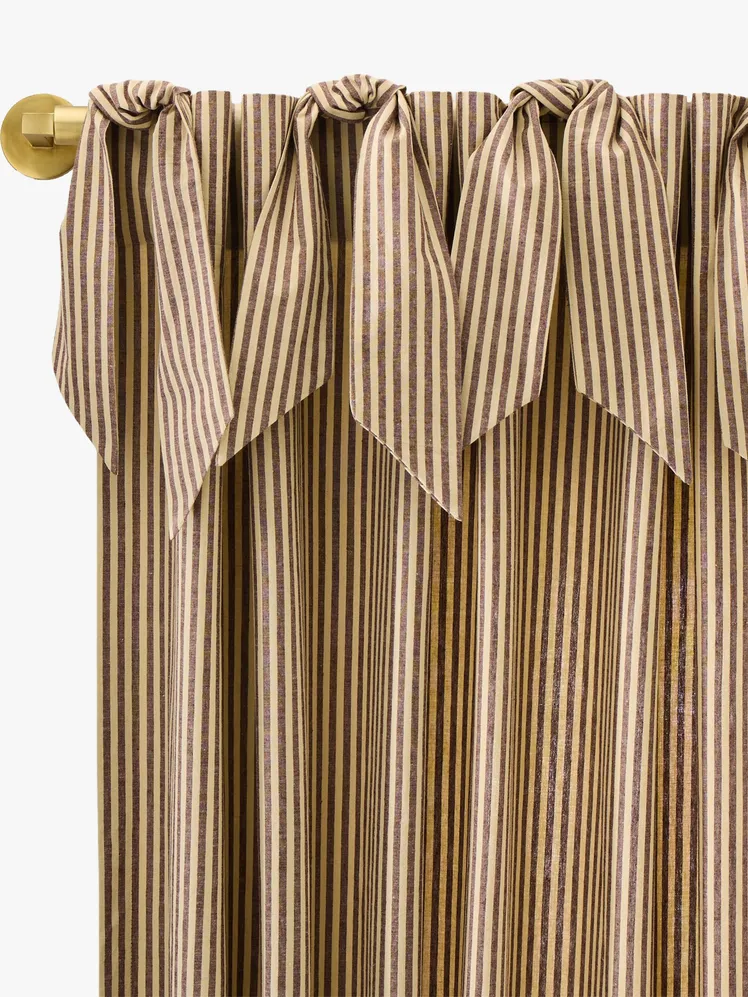
Pierce & Ward Cotton Linen Stripe Curtain
West Elm
Adopting a Museum-Inspired Approach to Art Display
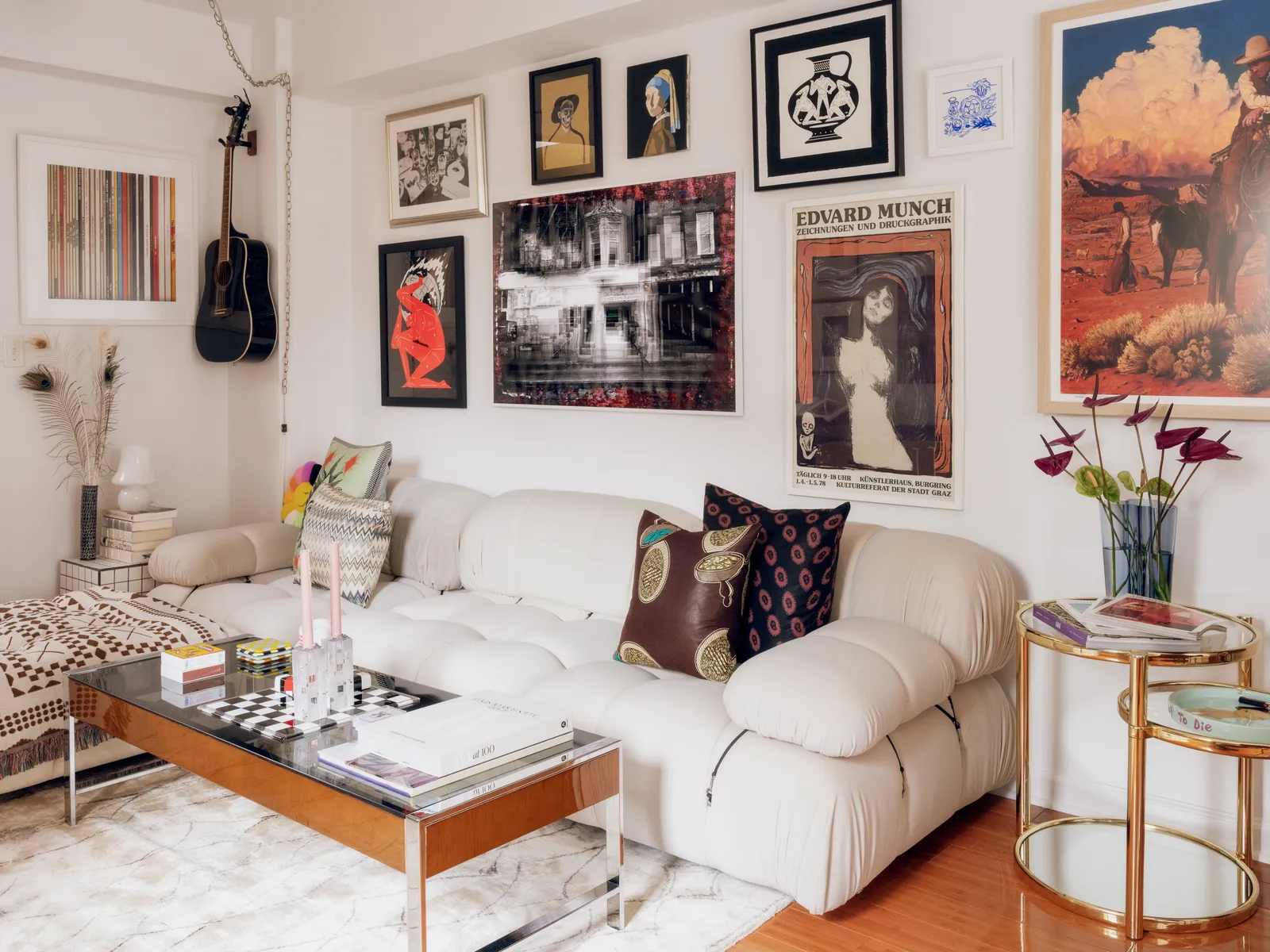
Curated gallery walls are a proven method for enhancing visual space, but the impact of a single, commanding piece of art should not be underestimated. “I advocate for incorporating large-scale art into interiors,” says Sinclair. “Such pieces naturally draw the eye upward, contributing to a perception of greater spaciousness.” To amplify this effect, consider pairing a statement artwork with a picture light, which introduces an additional layer of dimension and cultivates a sophisticated, gallery-inspired ambiance.
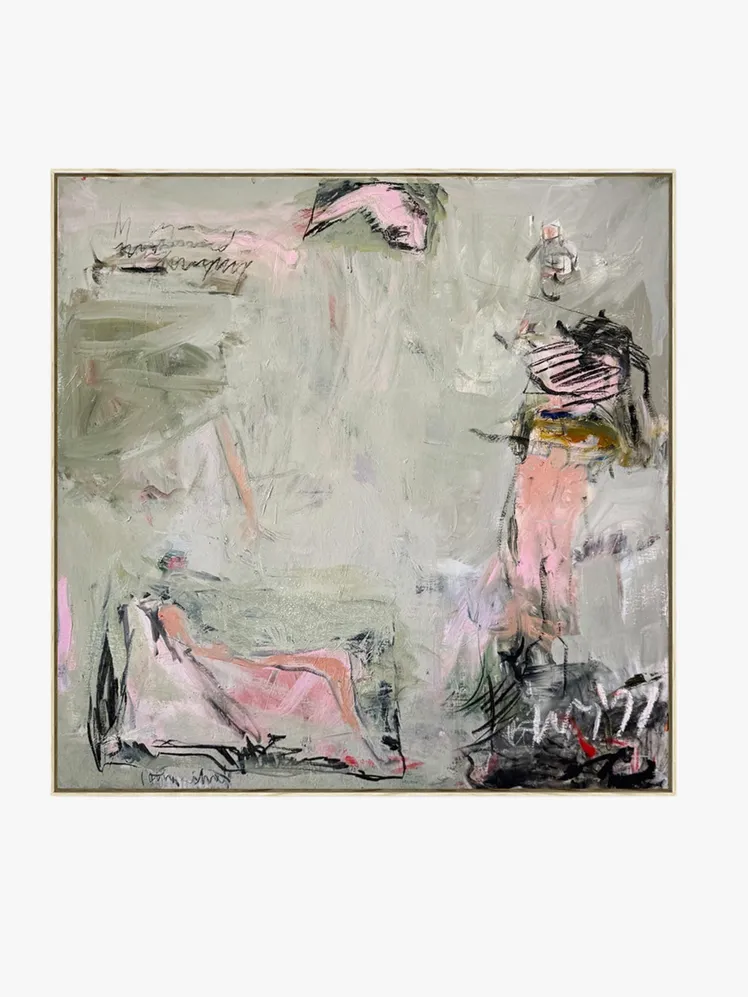
Petra Schott Unspecified Longings /Traces IV
Tappan Collective
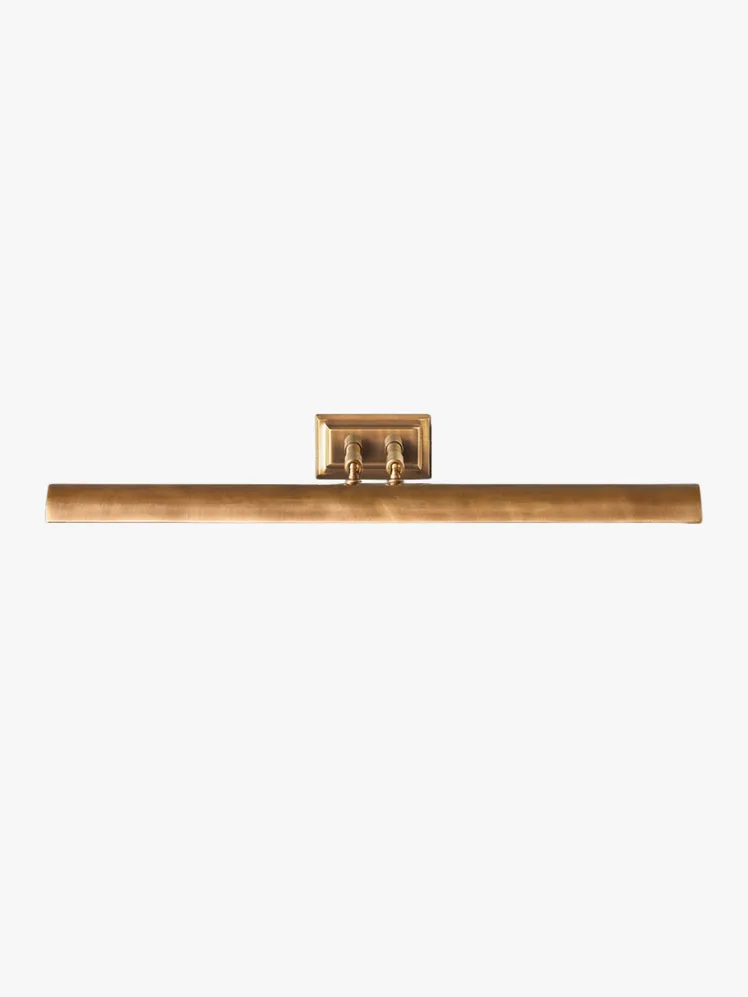
Larger Lautrec Picture Light
Pooky
Business Style Takeaway: This architectural and design philosophy focuses on maximizing perceived space through verticality, creating an environment that feels both expansive and meticulously curated. Such thoughtful application of design principles enhances personal brand presence by projecting an image of sophistication, attention to detail, and an elevated lifestyle.
Information compiled from materials : www.architecturaldigest.com