

Four decades after the debut of the cinematic classic *Ferris Bueller’s Day Off*, the film is indelibly linked to its iconic Chicago locales, from vibrant street parades to esteemed cultural institutions. Yet, one of its most profound visual statements resides in a secluded woodland glass sanctuary: the modernist pavilion housing Cameron Frye’s father’s prized Ferrari. This architectural marvel, an integral part of the Ben Rose House, masterfully articulates the film’s core theme of tension between liberation and restraint, echoing Ferris’s sentiment, “The place is like a museum. It’s very beautiful and very cold, and you’re not allowed to touch anything.”
Nestled in Highland Park, Illinois, the residence was originally commissioned in 1953 for textile designer and photographer Ben Rose and his wife, Frances. Crafted by A. Joseph Speyer, an architect influenced by Mies van der Rohe, the design embodies Speyer’s signature use of steel, glass, and expansive openness. Spanning 5,300 square feet, the home offers four bedrooms and three bathrooms. Its most celebrated feature, however, is the distinct automobile pavilion, conceived in 1974 by David Haid, a former student of Speyer. Architected to elegantly display the Rose family’s automotive collection, its cantilevered glass facades appear to float above the surrounding landscape, presenting the vehicles as precious exhibits.
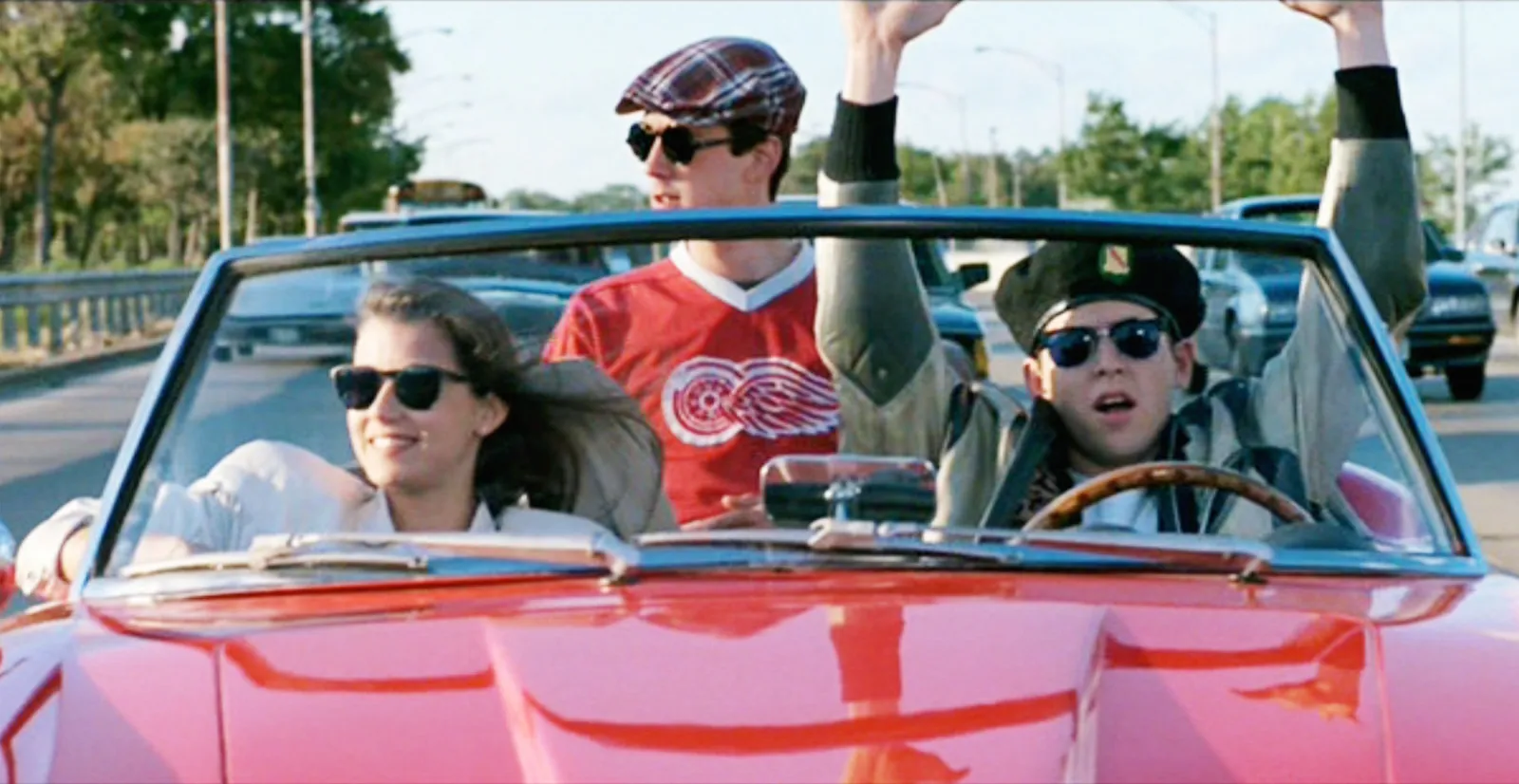
“That particular architectural style evokes a sense of intrigue,” observes Josh Klamm, author of the recent book *Ferris Bueller…You’re My Hero*, which chronicles the film’s production. “It prompts questions about its inhabitants and their unique lifestyle. The design feels aspirational yet unconventional, often signaling that unusual events are about to unfold within a cinematic narrative.” This foreshadowing proves prescient, preceding both a thrilling joyride through Chicago in the Ferrari and an ensuing automotive mishap.
The Ben Rose House’s Cinematic Emergence
In 1985, director John Hughes embarked on a search through his childhood Chicago suburbs for a residence that could succinctly convey Cameron’s complex family dynamic—a blend of affluence, emotional distance, and parental absence. The Ben Rose House captured his attention, its very structure speaking volumes without dialogue. Though Cameron’s father is a peripheral figure in the film, the pavilion serves as a powerful proxy for his character. The Roses, enthralled by the prospect of a Hollywood feature, agreed to lease their home for $5,000. “Ultimately, that sum wasn’t his primary motivation,” notes Klamm, who conducted extensive research for his book, interviewing over 120 individuals connected to the film, including the children of both Mr. Rose and Mr. Haid. “He simply found the idea appealing—and for the affluent, boredom can be a powerful motivator.”
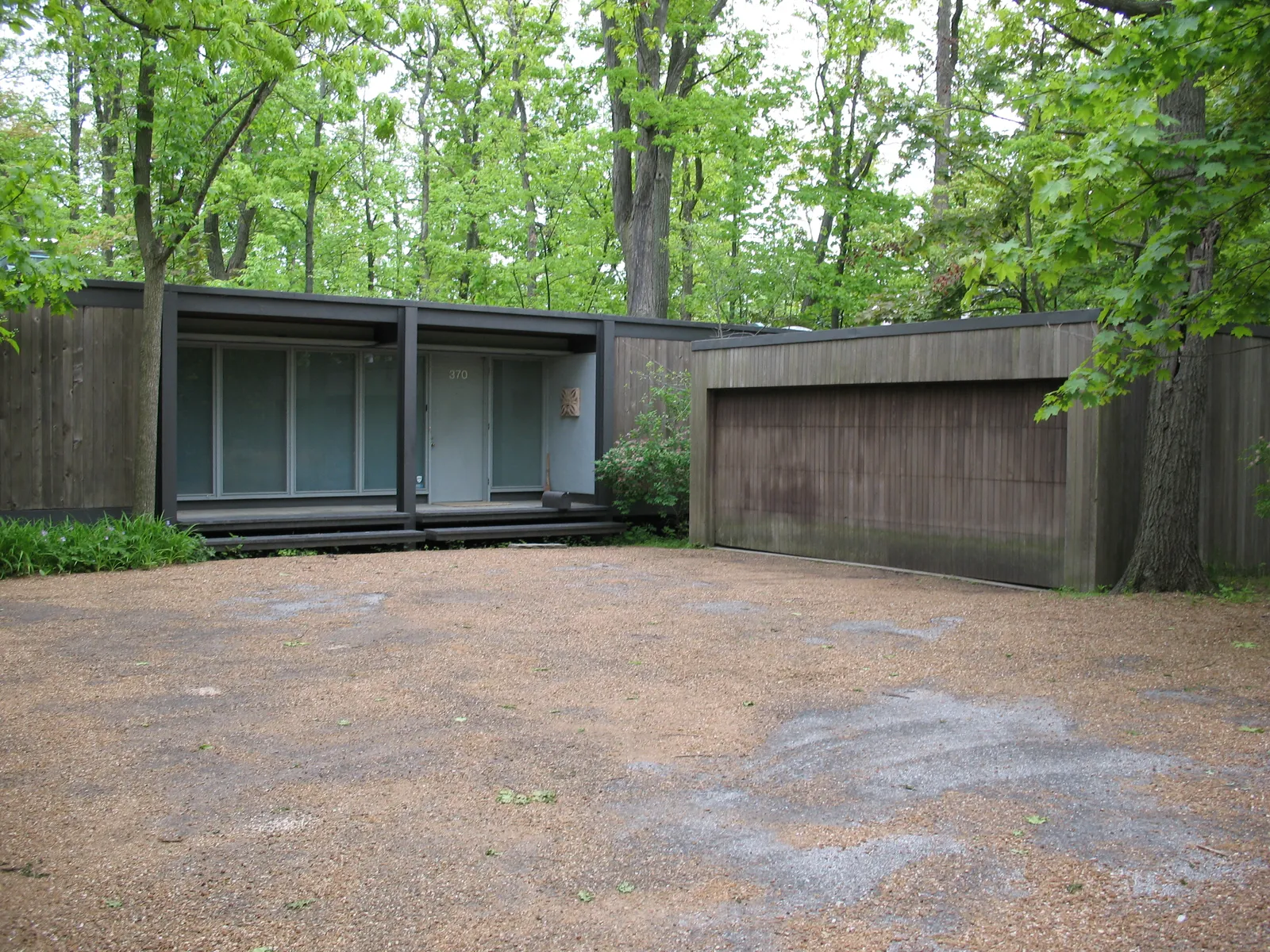
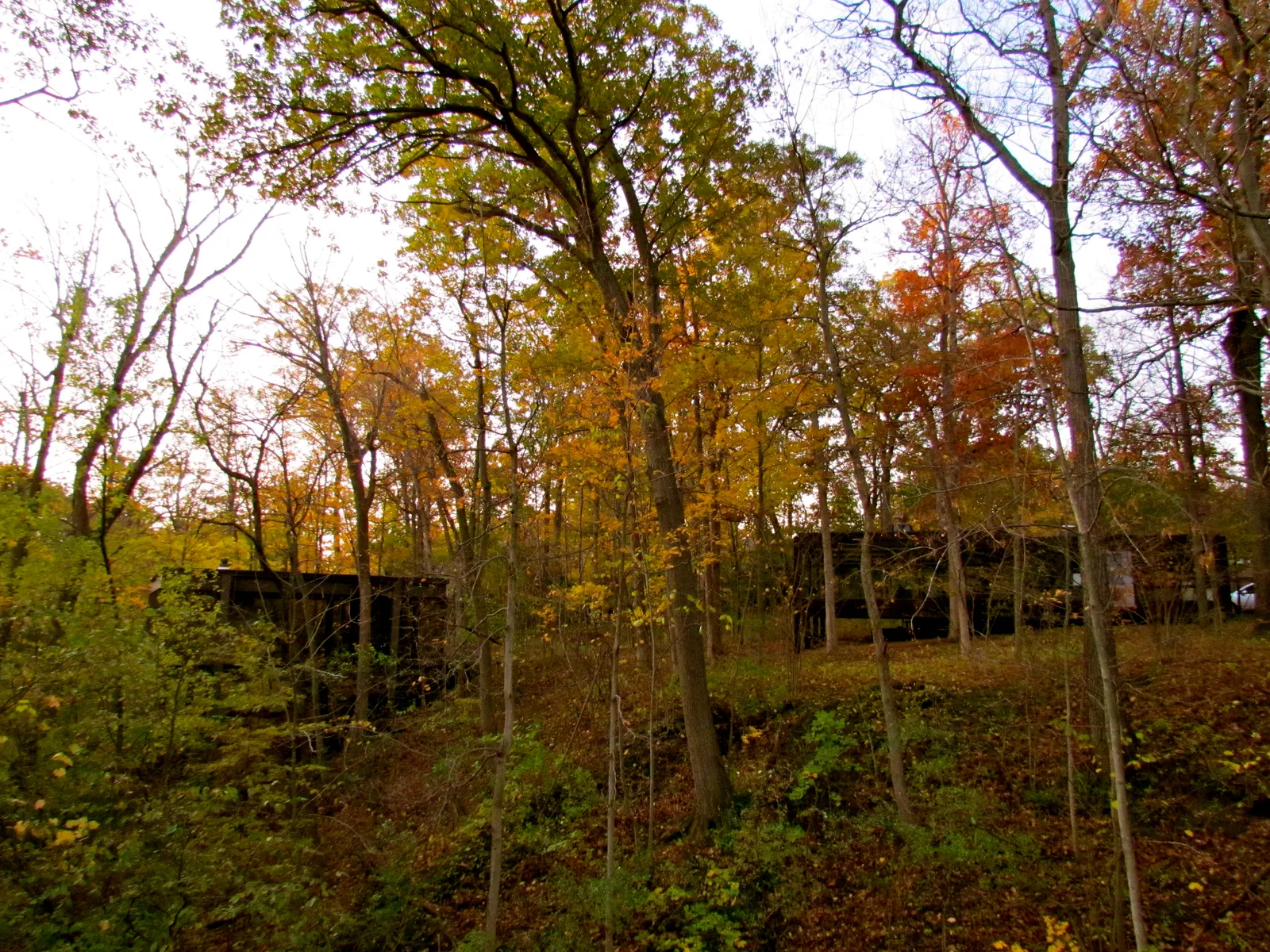
The film’s dramatic climax, where the protagonists attempt to reset the Ferrari’s mileage by reversing it onto blocks, escalates into a moment of profound frustration for Cameron. His agitated kick sends the car careening through the glass pavilion and down an embankment. “The original script depicted a different scenario,” Klamm reveals. “Cameron deliberately struck the car, causing it to exit a driveway and collide with a tree stump. However, upon witnessing the Ben Rose House and its distinctive pavilion, Hughes revised the scene, adapting it specifically for the location. The car’s dramatic exit through the glass became an iconic element of the film due to the architectural setting.”
Crafting the Unforgettable Car Destruction Sequence
The meticulous staging of vehicular destruction at such a significant architectural site presented considerable challenges. David Haid was commissioned, for a fee of $25,000, to orchestrate the crash sequence while preserving the integrity of the pavilion itself. To maintain structural consistency and achieve the desired patina on camera, each glass panel of the structure was replaced with breakable substitutes. A specialized team, led by Oscar-winning special effects artist John Frazier (*Spider-Man 2*), undertook this intricate task, with assistance from skyscraper construction professionals from Chicago. Addressing a common query regarding the film, it’s important to note that no actual 1961 Ferrari 250 GT California was damaged during filming; a meticulously crafted fiberglass replica was used for the climactic crash.
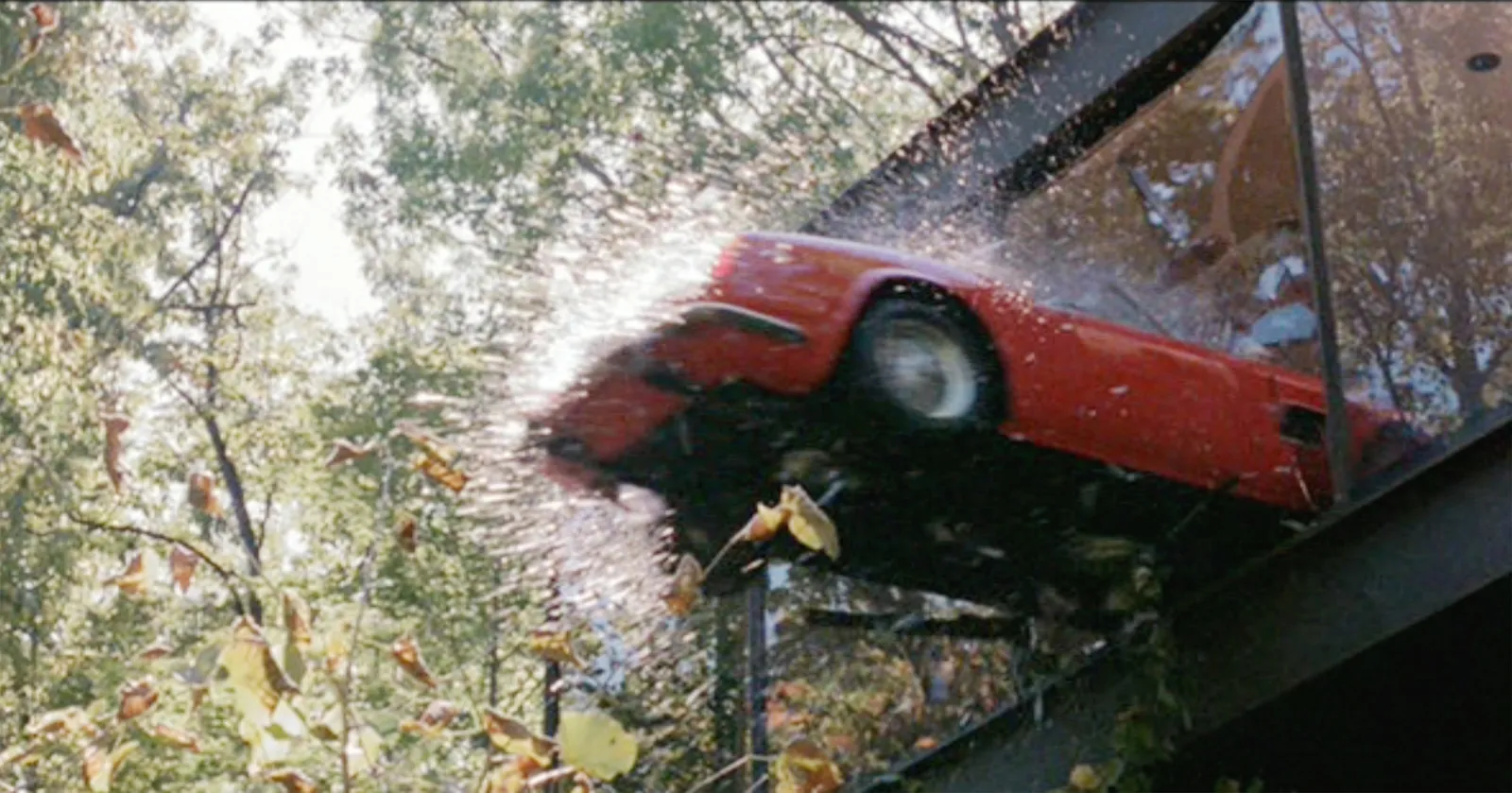
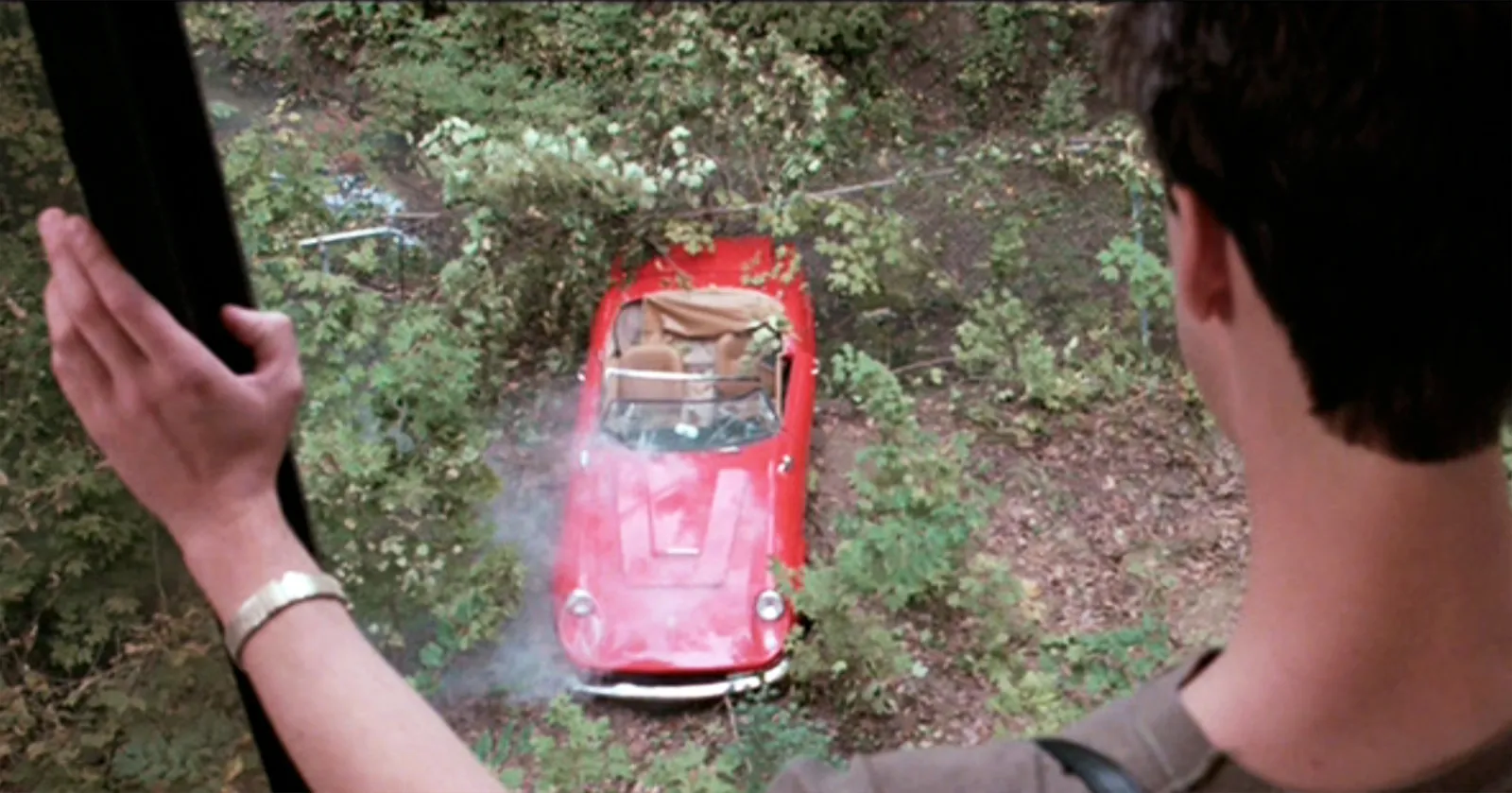
During the filming of the pivotal scene, “the crew had essentially one opportunity to achieve the desired outcome,” recounts Klamm. With ten cameras documenting the action, the replica car dramatically breached the glass enclosure and descended as planned. “The shot was captured successfully, prompting applause from the entire crew. However, John Hughes expressed dissatisfaction, remarking, ‘I think it looks like shit.’ His precise reason remained unclear, yet the final result was, in retrospect, perfect.”
The Ben Rose House in Contemporary Times
The property garnered significant renown due to its role in the film. However, when it was placed on the market in 2009, it failed to secure a buyer. A 2011 Chicago Tribune report quoted the listing agent stating, “Famous houses are notoriously difficult to sell. Most families are deterred by the prospect of constant public attention from passersby taking photographs.” The property eventually sold in 2014 for $1.06 million to its present owners, a considerable reduction from its initial asking price, which an agent had estimated could have reached $5 million.
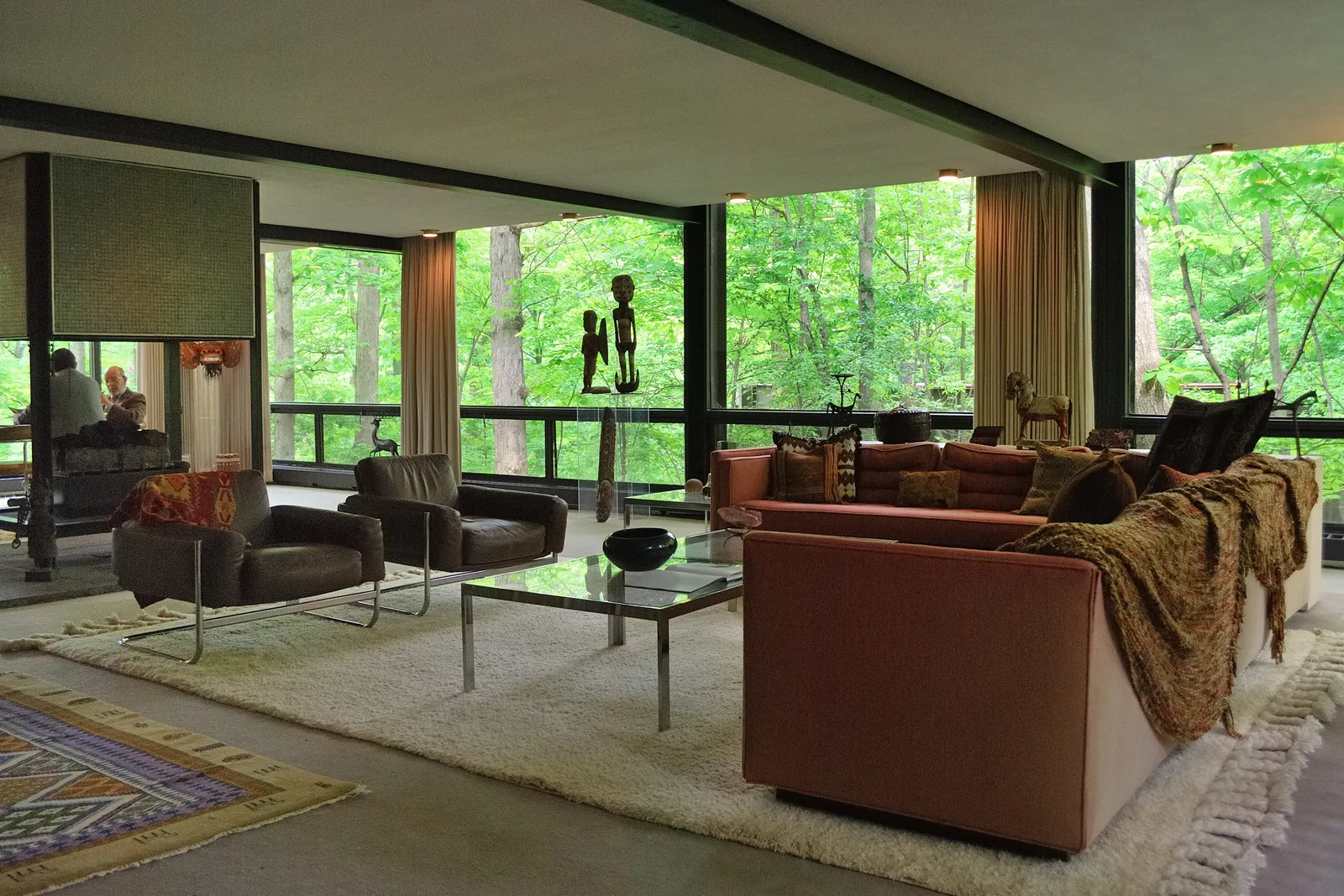
The current custodians of the estate have undertaken sensitive renovations, notably incorporating an underground garage while preserving the iconic glass pavilion. “This decision prompted surprise among some individuals familiar with the property and its cinematic history, though it’s not accurate to suggest universal disappointment,” states Klamm. “It remains a private residence, and adaptations are to be expected.”
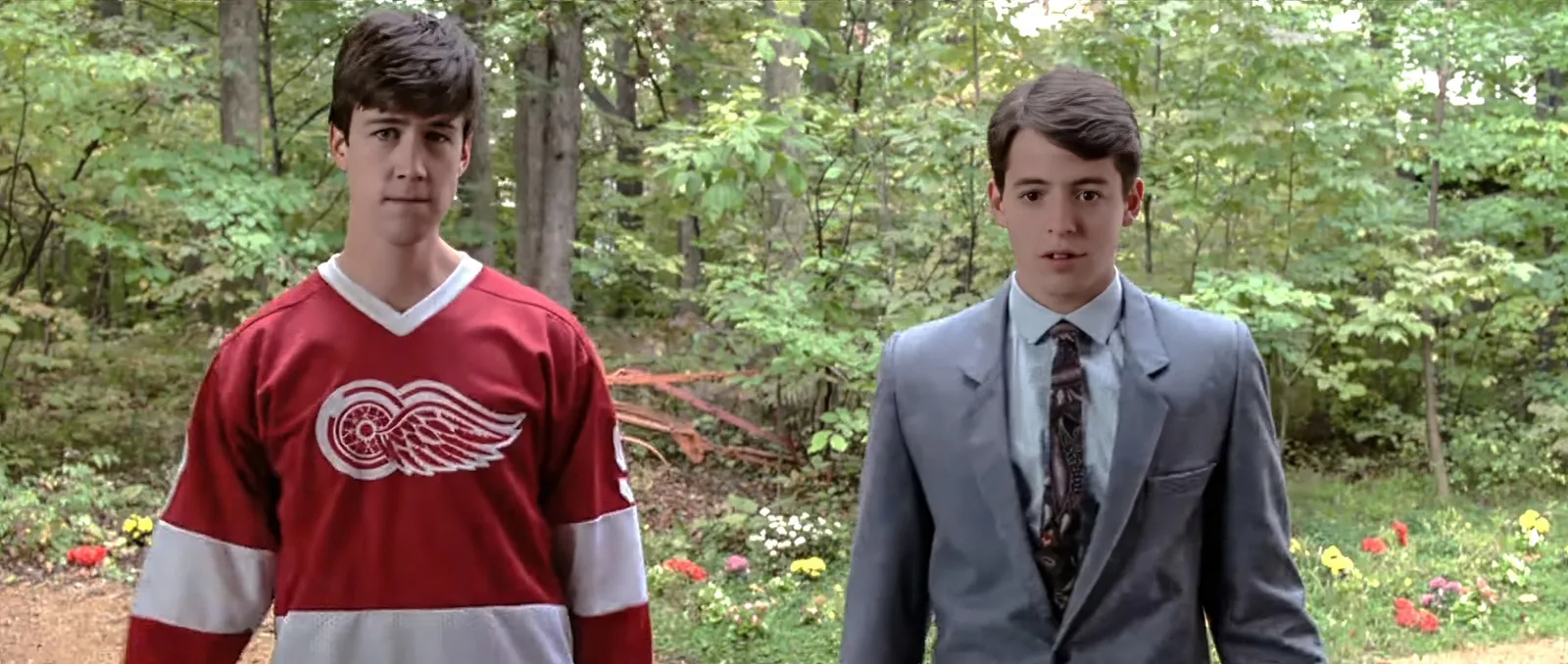
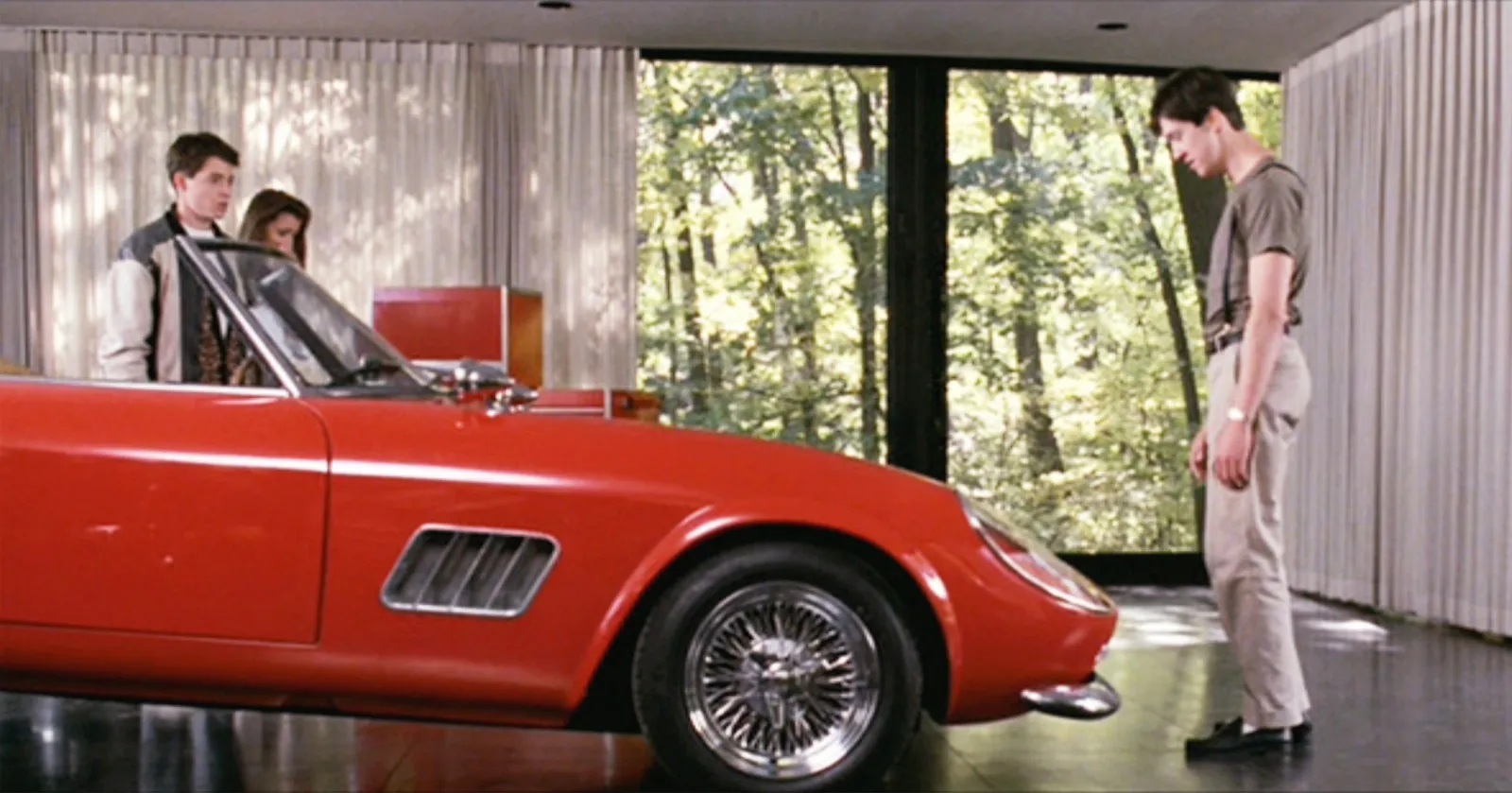
The famed pavilion, a silent witness to the on-screen spectacle, is remembered not solely for the dramatic crash. “The automotive scene at the house is pivotal to Cameron’s character development, representing his most significant emotional journey within the film,” explains Klamm. “The scene leverages the implied wealth of both the Ferrari and the residence to amplify the dramatic stakes. This culminates in arguably the most resonant and authentic interaction between Ferris and Cameron, and potentially the most emotionally significant moment in the entire movie.”
Business Style Takeaway: The Ben Rose House exemplifies how architectural design can serve as a powerful narrative tool, reflecting personal status and emotional complexity. Its enduring appeal lies in its ability to evoke a sense of aspirational living while subtly communicating underlying character dynamics, thus enhancing the perception of a sophisticated and storied personal brand environment.
Source: : www.architecturaldigest.com