

Elevate your living space with custom-designed built-in bookshelves, a sophisticated fusion of architectural integration and interior design that offers both aesthetic appeal and practical storage.
The Art of Built-In Bookshelves
Built-in bookshelves transcend mere storage; they become integral architectural features that showcase personal collections, cherished objects, and treasured books with elegance and permanence. As Jen Samson, principal and founder of Jen Samson Design, notes, these custom installations allow for the artful display of meaningful items, providing a sense of curated permanence that freestanding units often lack.
Alissa Johnson, principal and founder of Alissa Johnson Interiors, emphasizes that built-in bookshelves epitomize the seamless marriage of form and function. “They are custom-designed to fit your space, and there are myriad ways to utilize and style them,” she explains, allowing for tailoring to any aesthetic while maximizing space efficiency and incorporating hidden storage solutions.
When designing built-ins, the goal is to respect and integrate with the existing architecture. Johnson recalls a project where new millwork was designed to echo the home’s original crown molding, ensuring the shelves felt like an organic part of the home’s history, enhancing their timeless appeal.
Crafting Your Bespoke Bookshelf
The journey to creating the perfect built-in bookshelf involves careful consideration of space, style, and materials. Begin by defining the room’s primary function—be it a serene reading nook, a formal study, or a lively family area—as this will dictate the placement and design. Determine the desired wall coverage, whether full-wall immersion, upper-wall emphasis, or a more minimalist half-wall installation, aligning with the overall aesthetic vision.
The ambiance you wish to cultivate is paramount. Opt for soft, rounded forms for a cozy feel, intricate detailing for classic elegance, or sharp, clean lines for a modern aesthetic. Consider architectural elements like ceiling height and existing trim to ensure the bookshelf enhances, rather than overwhelms, the space.
Material selection is key. Solid wood remains the benchmark for durability and warmth, though high-quality plywood and engineered wood offer more accessible alternatives. The chosen finish should harmonize with your home’s existing style. For a rustic library, consider substantial oak with refined accents. For a contemporary space, sleek walnut with integrated LED lighting can create a sophisticated focal point. Don’t forget to consider color; whether the bookshelf should recede into the background or serve as a vibrant statement piece.
Detailing is where personalization truly shines. Select hardware that complements the room’s scheme, and consider integrated lighting to highlight decorative items and enhance ambiance. These thoughtful touches transform a functional element into a bespoke masterpiece.
Inspiring Built-In Bookshelf Designs
Explore these curated design concepts that showcase the versatility and elegance of built-in bookshelves:
-
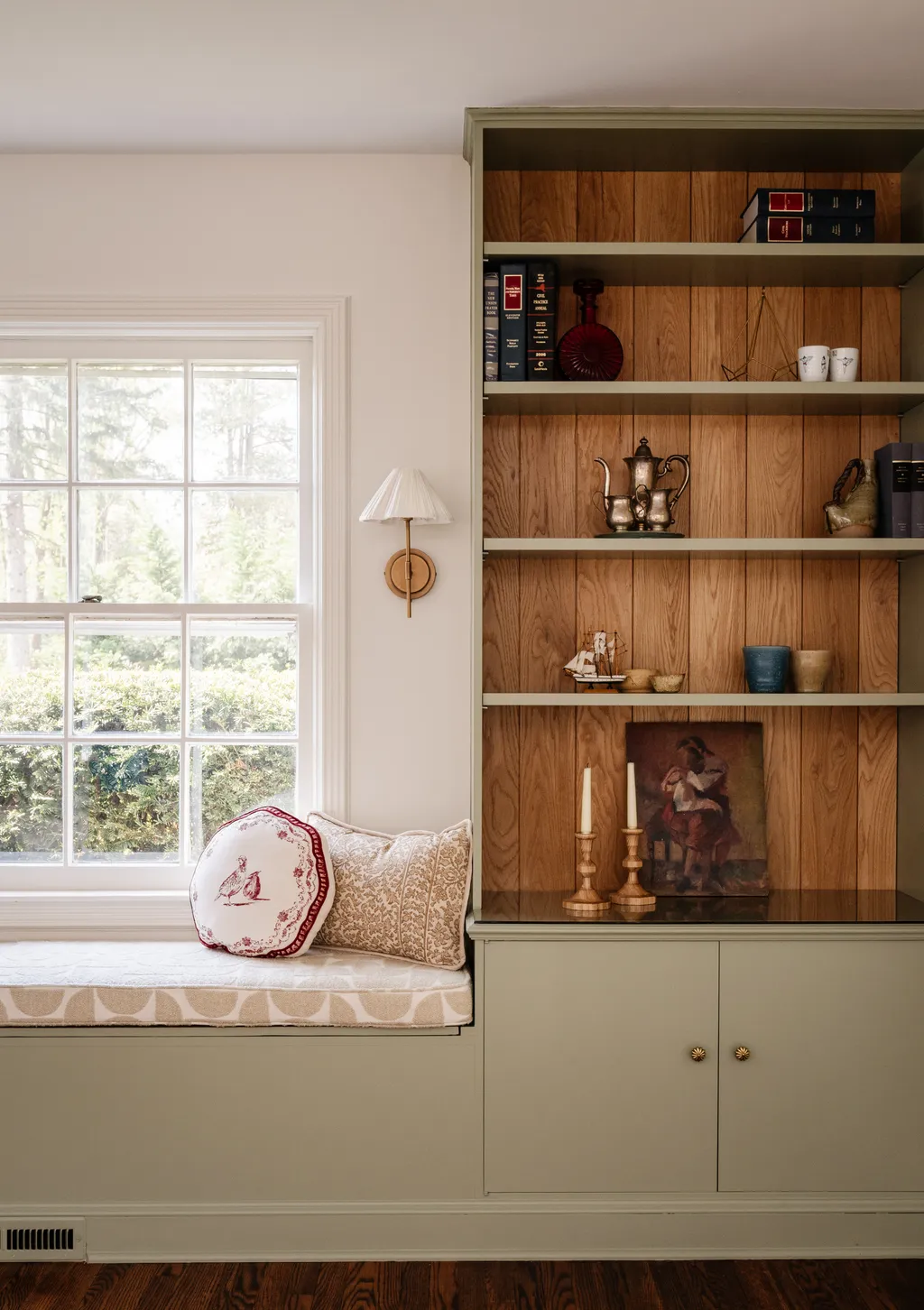
Photo: Linda Pordon1/72 Curated Displays on Wood-Paneled Shelving
This bookshelf, featuring a warm wood paneling that adds instant character, demonstrates the power of selective display. Trish Lynn of Colette Interiors emphasizes intentionality, showcasing meaningful objects and artwork alongside books to create a narrative that is both practical and visually compelling. This approach avoids overcrowding, allowing each piece to be appreciated.
-
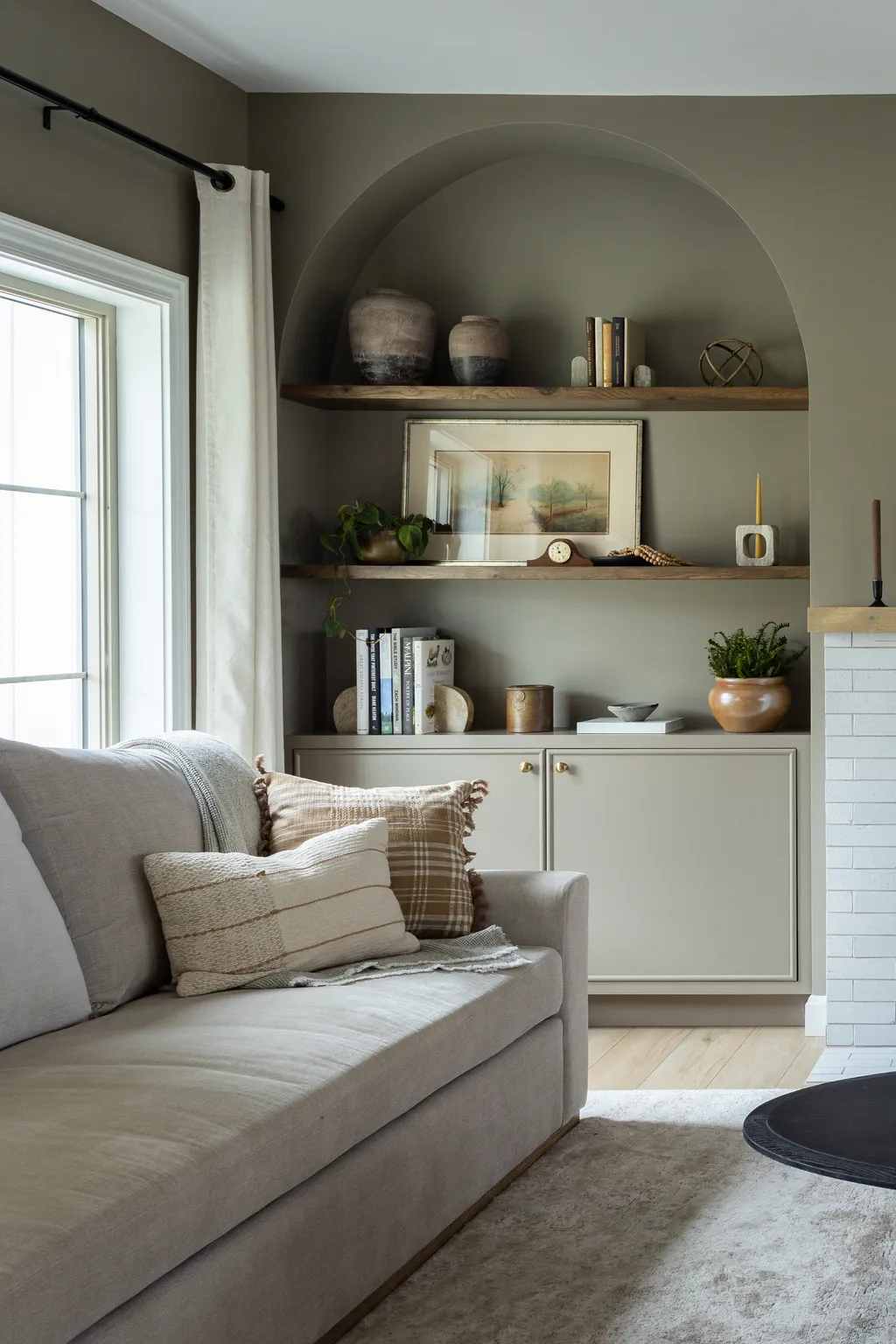
Photo: 12 Stones Photography2/72 Elegant Arched Niche Bookshelf
Embrace softer silhouettes with an arched bookshelf, as seen in this tranquil, muted space. Sadie Beachy of S.Flynn Design + Build achieved a cohesive look by color-matching the shelves to the flooring and using a sophisticated grey for the cabinets. The arch serves as a striking design feature, drawing the eye upward and adding architectural interest.
-
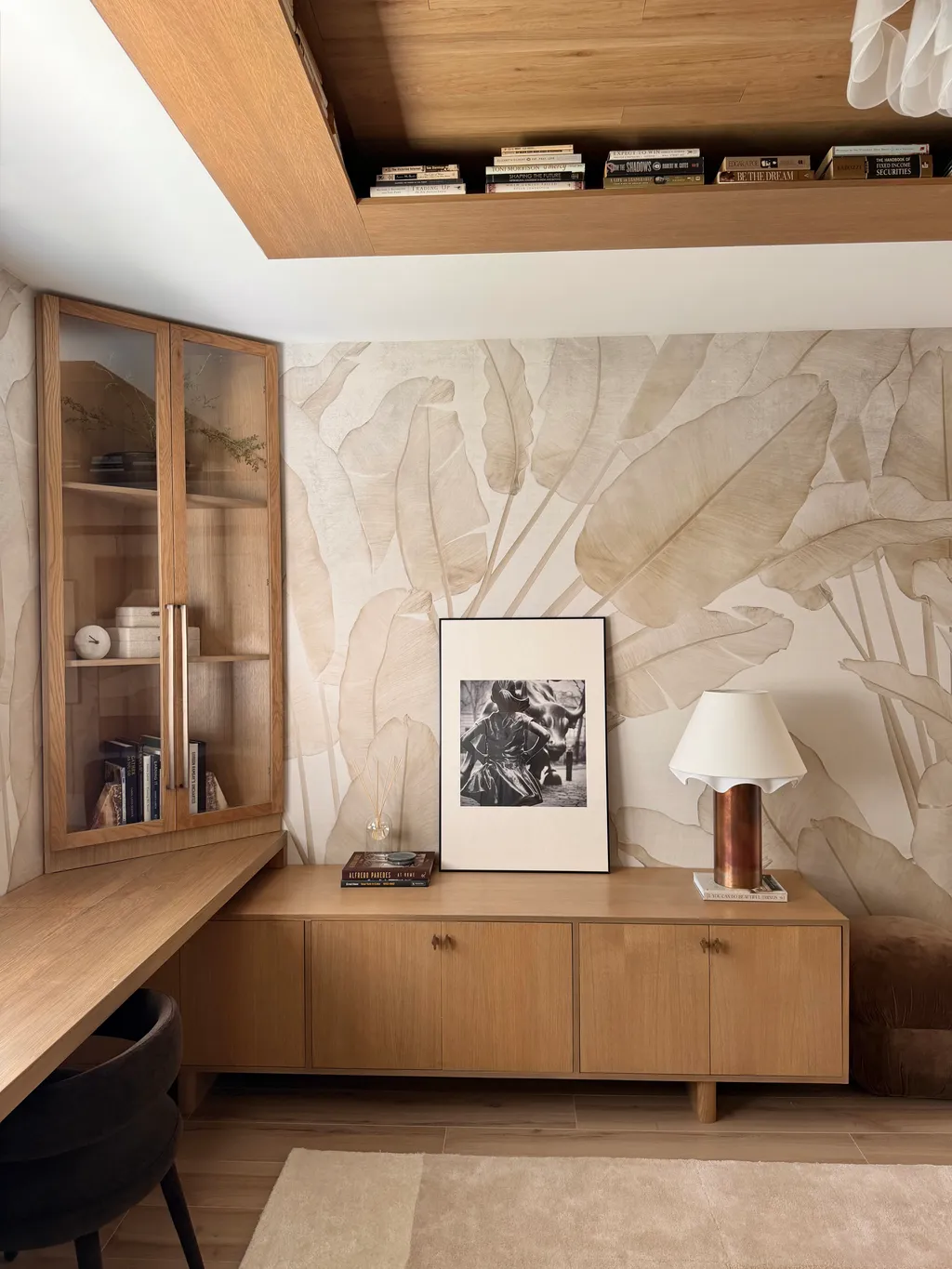
Photo: Galey Alix4/72 Ingenious Corner Bookshelf Integration
In a space where traditional furniture placement is challenging, Galey Alix ingeniously integrated a recessed bookshelf into the corner of this home office. This approach transforms a potential design constraint into a unique and functional feature, demonstrating how creative solutions can yield distinctive outcomes.
-
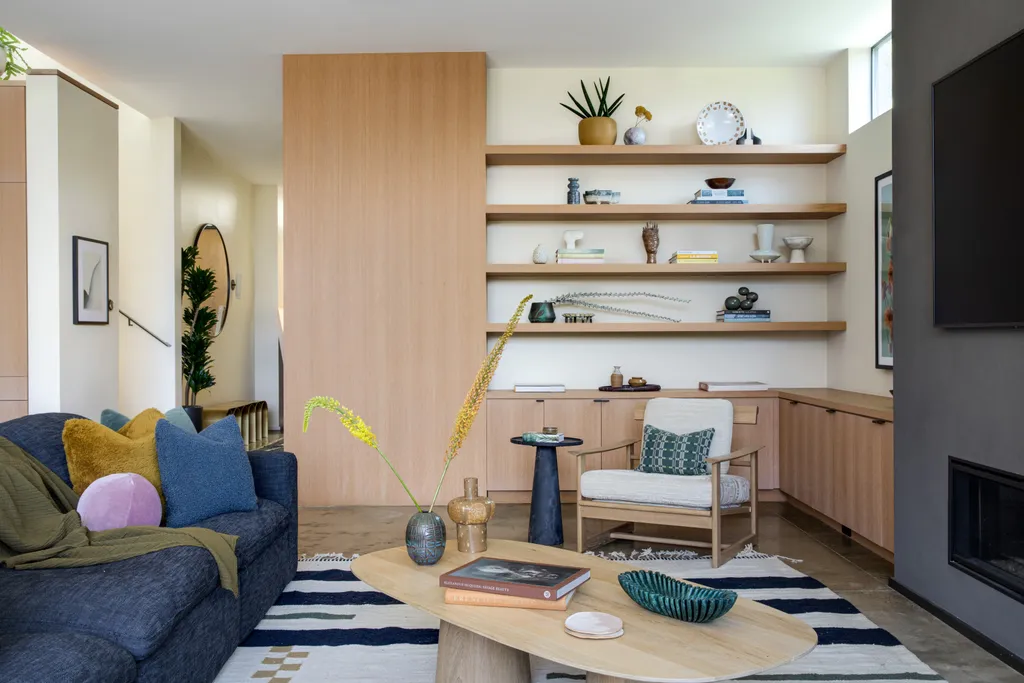
Photo: Chad Mellon for Studio Mellon6/72 Seamless Floating Bookshelves
Jen Samson highlights this design as a prime example of modern bookshelves that integrate flawlessly with cabinetry. The floating shelves create a clean architectural line, allowing displayed objects to take center stage. This style can be achieved with custom millwork or by artfully arranging pre-made wood shelves.
-
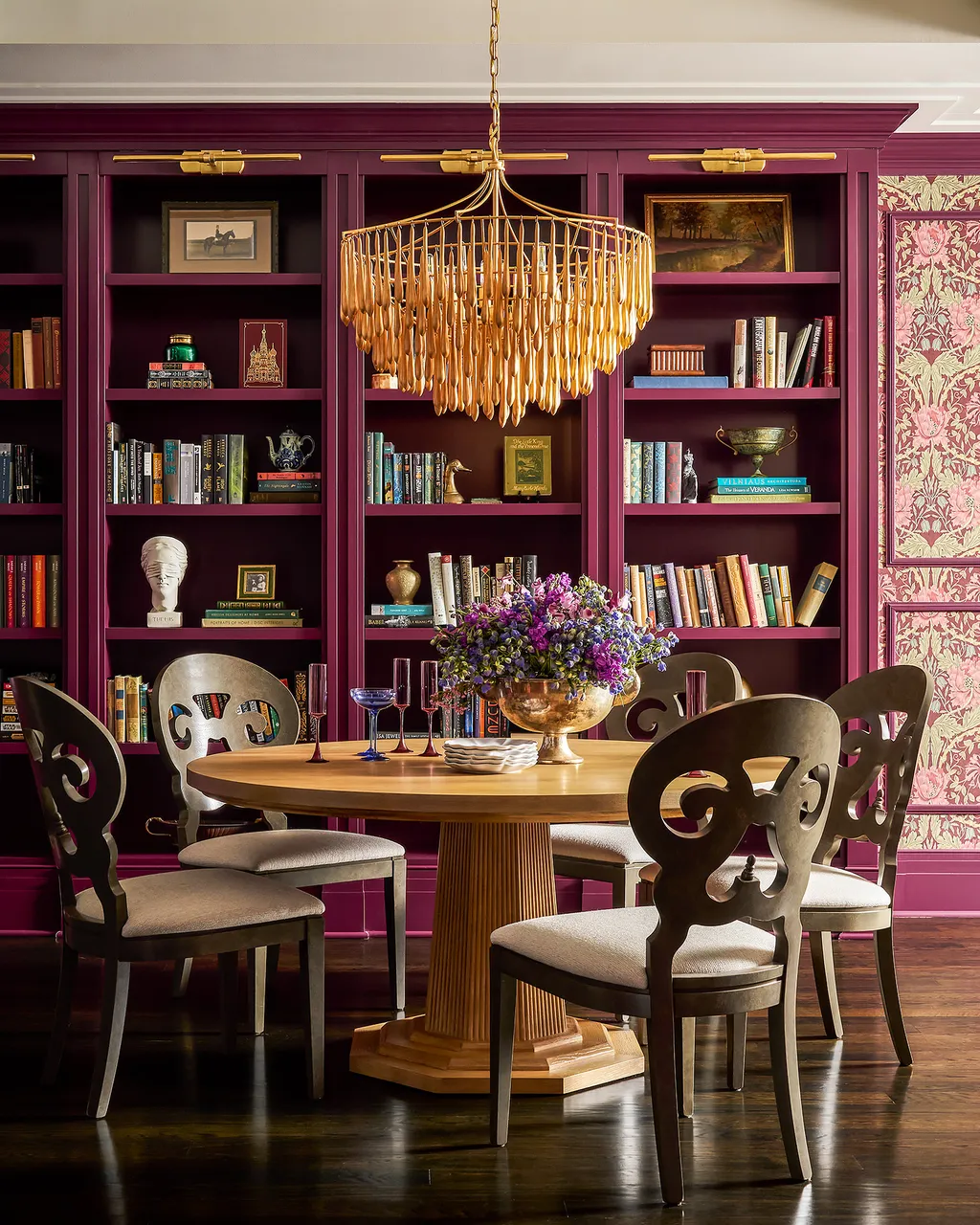
Designed in collaboration with Rae Solomon Photo: Ryan McDonald Assist: Bekah Wriedt Styling: Kimberly Swedelius7/72 Sophisticated Color Story in Built-In Bookshelves
Alissa Johnson collaborated with designer Rae Solomon on these built-in bookshelves, conceived to blend discreetly with the room’s surroundings. Johnson emphasizes the importance of integrating bold colors by echoing the chosen hue in nearby elements, such as furniture or textiles, ensuring a cohesive and elevated aesthetic.
-
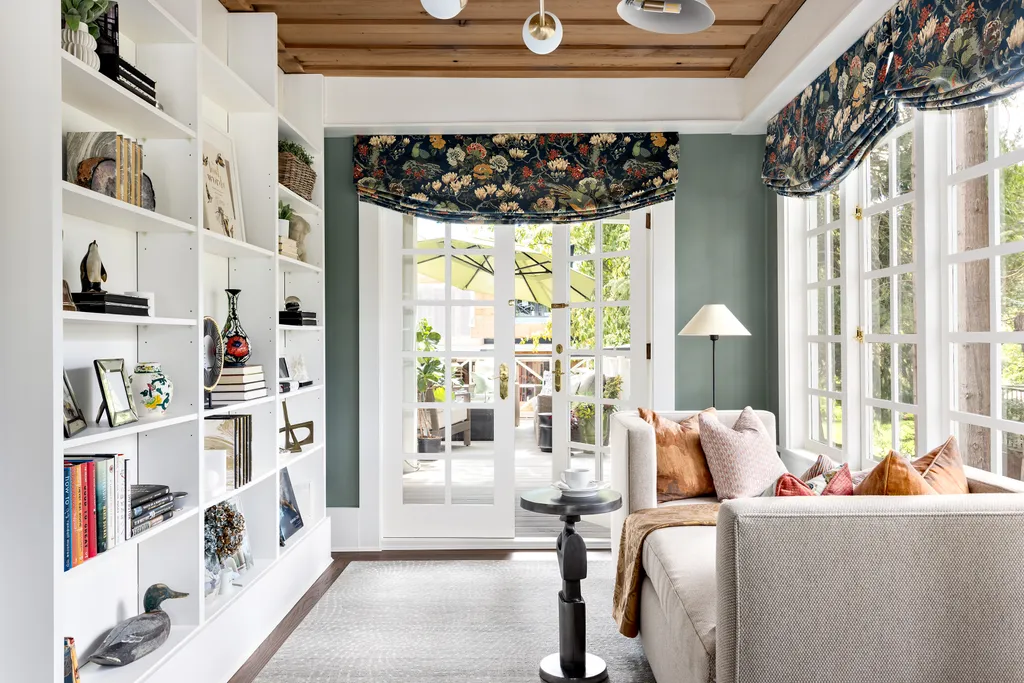
Photo: Provoke Studios9/72 Elegant All-White Wall-to-Wall Bookshelves
Victoria McKenney, founder of Envable Designs, utilizes extensive white built-in bookshelves to create a sophisticated, neutral backdrop. She advises balancing vignettes of books, art, and objects with ample negative space to prevent visual clutter and maintain a serene aesthetic, highlighting the bookshelves’ dual role as both storage and architectural feature.
-
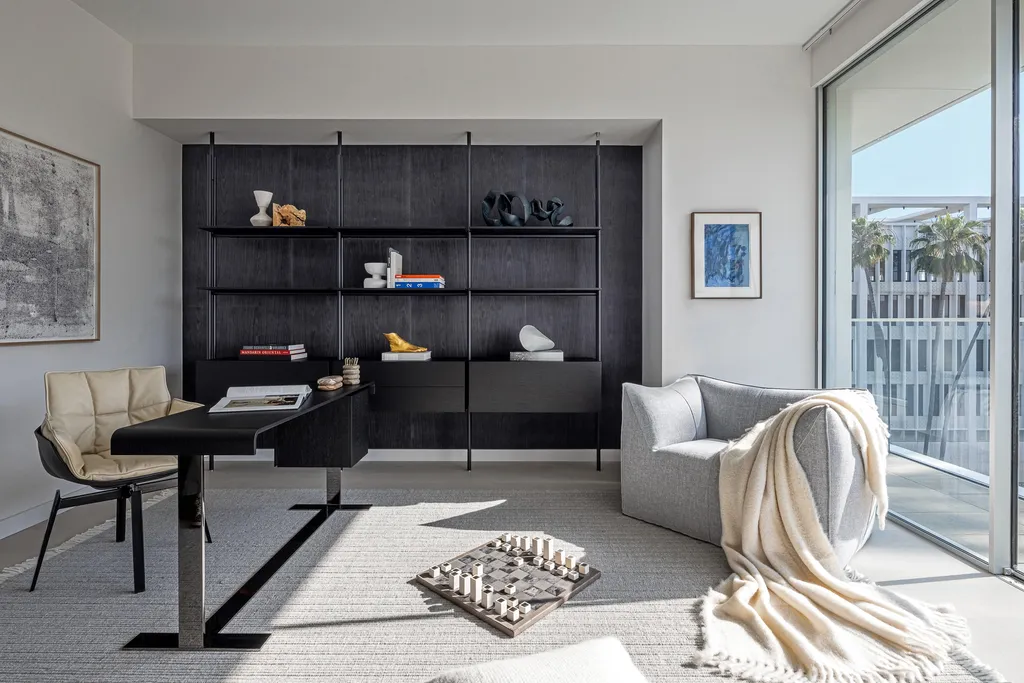
Photo: Tanveer Badal11/72 Bold Black Satin Bookshelf in a Home Office
Francesco Farina, CEO of B&B Italia USA, selected a striking black satin bookshelf with brushed black oak accents for this home office. The design prioritizes both functionality for work and comfort for relaxation, demonstrating how a bold choice can define a sophisticated workspace.
-
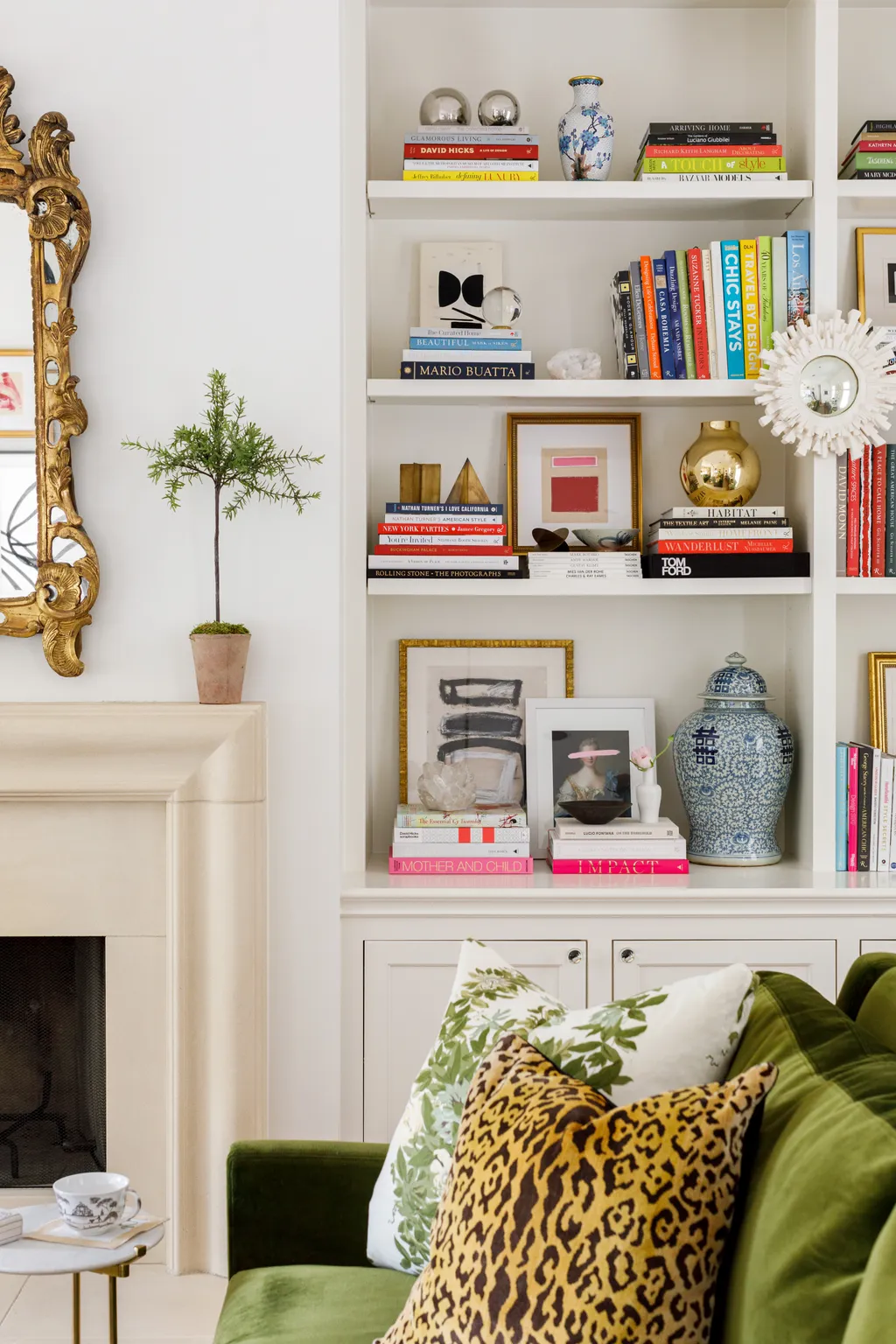
Photo: Aimée Mazzenga13/72 Curated Collections on Bookshelves
Paloma Contreras emphasizes the importance of displaying meaningful books, complemented by carefully selected objects like French pottery and art. This approach ensures the bookshelf tells a personal story, with varied arrangements of vertical and horizontal books adding visual interest.
-
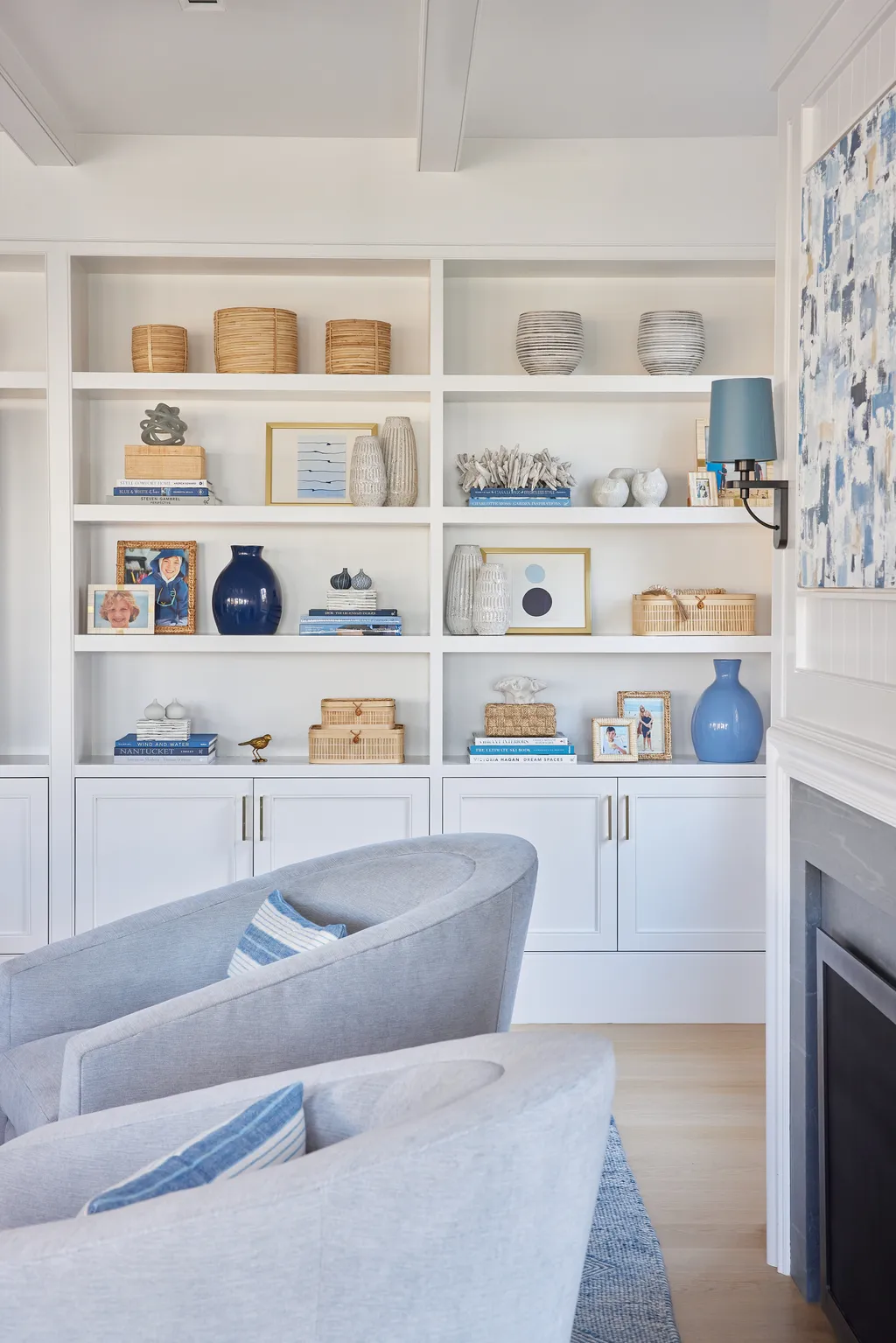
Photo: Julia D'Agostino Pierce15/72 Sophisticated Coastal Display with White Built-Ins
Danielle Perdue designed crisp white built-in bookshelves to serve as a focal point in this waterfront home. The muted blue accents and natural textures provide a subtle coastal nod, while the closed lower cabinetry offers practical storage, balancing serenity with functionality.
-
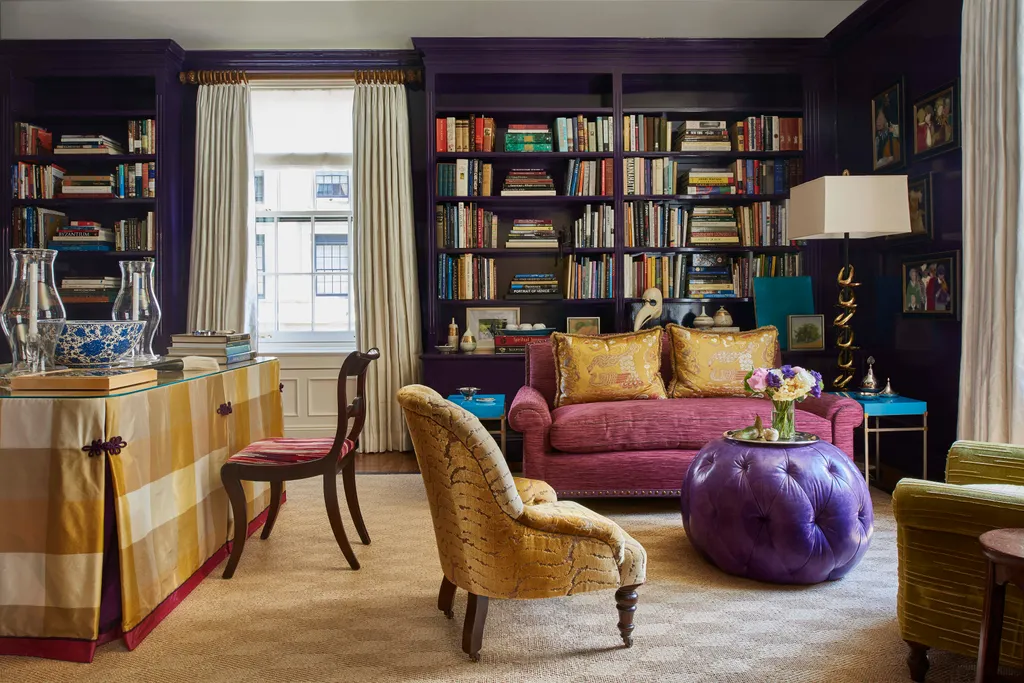
Photo: Michael Mundy17/72 An English-Inspired Library with Personalized Touches
Phillip Thomas views bookshelves as narrative elements, stating, “Each element is a chapter in the story of someone’s lives.” This library embodies that philosophy, displaying the homeowners’ passions, travels, and personal collections, creating a rich tapestry of their life experiences.
-
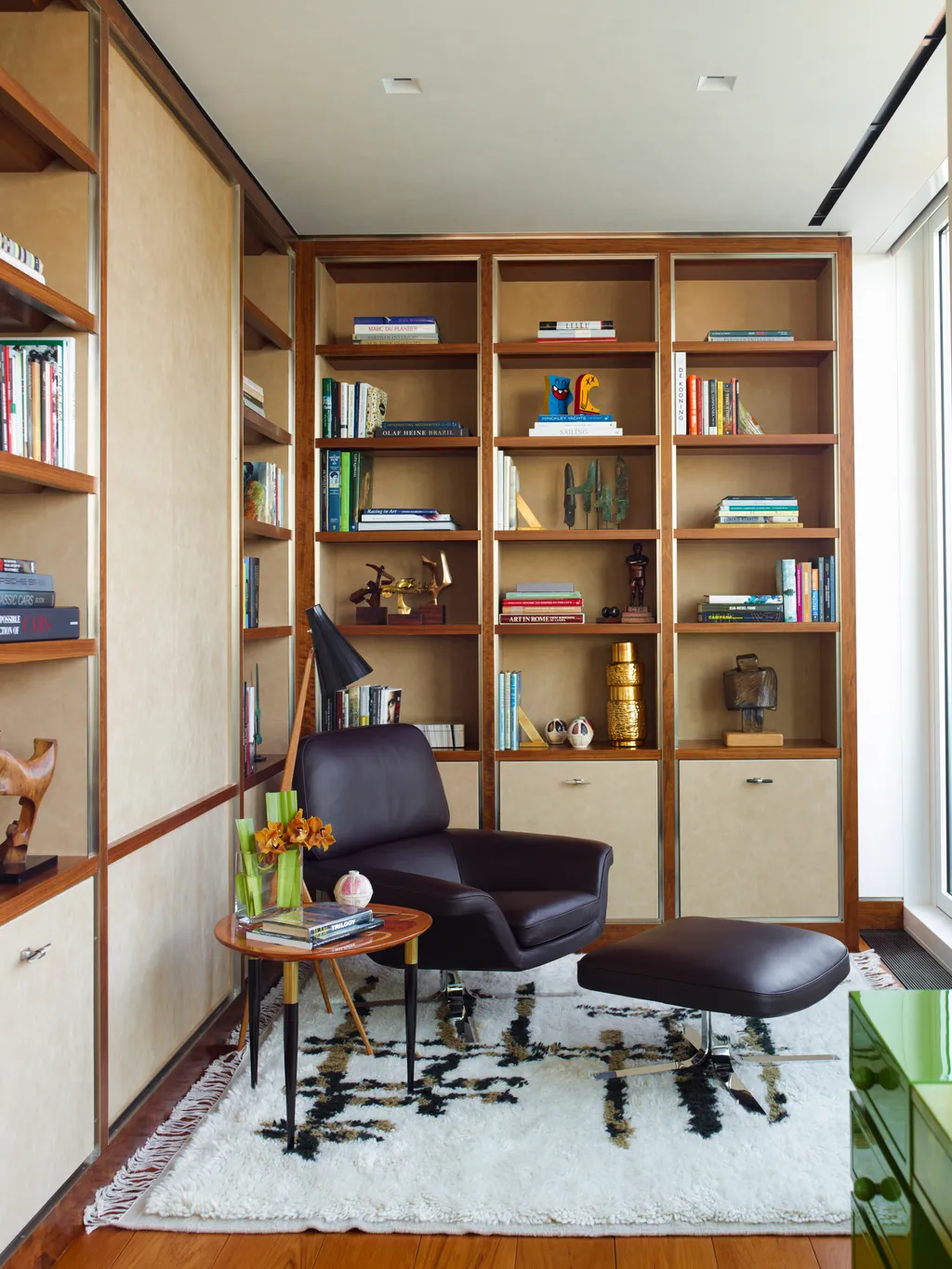
Photo: Eric Piasecki18/72 A Social Club Ambiance with Integrated Bookshelves
This remodeled library seamlessly blends the functionality of a workspace with the comfort of a relaxed lounge. The extensive built-in shelving, extending beyond the baseboard, enhances the room’s character, creating an inviting atmosphere suitable for both work and leisure.
-
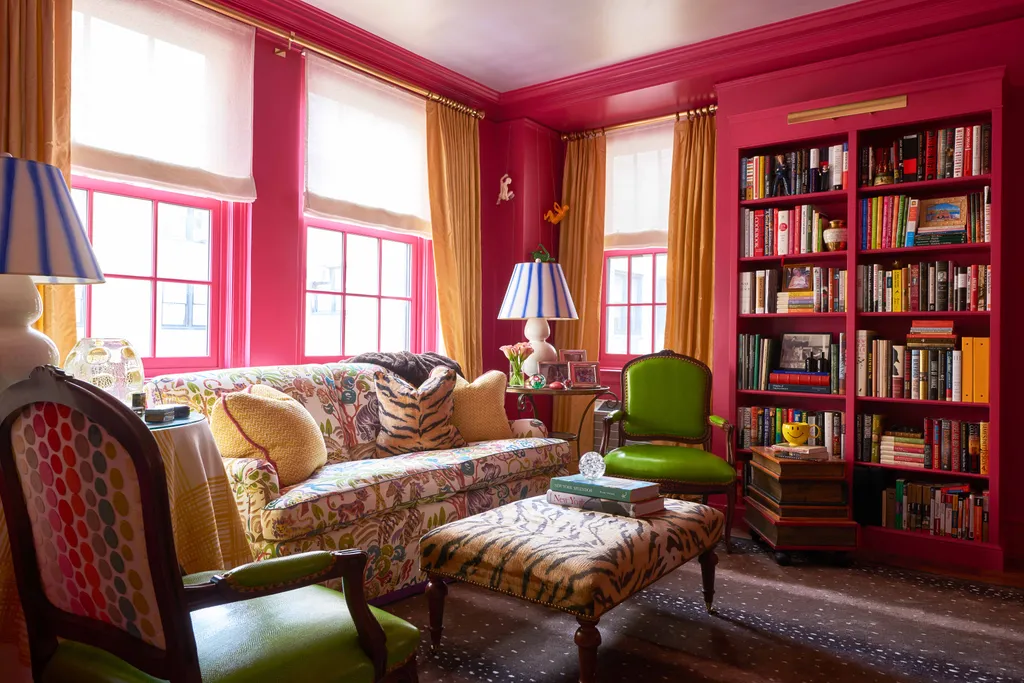
Photo: Michael Mundy19/72 Vibrant Pink Lacquered Library
Phillip Thomas balances a striking hot pink lacquered room with thoughtfully placed bookcases, creating a visually dynamic yet harmonious space. The addition of a book-inspired side table further enhances the room’s literary theme.
-
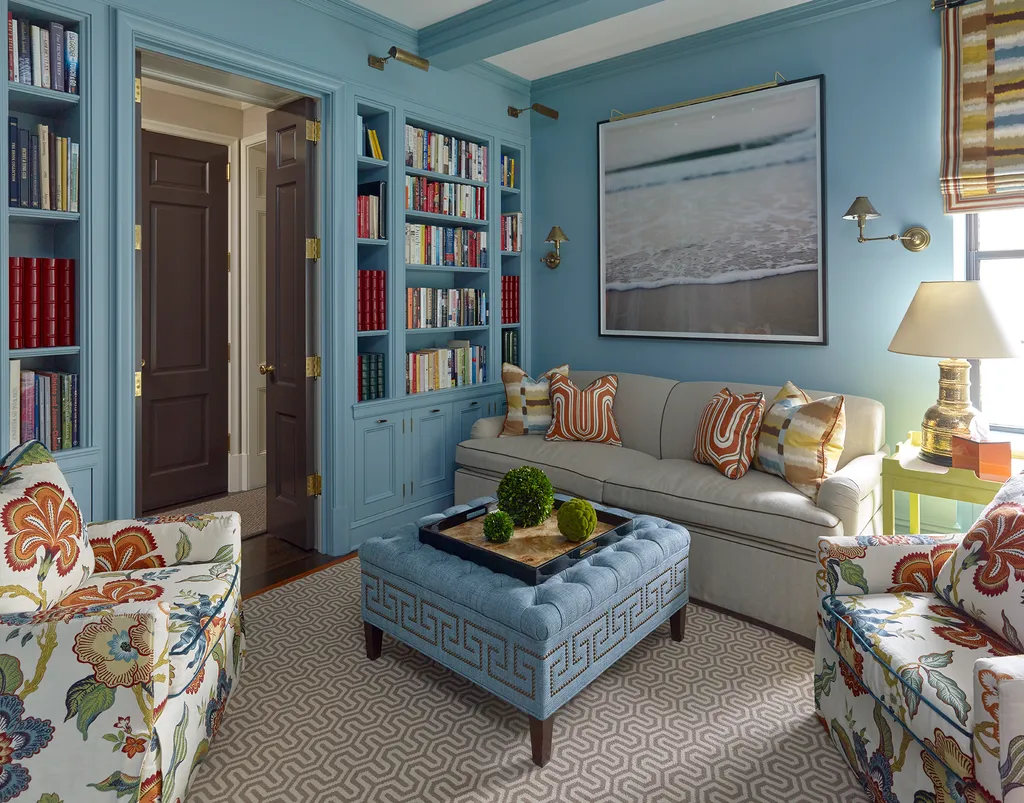
Photo: Peter Murdock20/72 Serene Blue Lacquered Library with Natural Light
Thomas utilizes baby blue lacquered bookshelves to amplify natural light in this library, creating an airy and serene atmosphere. The addition of a shoreline-inspired artwork and light blue accents further enhances the room’s tranquil, coastal feel.
-

Design: Studio Den Den Photo: Rachel Stollar22/72 Family-Friendly Nook with Integrated Games Storage
J.R. Coffin designed this vibrant space to serve as a book nook and play area, featuring built-in shelves that artfully display books and keepsakes. The lowest shelf is conveniently designed to store board games and children’s books, creating a functional and engaging environment for family activities.
-
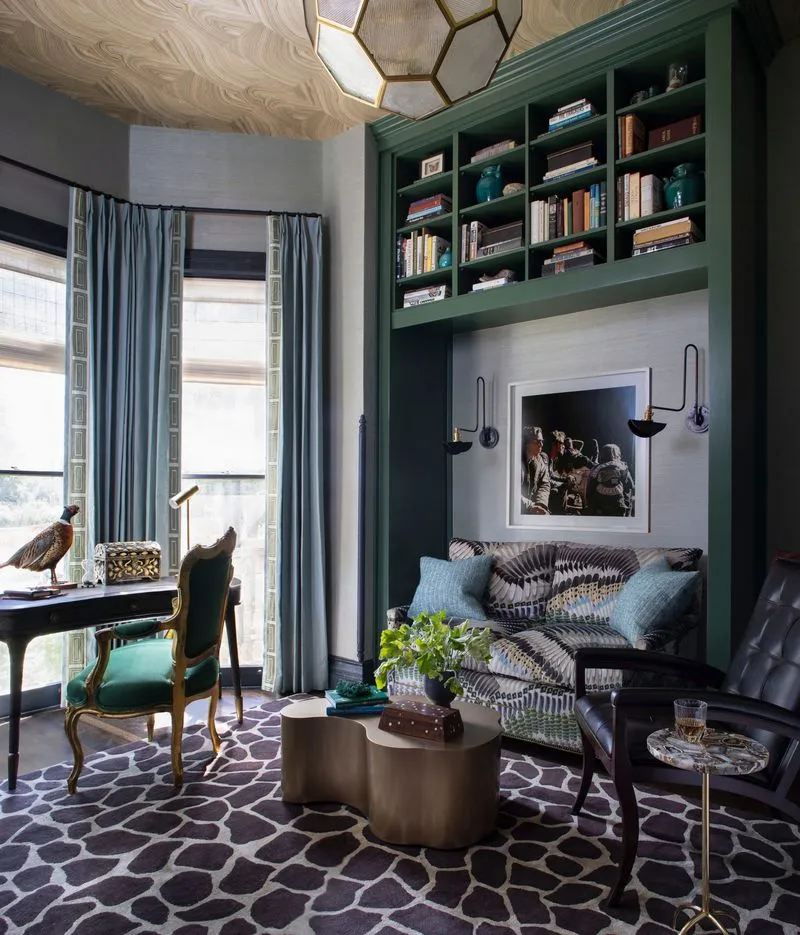
Photo: Emily Minton Redfield25/72 Maximizing Vertical Space with Elevated Bookshelves
Andrea Schumacher designed this inviting room by incorporating elevated built-in bookshelves. The rich green hue accentuates the room’s height, creating an illusion of greater space, while the shelves themselves function as pieces of art, drawing the eye and enhancing the overall verticality of the design.
-
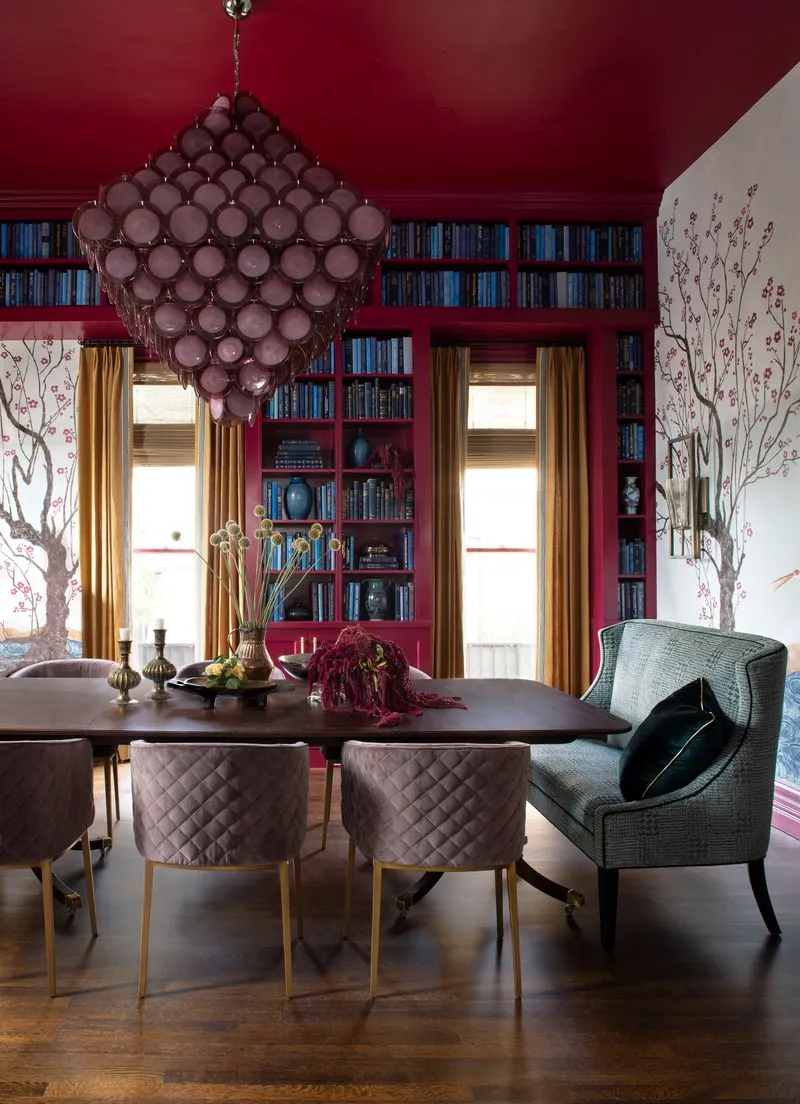
Photo: Emily Minton Redfield27/72 Vibrant Pink Shelving Contrasting with Blue Books
Andrea Schumacher designed custom pink built-in bookshelves that frame windows, harmonizing with the wall covering for a chic aesthetic. The striking contrast between the vibrant pink shelves and the blue book spines creates a dynamic visual statement.
-
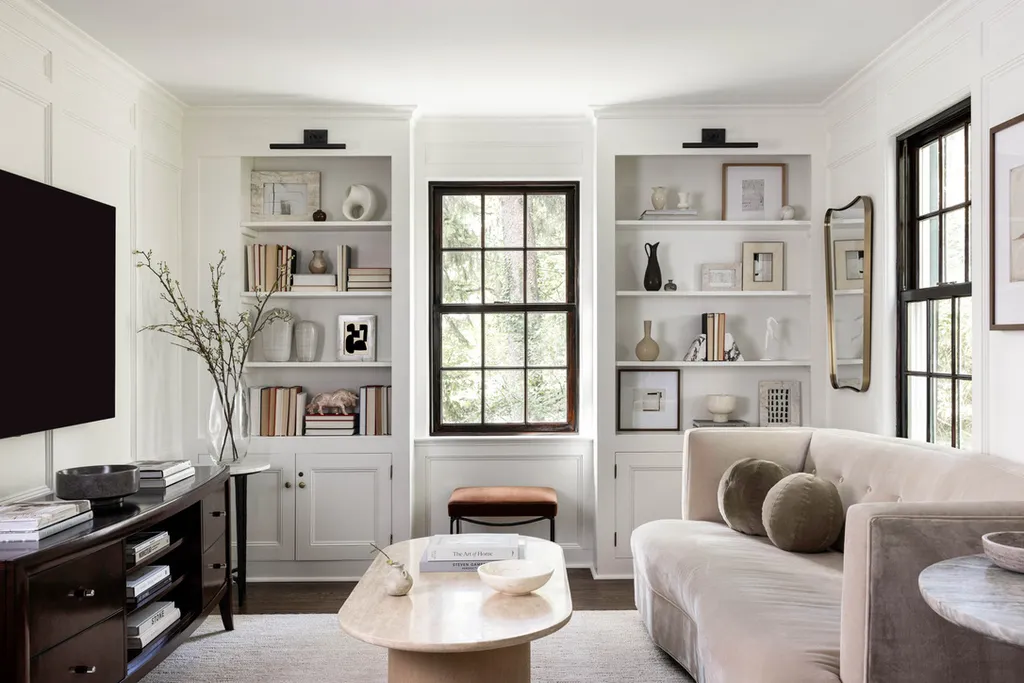
Photo: Raquel Langworthy28/72 Museum-Inspired Bookshelf Curation
Olma Fuentes suggests treating bookshelves as a curated exhibition, featuring only a select few beloved items to allow each piece to shine and express personality. This minimalist approach prioritizes meaningful objects over sheer volume.
-
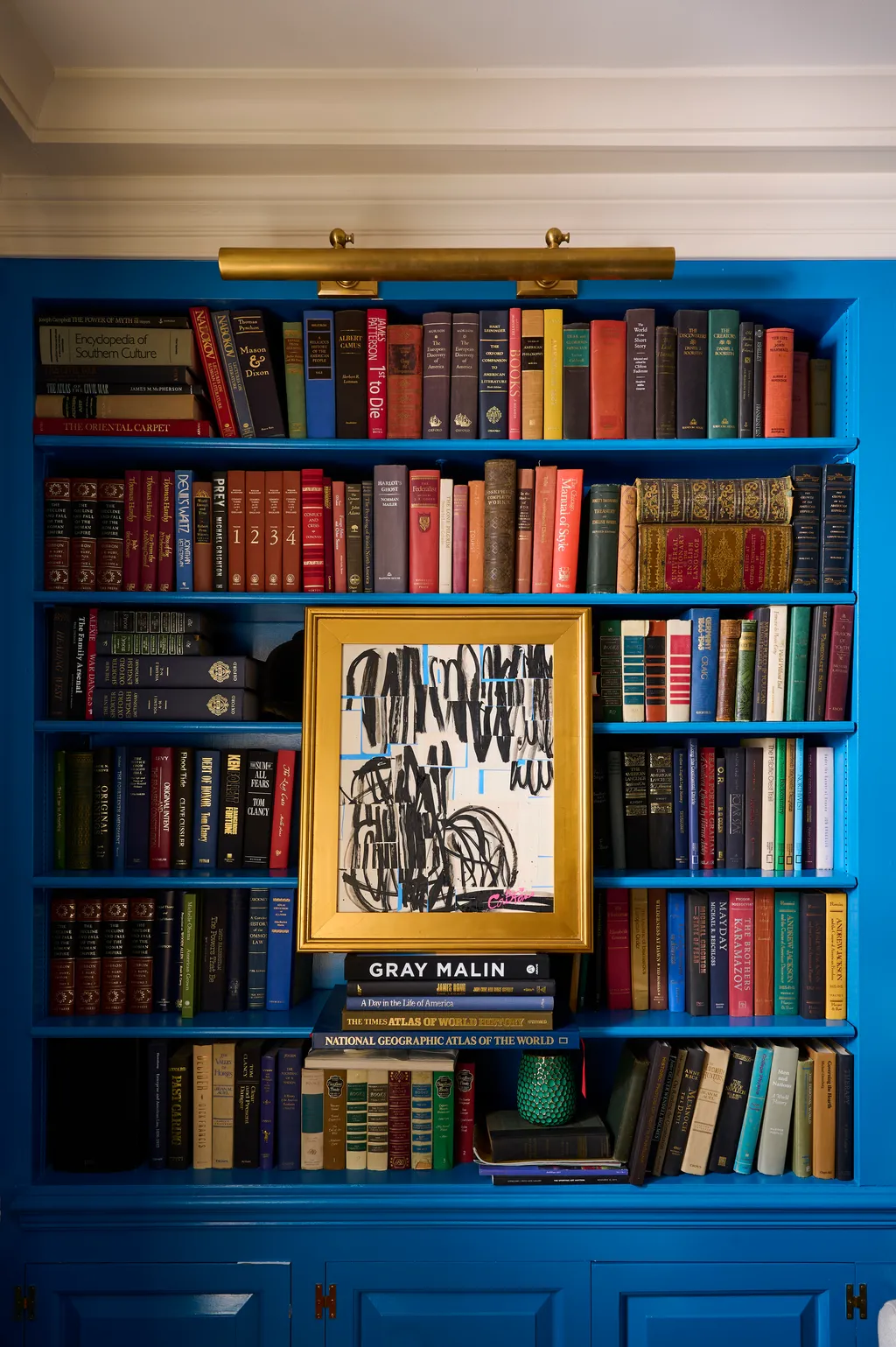
Photo: Dhanraj Emanuel29/72 Functional Focal Point with Laguna Blue Bookshelves
Grey Joyner transformed a standard built-in bookshelf into a star feature by painting it Laguna Blue, updating the hardware, and adding gallery lighting. The preservation of vintage books and the integration of beloved artwork create a deeply personal and functional focal point.
-
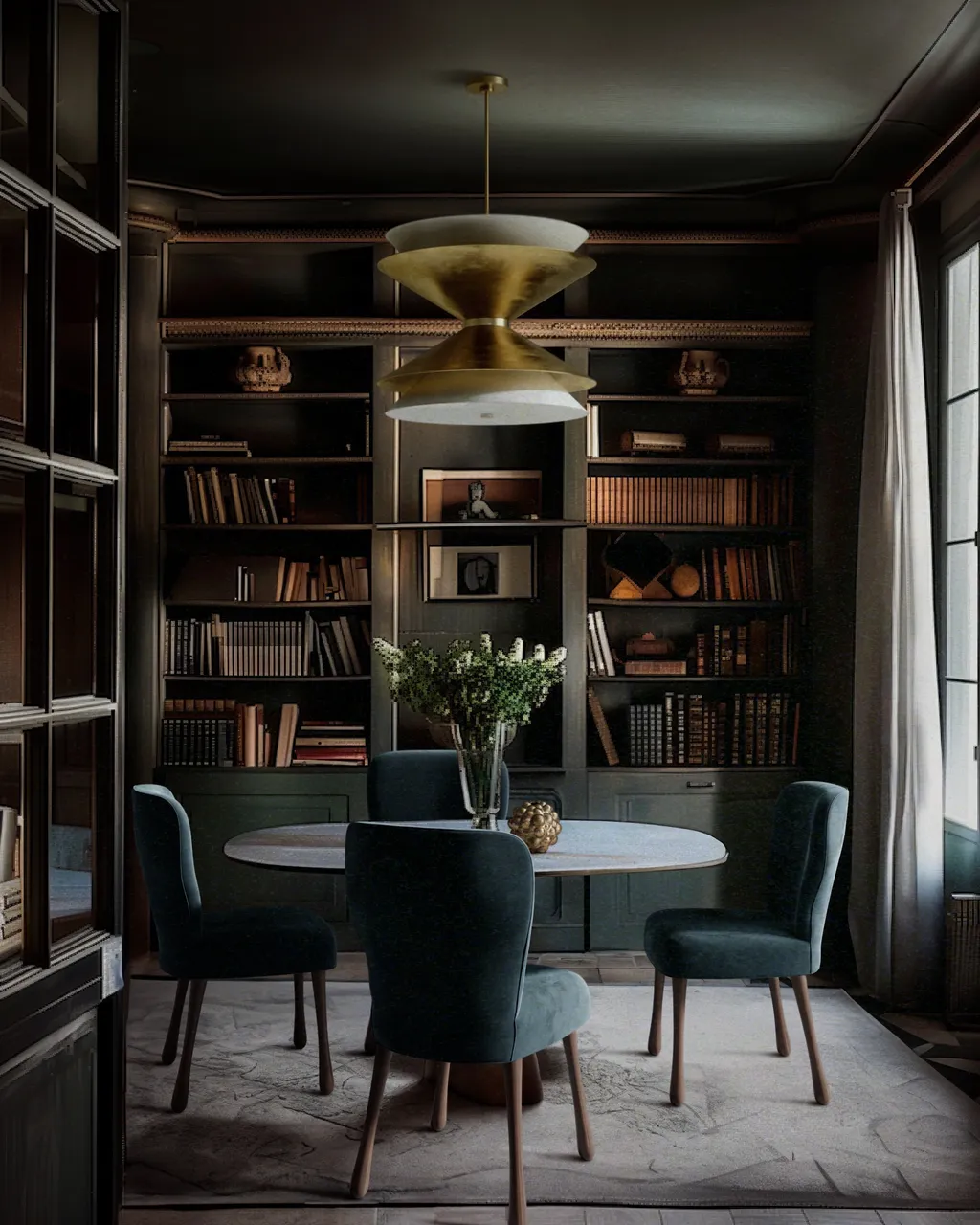
Photo: Christiane Lemieux, Courtesy of Lemieux Et Cie31/72 Wall-to-Wall Wonder with Integrated Decor
Christiane Lemieux designs libraries as jewel boxes, ideal for small urban spaces. These wall-to-wall bookshelves not only provide storage but also act as the primary decorative element, creating intimate dinner areas and offices.
-
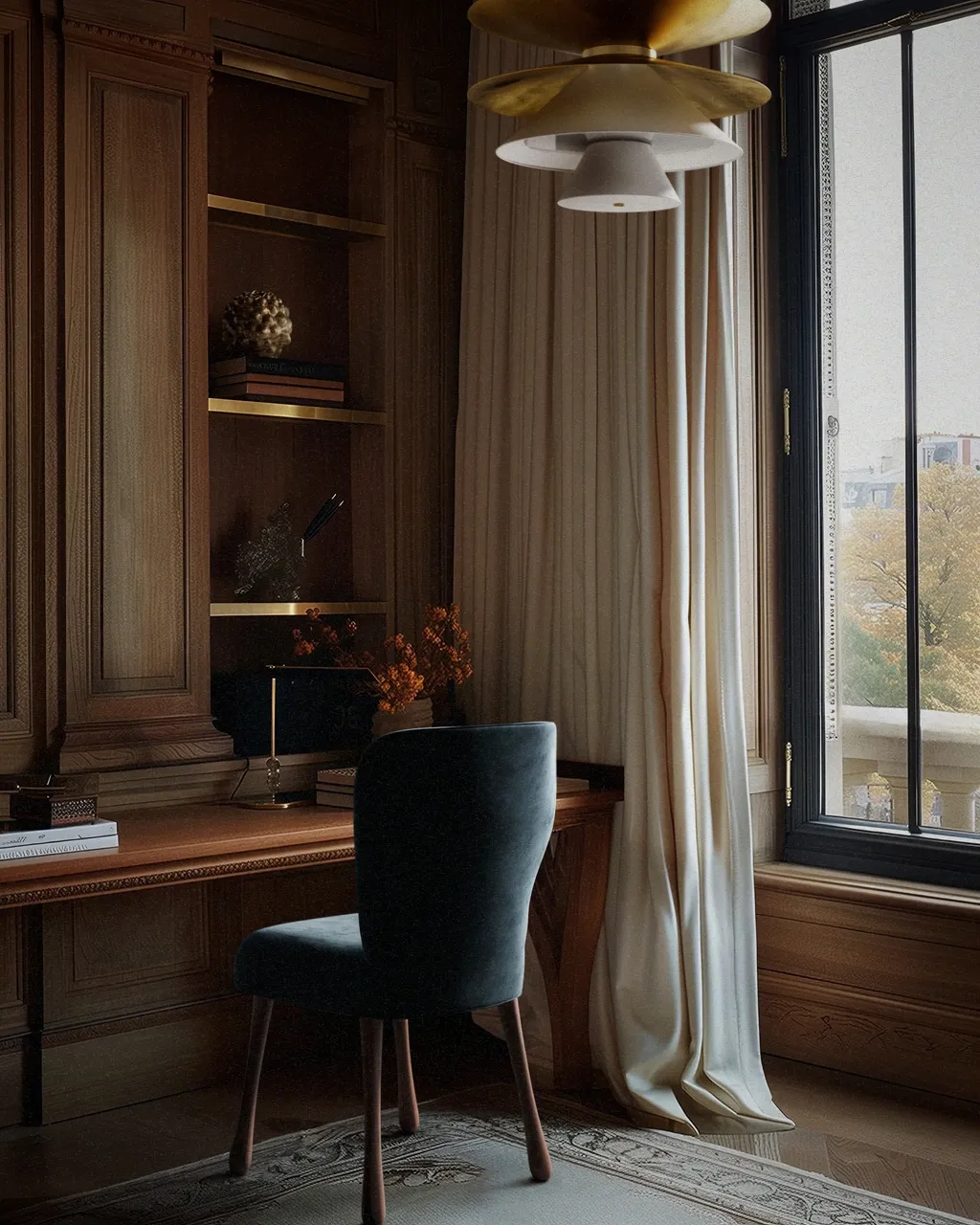
Photo: Christiane Lemieux, Courtesy of Lemieux Et Cie32/72 Multitasking Space with Brass Accents
This New York City space masterfully combines a vanity, office, and library. The luxurious feel is enhanced by brass details, creating a versatile environment that serves multiple functions while maintaining a high-end aesthetic.
-
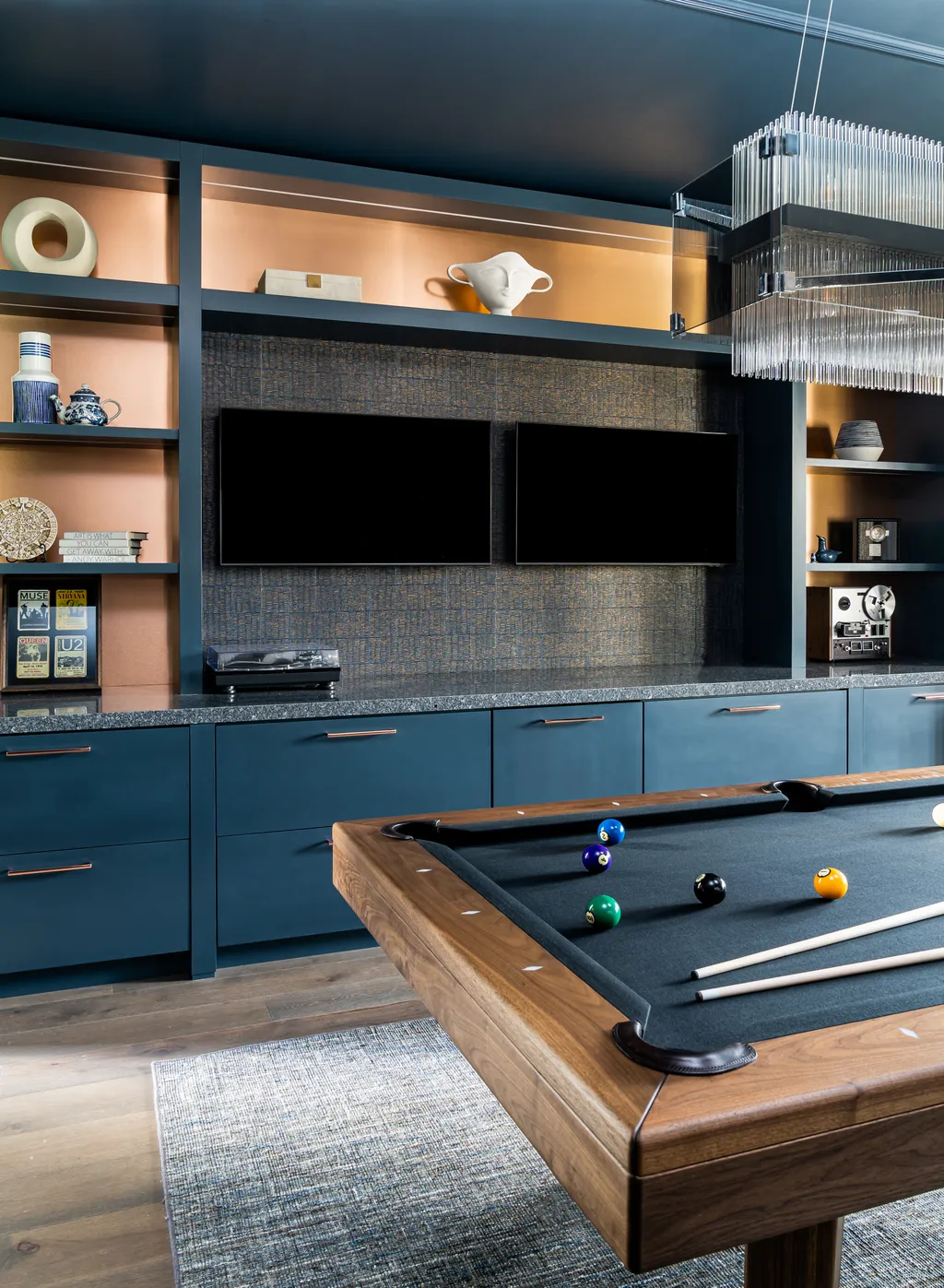
Photo: Venjhamin Reyes34/72 Moody Blue Floor-to-Ceiling Unit with Copper Accents
Laetitia Laurent designed this deep navy unit, incorporating dark hues and copper accents for a sophisticated, modern library. Careful styling with items of varying heights and reflective surfaces adds dimension, while intentional negative space prevents the dark palette from feeling overwhelming.
-
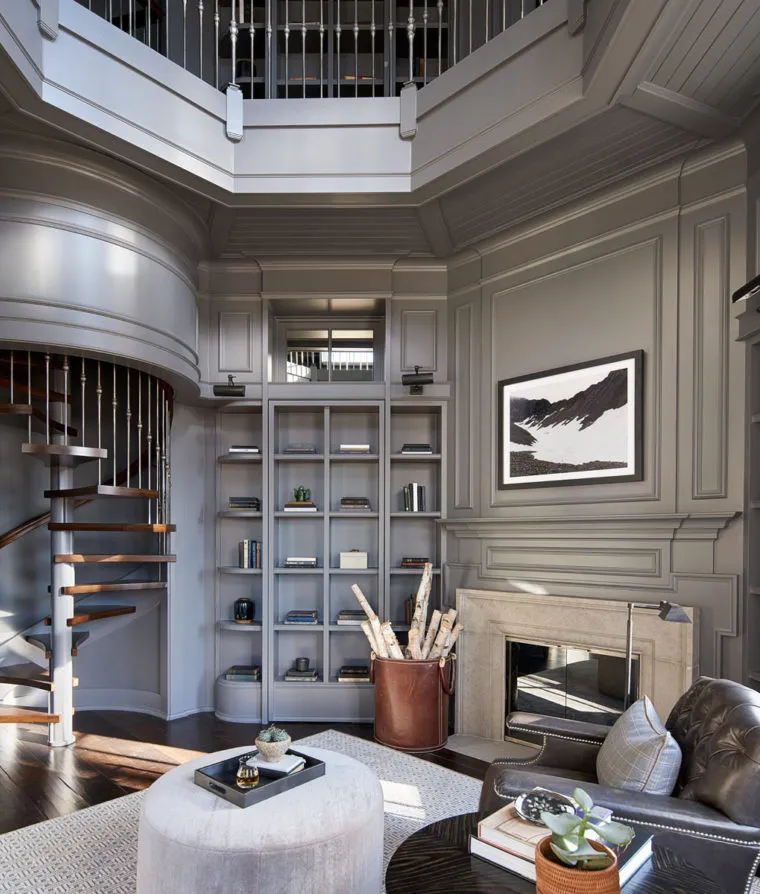
Photo: Michael Robinson35/72 Elegant Bi-Level Library with Masculine Gray Tones
Morgante Wilson Architects designed this two-story library with built-in bookshelves in a masculine gray hue, anchoring the room’s palette. An elegant spiral staircase connects the levels, offering expansive views of the space below.
-
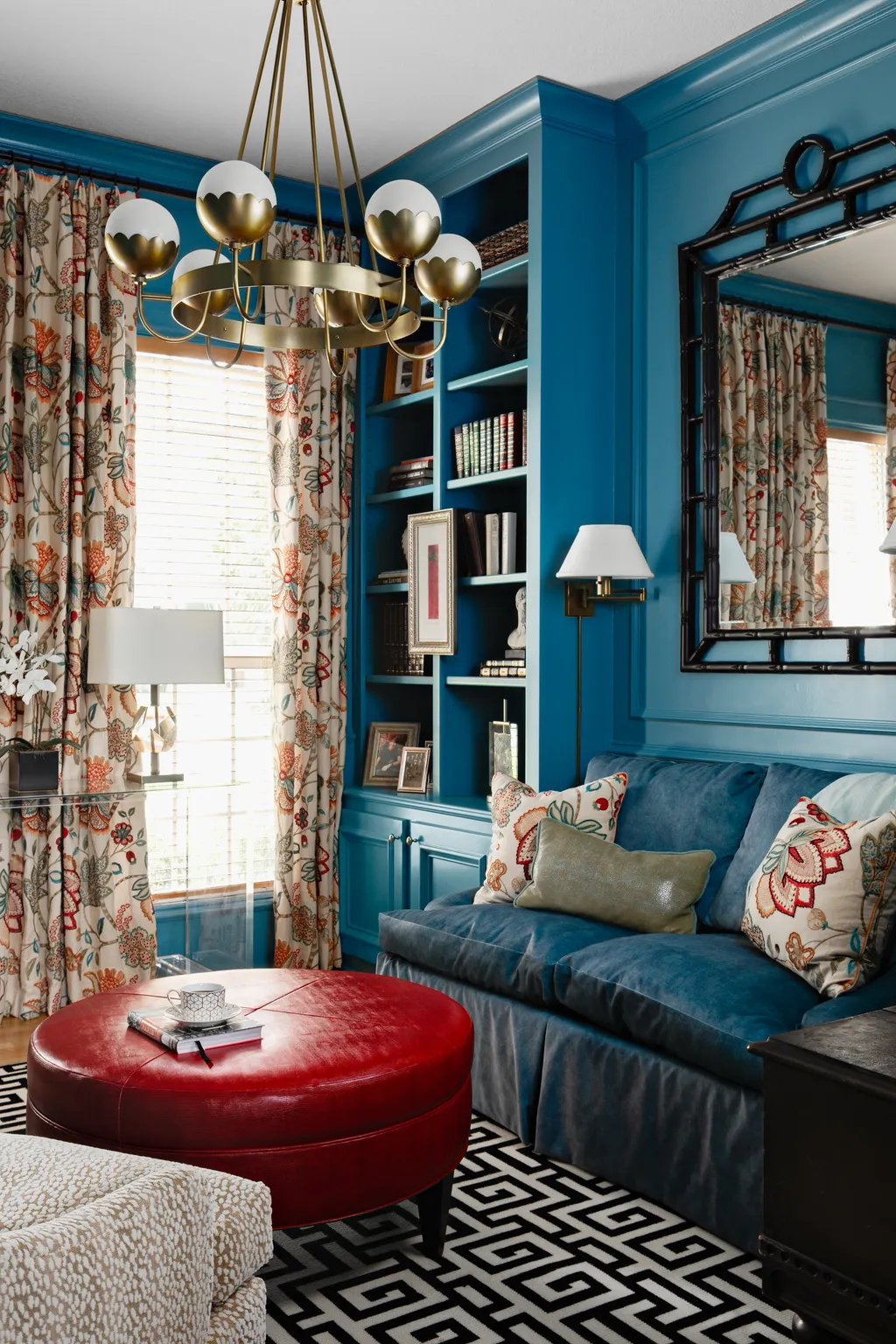
Photo: Muriel Silva36/72 Classic English Library with Blue Bookshelves
Connie Riik designed these blue bookshelves and walls to complement an eclectic mix of elements, including embroidered drapery and patterned rugs. A plush velvet sofa fits perfectly between the bookcases, creating a cozy and inviting reading space.
-
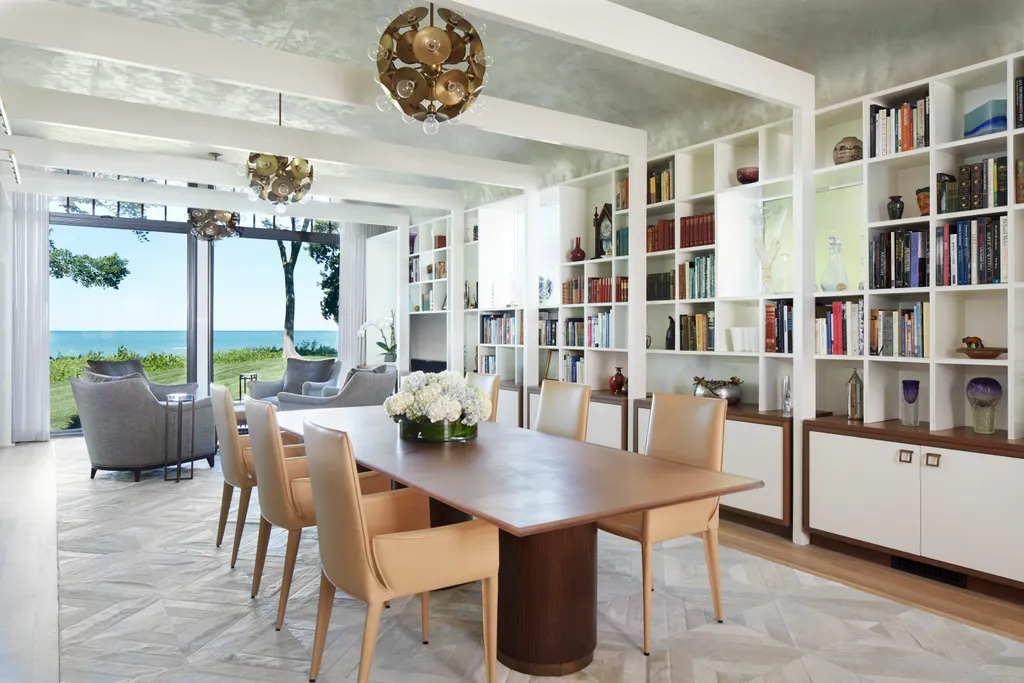
Photo: Werner Straube38/72 Multipurpose Space with Flexible Shelving
Bob Zuber designed this versatile space to function as a dining room, home office, and sitting room. The expansive bookcase wall offers ample display space and lower cabinets for hidden storage, providing flexibility and privacy.
-
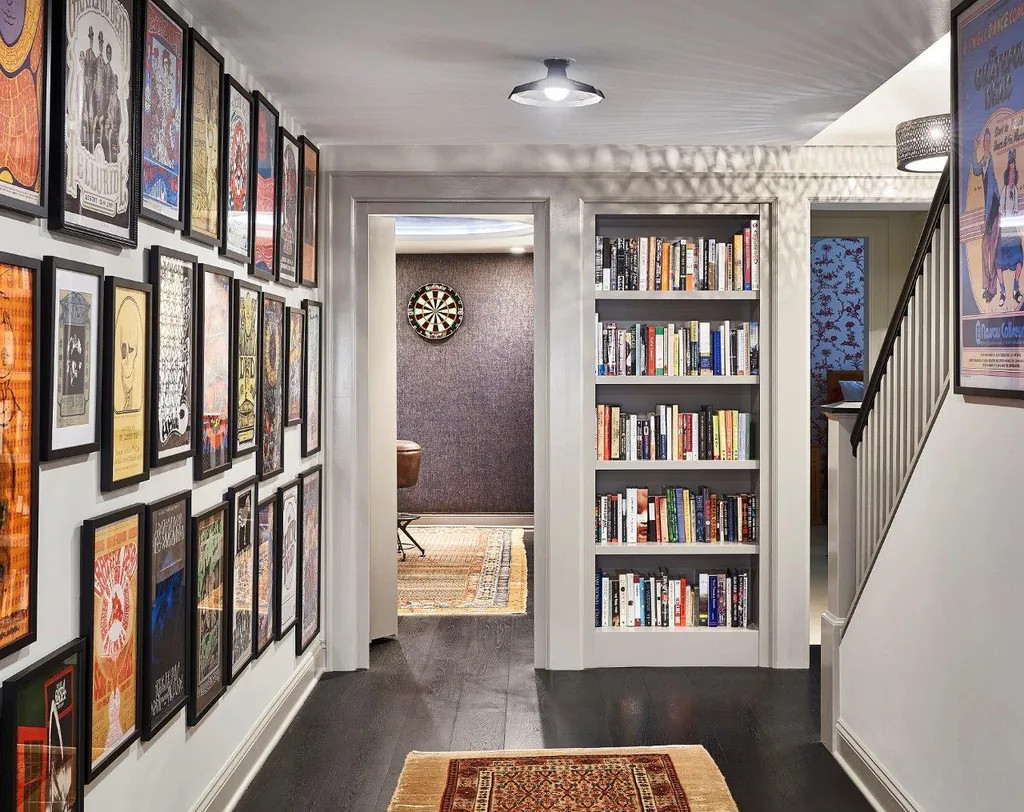
Photo: Michael Robinson40/72 Secret Passageway Behind Bookshelves
Morgante Wilson Architects concealed a secret passage behind these built-in bookshelves, leading to a gentleman’s hideaway. The custom shelves feature square insets for art objects and mirrored backing for added visual interest.
-
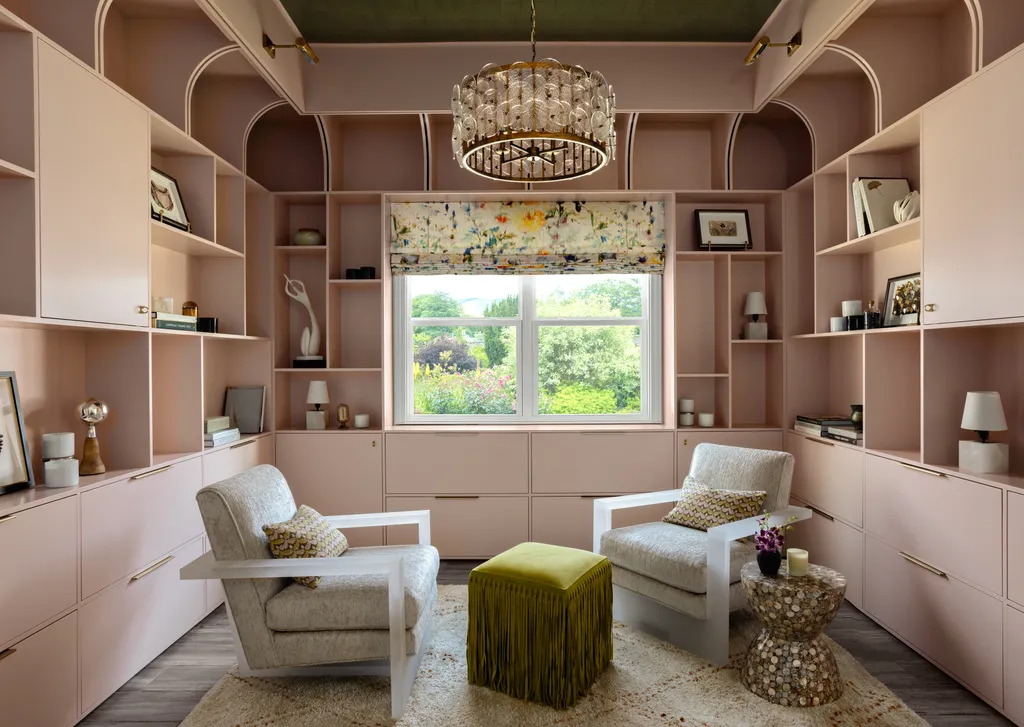
Photo: Muriel Silva41/72 Library and Candle Den Combination
Casey Shroyer designed a unique space that balances a library with a curated collection of candles. The pale pink cabinetry displays select candles, while the built-ins showcase framed purses and design books, creating a boutique-like atmosphere.
-
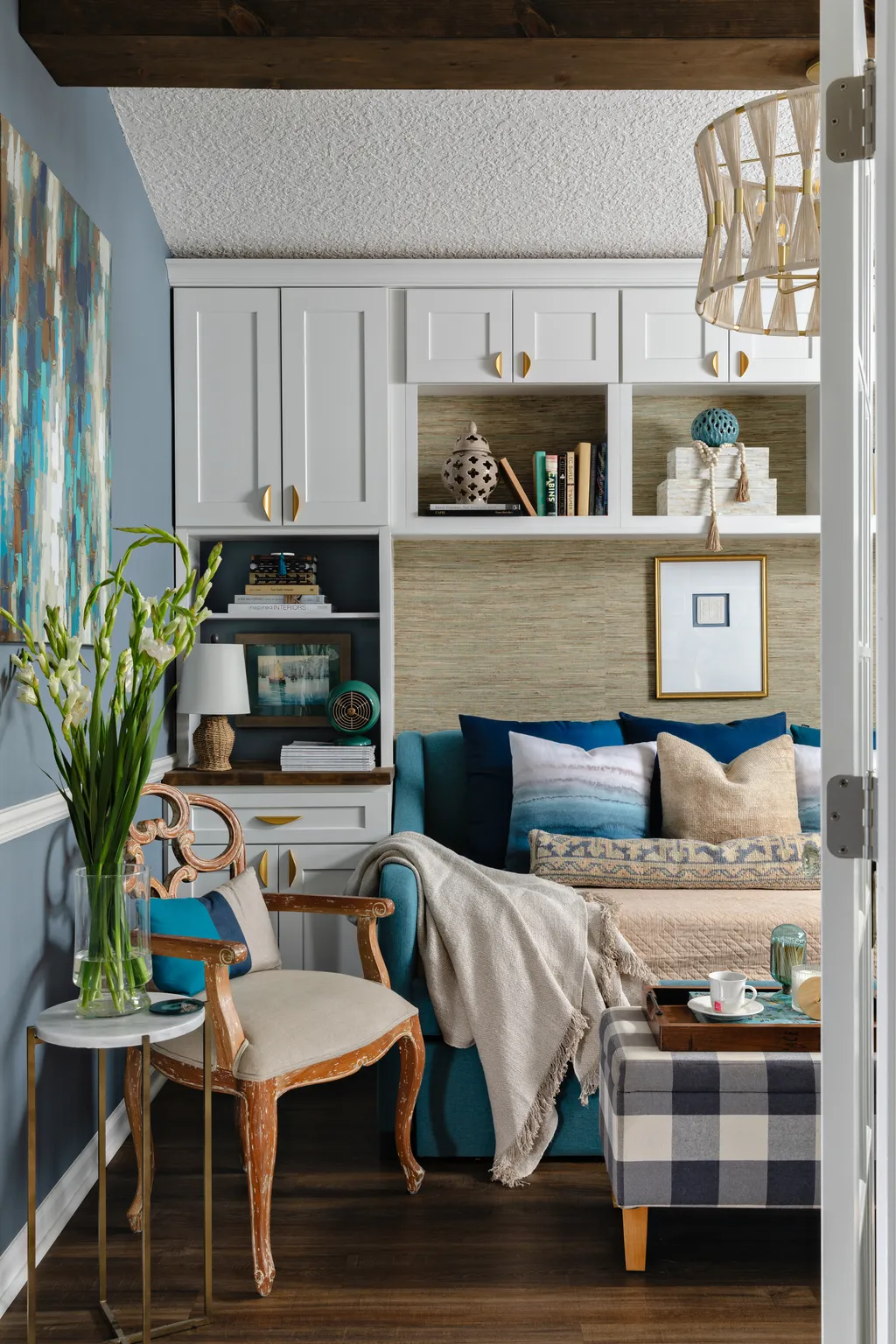
Photo: Muriel Silva42/72 Cerulean Cove for Reading and Working
Taylor Brislawn transformed this room into a multipurpose space with integrated built-ins that provide storage and an aesthetic backdrop for virtual meetings. Inspired by a sailboat painting, the cerulean blue scheme creates a tranquil “blue room” for reading, working, and relaxation.
-
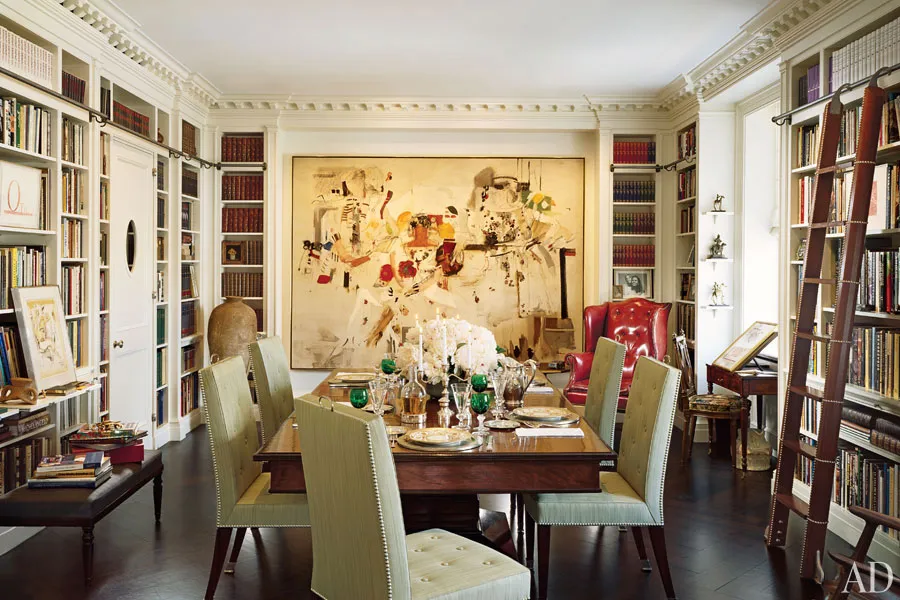
Photo: Peter Aaron/Esto43/72 Dining Room Transformed into a Library
Mica Ertegün updated and decorated Barbara Goldsmith’s Park Avenue apartment, creating a library that doubles as a dining room, fulfilling the desire to be surrounded by beloved books.
-
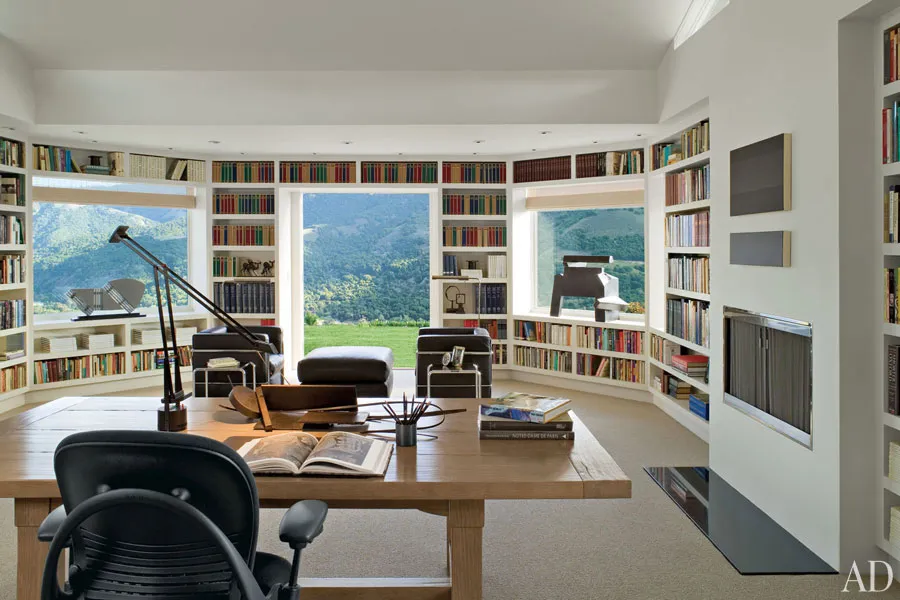
Photo: Ken Hayden44/72 Library with Lush Landscape Views
Sally Sirkin Lewis designed a library encircled by shelves, featuring French doors that open to views of the surrounding landscape. This design seamlessly integrates the indoors with the outdoors, creating a serene and inspiring retreat.
-
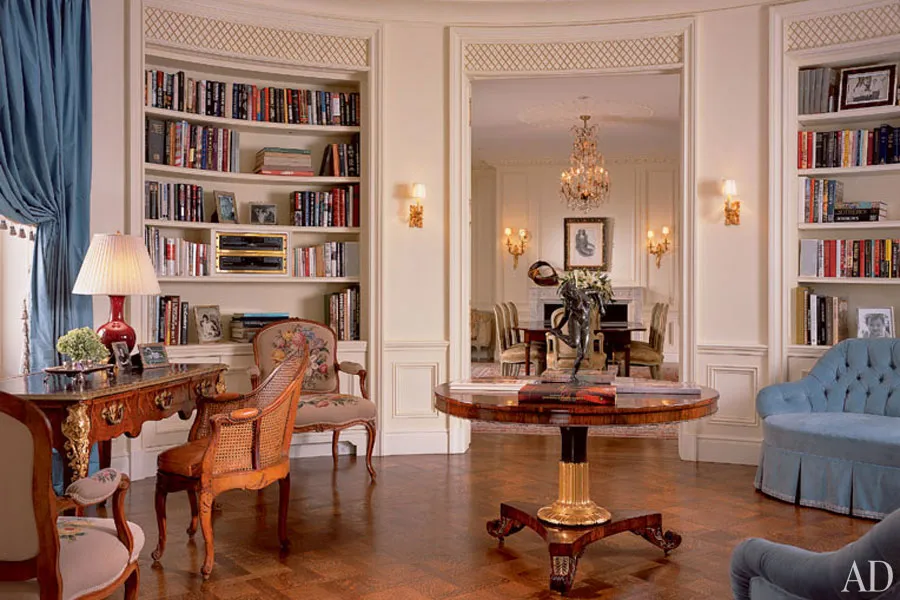
Photo: Kim Sargent45/72 Classic Oval Library with Custom Bookcases
Alexa Hampton installed custom, wall-curving bookcases in this oval library, complemented by a jewel-like metal frieze and powder-blue velvet upholstery, creating a timeless and elegant space.
-
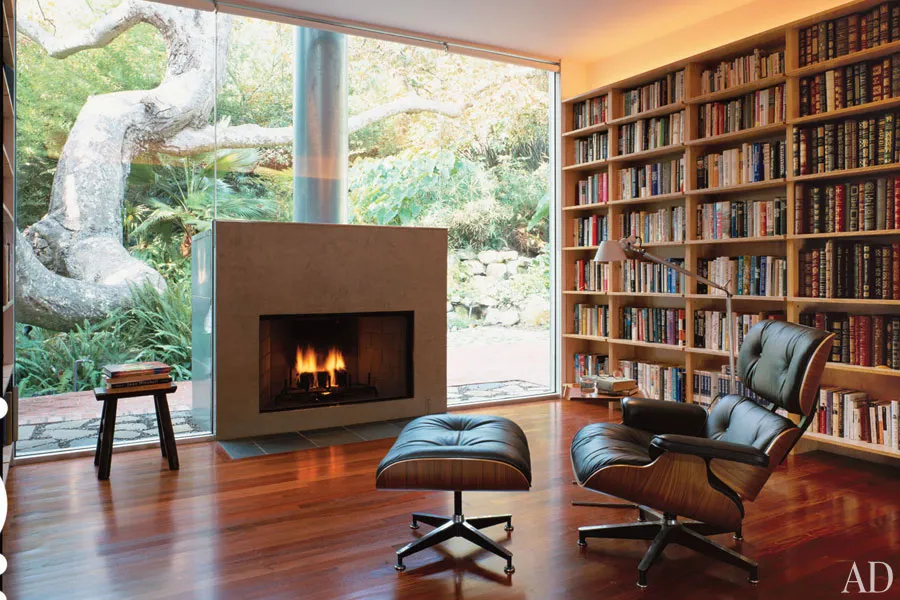
Photo: Arthur Matthew Gray46/72 Fireside Library with Outdoor Connection
Architects Margaret Griffin and Elyse Grinstein renovated this library to maximize its connection to the outdoors. Replacing a brick wall with glass bridges the room to the surrounding nature, creating a tranquil retreat.
-
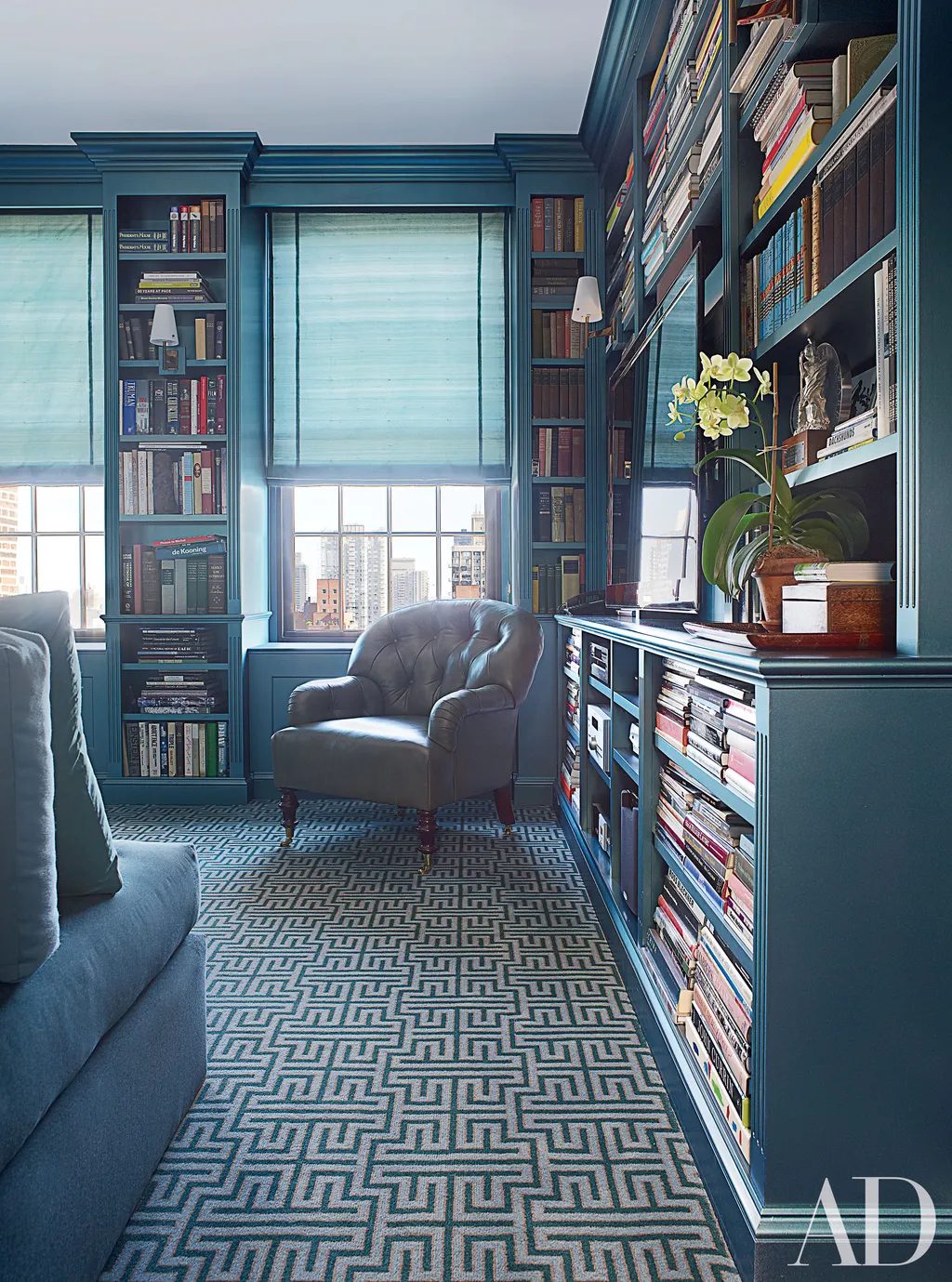
Photo: Pieter Estersohn47/72 Glossy Teal Bookshelves with a ’60s Finish
Vicente Wolf achieved a unique aesthetic by having the built-in shelves sprayed with a metallic teal by an automotive painter, evoking the gloss of the Finish Fetish movement.
-

Photo: Scott Frances48/72 Window-Framing Bookshelves in an Apartment
Michael S. Smith designed the library in Ali Wentworth and George Stephanopoulos’s apartment, where simple built-in bookshelves frame a window, unifying the room’s design and drawing attention to the exterior view.
-
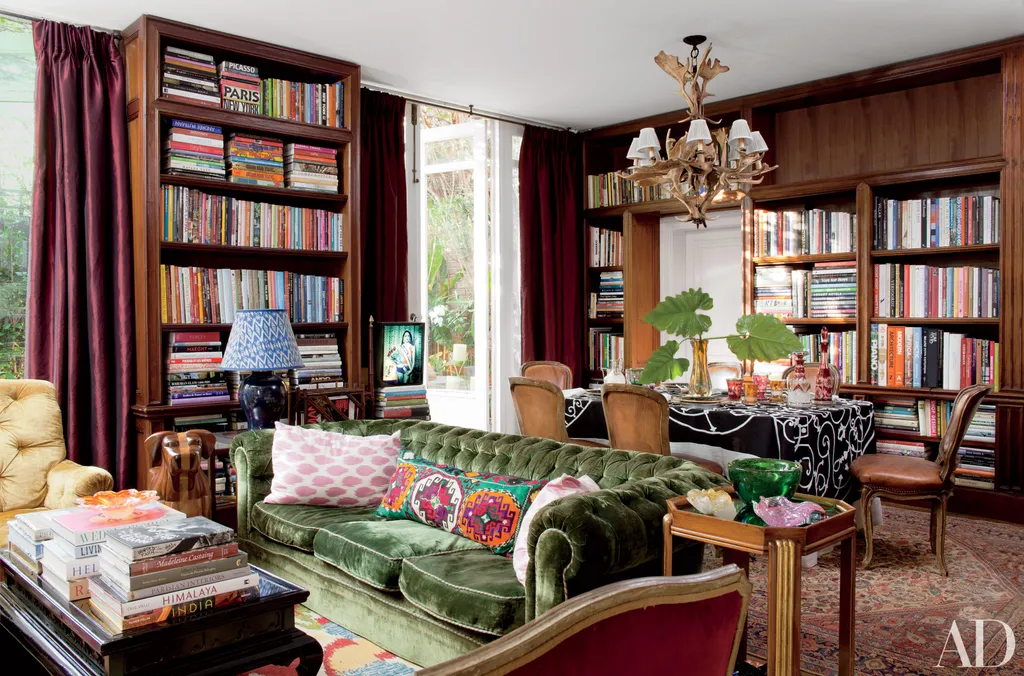
Photo: Roger Davies49/72 Warm Brazilian Library with Wood Bookshelves
Sig Bergamin’s library features warm wood bookshelves complemented by a green velvet couch and a striking chandelier. An Indian tablecloth and French taffeta curtains add layers of texture and sophistication.
-
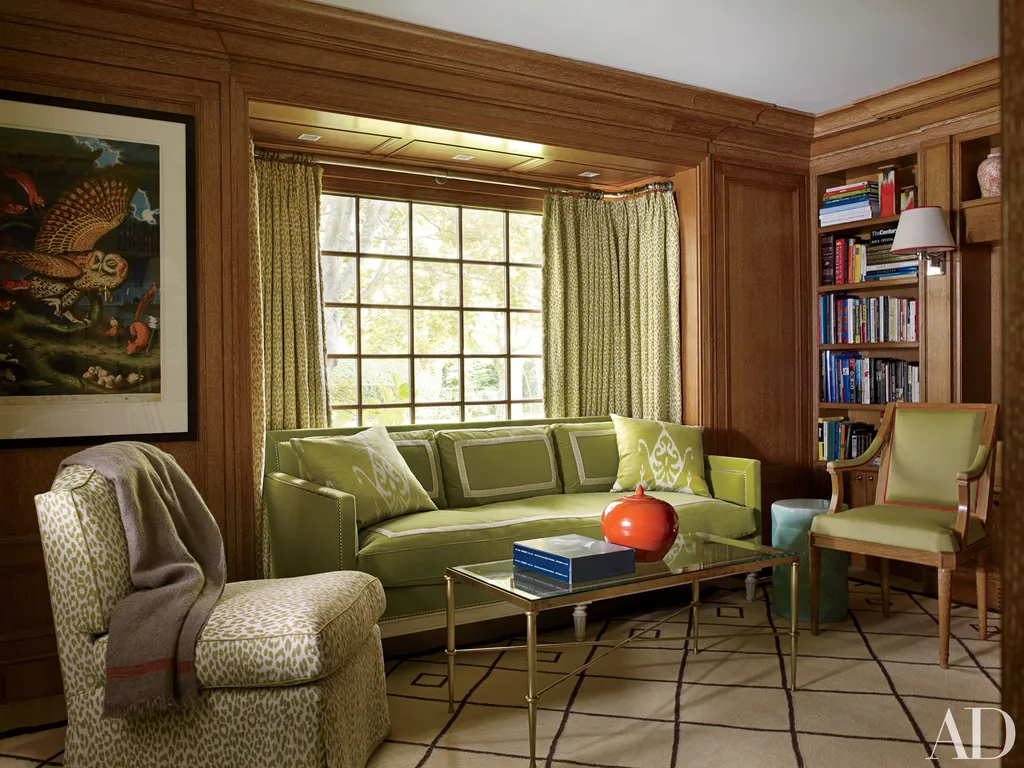
Photo: William Waldron51/72 Cozy Corner Nook with Books and Art
In this Southampton home, a window nook was transformed into a book-filled corner, enhanced by a striking art piece and a designer rug, creating an intimate and picturesque reading space.
-
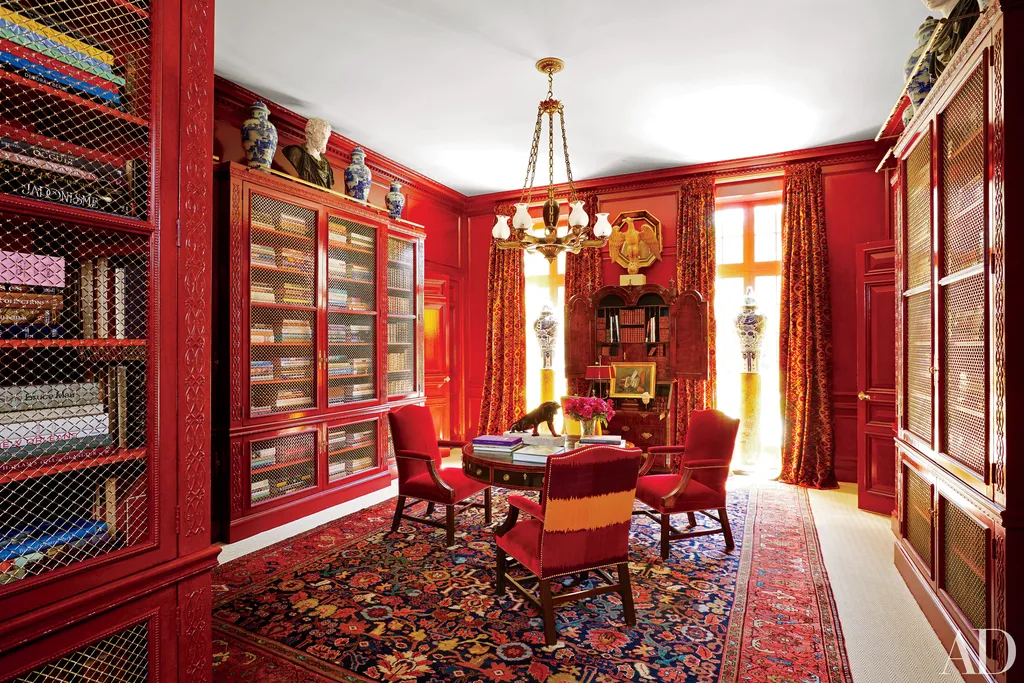
Photo: Thomas Loof52/72 Dramatic Houston Library with Lacquered Walls
Miles Redd created a stunning, color-drenched library with lacquered walls, making the bookshelves a striking visual element. The dramatic effect is heightened by a unique chandelier and antique furnishings.
-
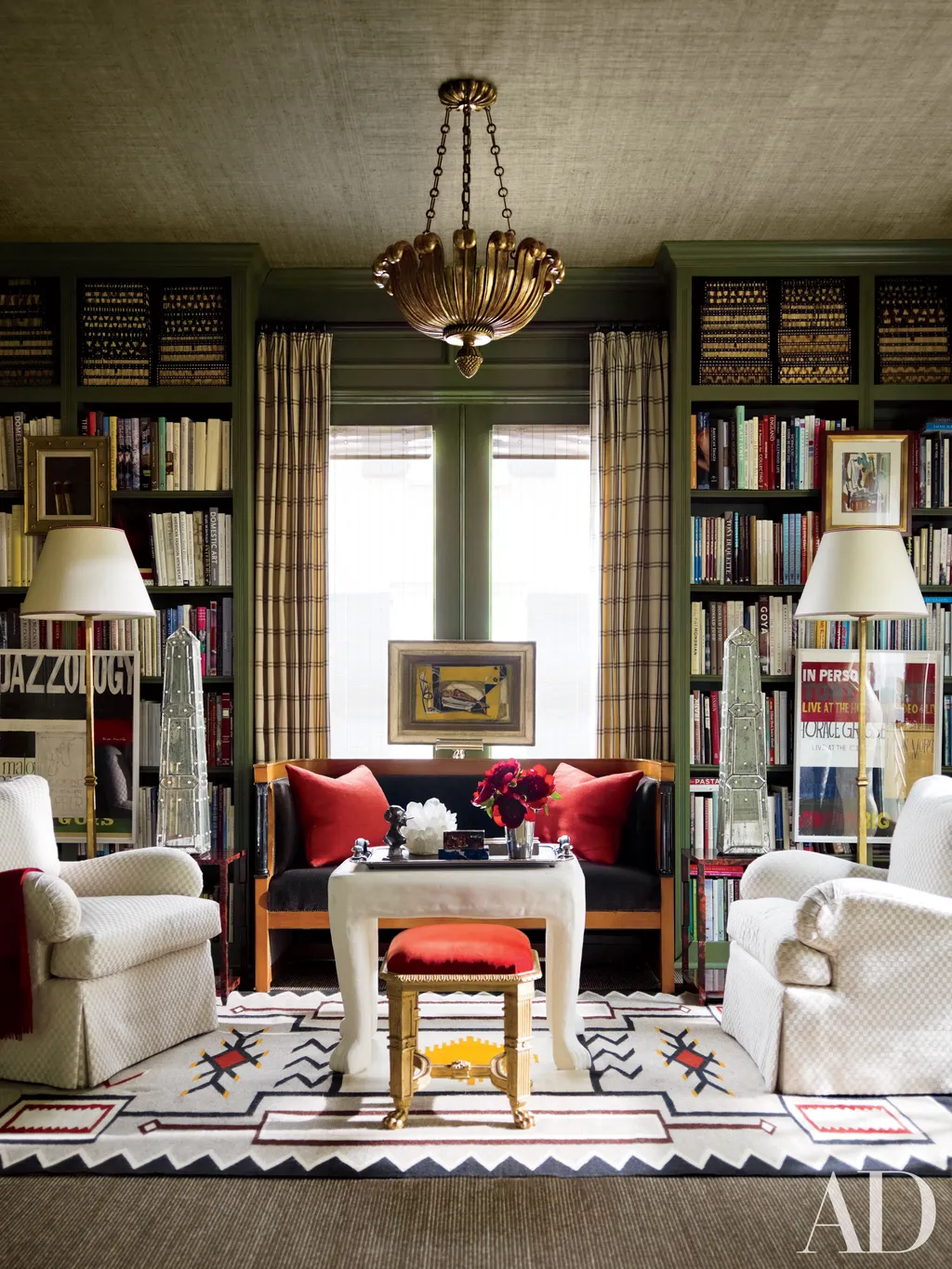
Photo: Eric Piasecki53/72 Floor-to-Ceiling Shelving for Visual Height
J. Randall Powers’s library features floor-to-ceiling shelving that draws the eye upward, enhancing the room’s verticality. Art and antique furnishings add character and sophistication to this elegant space.
-
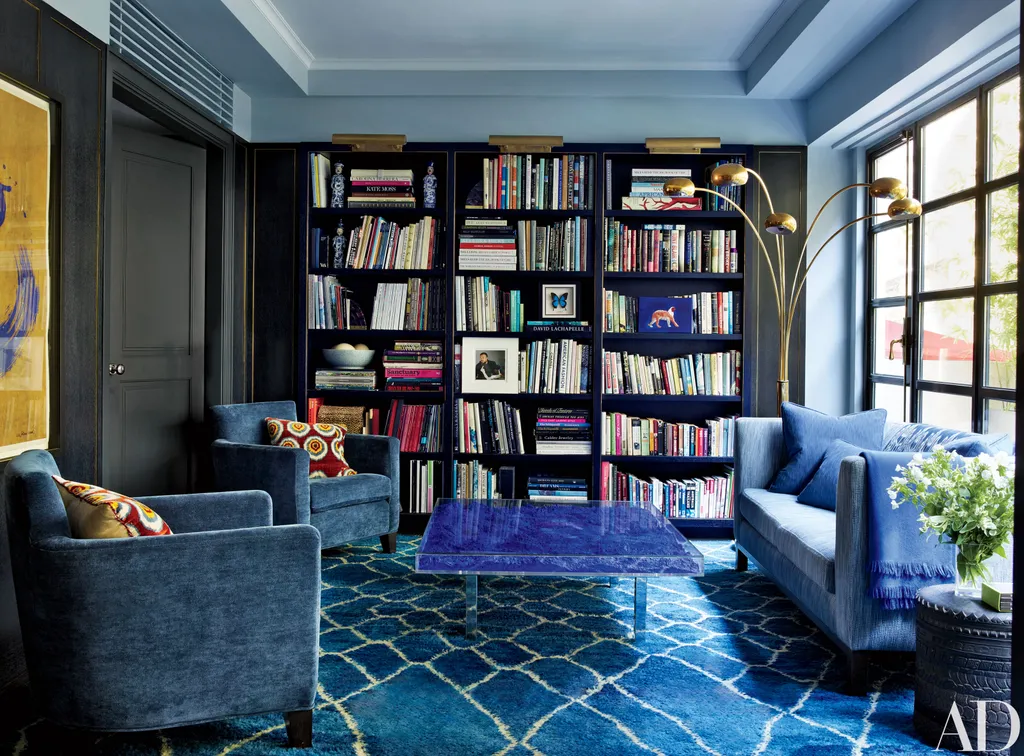
Photo: Simon Upton54/72 Monochromatic Blue Library for Serene Ambiance
Fiona Kotur’s Hong Kong library embraces a cool blue monochromatic scheme. Christian Liaigre armchairs and custom furnishings in Manuel Canovas fabrics create a serene and cohesive environment.
-
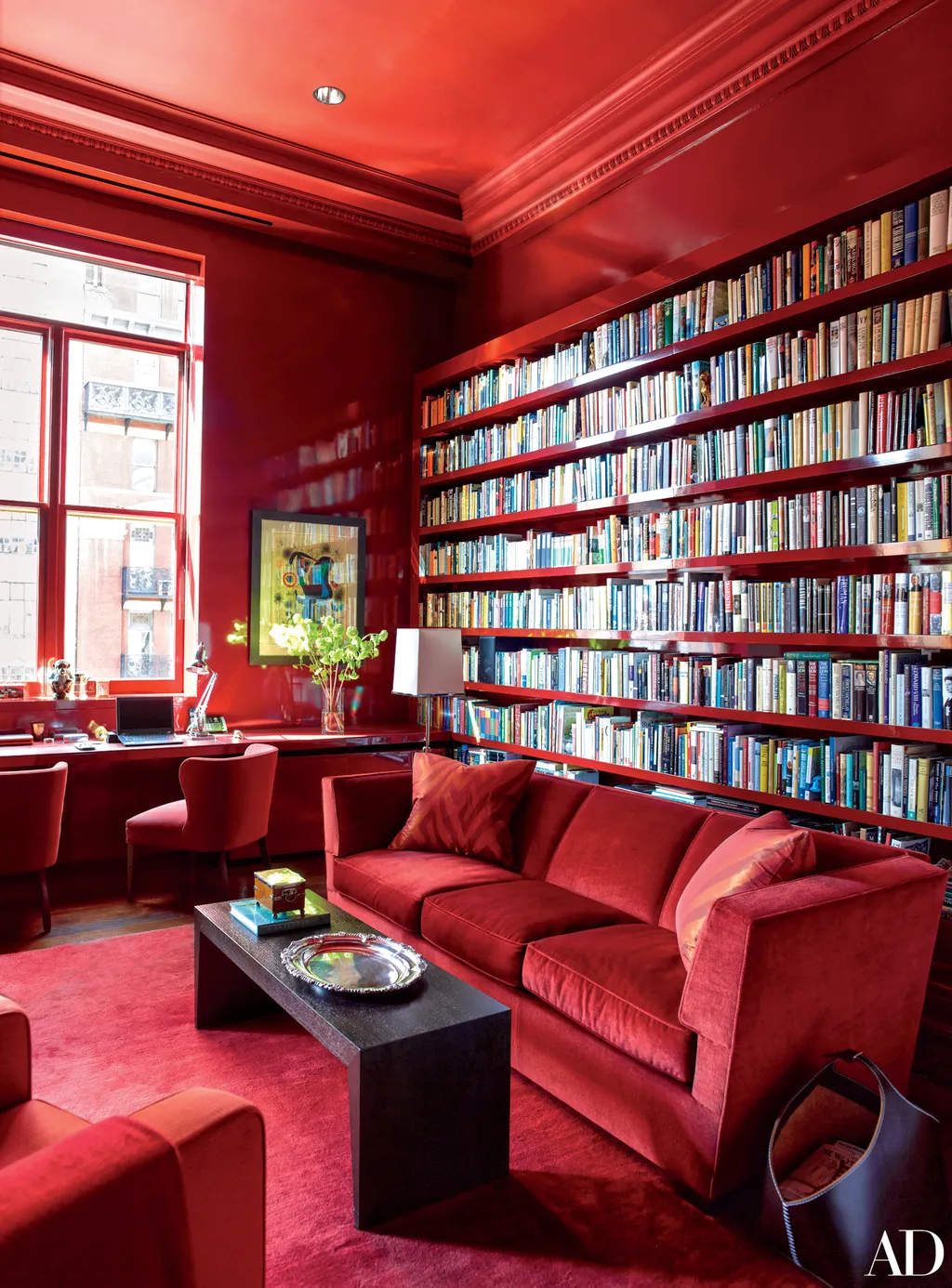
Photo: Eric Piasecki55/72 Vibrant Red Library with Glossy Bookshelves
Bruce Bierman designed this New York City library with a vibrant red palette and glossy bookshelves. The monochromatic approach allows the book spines to become a prominent design element.
-
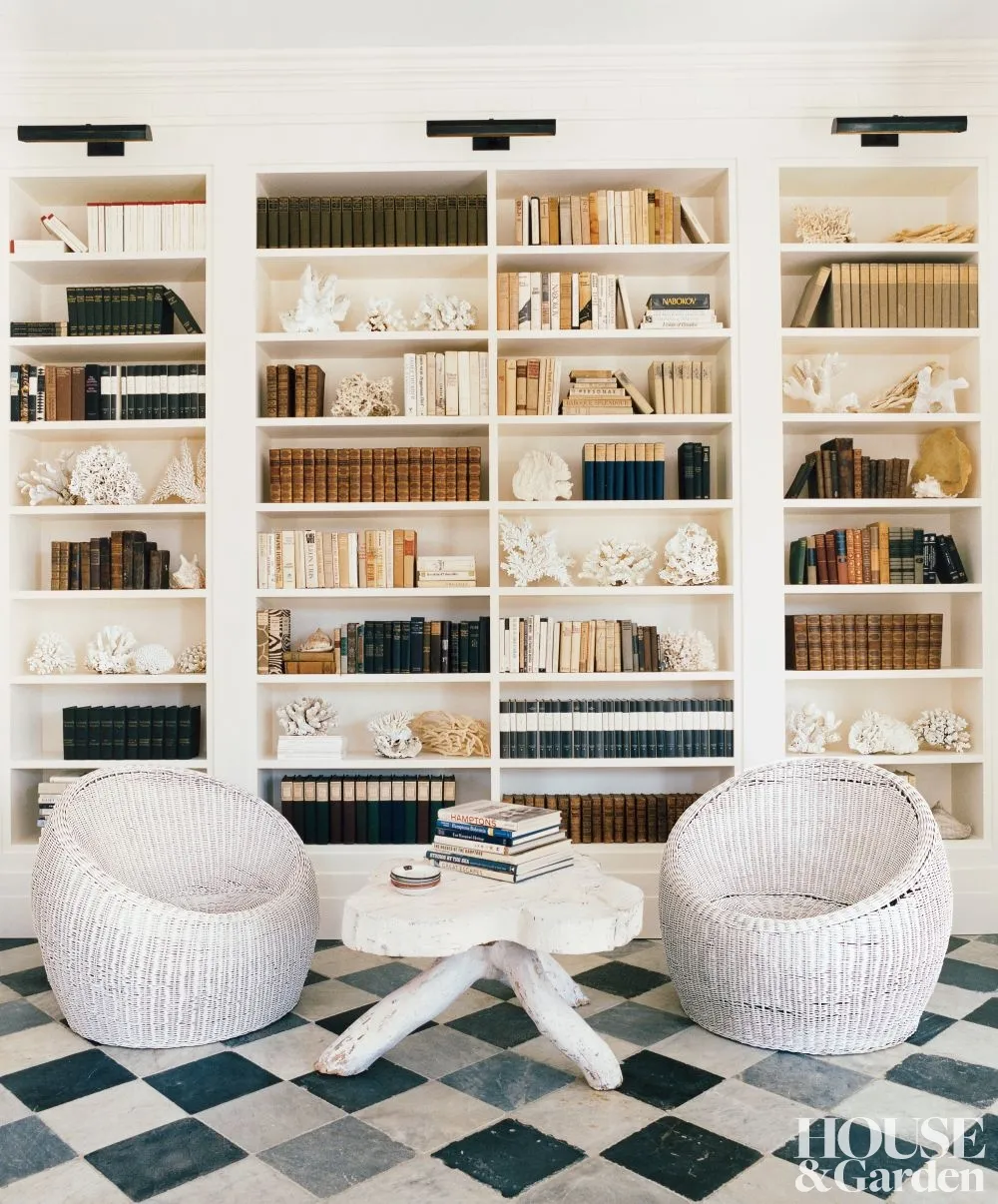
Photo: François Halard57/72 Coastal Collection with White Bookshelves
This Hamptons library features white-painted bookshelves that serve as a classic foundation. Wicker chairs and a rustic table add texture and a distinct coastal charm.
-
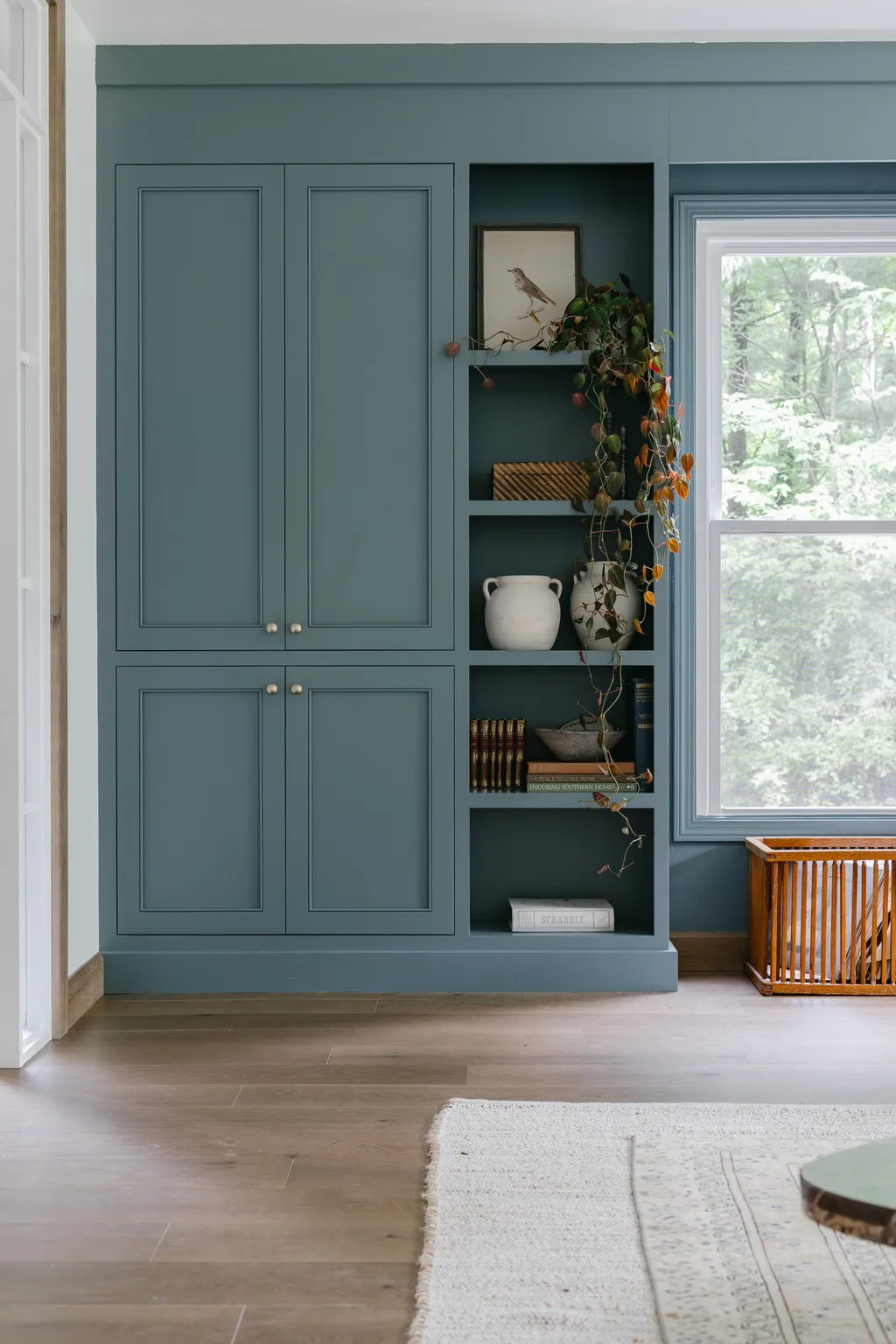
Photo: Ramsey Baker Photography59/72 Balanced Open and Closed Storage in Blue
Sadie Beachy designed this split bookshelf in a calming blue, balancing open shelving for displaying favorite books with closed storage for concealed clutter. This functional design caters to a family’s needs while maintaining a stylish aesthetic.
-
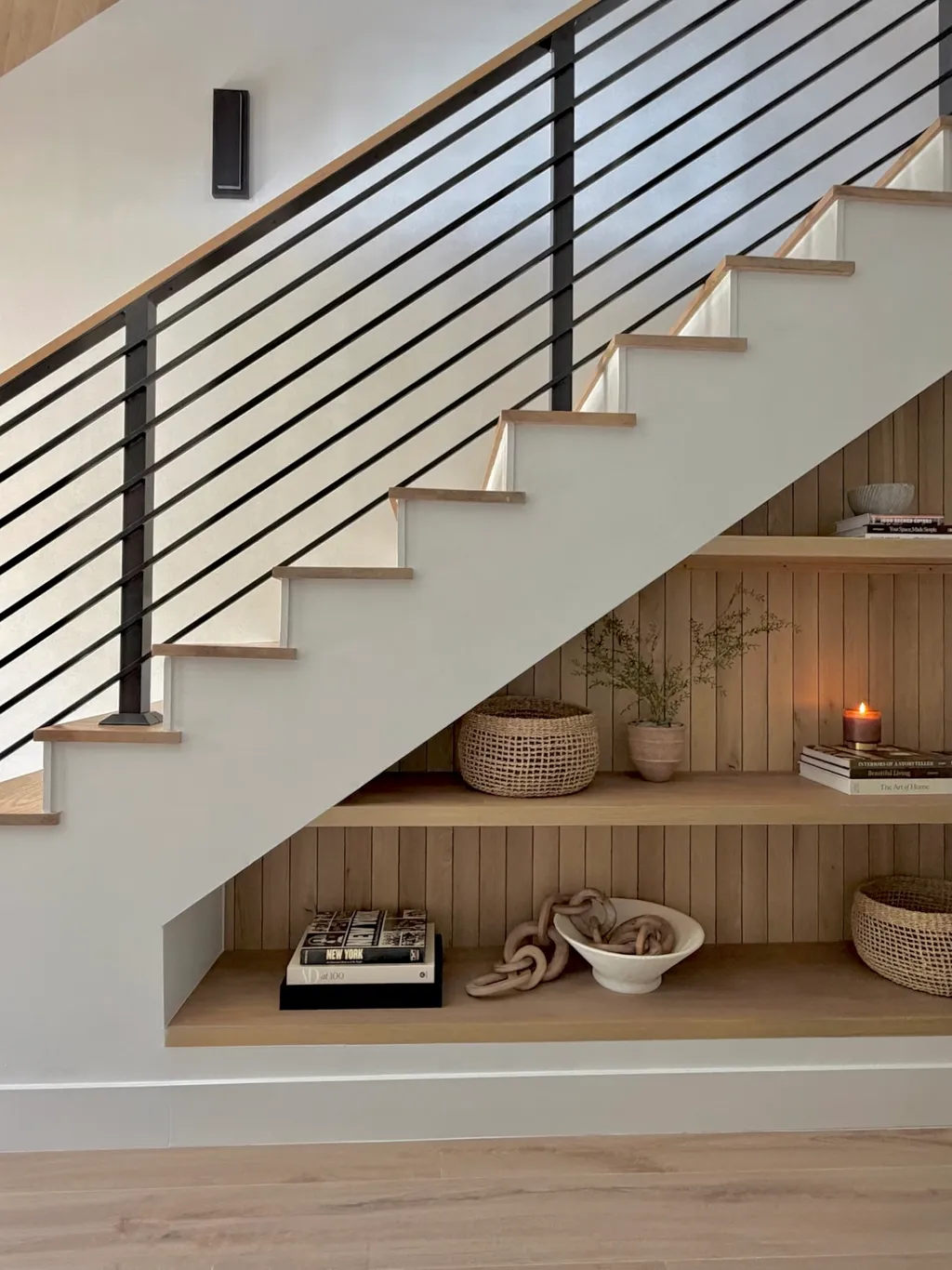
Photo: Galey Alix61/72 Innovative Bookshelf Under the Stairs
Galey Alix creatively utilized the space under a staircase by installing a built-in bookshelf. This solution transforms a typically challenging area into a functional and aesthetically pleasing feature.
-
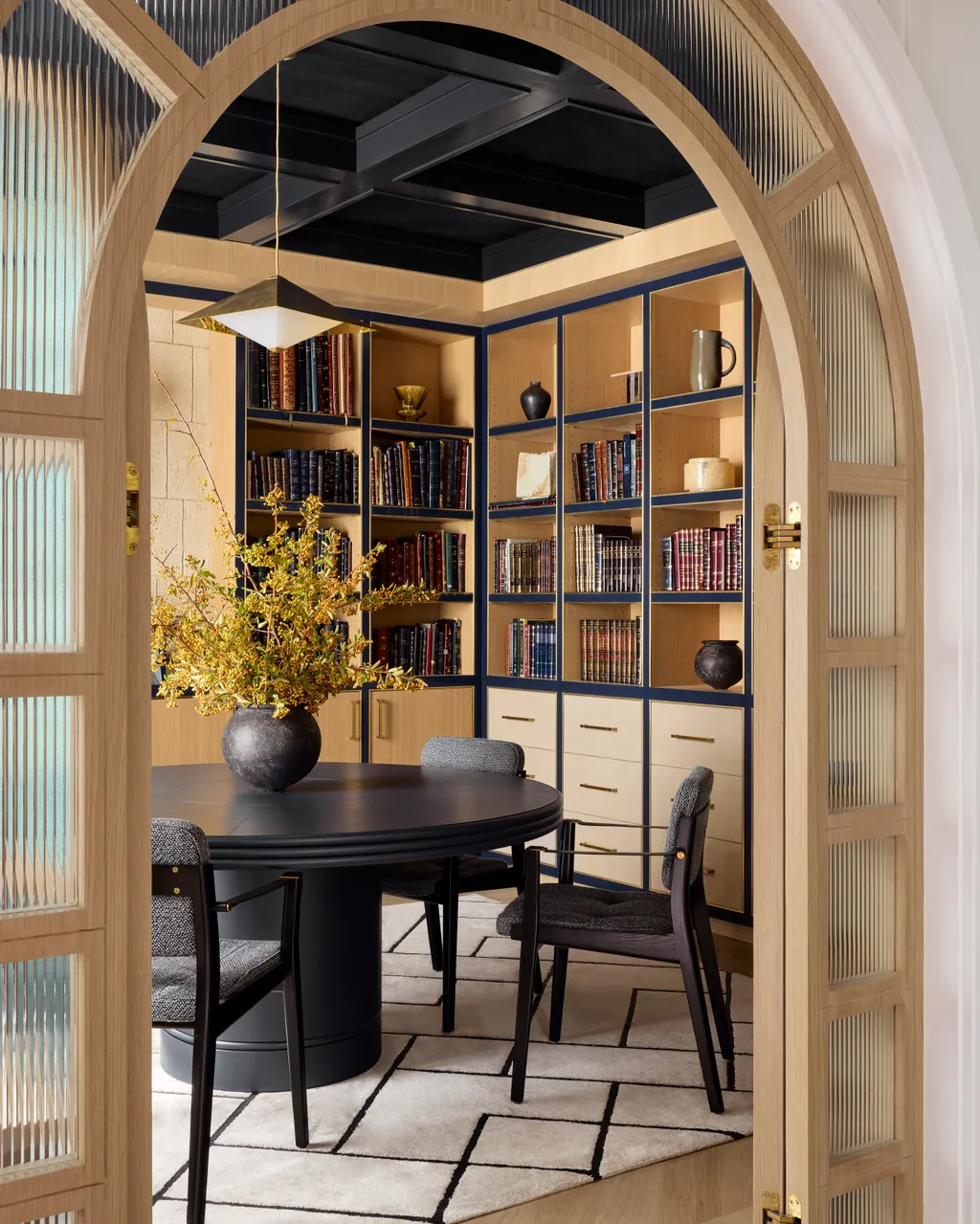
Photo: Gieves Anderson69/72 Immersive Wall-to-Wall Library Design
Abigail Kahan created an immersive library experience with wall-to-wall bookshelves that envelop the space. The design incorporates layered textures and finishes, including lacquered shelving, suede drawer fronts, brass inlays, and oak detailing.
-
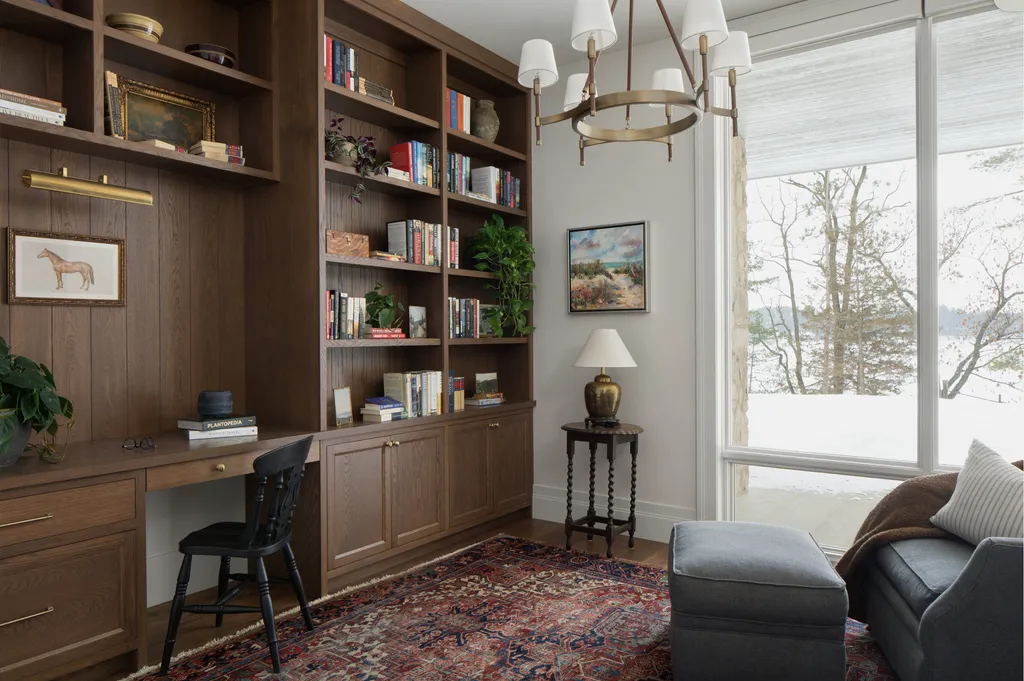
Photo: Ryan Hainey70/72 Dedicated Reading Room with Integrated Workspace
Anna Franklin designed a dedicated reading room with floor-to-ceiling wooden shelving and an integrated desk. This design maximizes utility without compromising the room’s primary identity as a library.
-
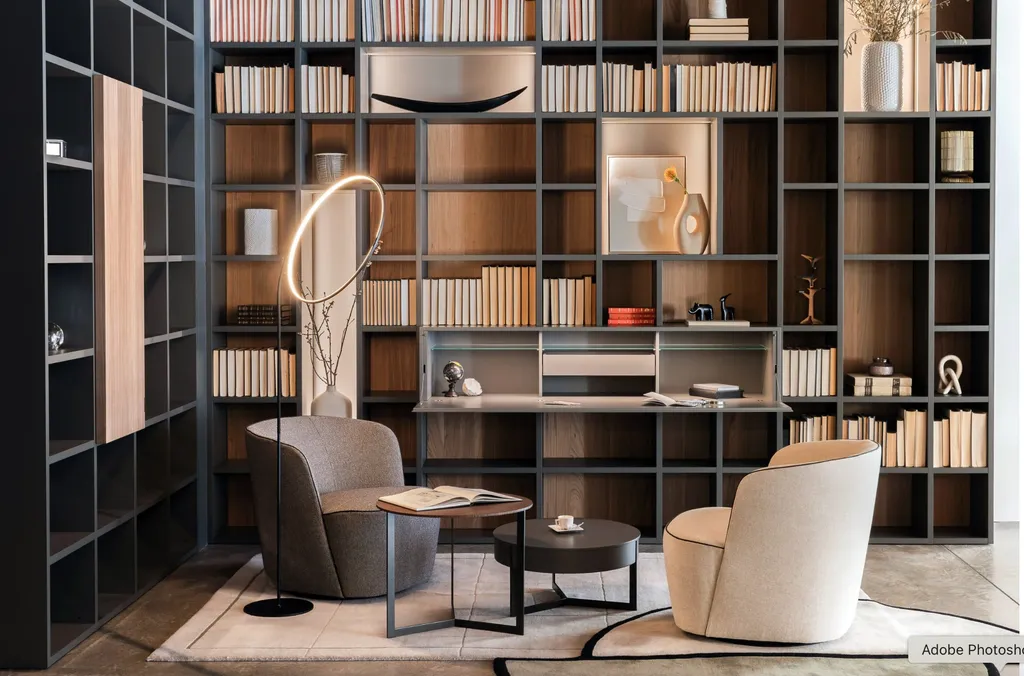
Photo: Sarah Crowley72/72 Balanced Display with Intentional Negative Space
Jon Fante achieved balance in this floor-to-ceiling bookcase by intentionally leaving some shelves empty. This highlights the rich wood background and creates visual interest through varying volumes and light effects.
Frequently Asked Questions
What bookshelf decor trends are currently in vogue?
Current trends favor curated bookshelves that tell a personal story, incorporating cherished objects, art, and keepsakes alongside books. Designers emphasize intentionality, layering textures, and maintaining negative space to avoid clutter and create a visually relaxed and appealing arrangement. The juxtaposition of diverse textures, from heavy marble to organic woven materials, adds depth and interest.
What are the best bookshelf solutions for compact living spaces?
Built-in bookshelves are exceptionally effective in small spaces, integrating seamlessly with architecture and maximizing available square footage. Combining open and closed storage solutions offers both display opportunities and concealed storage. Freestanding options like ladder or corner bookshelves also leverage vertical space or overlooked corners. Light-colored or white bookshelves tend to feel less visually imposing and blend more harmoniously with the surroundings.
What are the diverse applications for bookshelves beyond book storage?
Bookshelves serve multiple functions, including displaying collections, providing hidden storage, defining seating areas, or creating dedicated reading nooks. Thoughtfully designed bookshelves act as architectural features, infusing rooms with purpose and personality. They can also anchor televisions, serve as counters, or store children’s toys.
How should one effectively style bookshelves?
Bookshelves should spotlight meaningful items—mementos, personal achievements, or decor that reflects individual style—rather than becoming catchalls for random objects. A “less is more” philosophy is crucial; avoid overcrowding to ensure each item is appreciated. Careful attention to scale and height is recommended. Periodically revisiting and refreshing the arrangement allows the bookshelf to evolve with changing interests. Integrating lighting, whether through picture lights or internal shelf illumination, can elevate the display to a micro-gallery presentation.
Is purchasing pre-made bookshelves more cost-effective than custom building?
The cost comparison between purchasing and building bookshelves depends heavily on customization needs and architectural specifics. Off-the-shelf units are generally more budget-friendly but may not achieve the tailored look desired for rooms with unique proportions or specific storage requirements. Custom millwork represents an investment that transforms a wall into a functional architectural feature, adding long-term value to a property. A hybrid approach, such as mounting store-bought units to the wall, can offer a semi-custom solution. Ultimately, the quality, longevity, and transformative impact of custom built-ins often justify the investment.
Business Style Takeaway: Integrated built-in bookshelves offer a sophisticated approach to home organization, seamlessly blending architectural design with personal expression. This strategy not only enhances the aesthetic appeal and perceived value of a property but also cultivates an environment that reflects refined taste and curated living.
According to the portal: www.architecturaldigest.com