

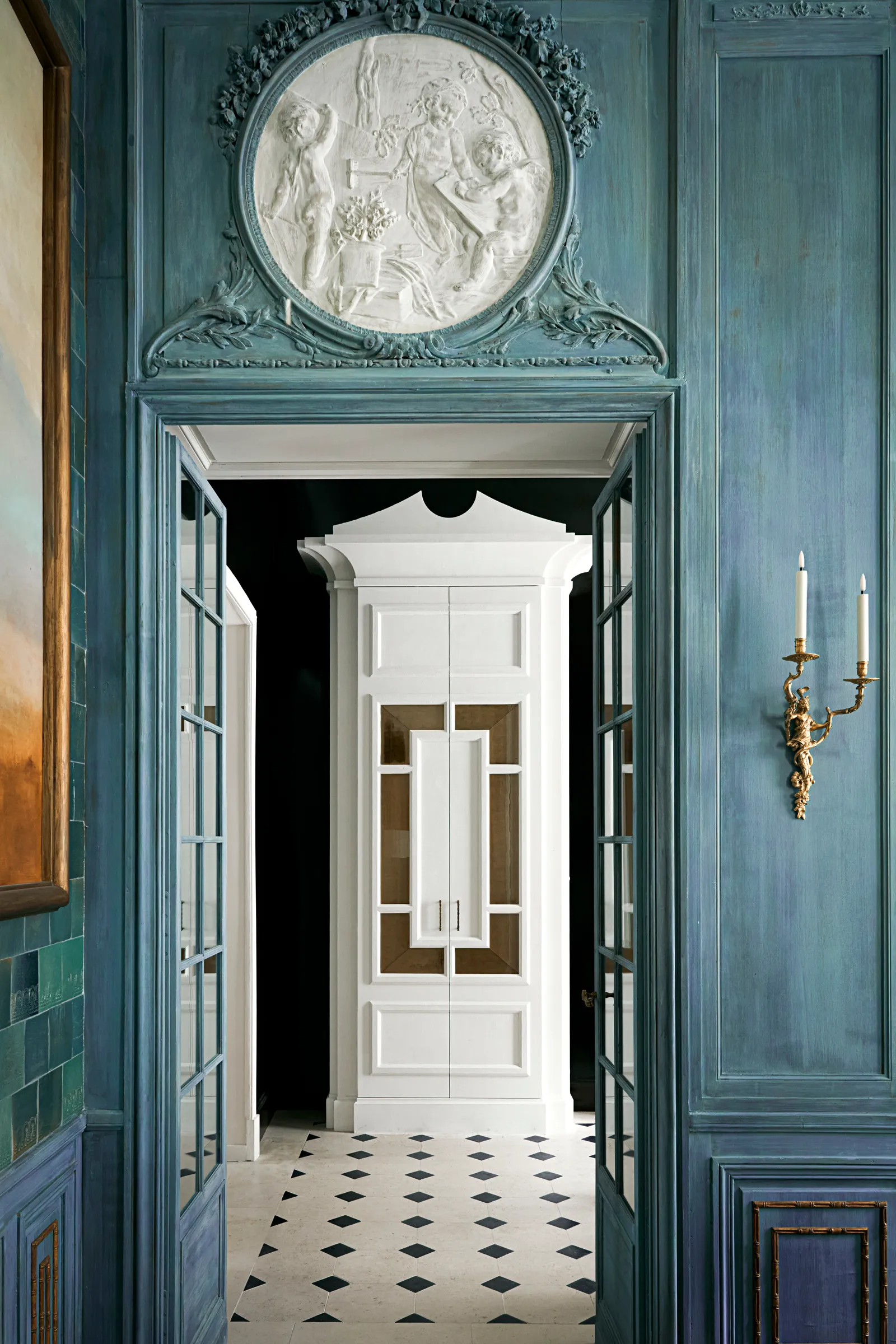
Parisian gallerists and designers Maylis and Charles Tassin imbue their work with a profound sense of theatricality. This is strikingly evident in a historic apartment they recently reimagined. The space features walls finished in a deep, lustrous lacquer, creating a dramatic counterpoint to two pristine white wardrobes, meticulously designed in the structured aesthetic of Emilio Terry. This sophisticated black-and-white palette, a recurring motif throughout the residence, evokes the evocative depth of Flemish Old Master paintings and foreshadows the intriguing design discoveries within.
A Symphony of Color and Craftsmanship
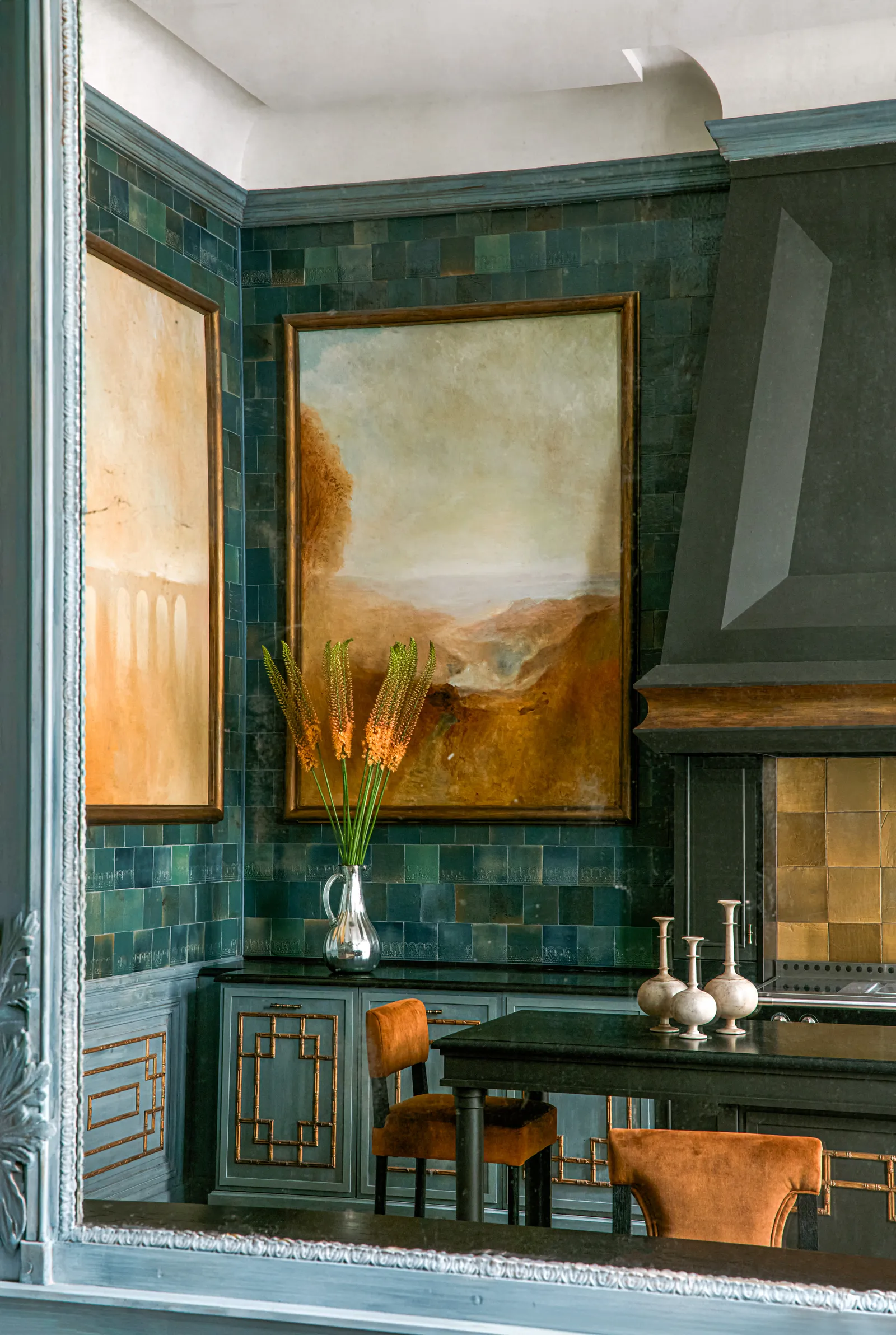
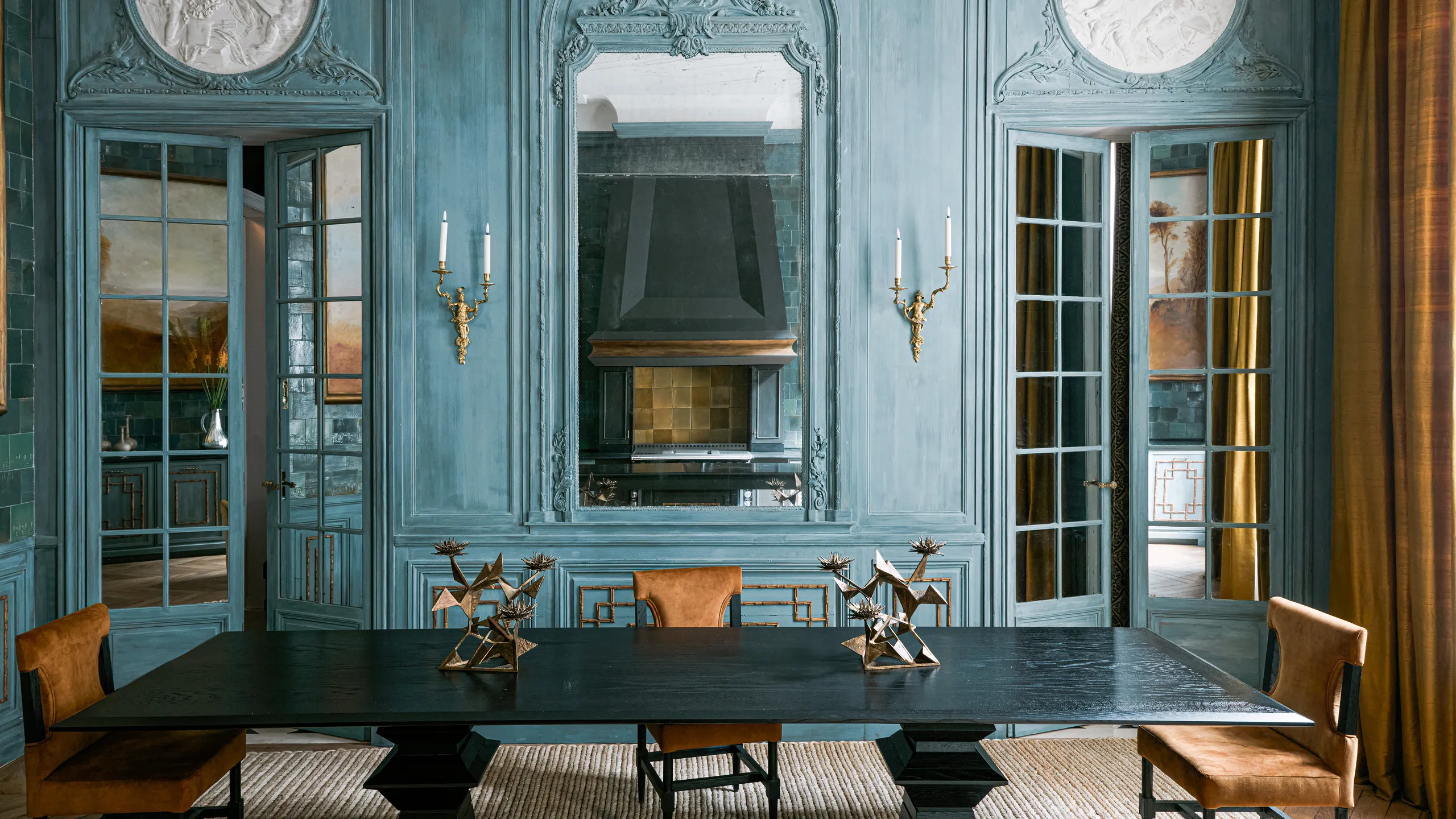
The spectacular kitchen and dining area is bathed in light that accentuates the walls, adorned with bespoke patinated tiles by Suzanne Moreau. These tiles possess a remarkable depth and vibrancy, reminiscent of cherished antique ceramics. The room’s striking azure tones were meticulously applied by decorative painters Nicolas and Sébastien Reese of Reese Studio, artists also recognized for their work at the prestigious Hôtel de la Marine. A notable detail is the presence of bamboo-shaped moldings on the cabinet fronts, a nod to the 18th century’s pervasive fascination with the exotic.
A Philosophy Rooted in Heritage
Beyond their interior design practice, Maylis and Charles Tassin are accomplished artists, discerning antiques dealers, and life partners who also own the esteemed Galerie May in Paris’s 6th arrondissement. The profound historical references woven into this project are a signature element of their professional ethos. Charles articulates their approach: “For us, design is a negotiation between classicism and modernism. Our inspiration draws equally from the annals of decorative arts and the fabric of everyday life, with particular influences from literature, theater, opera, and cinema.” Thorough research forms the bedrock of their work, ensuring that each creation is a unique expression rather than a mere replication of the past. “To eschew fleeting trends is integral to our commitment to heritage preservation,” Maylis explains. “Respecting a site and its history is as crucial as imbuing each project with its distinct identity.”
Preserving History, Enhancing Functionality
This residence is deeply imbued with its own historical narrative. The esteemed Duke of Choiseul once occupied the same floor, utilizing this very space for his offices. The kitchen, a more recent addition, was originally an exterior courtyard, while a previous owner in the 19th century added a library and salon. The Tassins’s renovation efforts centered on these historically significant areas, necessitating a complete rebuild of the apartment’s infrastructure.
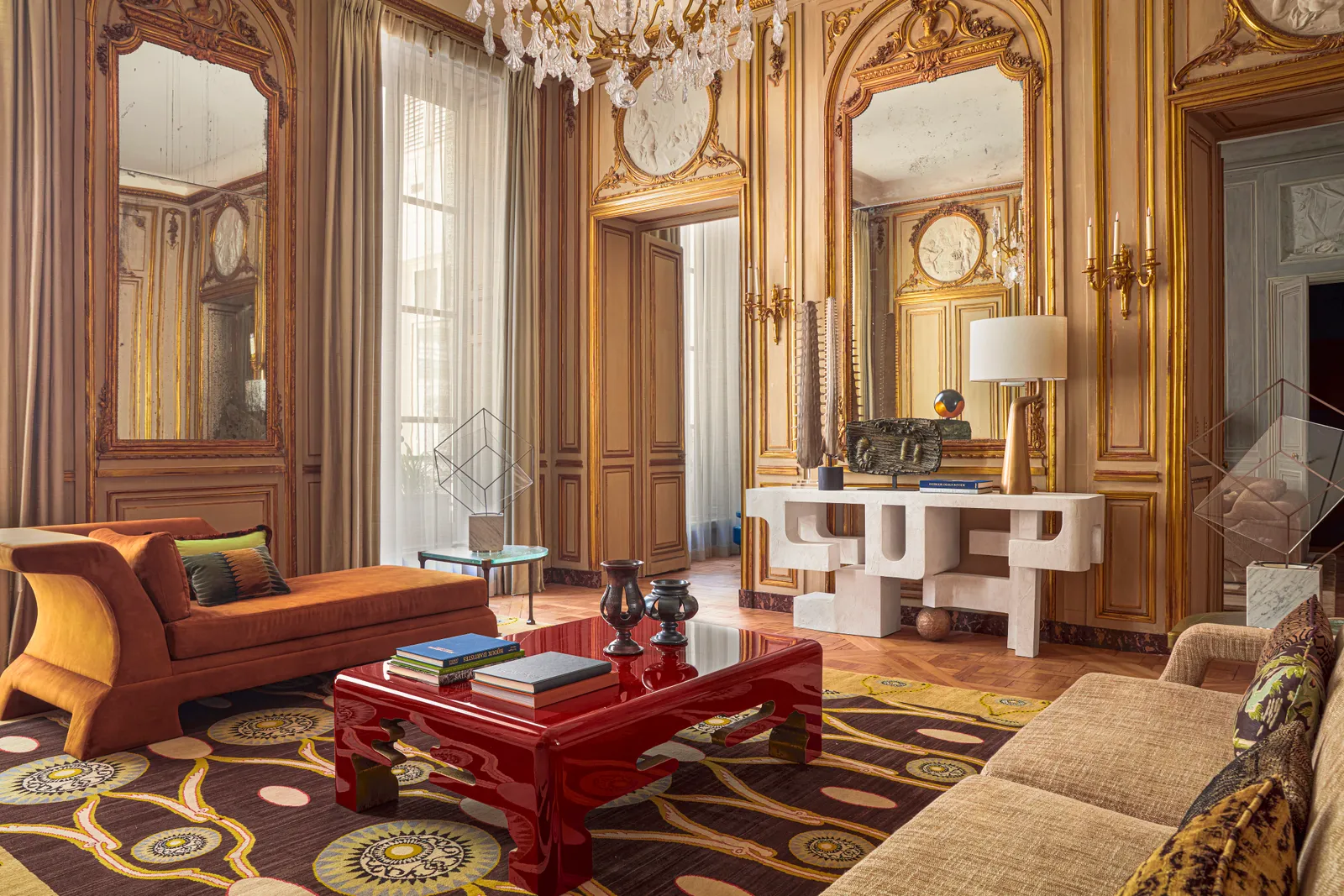
Charles Tassin meticulously designed every element, including a monumental fireplace that evokes the grandeur of an ancient château, ensuring each piece harmoniously integrates with the home’s storied past. His refined sensibility is evident in the subtle illumination of bas-reliefs, bestowing upon them a delicate, porcelain-like glow. The gilded woodwork, preserved with a gentle patina, and the crystal bulbs adorning the grand living room chandelier further enhance the ambiance. The custom carpet, woven in Iran, features patterns inspired by the opulent decorations of Istanbul’s Topkapi Palace, while the exquisite marquetry on the consoles was crafted by Aliette de Montlaur.
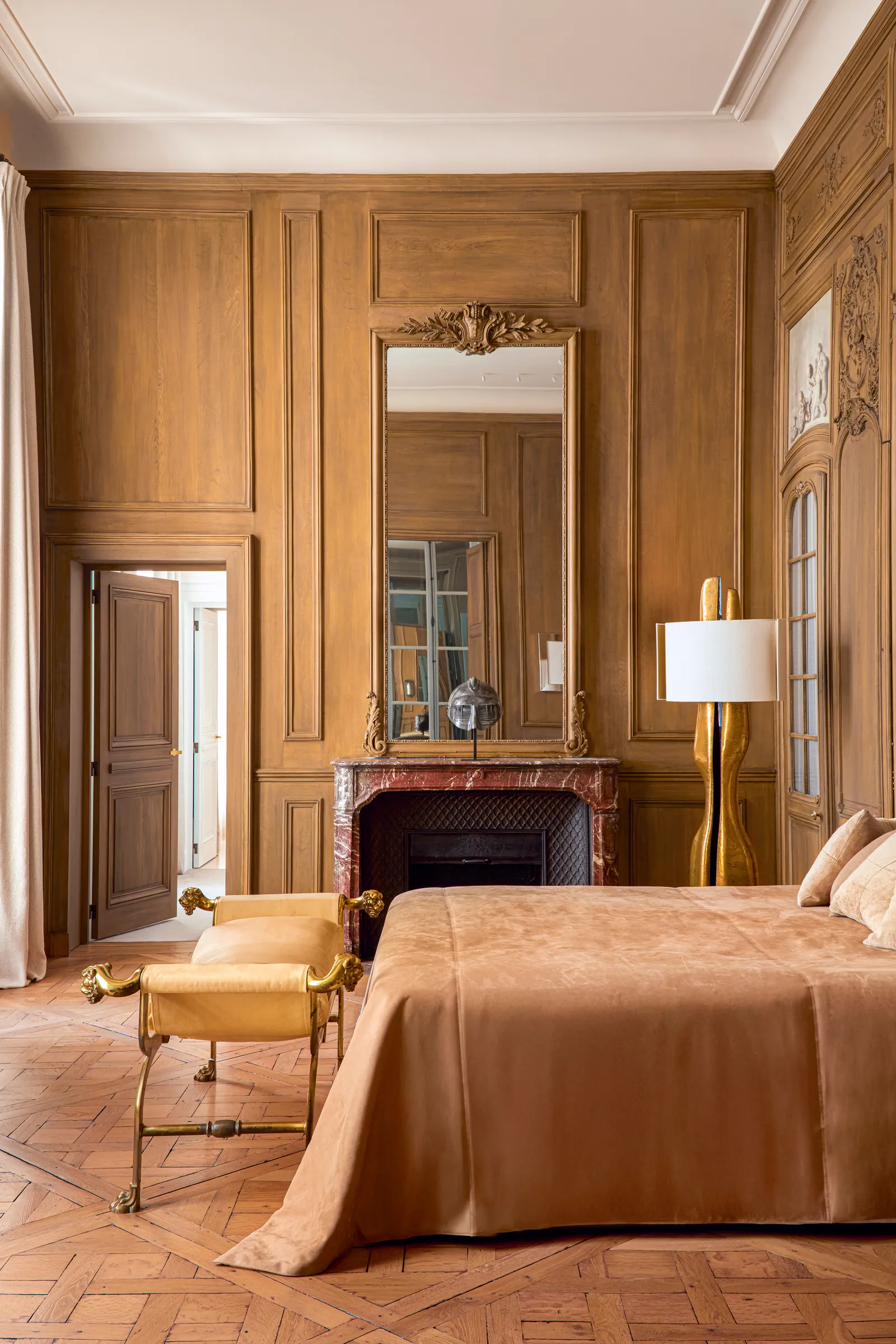
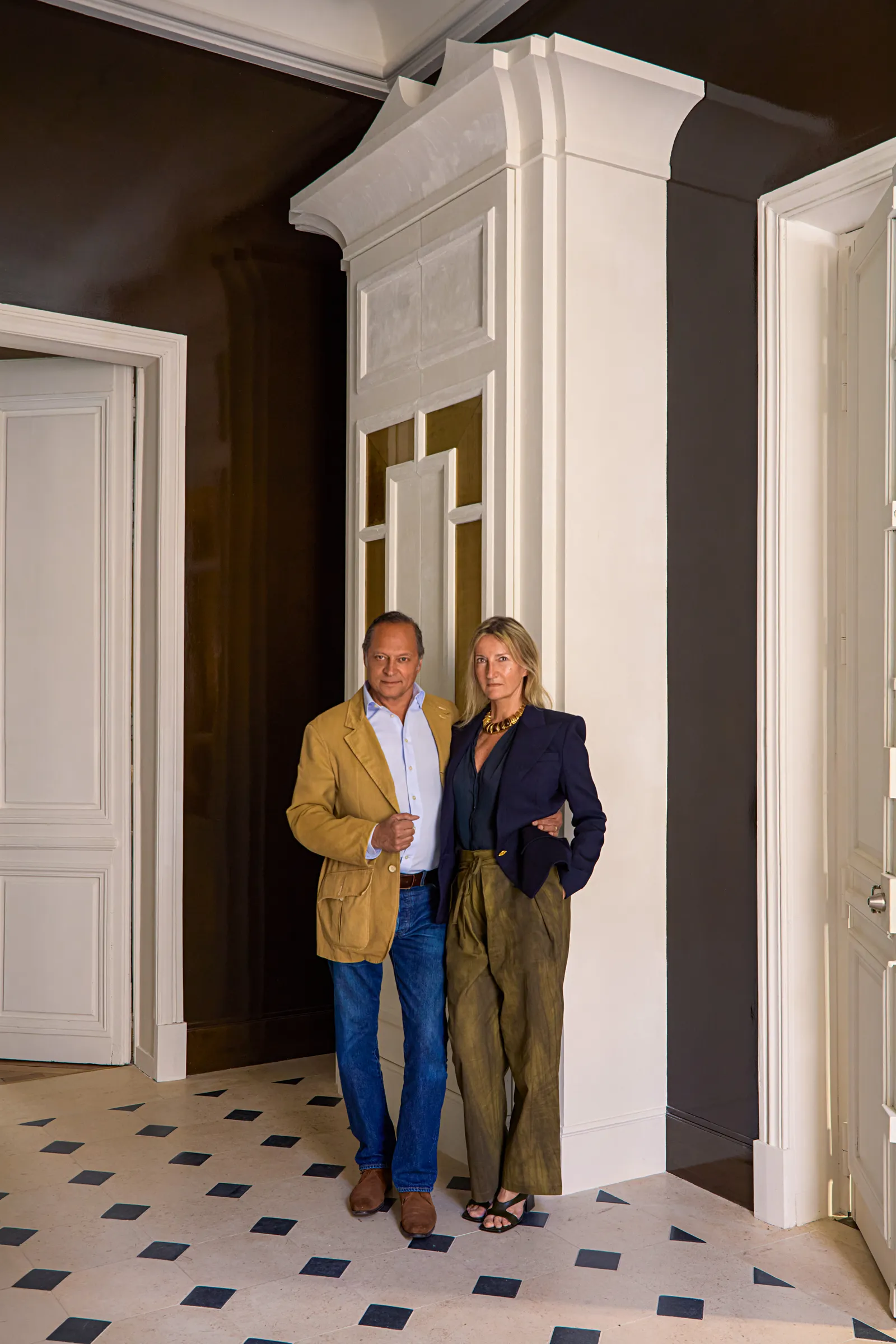
The Tassins, collaborating with architect Olivier Bachelet, also addressed the crucial task of transforming the apartment’s formal reception rooms into spaces conducive to contemporary family living. Their success lies in achieving a harmonious equilibrium between refined elegance and essential functionality, evident in both the public and private quarters. This project demonstrates that formal spaces can indeed embrace practicality without compromising on their inherent grace.
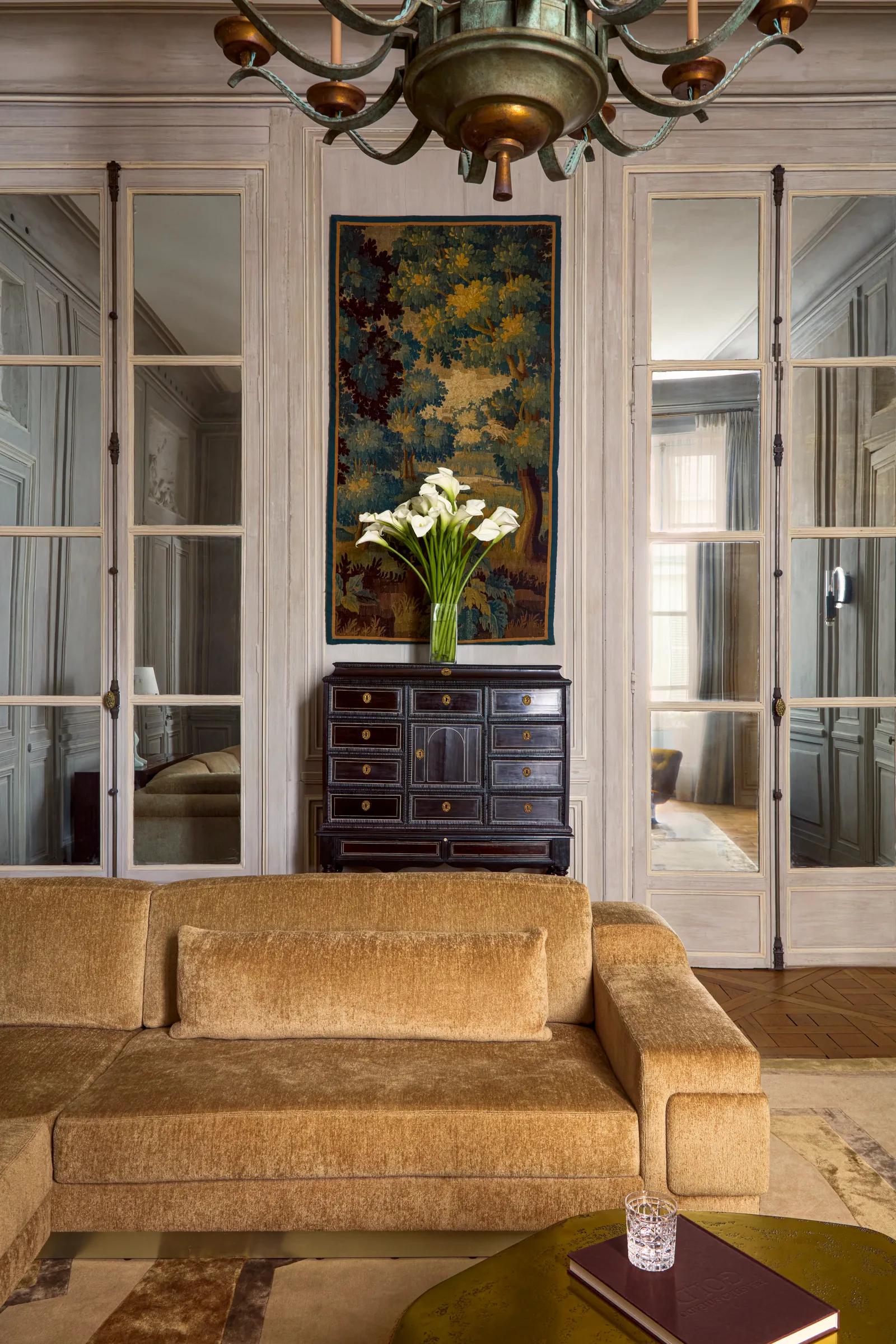
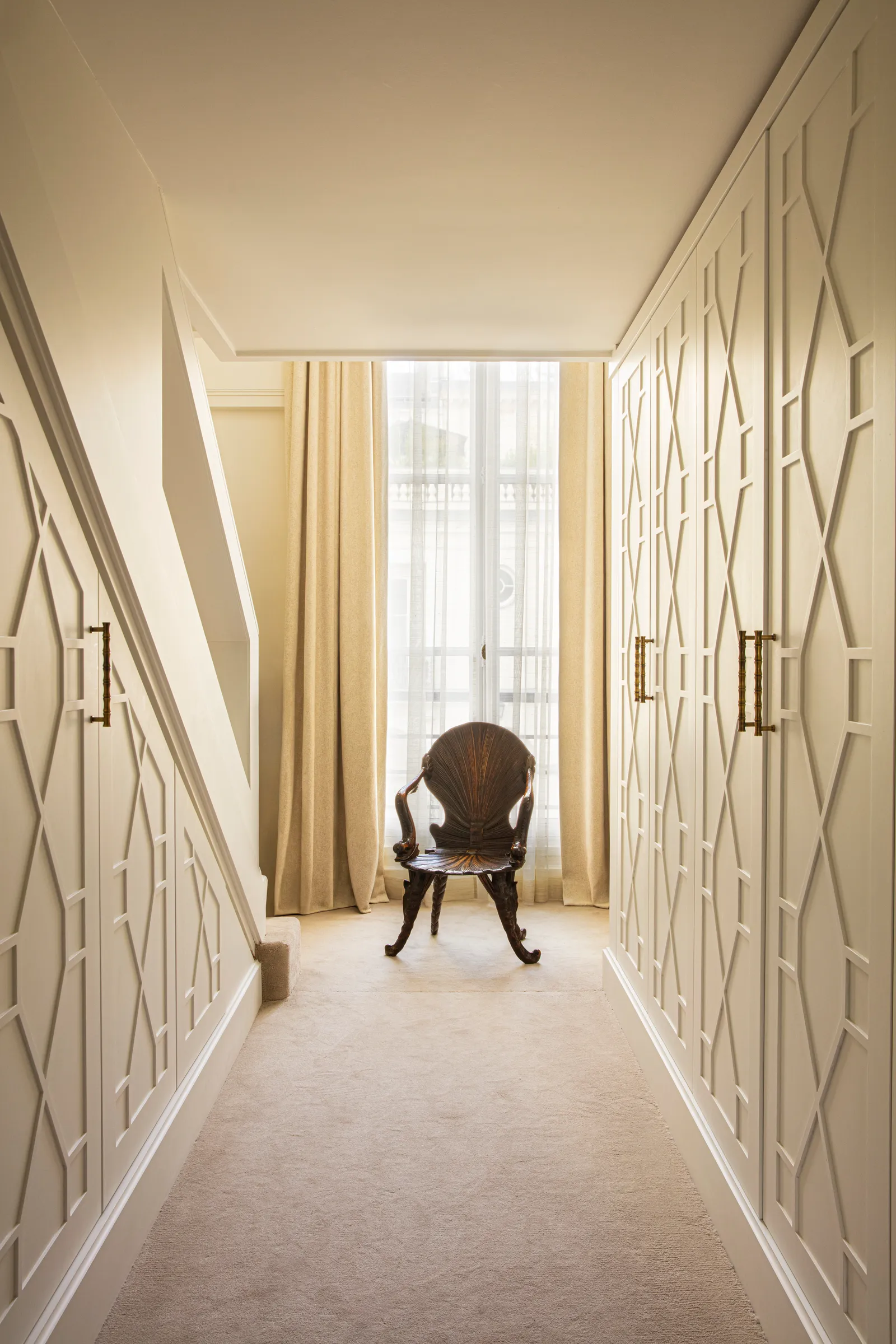
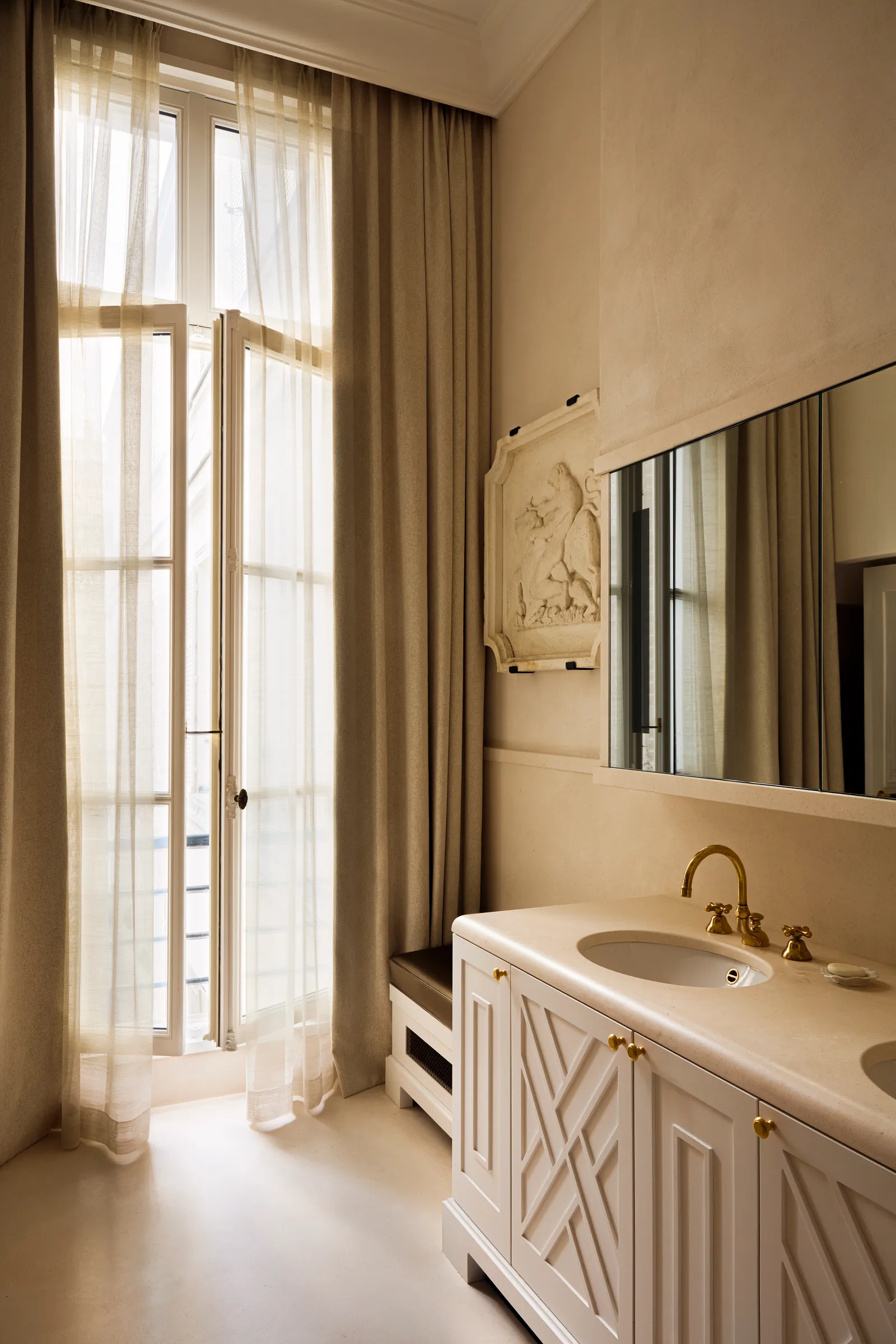
Business Style Takeaway: The Tassins masterfully blend historical reverence with contemporary design, creating spaces that are both aesthetically rich and functionally superior. This approach enhances the quality of luxury living by crafting environments that resonate with depth, character, and personal brand reflection, offering a timeless yet sophisticated backdrop.
Based on materials from : www.architecturaldigest.com