

The narrative of design often unfolds as a dialogue across generations and aesthetic sensibilities, as exemplified in the thoughtful integration of a child’s preferences into a meticulously restored Portuguese farmhouse. This approach, where a daughter’s desire for robin’s egg blue on an armoire and an appreciation for original rust-red tiled floors and antique furnishings are honored, underscores a design philosophy that values personality and history.
Nate Berkus, a practitioner of this nuanced design ethos, emphasizes the importance of understanding historical references to inform contemporary interiors. His signature style, characterized by serene neutrals, layered textures, and the judicious inclusion of vintage and antique pieces, is not merely an aesthetic choice but a deliberate construction of personal narratives within a space. Berkus posits that the archives of design publications serve not only as historical records but as crucial resources for understanding the evolution of interior design, offering inspiration that resonates across time.
Selected Historical Inspirations
Berkus has curated a selection of features from esteemed design archives that have profoundly influenced his perspective and continue to inform his work, highlighting enduring principles of architectural and interior design excellence.
July 1978: Parisian Elegance and Directoire Revival
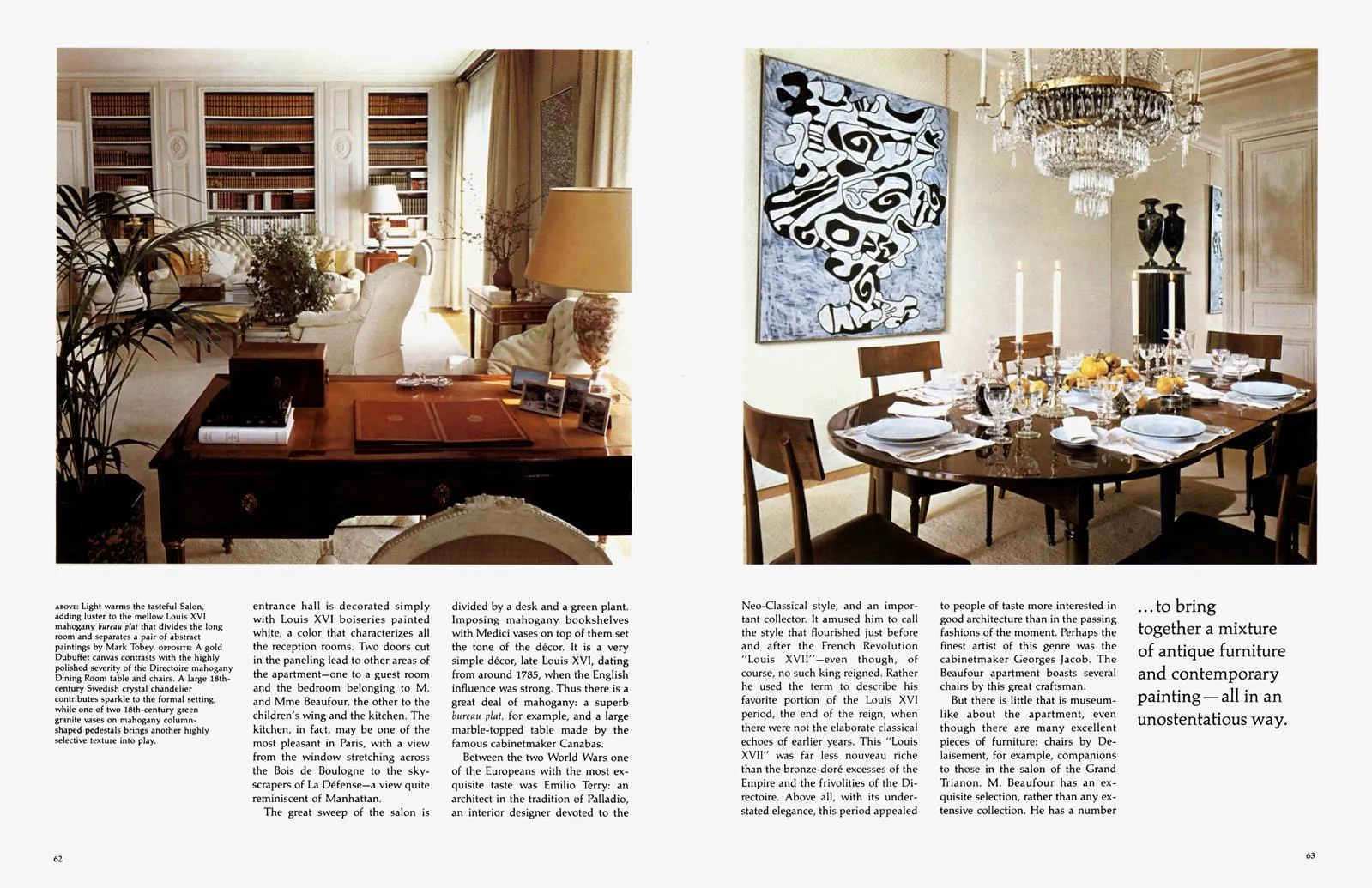
This particular feature showcases a palatial Paris apartment, illustrating a compelling transition from midcentury aesthetics to the more expressive sensibilities of the 1970s. The design is distinguished by its bold use of patterns, impactful artwork, notably a striking Dubuffet painting in the dining area, and the resurgence of Directoire mahogany chairs. These elements imbue the space with a sense of enduring sophistication and contemporary relevance.
January 1984: Abstract Expressionism in Connecticut
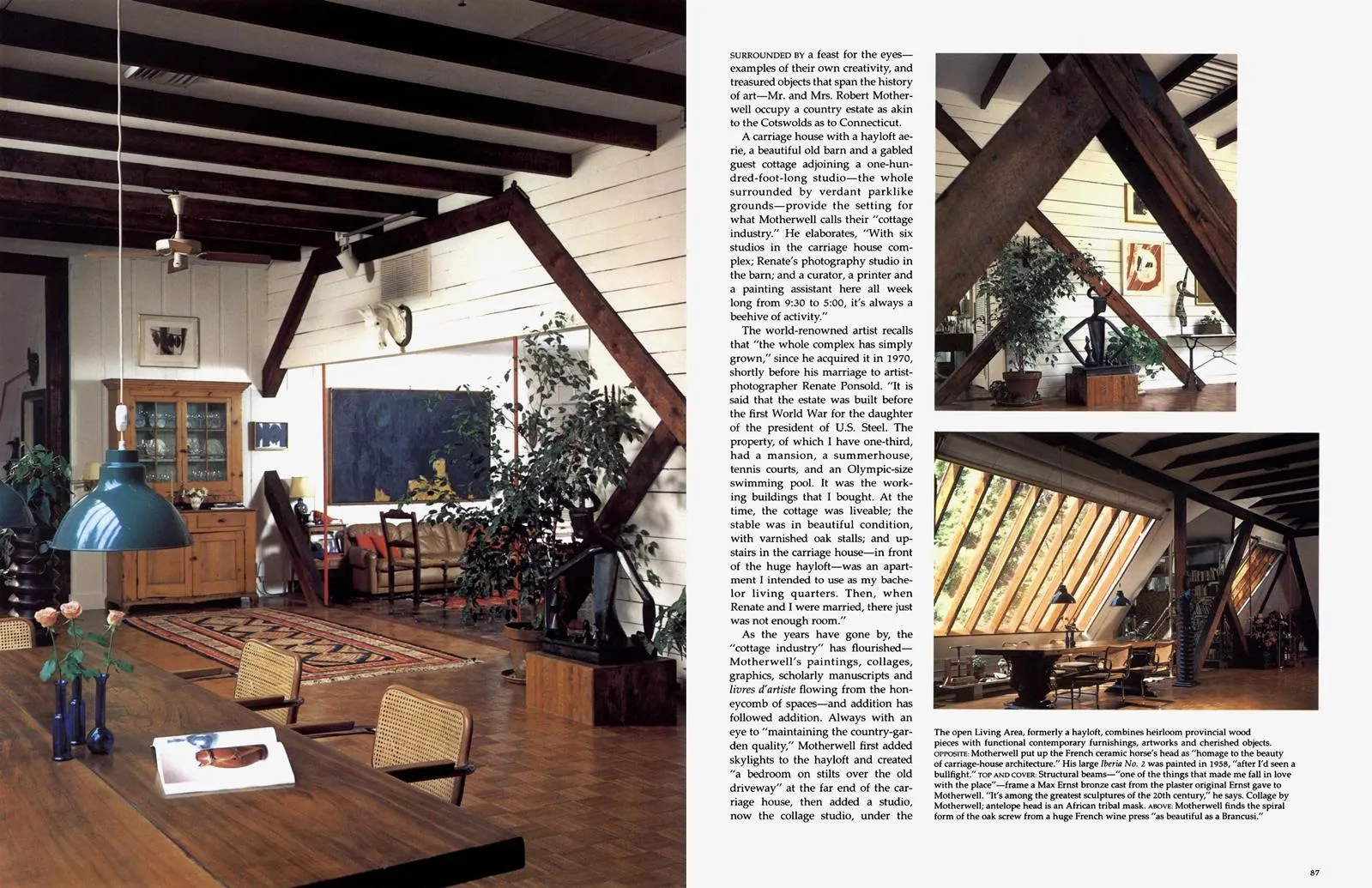
This feature highlights the architectural compound of Abstract Expressionist Robert Motherwell. Berkus finds inspiration in Motherwell’s artistic oeuvre for its synthesis of sophistication and raw emotional depth. The cottage complex’s robust architectural framework, combined with interior spaces that masterfully balance crisp white elements with warm wood accents, is noted for its forward-thinking design and the dynamic interplay of lines that guide the eye.
March 1997: Medieval Ruin Meets Modern Design
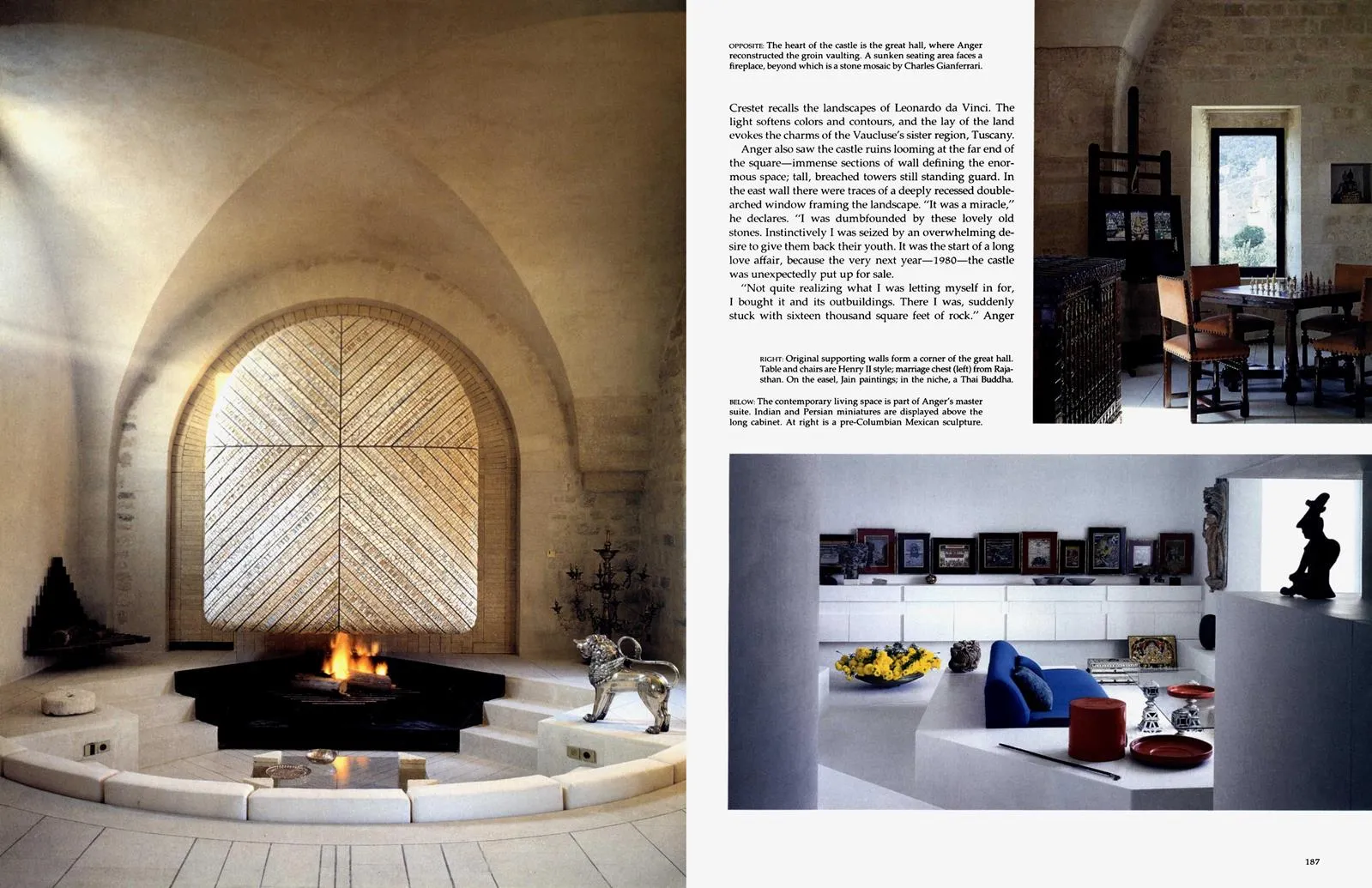
This project explores the sensitive integration of modern interventions within a medieval French ruin, masterfully executed by architect Roger Anger. The preservation of the original stone walls alongside sleek, modernist living spaces creates a dialogue between eras. This approach, where historical integrity meets contemporary comfort, is celebrated for its ability to foster a conversation between past and future.
November 2012: A Personal Manhattan Residence
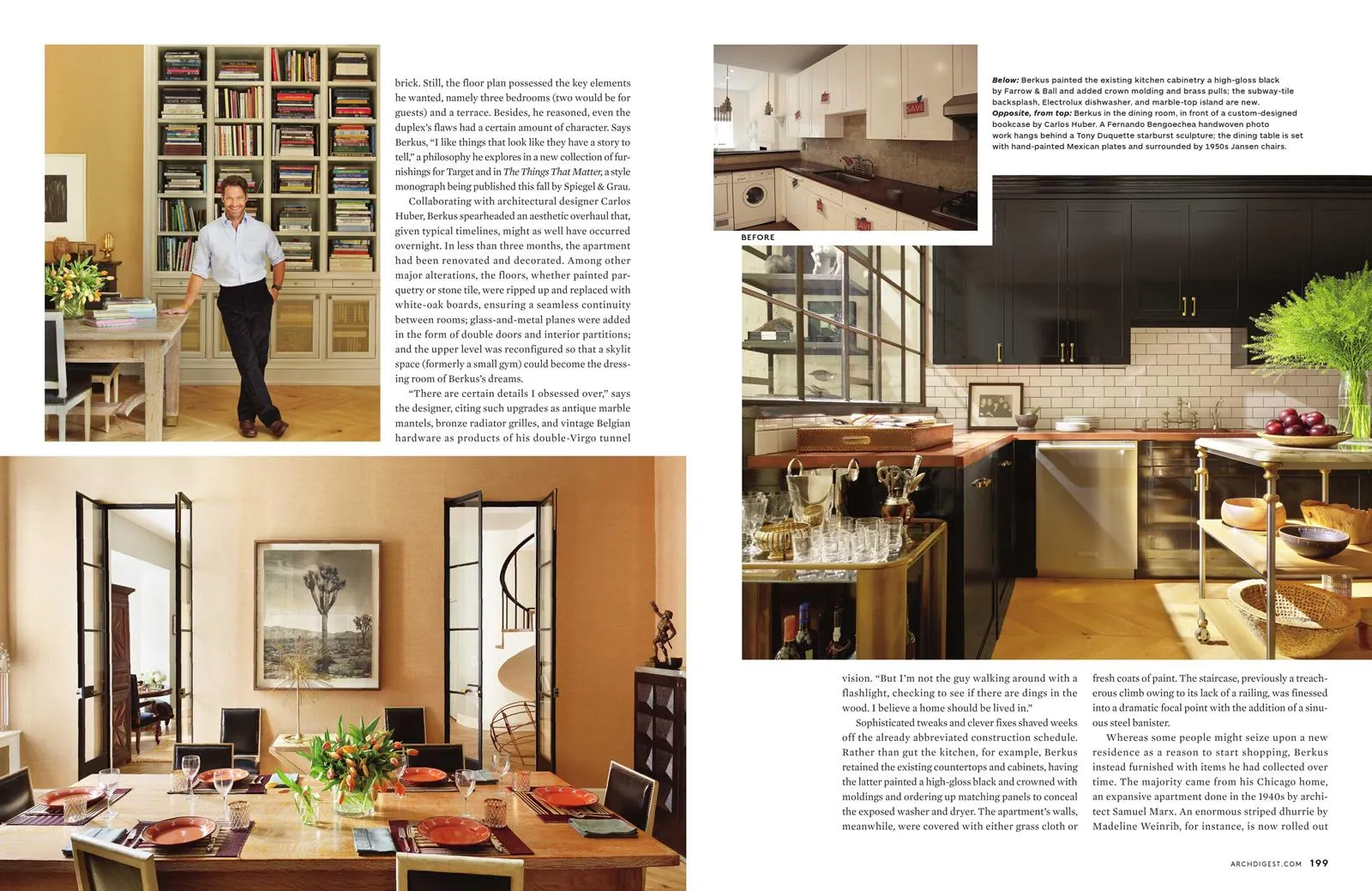
This feature marks a significant career milestone for Berkus, showcasing his Manhattan apartment on the cover of the publication. The design reflects a period of professional growth, coinciding with the release of his second book and the launch of his home goods line. The article celebrates the collaborative process inherent in sharing one’s home with esteemed creatives, including photographers, writers, and stylists.
January 2020: Jacques Grange’s Parisian Apartment
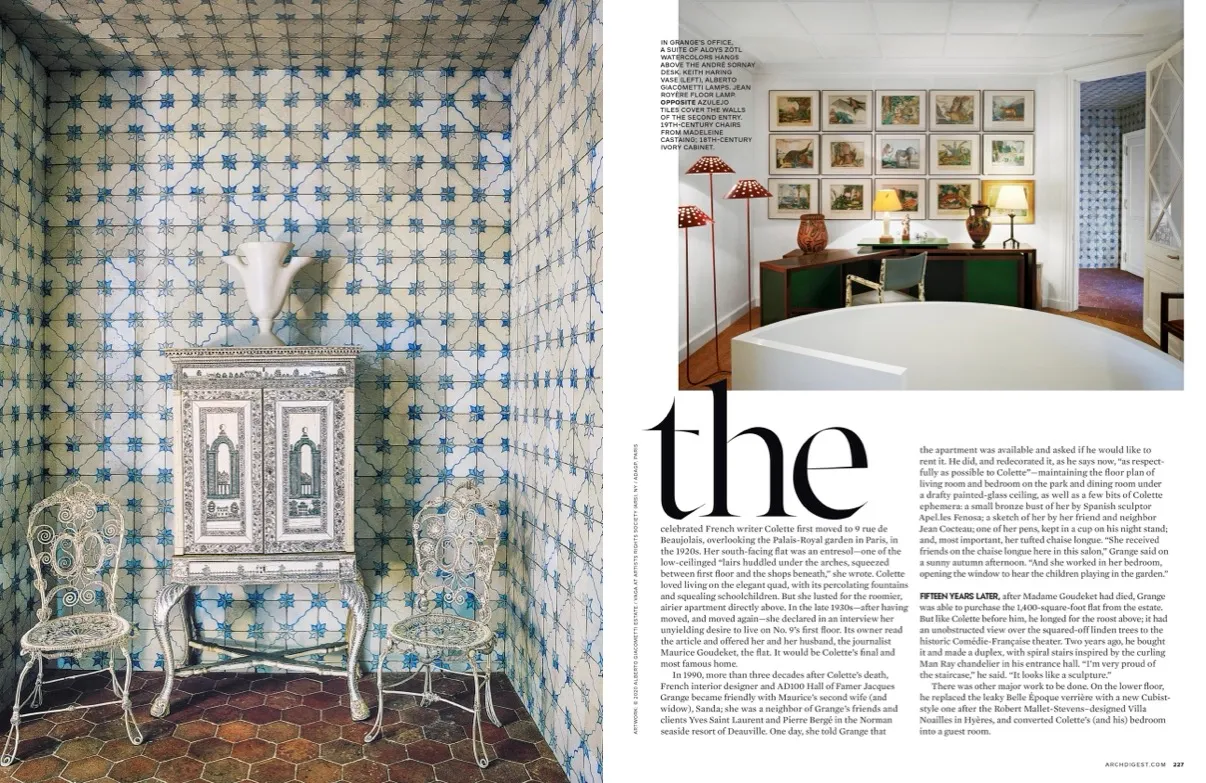
This presentation of Jacques Grange’s Paris residence, featured in a landmark anniversary issue and captured by photographer François Halard, is highlighted for its exquisite blend of antique furnishings, bespoke millwork, and curated art. The standout detail for Berkus is the entryway’s azulejo tile-clad walls, a nod to Portuguese and Spanish architectural traditions that elevates a secondary space into a significant design statement. This element is particularly resonant for its ability to infuse a home with unique cultural heritage.
Business Style Takeaway: This curated selection demonstrates how an appreciation for historical architectural and design movements can inform a deeply personal and luxurious lifestyle. By integrating timeless elements with contemporary needs and individual expressions, these spaces offer a sophisticated environment that enhances both personal well-being and the curated presentation of one’s personal brand.
Original article : www.architecturaldigest.com