

Cultivating a personal Eden with vibrant summer blooms offers a sophisticated approach to enhancing one’s living environment.
The Essence of Summer Flora
Beyond the pleasures of warm-weather gatherings, the true spectacle of summer lies in the abundant efflorescence that graces the landscape. This curated selection of 21 summer flowers, celebrated for their striking colors and intricate forms, invites the creation of a personal floral tapestry. Featured are both perennial favorites favored by seasoned horticulturists and low-maintenance varieties suitable for novice enthusiasts. These blossoms range from towering specimens reaching impressive heights to delicate blooms that imbue the air with captivating fragrances, while also serving as vital attractors for butterflies and hummingbirds.
Horticultural Expertise: Essential Care for Summer Blooms
The cultivation of these diverse summer flowers necessitates tailored care, contingent upon the specific species and geographical locale. A fundamental understanding for all growers is the concept of hardiness zones, the standardized system employed to ascertain which plants will flourish in a given environment. One can readily determine their personal zone by inputting their zip code into the USDA Plant Hardiness Zone Map.
Elevating Balcony Gardens with Summer Blooms
The luxury of a verdant sanctuary is not exclusively reserved for expansive estates. For those with more modest spaces, such as balconies or verandas, a selection of flowers can transform these areas into miniature oases. Particularly well-suited for container gardening are hydrangeas, marigolds, geraniums, gardenias, petunias, and the charming petite knockout roses.
The Art of Fragrant Gardens
To cultivate a garden that delights not only the eyes but also the senses of smell, consider the inclusion of certain fragrant varieties. Among the most esteemed are specific types of geraniums, gardenias, lavender, and bee balm, each offering a unique aromatic contribution.
Curating Bouquets from Your Garden
Eliminate the need for a professional florist by sourcing cut flowers directly from your own garden for exquisite arrangements. The key to successful bouquet cultivation lies in selecting plants with robust stems. Zinnias, gerbera daisies, and oriental lilies provide a spectrum of colors that are eminently suitable for harvesting.
-
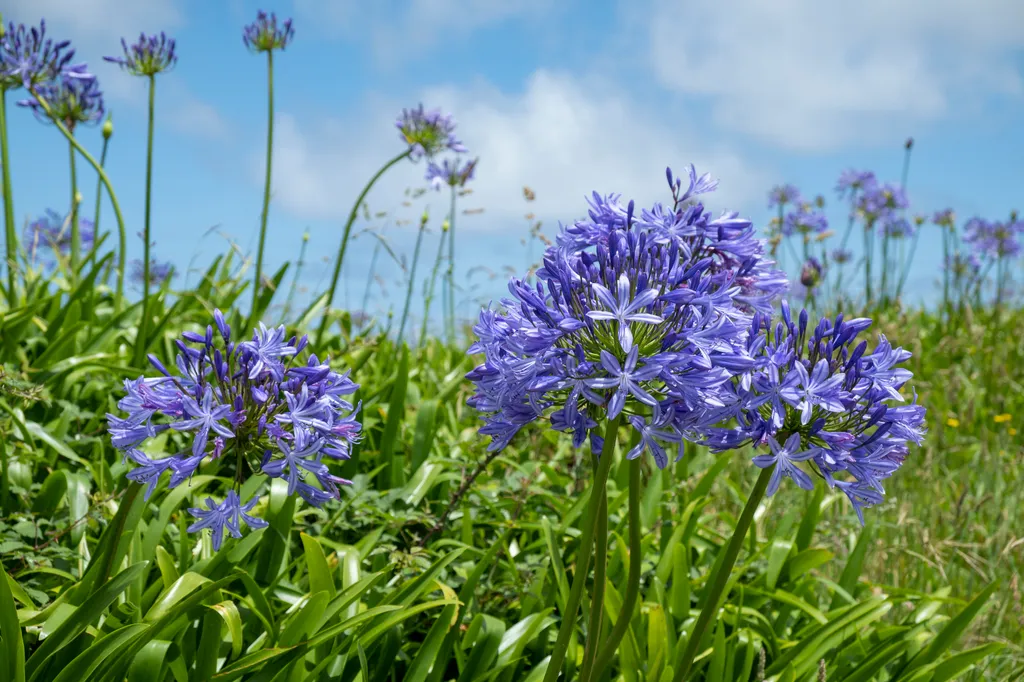
1/28 Agapanthus
These resilient stems demonstrate remarkable tolerance for varied conditions, including periods of drought and cooler temperatures. Linda Vater, a horticultural expert at Southern Living Plant Collection, endorses the ‘Ever Sapphire’ variety, noting its exceptional performance: “Unlike many summer flowers that fade with the heat, Ever Sapphire Agapanthus blooms with unwavering intensity. Multiple flower spikes, laden with a profusion of deep blue, trumpet-shaped blooms, impart a touch of cool elegance to the landscape, even during the most intense heat.” In floral arrangements, they offer a striking contrast when paired with yellow blossoms such as daylilies, marigolds, or lantana.
-
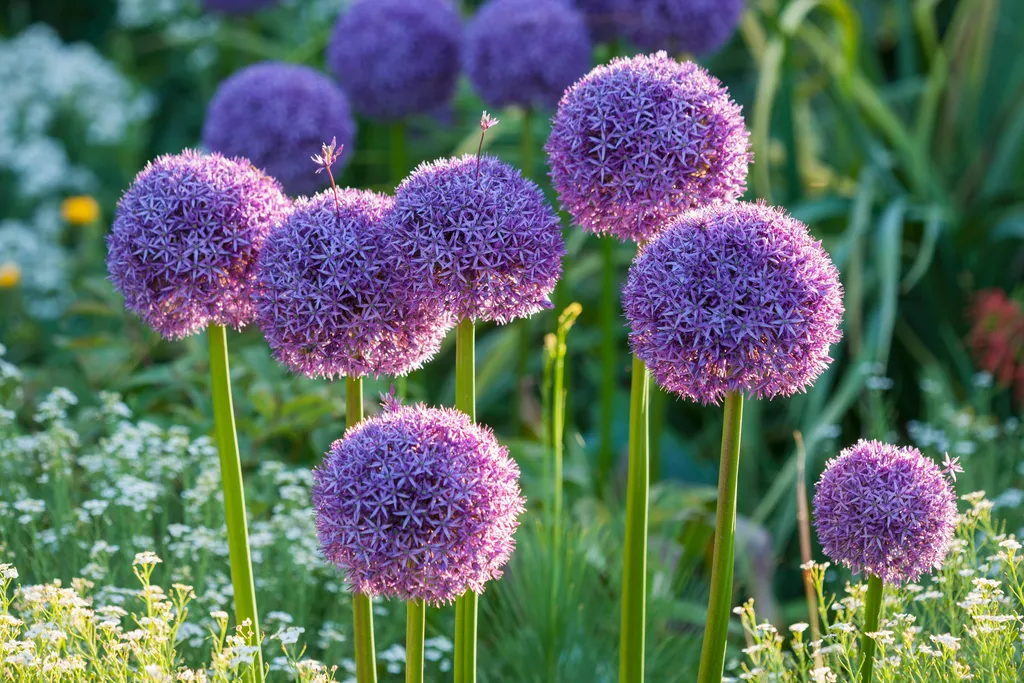
2/28 Allium
This visually arresting flower, appearing in shades of pink, purple, or white, shares a botanical kinship with the leek, both belonging to the Allium genus. In its floral form, allium presents a distinctive architectural quality, reminiscent of whimsical illustrations. Spherical clusters of diminutive petals crown long, elegant stems, lending vertical interest to gardens and a unique flair to floral compositions.
-
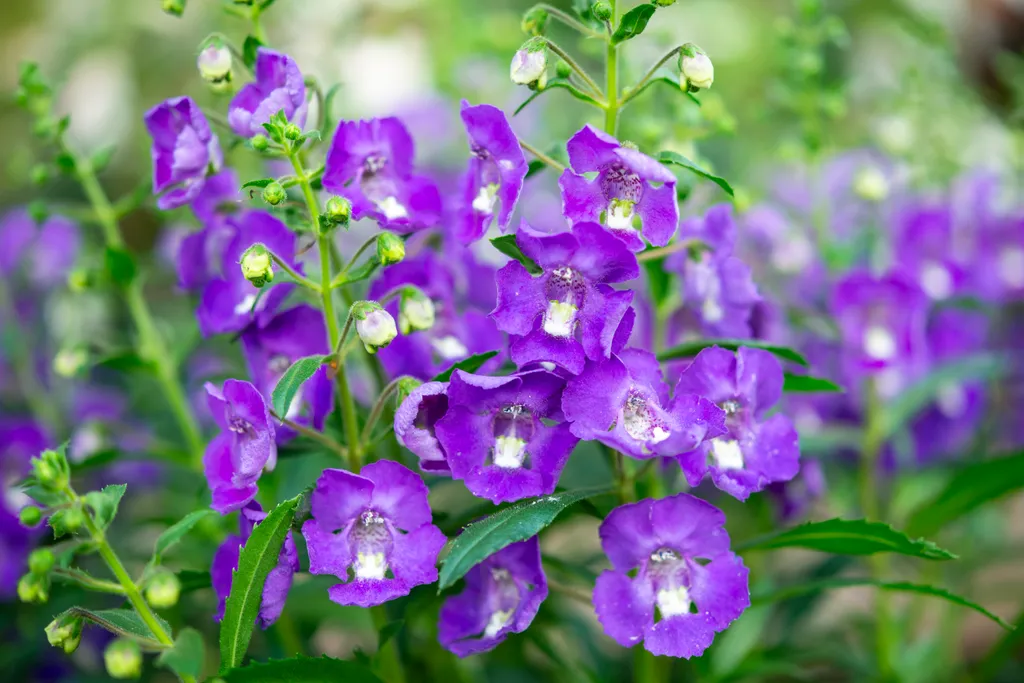
3/28 Angelonia
Commonly known as summer snapdragon, angelonia produces striking stalks adorned with flowers in shades of pink, purple, white, or blue. This variety thrives in warm, humid conditions, making it particularly well-suited for Southern climates, and requires minimal maintenance. It flourishes in full sun, approximately six to eight hours of direct light daily, and benefits from continuous blooming without the need for deadheading, extending its display from spring through early autumn. Consistent moisture and well-draining soil are essential for optimal growth.
-
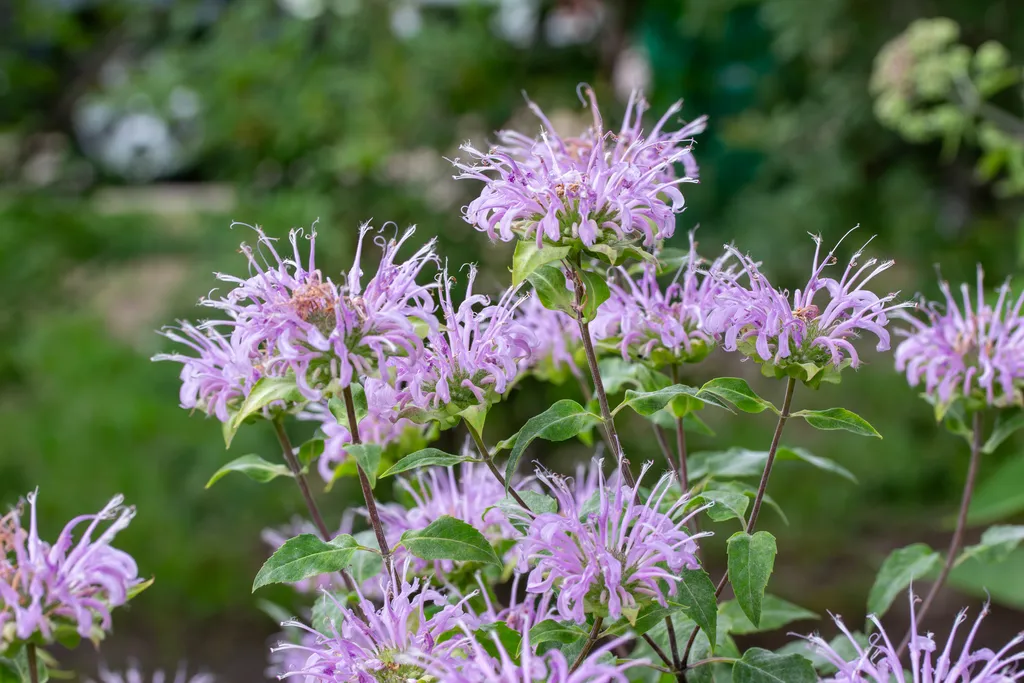
4/28 Bee Balm
Known also as wild bergamot, these native wildflowers are a magnet for pollinators. Mary Phillips, Head of Native Plant Habitat Strategy and Certifications at the National Wildlife Federation, notes, “Native bee balm offers effortless beauty with vibrant purple blooms that add a touch of whimsical charm to the garden, attracting hummingbirds and other beneficial insect pollinators into the landscape.” Their alluring citrus scent also captivates human admirers.
-
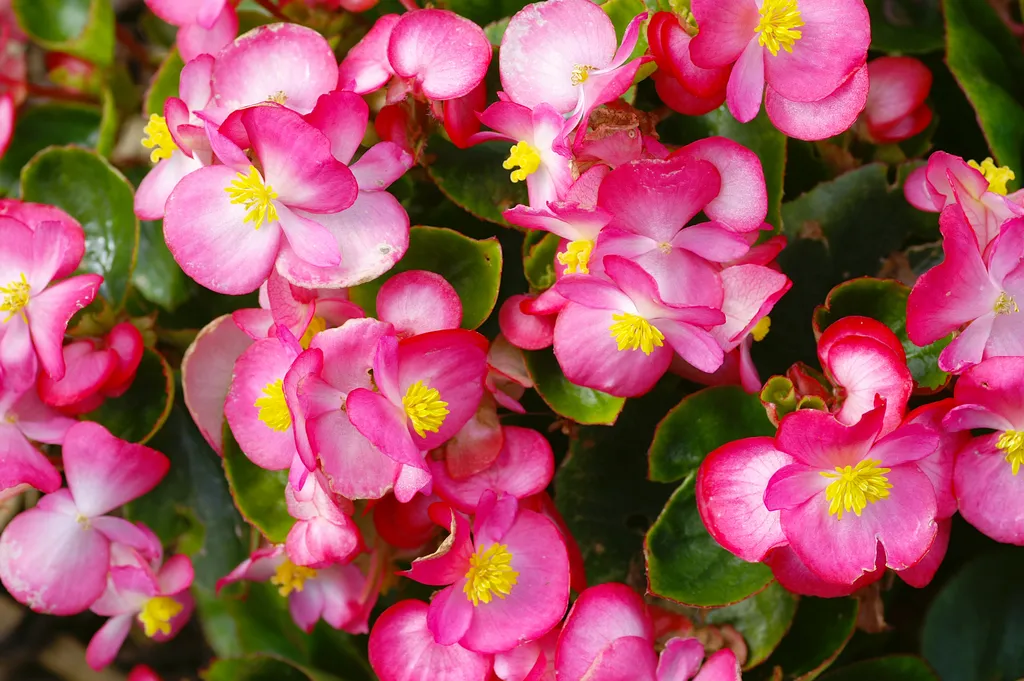
5/28 Begonia
Unlike many annuals that demand full sun, begonias exhibit remarkable adaptability, thriving in dappled shade or morning light, rendering them ideal for less illuminated garden areas. Their succulent stems minimize the need for frequent watering, with bi-weekly hydration sufficing. The diverse forms of their flowers and foliage contribute significantly to their appeal. Begonias are broadly categorized into four types: wax, noted for their small flowers and waxy leaves; tuberous, distinguished by large, rose-like blooms; rex, primarily cultivated for their ornamental foliage; and cane-like, characterized by robust stems and unique leaf structures.
-
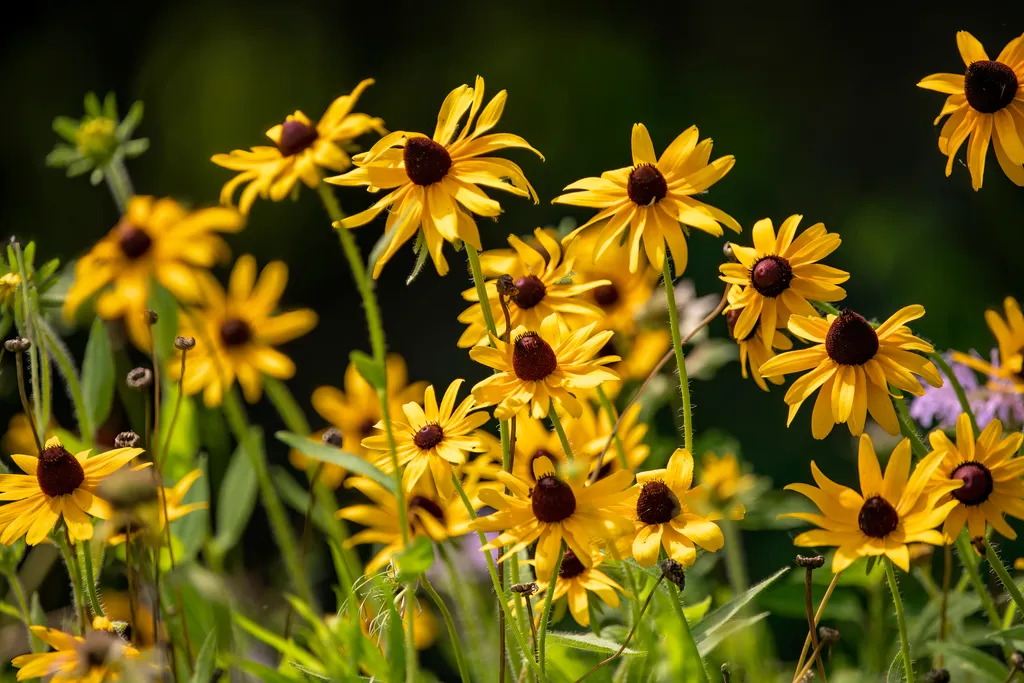
6/28 Black-Eyed Susans
Phillips remarks, “Black-Eyed Susans infuse any garden setting with a sense of sunshine, their bright yellow petals contrasted by dark-brown, cone-shaped centers. Their continuous blooming habit ensures sustained vibrancy throughout the summer.” Furthermore, they serve as a crucial food source for pollinators, and their seed heads offer a winter sustenance for birds.
-
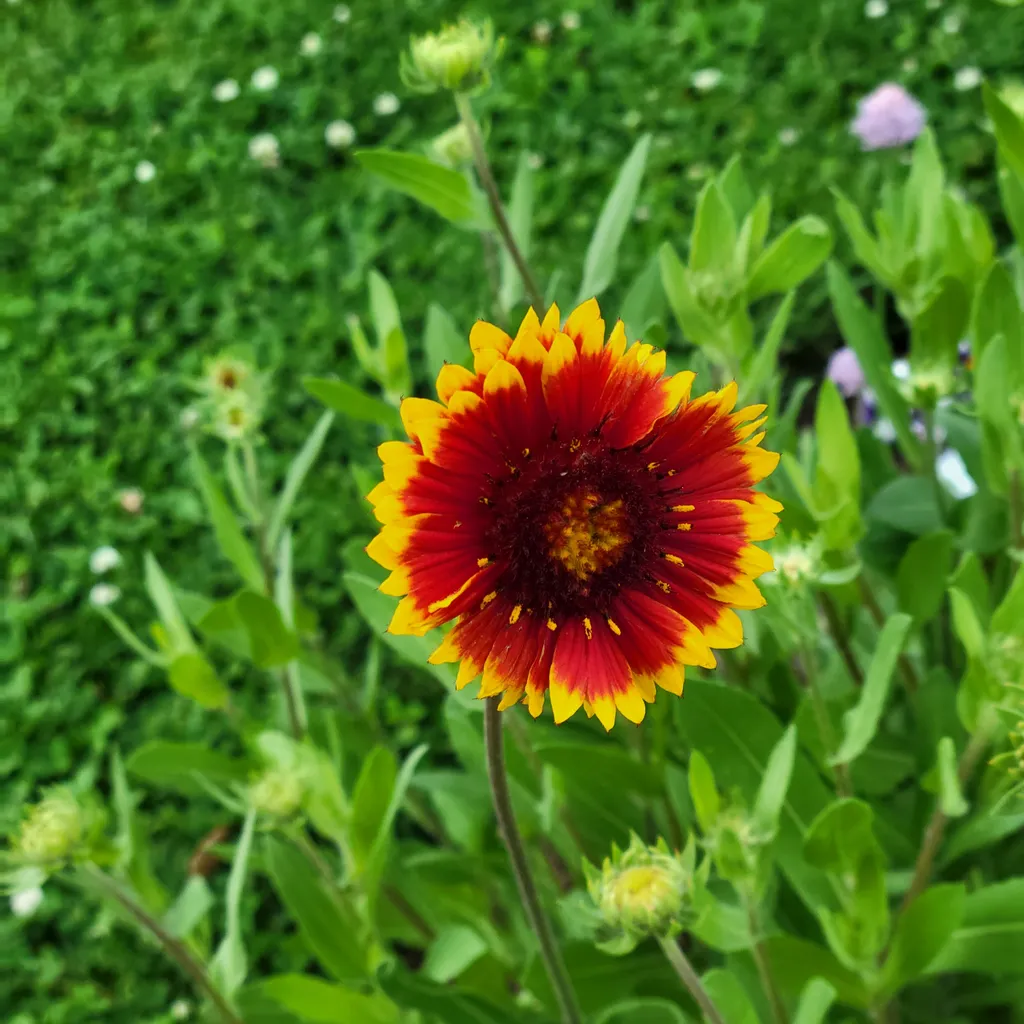
7/28 Blanketflower
Introducing a vibrant tricolor display, the blanketflower features blossoms in striking hues of red, orange, and yellow. Phillips notes, “Its vibrant, daisy-like blooms are highly attractive to pollinators, providing an abundant source of pollen and nectar for bees and butterflies.” A significant advantage is its notable heat tolerance.
-
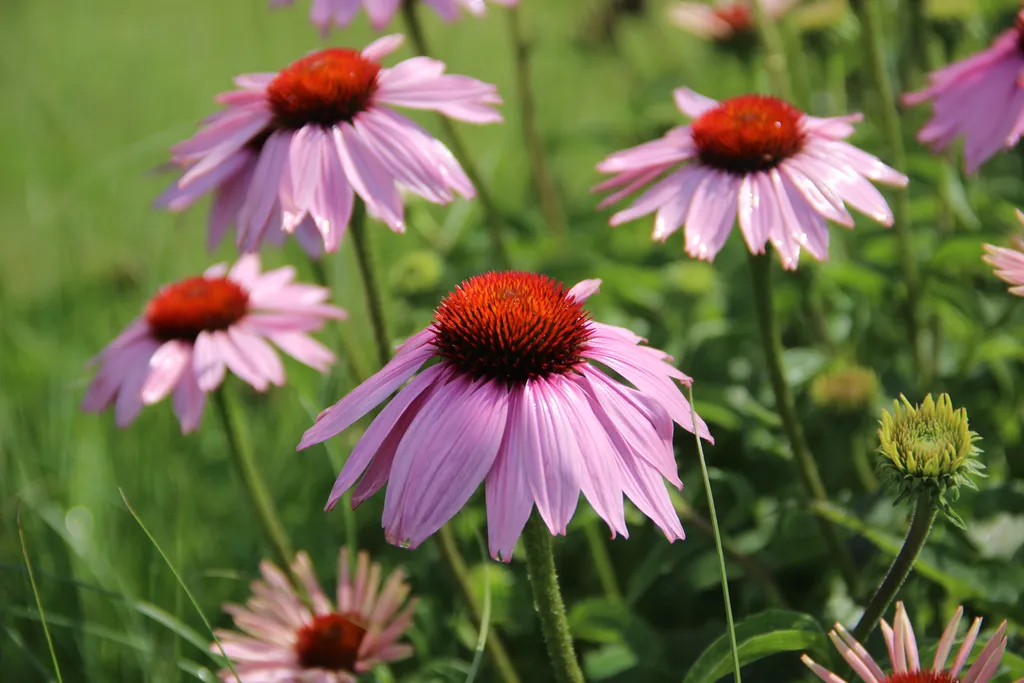
8/28 Coneflower
The prairie blaze vintage lime coneflower, with its delicate pink petals tipped in vibrant lime green, offers a unique addition to any garden. Carrie Spoonemore, co-creator of Park Seed’s From Seed to Spoon app, highlights its suitability for summer gardens, stating, “This showy perennial wildflower blooms from mid-spring to late summer, with occasional blooms extending into fall.” Coneflowers are generally esteemed perennials due to their resistance to heat and drought, and their ability to attract butterflies and songbirds.
-
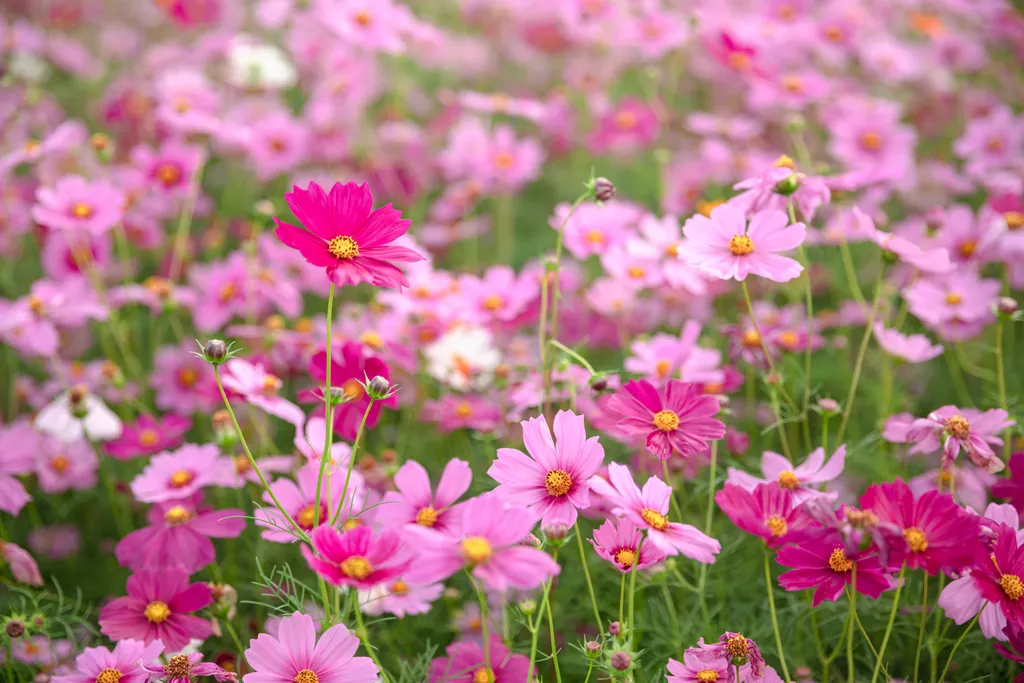
9/28 Cosmos
Cosmos, the birth flower of October, present a stunning array of colors, including yellow, orange, pink, maroon, white, and bicolor variations. Their blooming period typically commences in early summer and extends until the first frost, often continuing through October depending on the climate. These plants favor full sun and high temperatures, becoming remarkably low-maintenance regarding watering once established, requiring minimal intervention unless subjected to prolonged drought.
-
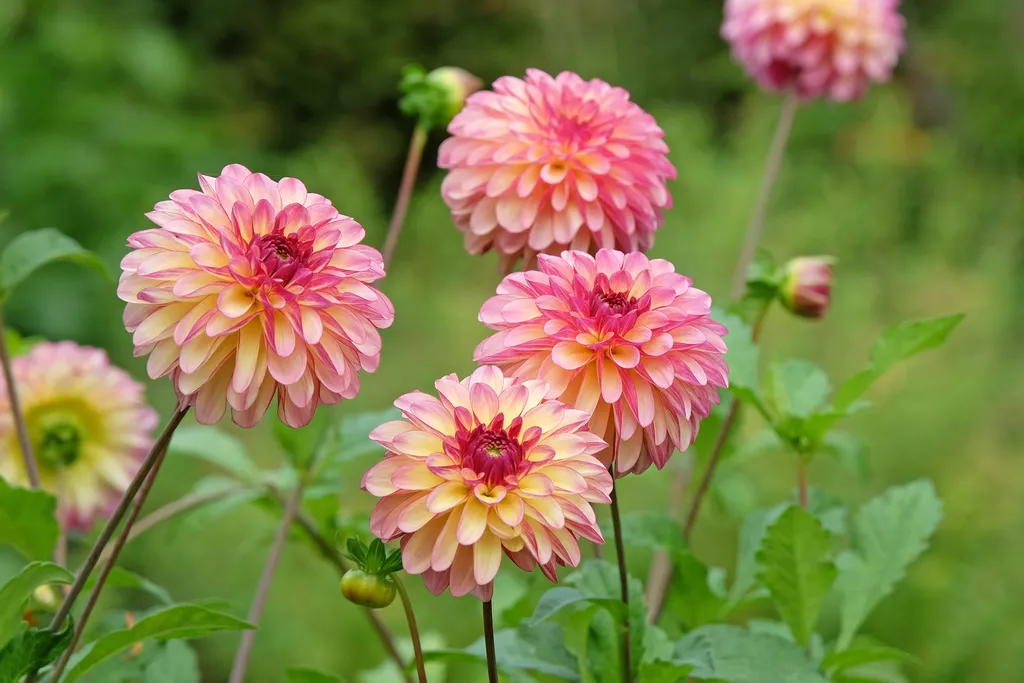
10/28 Dahlia
Dahlia varieties encompass a diverse range of forms, from perfectly spherical pom-poms and star-shaped blooms to impressive dinner-plate-sized displays of vibrant pink and orange petals. Their popularity stems not only from their varied shapes and colors but also from their extended blooming season, typically spanning from mid-summer to the first frost. Their sturdy stems make them exceptionally well-suited for cutting and incorporating into indoor arrangements.
-
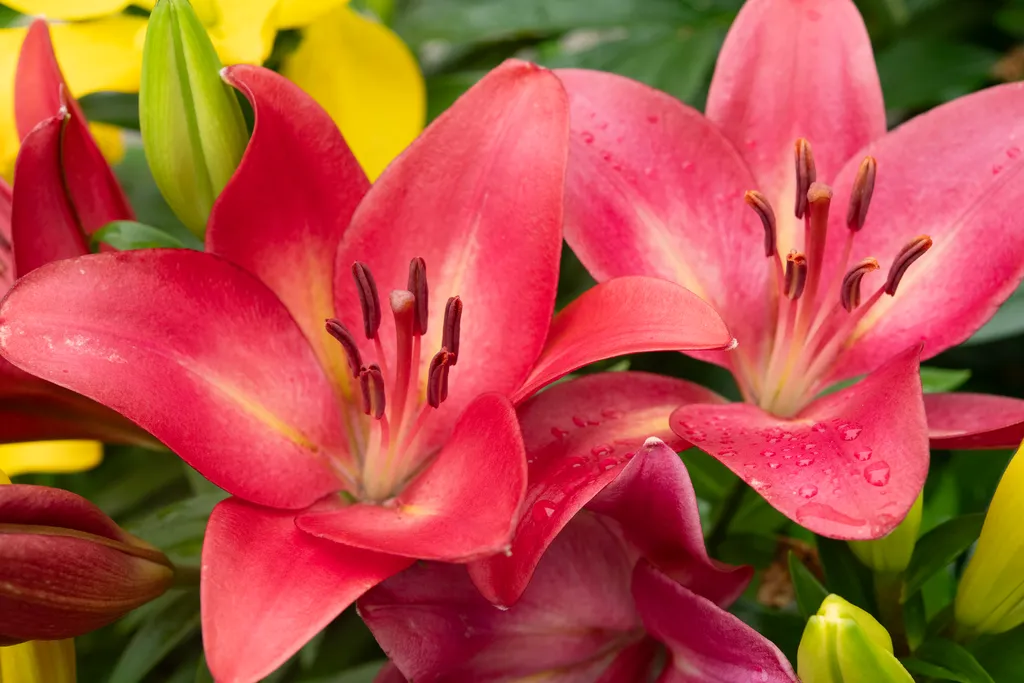
11/28 Daylily
Despite their name, daylilies are not true lilies; however, their blooms are equally impressive in size and boldness. While true lilies emerge from bulbs with singular, robust stems, daylilies grow from fibrous roots and present a more clumped, grass-like base. The defining characteristic of daylilies is that their individual blooms last but a single day, yet they are prolific producers. A bloom opens in the morning and fades by evening, making way for a new blossom the following day. Importantly, unlike many true lilies which are highly toxic to felines, daylilies are non-toxic and even edible, possessing a subtly sweet flavor. They can be a delightful decorative addition to salads or desserts.
-
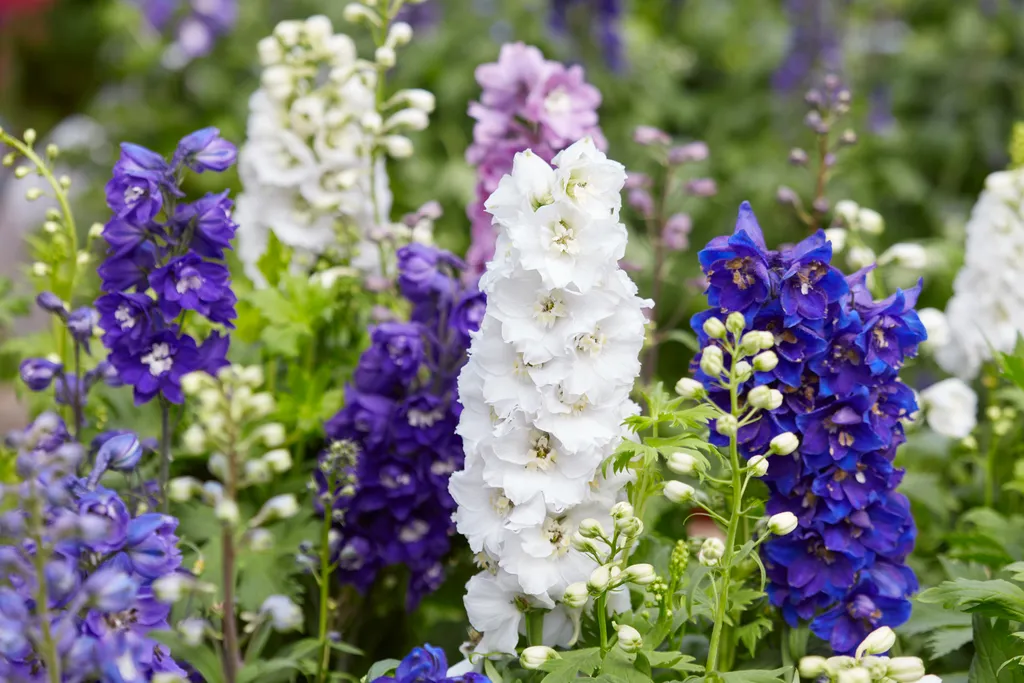
12/28 Delphinium
Dominating the floral landscape with their impressive height, delphiniums present petal-packed stalks, typically in shades of blue or purple. While architecturally stunning, they can require meticulous care and specific environmental conditions for optimal growth, including six to eight hours of daily sunlight and protection from strong winds and heavy rain.
-
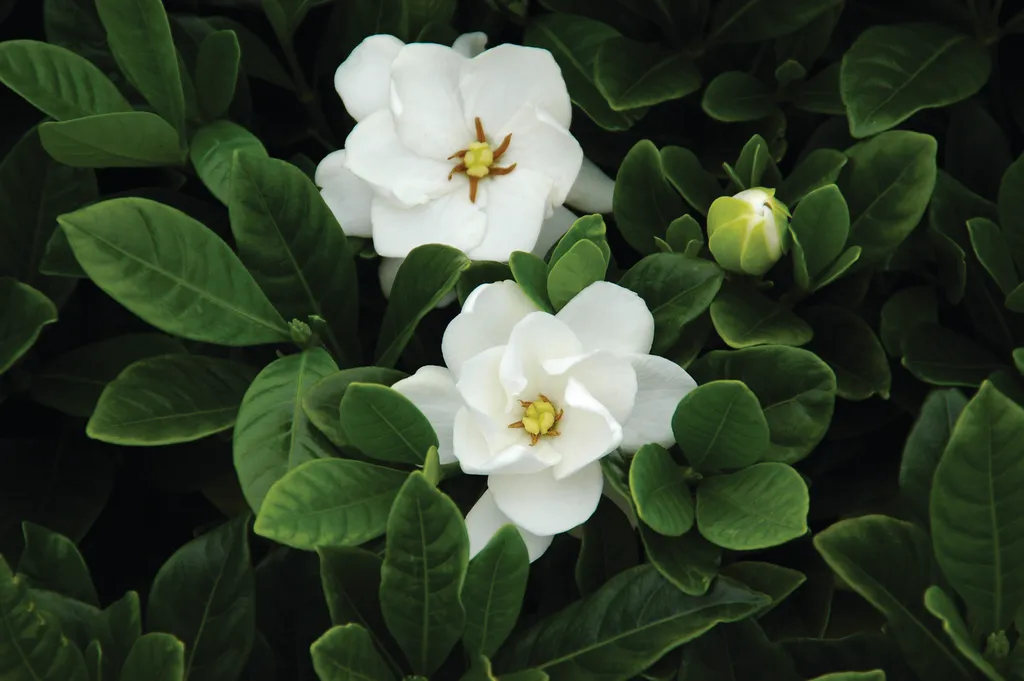
13/28 Gardenia
The captivating fragrance of gardenias, often enhanced by their contrasting dark green foliage, has made them a staple in perfumery. Vater recommends the ‘Diamond Spire’ gardenia for its particularly potent aroma: “Single white blossoms release a captivating, sweet scent that dances between spicy and zesty notes.” Planting these near walkways or entryways offers a delightful aromatic welcome.
-
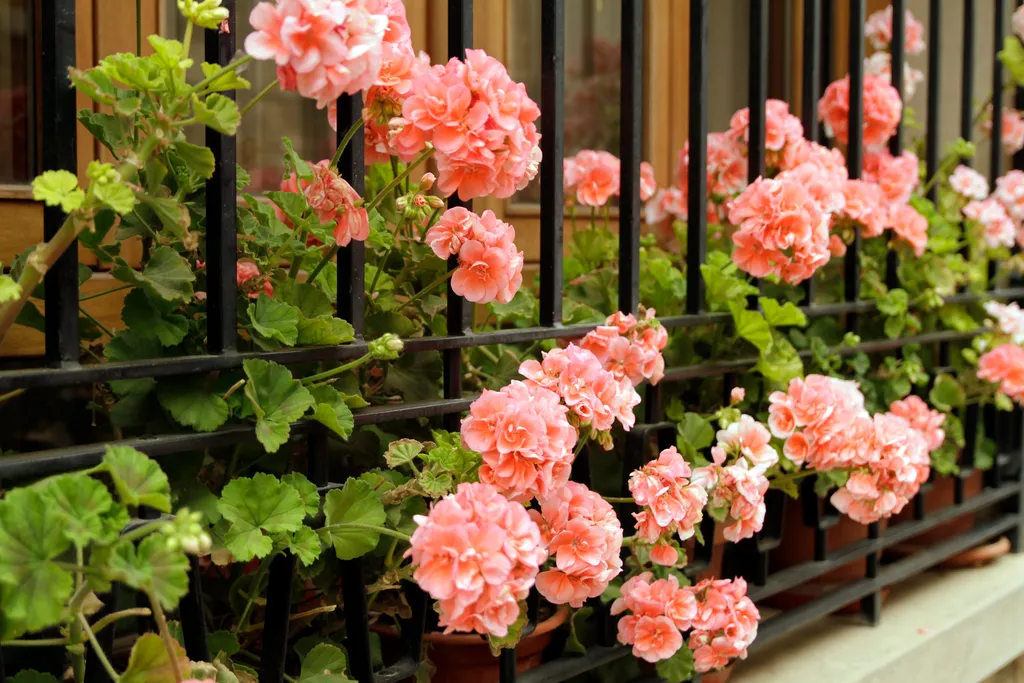
14/28 Geranium
As queens of container gardens, geraniums excel in hanging baskets, window boxes, and porch planters. They are remarkably easy to care for and offer abundant blooms in a variety of colors, including white, pink, purple, red, and orange. Certain varieties, such as ‘Sweet Mimosa’ (with lemon and rose notes) and ‘Orange Fizz’ (possessing a citrus scent), are also prized for their fragrance.
-
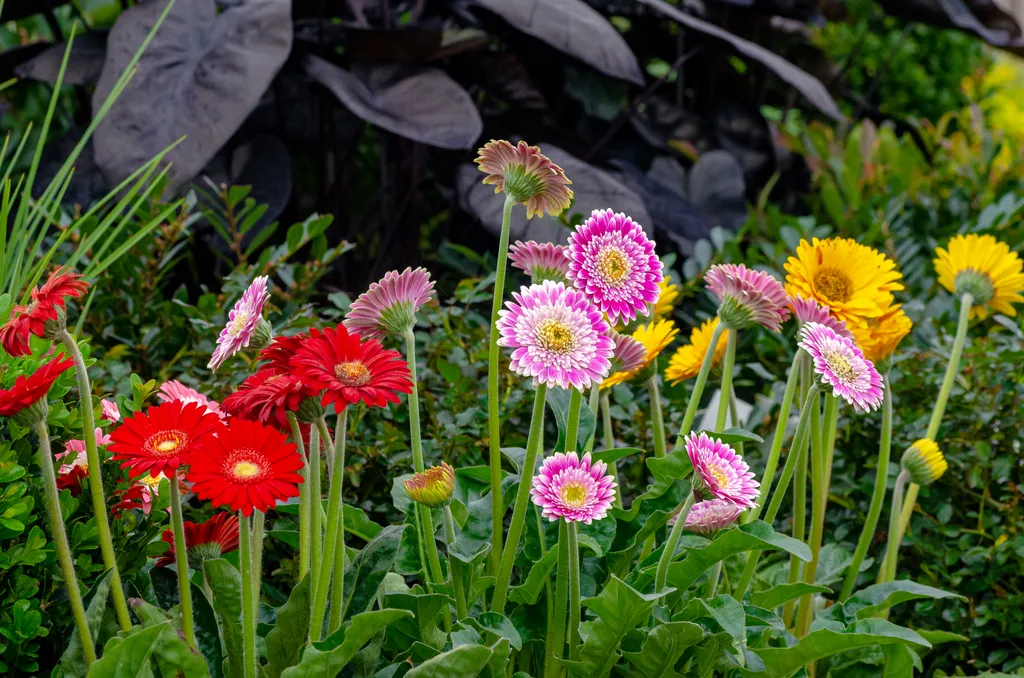
15/28 Gerbera Daisy
Introduce a jolt of vibrant color to your garden with these perennial flowers, available in orange, yellow, red, and intense pink. Gerbera daisies are exceptionally generous bloomers, offering an extended season from late spring through fall. Vater highly recommends the ‘Garden Jewels’ variety for its exceptional performance: “These radiant daisies are blooming machines that transition seamlessly from your garden to your vase, allowing you to extend the joy of your summer garden indoors.”
-
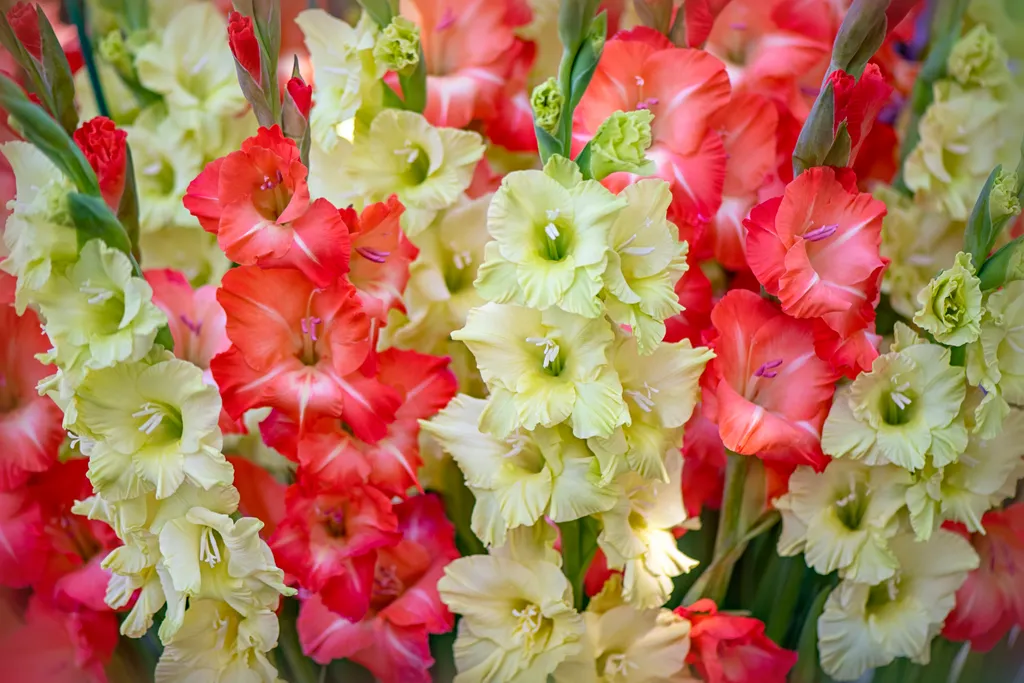
16/28 Gladiolus
The gladiolus, often referred to as the supermodel of the flower world, commands attention with its impressively tall stalks, reaching heights of 2–5 feet, each adorned with multiple bold blooms. Their stature makes them a favored choice for florists, lending dramatic flair to bouquets and maintaining freshness for up to two weeks when cut. Cultivation in a home garden is relatively straightforward, requiring watering only once per week. They prefer full sun, and taller varieties (exceeding three feet) may benefit from staking or caging to ensure upright support against wind.
-
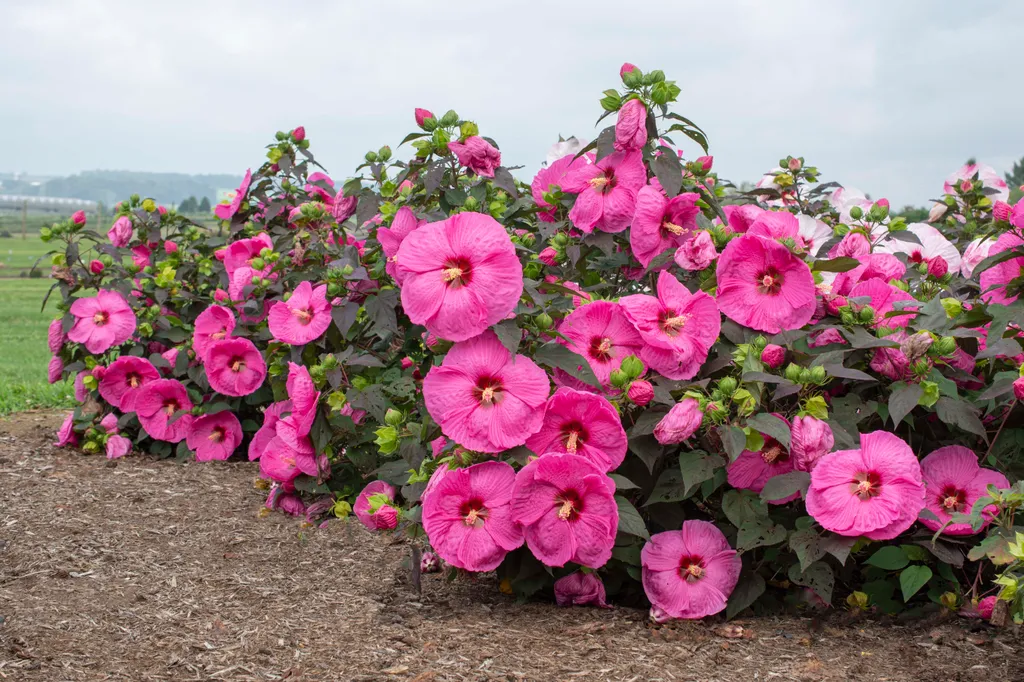
17/28 Hibiscus
While often associated with tropical paradises, hibiscus can flourish in more temperate climates, with the specific variety determining suitability. The ‘Head Over Heels Passion’ hibiscus, adaptable to zones 4–10, is particularly noteworthy. Heidi Mortensen, Rose Portfolio Manager at Star Roses and Plants, highlights its appeal: “It’s treasured for its giant, deep pink flowers that are 10 inches across. Once the plant starts blooming, new flowers will open each morning.”
-
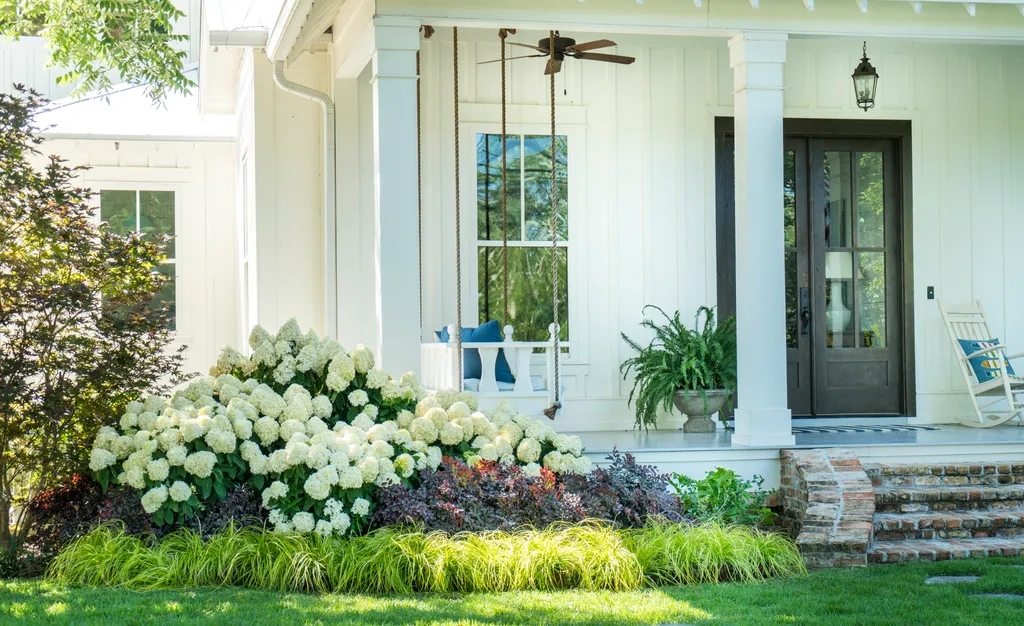
18/28 Hydrangea
For a truly elegant blooming bush, Vater recommends the ‘White Wedding’ hydrangea, which thrives in sunny locations. “This pillowy panicle hydrangea is ideal for various garden settings and makes a breathtaking accent shrub, flowering hedge, or graceful backdrop to a vibrant and colorful flower bed,” she explains. Hydrangeas are versatile, suitable for planting directly in the ground or in containers, making them perfect for decks and porches.
-
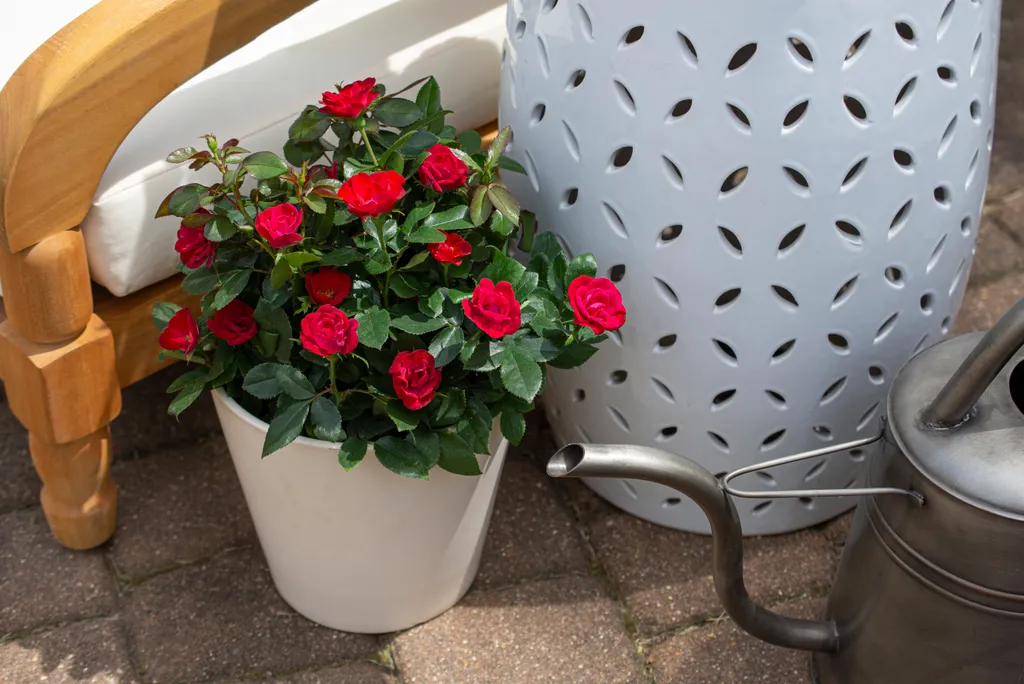
19/28 Knockout Rose
Roses are often perceived as exquisitely beautiful yet demanding in their care. The Knockout rose cultivar, however, redefines this notion, offering a remarkably low-maintenance option within the rose family. It requires no specialized treatment and exhibits resistance to disease and drought. For container gardening, the ‘Petite Knockout’ is particularly recommended. Mortenson notes, “You’ll find it covered throughout the season with tons of fire-engine red blooms that are petite themselves.”
-
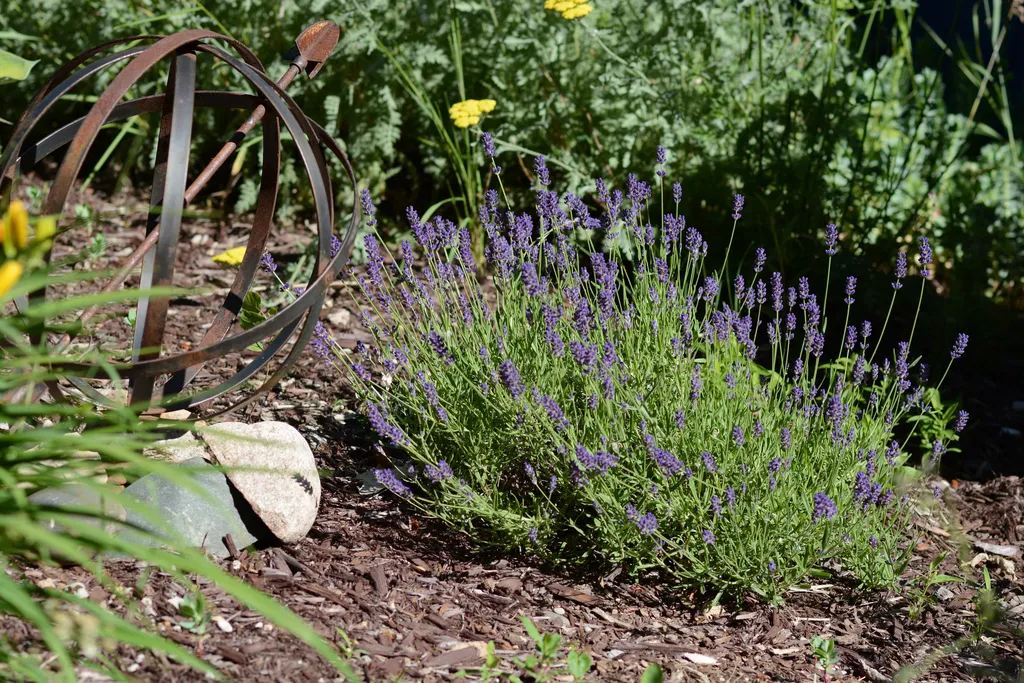
20/28 Lavender
Lavender offers both aesthetic appeal and remarkable utility. It can be incorporated into culinary creations, dried for sachets, or utilized in its natural state to deter pests due to its high essential oil content. Spoonemore suggests French Long Lavender, also known as Spanish Lavender, for its characteristic calming fragrance: “French Long Lavender stands out as a quintessential summer flower for its beloved calming fragrance.”
-
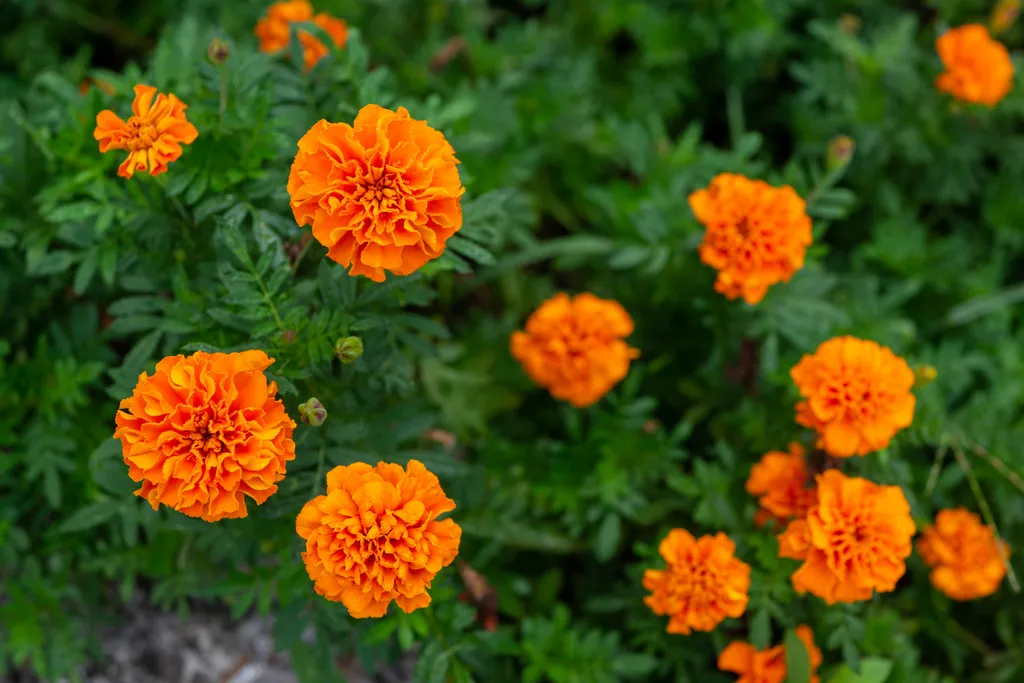
21/28 Marigold
Marigolds are broadly categorized into three types: African (the largest), French, and Signet (the smallest). While the African and French varieties are best planted in the ground, Signet marigolds, typically reaching only six inches in height, are suitable for containers. For the most impressive blooms, Spoonemore recommends the ‘Park’s Whopper Orange Marigold’: “This sturdy and free-blooming flower reaches 18 inches tall and 12 inches wide, forming a solid wall of flowers throughout the summer, making it an excellent option for compact spaces.”
-
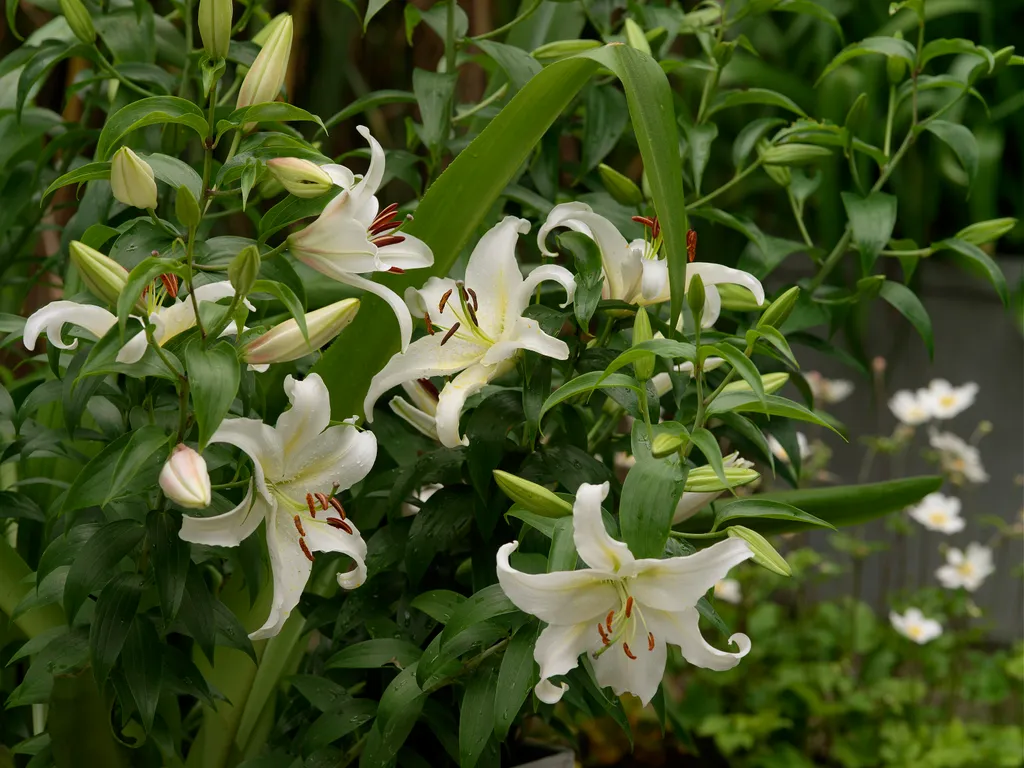
22/28 Oriental lilies
For those anticipating a late summer display, Oriental lilies typically emerge in August, whereas Asian lilies bloom in June or July. These are exceptionally suited for arrangements, producing “six-to-eight-inch, intensely fragrant blossoms that are perfect for cutting,” according to horticulturist Peggy Anne Montgomery of Flowerbulb.eu. “Cut at the colored bud stage, and they will last 12–14 days in the vase.”
-
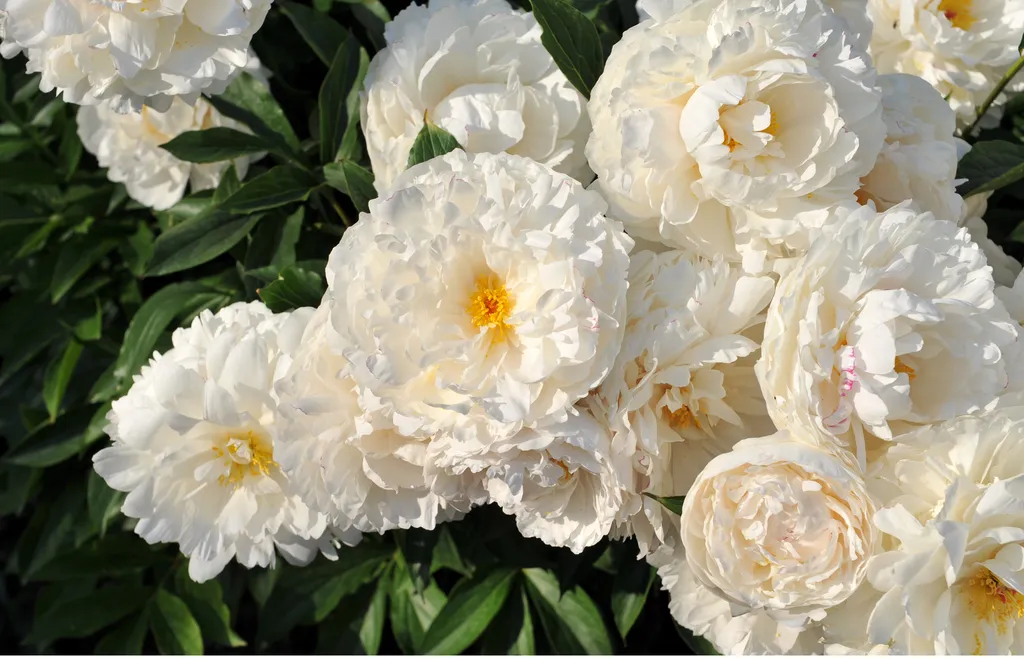
23/28 Peony
The appearance of peonies in bloom signifies the imminent arrival of summer. These large, luxuriously layered perennial flowers can maintain their vitality for decades with proper care, including exposure to full sun and well-drained soil. Regular deadheading and fall pruning are also beneficial. Peonies are available in three primary types: herbaceous, which grow on stems; tree peonies, a woody shrub that blooms earlier; and Itoh, a hybrid cross between herbaceous and tree peonies.
-
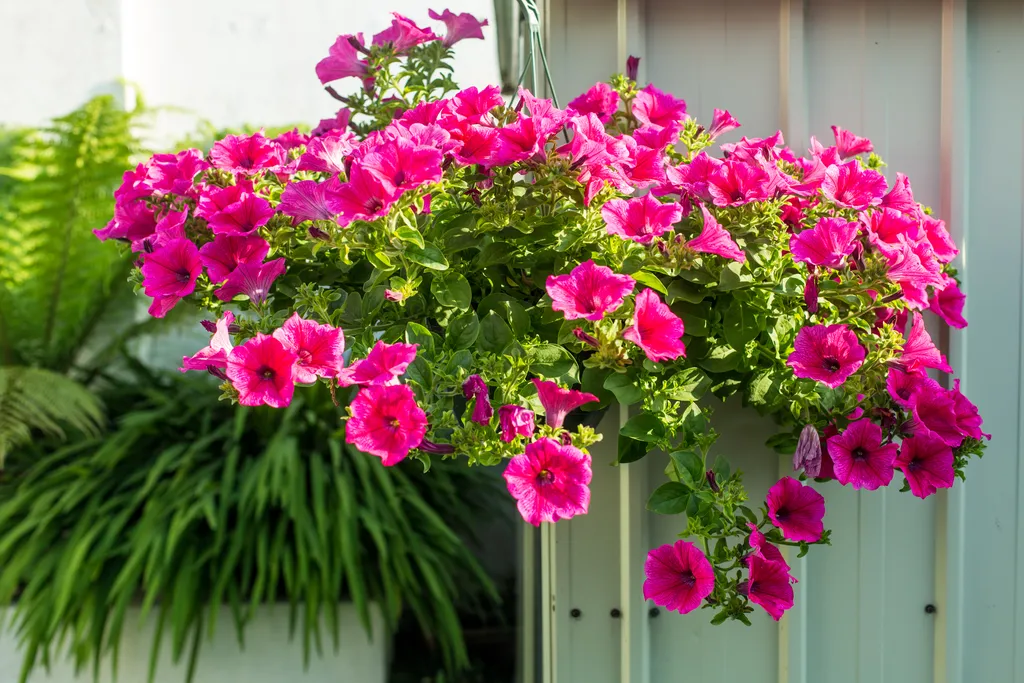
24/28 Petunia
Prolific bloomers from spring until the first frost, petunias serve equally well as ground cover or in containers. For exceptional container performance, Spoonemore recommends the ‘Superbississima Wine Red’ variety, noting, “a robust and giant-flowered variety that’s an excellent choice for balconies or porches.” While petunias are easy to cultivate, they require ample sunlight; impatiens offer a comparable flowering plant suitable for partial shade.
-
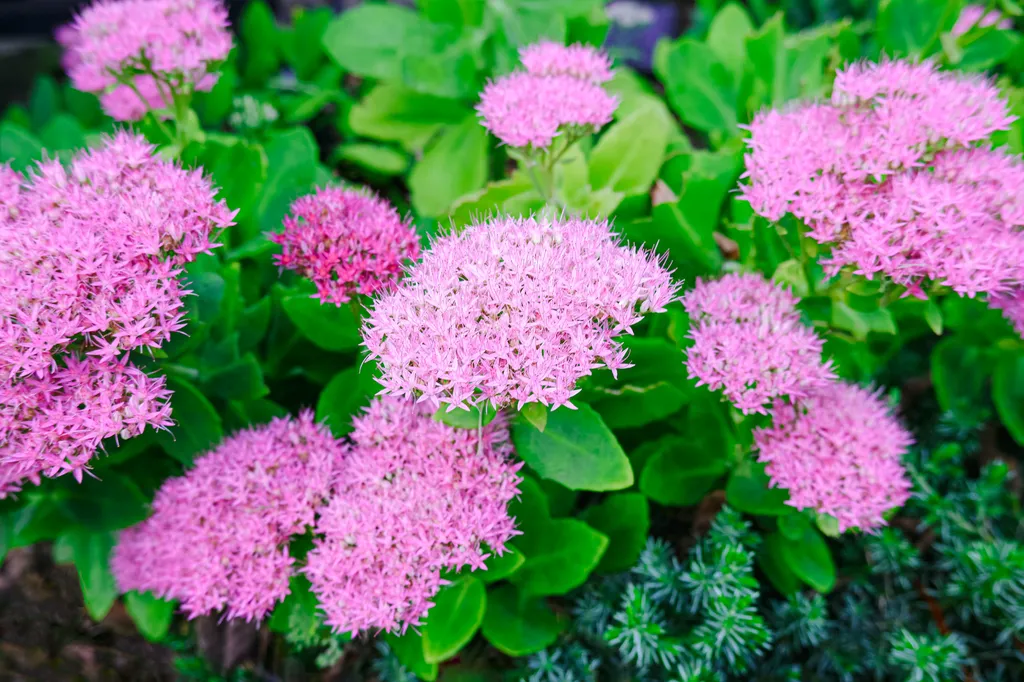
25/28 Sedum
For ground cover beyond conventional green hues, this drought-tolerant succulent presents an excellent option. Sedum, also known as stonecrop, features diminutive star-shaped flowers in shades of red, pink, yellow, peach, and white. Its foliage also offers a range of colors, including gray, red, and variegated patterns. While many of its over 400 species grow low to the ground, providing colorful ground cover (Angelina and Dragon’s Blood are notable examples), others, such as Autumn Joy and Rock ’N Grow, form upright clusters reaching 1–3 feet.
-

26/28 Shania Twain rose
Floral aficionados will welcome a new addition to the hybrid tea rose collection: a pink-and-yellow variety subtly scented, named in honor of the Grammy Award-winning singer. This rose joins an esteemed lineage of celebrity-named blooms, following in the footsteps of Audrey Hepburn, Elizabeth Taylor, and Cher. The Shania Twain rose thrives in all soil types and requires full sun. Furthermore, a portion of the proceeds from its purchase benefits the Shania Twain Foundation, which supports children and families in North America facing poverty and food insecurity.
-
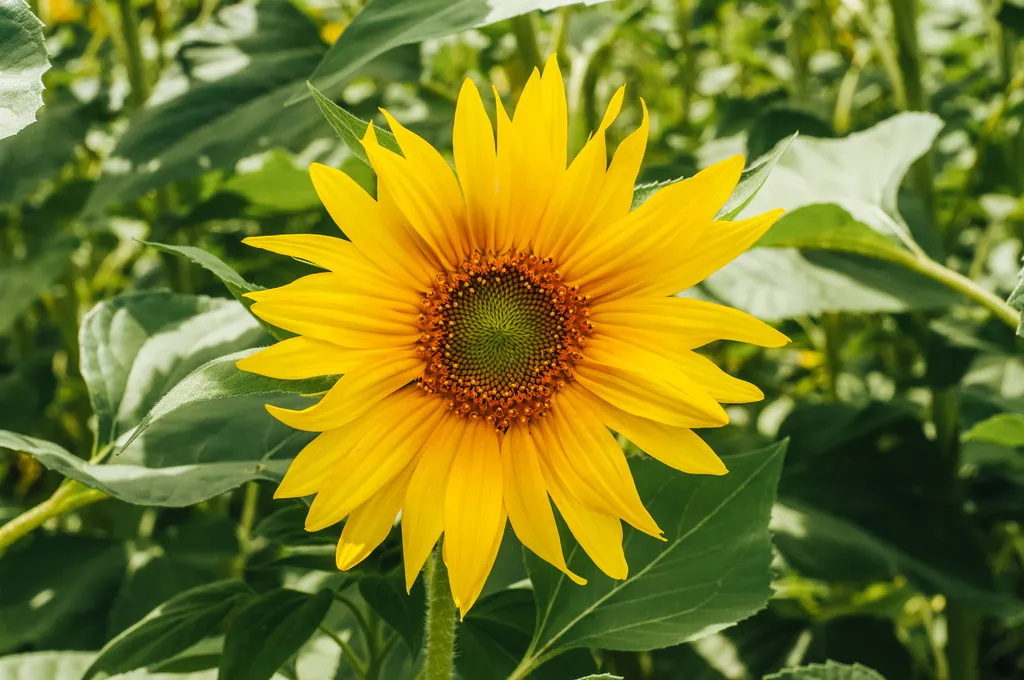
27/28 Sunflower
The quintessential summer flower, the sunflower, stands as a commanding presence in any garden. Symbolizing the season, these towering specimens can reach heights of up to 15 feet, with flower heads exceeding a foot in diameter, offering a truly spectacular display. Smaller varieties, such as ‘Sundance Kid,’ ‘Little Becka,’ and ‘Double Dandy,’ provide charming alternatives, typically growing only one to two feet tall.
-
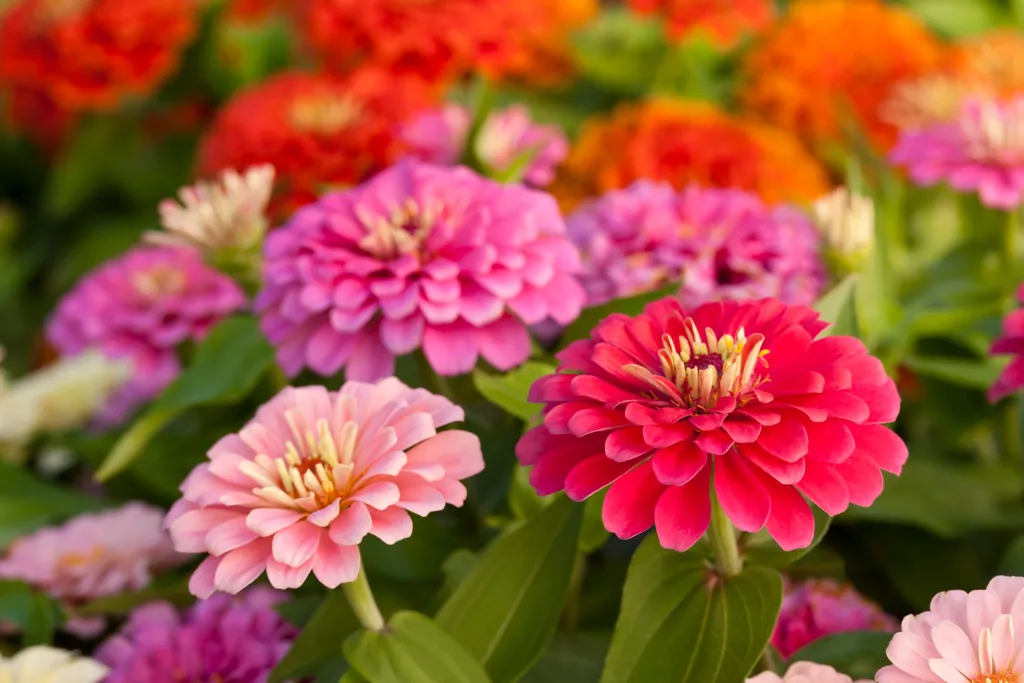
28/28 Zinnia
Highly favored for flower beds, zinnias are characterized by their rapid growth and prolific blooming. Their sturdy stems make them ideal for cutting and creating arrangements. Spoonemore notes, “The magnificent blooms [of zinnias], spanning two to four inches, are perfect for creating stunning floral arrangements.” She particularly recommends the ‘Queeny Lime Orange’ zinnia variety, which “boasts a multilayered display of apricot, green, red, orange, and yellow hues.”
Business Style Takeaway: Integrating a curated selection of high-performance blooms into one’s landscape or floral arrangements elevates personal spaces and enhances well-being. This approach to natural design reflects a sophisticated appreciation for beauty and a commitment to cultivating an environment that is both visually stunning and personally resonant.
Learn more at : www.architecturaldigest.com