

While many individuals focus solely on LDL cholesterol following a routine physical, a recent study highlights the significant combined risk posed by two less commonly assessed blood markers, particularly for adults under 55.
These findings offer a potential explanation for why some individuals with known risk factors may still experience cardiovascular events, while others appear unaffected.
Understanding the Research
The study involved 1,741 participants who had experienced their first heart attack before the age of 55. These individuals were monitored for approximately 19 months to track subsequent major cardiovascular events, including heart attacks, strokes, or cardiovascular-related mortality.
The key markers under investigation were lipoprotein(a) (Lp(a)), a specific type of cholesterol particle, and homocysteine, a metabolic byproduct that can accumulate due to insufficient B vitamin intake.
Crucially, neither Lp(a) nor homocysteine are typically included in standard cholesterol screenings. Lp(a) is largely determined by genetics and is generally unresponsive to conventional cholesterol-lowering medications.
In contrast, homocysteine levels are directly influenced by dietary intake, specifically the consumption of folate, vitamin B12, and vitamin B6.
Synergistic Risk: Elevated Markers Quadruple Danger
When examined individually, both elevated Lp(a) and elevated homocysteine were associated with an increased risk of future cardiovascular events. Those with high Lp(a) faced approximately 2.3 times the likelihood of a subsequent event, while elevated homocysteine presented about a 1.6-fold increased risk.
However, when both markers were found to be elevated simultaneously, the risk escalated dramatically, exceeding 3.5 times the baseline. This synergistic effect demonstrates a combined impact far greater than the sum of their individual risks.
Further analysis confirmed that approximately 45.6% of this elevated combined risk was attributable to the interaction between Lp(a) and homocysteine, rather than their independent effects.
The Destructive Nexus of Lp(a) and Homocysteine
Lp(a) is a variant of LDL cholesterol characterized by an additional protein component. It contributes to the buildup of arterial plaque and increases blood coagulability.
Given that standard statin therapies have minimal impact on Lp(a), it is increasingly recognized as a significant “residual risk” factor, helping to elucidate why some individuals suffer heart attacks despite having normal LDL levels.
Elevated homocysteine levels are known to impair the endothelial lining of blood vessels and promote a pro-clotting environment.
Researchers hypothesize that the confluence of these two factors creates a particularly detrimental effect: Lp(a) may destabilize existing arterial plaques, while homocysteine exacerbates vessel wall damage and enhances clot formation. This combination could create a heightened susceptibility to plaque rupture and subsequent catastrophic clotting events.
Screening Gaps and Actionable Insights
The absence of Lp(a) and homocysteine testing in routine screenings means that critical cardiovascular risk information may be overlooked. While Lp(a) testing is becoming more recommended in cardiology circles, homocysteine remains largely absent from primary care evaluations, despite being inexpensive to measure and readily modifiable.
The study proposes a dual-threshold screening approach: identifying individuals at higher combined risk when Lp(a) exceeds 50 mg/dL and homocysteine surpasses 15 μmol/L.
For those with elevated Lp(a), a concurrent elevation in homocysteine significantly worsens their risk profile, with homocysteine being a factor that can be actively managed.
Strategies for Modulating Homocysteine Levels
Homocysteine levels are highly responsive to nutritional interventions. Its metabolic clearance relies significantly on three key B vitamins:
- Folate (Vitamin B9): Essential for converting homocysteine back into a harmless form. Methylfolate is a more bioavailable form for individuals with MTHFR gene variants, which can impair folic acid processing.
- Vitamin B12: Works synergistically with folate in homocysteine metabolism. Deficiency is common among older adults and those following plant-centric diets.
- Vitamin B6: Supports an alternative metabolic pathway for homocysteine breakdown and elimination.
Additionally, the study noted that smoking and excessive alcohol consumption, both known to elevate homocysteine and negatively impact vascular health, were more prevalent in the high-risk group.
Key practical takeaways from this research include:
- Prioritize Comprehensive Testing: Advocate for testing both Lp(a) and homocysteine, as they are not part of standard lipid panels and can be ordered through your physician or direct-to-consumer labs.
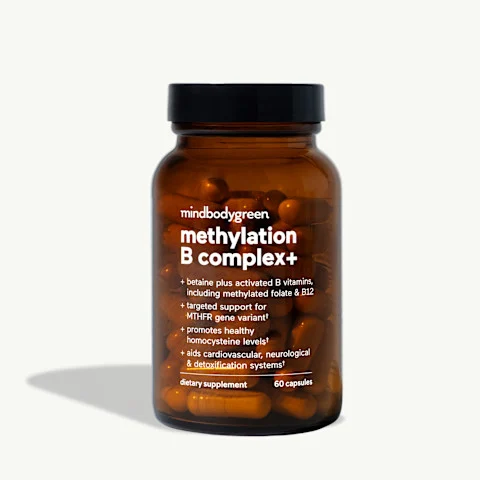
- Nutritional Optimization for Homocysteine: If elevated homocysteine is identified, focus on increasing intake of folate (or methylfolate), B12, and B6 through diet or supplementation.
- Dietary Considerations for B12: Individuals adhering to plant-forward diets should be particularly mindful of their B12 status to mitigate potential homocysteine elevation.
- Strategic Risk Reduction for High Lp(a): For those with known high Lp(a), proactively managing homocysteine levels through nutritional strategies represents the most accessible and impactful current risk-reduction measure, as targeted Lp(a) therapies are still under development.
Concluding Thoughts
This research underscores the critical interaction between Lp(a) and homocysteine, revealing a substantially elevated risk of recurrent cardiovascular events in adults under 55 when both markers are high. The modifiable nature of homocysteine through B vitamin intake makes this a key area for intervention.
If you have elevated Lp(a) and have not had your homocysteine levels checked, addressing this modifiable factor through nutritional optimization is a crucial next step for proactive cardiovascular health management.
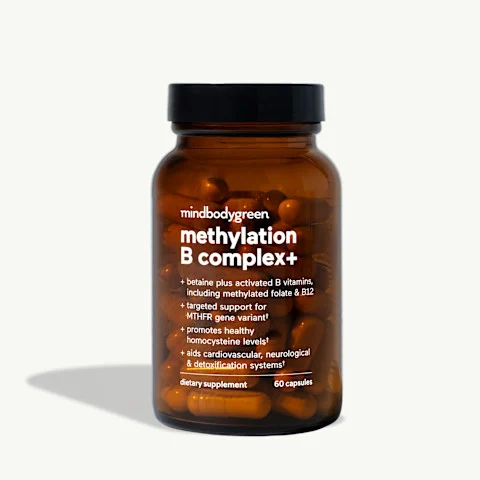
Business Style Takeaway: Proactively monitoring and managing homocysteine levels through B vitamin supplementation, particularly for executives with elevated Lp(a) or those on plant-forward diets, can significantly enhance cardiovascular resilience. This focus on an often-overlooked biomarker offers a tangible strategy for reducing risk and supporting sustained cognitive function and energy levels essential for demanding professional roles.
Source: : www.mindbodygreen.com