


While suboptimal sleep, excessive stress, and insufficient downtime are commonly cited as culprits behind flagging energy and motivation, emerging scientific inquiry suggests a potential overlooked metabolic factor: homocysteine levels. Recent research published in *Nutrients* highlights the intricate relationship between this amino acid and the B vitamins crucial for its regulation, offering a new perspective on persistent fatigue.
Understanding Homocysteine and its Biomarker Significance
Homocysteine is a naturally occurring amino acid generated during protein metabolism. Adequate levels of specific B vitamins, notably B12 and folate, are essential for the body to efficiently metabolize and clear homocysteine from the bloodstream. Deficiencies in these vitamins can lead to elevated homocysteine concentrations. While functional medicine practitioners often consider homocysteine testing, particularly for individuals with specific concerns, it is not a standard component of routine medical screening. Elevated homocysteine has been previously associated with increased risk for cardiovascular disease, cognitive decline, and mood disorders.
Exploratory Research on Homocysteine, Fatigue, and Motivation
A study conducted by researchers at Osaka Metropolitan University investigated the potential links between homocysteine levels, fatigue, and motivation in a cohort of 602 adults. Participants’ plasma homocysteine levels were assessed, and they were stratified into low, middle, and high concentration groups based on sex. Fatigue and motivation were evaluated using validated tools, including the Chalder Fatigue Scale and a Visual Analog Scale, with researchers also controlling for various lifestyle factors such as age, body mass index, sleep quality, exercise frequency, work duration, dietary diversity, and kidney function. It is important to note that as an exploratory study, its findings serve as a foundation for future research rather than establishing definitive causal relationships.
Sex-Specific Associations: Homocysteine, Fatigue, and Motivation
The study observed distinct patterns related to homocysteine levels. Men in the highest homocysteine group reported significantly greater physical fatigue compared to those in the lowest group, an association that persisted even after adjusting for lifestyle variables. Conversely, women in the highest homocysteine group exhibited notably lower motivation scores than their counterparts in the lowest group. These findings align with established knowledge regarding the role of B vitamins in homocysteine metabolism, as higher homocysteine levels were correlated with lower circulating levels of folate and vitamin B12 in both sexes. However, when homocysteine was analyzed as a continuous variable, these specific associations with fatigue and motivation did not reach statistical significance, suggesting a potential threshold effect rather than a linear correlation.
Furthermore, the study underscored the independent impact of lifestyle factors. Inadequate sleep (less than five or more than nine hours per night), infrequent physical activity (fewer than two days per week), and a lack of dietary variety were independently linked to increased fatigue, irrespective of homocysteine levels.
Interpreting the Findings: Biological Hypotheses and Limitations
The study authors proposed potential biological mechanisms for the observed sex-specific associations, acknowledging these as speculative. Women typically exhibit lower homocysteine levels than men, partly attributed to estrogen’s influence on homocysteine clearance. Given estrogen’s role in dopamine regulation, which is critical for motivation and reward pathways, this hormonal difference may contribute to the observed link between higher homocysteine and reduced motivation specifically in women. Another proposed mechanism involves the potential for elevated homocysteine to diminish the availability of S-adenosylmethionine (SAM), a crucial compound required for dopamine and serotonin synthesis, thereby potentially affecting mood regulation.
It is crucial to highlight that the study did not directly measure SAM levels or neurotransmitter activity, rendering these pathways theoretical within the context of the presented data. Notably, neither folate nor vitamin B12 alone demonstrated an independent association with fatigue or motivation in this research, suggesting that homocysteine might serve as a broader metabolic indicator rather than reflecting the status of a single B vitamin in isolation. The analytical models indicated that B-vitamin status might influence fatigue-related outcomes primarily through its interaction with homocysteine, though these interpretations require cautious consideration.
Strategies for Addressing Unexplained Fatigue
For individuals experiencing persistent, unexplained fatigue, a review of vitamin B status may be beneficial. Certain populations are at a higher risk for suboptimal B12 and folate levels, including:
- Vegans and vegetarians: Due to the primary presence of B12 in animal products, supplementation or consumption of fortified foods is essential.
- Older adults: Age-related decline in stomach acid production can impair B12 absorption.
- Individuals with gastrointestinal conditions: Conditions like Crohn’s disease, celiac disease, or post-gastric surgery can compromise nutrient absorption.
- Heavy alcohol consumers: Alcohol consumption can interfere with folate metabolism and absorption.
- Those on specific medications: Certain medications, such as metformin and proton pump inhibitors, are known to deplete B12 over time.
Enhancing B vitamin intake and supporting healthy homocysteine levels can be achieved through dietary adjustments and, when necessary, supplementation. Key dietary sources that support homocysteine metabolism include:
- Leafy greens: Spinach, kale, and romaine are excellent sources of folate.
- Legumes: Lentils, chickpeas, and black beans provide folate and plant-based protein.
- Eggs: A valuable source of B12 and other methyl-supporting nutrients.
- Seafood: Salmon, sardines, and clams are rich in B12 and folate.
- Fortified foods: Many cereals, plant-based milks, and nutritional yeasts are fortified with B12 and folic acid.
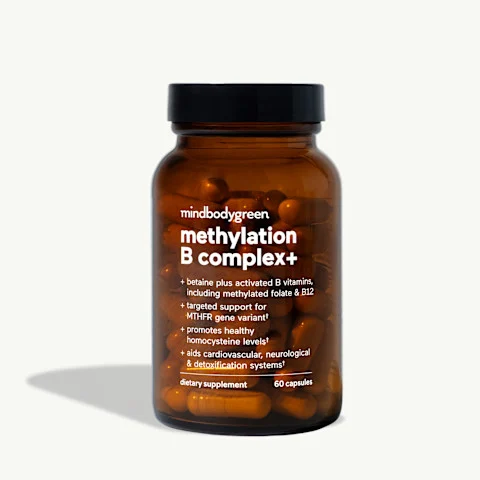
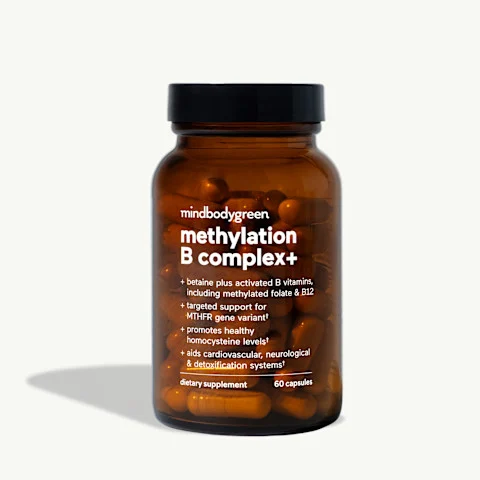
- B complex supplements: Formulations containing methylated B vitamins offer enhanced bioavailability and targeted support.
Lifestyle habits associated with improved fatigue outcomes observed in the study include:
- Consistent Sleep: Maintaining a sleep schedule within the 5-to-9-hour range was linked to better energy levels.
- Regular Exercise: Engaging in physical activity at least twice weekly demonstrated a positive association with reduced fatigue.
- Dietary Diversity: Consuming a wide array of food groups was independently linked to lower physical fatigue, particularly in men.
If persistent fatigue or a decline in motivation is a concern, consulting a healthcare provider to discuss potential testing for B12, folate, and homocysteine levels is advisable. These markers can be readily added to standard bloodwork panels upon request.
Conclusion: Homocysteine as a Potential Indicator
The exploratory findings suggest that elevated homocysteine levels may be associated with increased physical fatigue in men and reduced motivation in women, even after accounting for critical lifestyle factors. While these results cannot establish causality and the sex-specific associations warrant further investigation, they highlight homocysteine as a potential biomarker reflecting broader metabolic health. Understanding homocysteine’s relationship with B vitamins offers a nuanced perspective on energy regulation, potentially identifying sub-optimal nutrient status before overt deficiency symptoms manifest. Discussing homocysteine testing with a healthcare provider could provide valuable insights for individuals experiencing unexplained fatigue or motivational challenges.
★ ★ ★ ★ ★★ ★ ★ ★ ★ (26)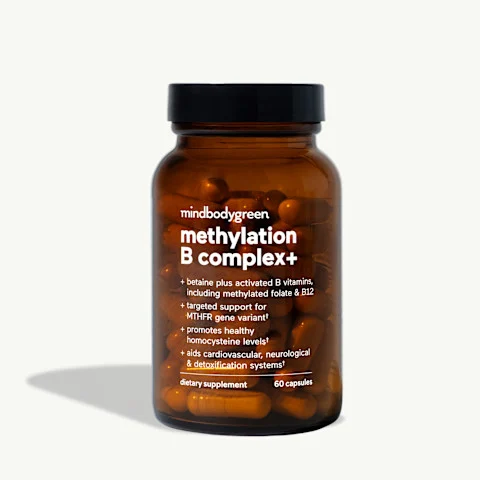
Business Style Takeaway: Monitoring homocysteine levels, particularly in conjunction with B vitamin status, may offer executives proactive insights into managing energy and cognitive function. Optimizing these metabolic factors through targeted nutrition and lifestyle adjustments can significantly enhance resilience against fatigue and bolster sustained productivity.
Information compiled from materials : www.mindbodygreen.com