

Tart cherry has long been recognized by athletes and active individuals for its potential to aid in exercise recovery. Its rich profile of anthocyanins and other polyphenols has been the subject of research investigating its capacity to mitigate oxidative stress and alleviate post-exercise muscle discomfort.

Emerging research has recently explored its specific impact on reducing exercise-induced muscle damage, offering new insights into its benefits.
Investigating Tart Cherry’s Cellular Impact on Muscle Recovery
A recent scientific inquiry aimed to precisely evaluate how tart cherry supplementation influences the biological mechanisms within skeletal muscle following exercise-induced damage. Moving beyond surface-level metrics such as soreness or performance, the study’s focus was on understanding the cellular-level responses.
To achieve this, the research team engaged 34 healthy, moderately active young men. Participants were assigned to one of three groups: a placebo, a low-dose tart cherry concentrate, or a high-dose tart cherry. The supplementation regimen began seven days prior to a muscle-damaging exercise session and continued through a brief recovery period, totaling 10 days of intervention.
Following the designed exercise protocol, which aimed to induce muscle damage, researchers meticulously assessed muscle function. Blood samples were collected, and muscle biopsies were performed to meticulously analyze the direct changes occurring within the muscle tissue. This detailed approach enabled the researchers to investigate whether tart cherry supplementation could modulate the proteins and cellular pathways integral to muscle repair, inflammation, and adaptation post-exercise.
Tart Cherry Modulates Key Pathways in Muscle Remodeling
A significant discovery from the study was that tart cherry supplementation demonstrably altered the muscle’s protein composition in the aftermath of exercise-induced damage.
Specifically, the researchers identified modifications in proteins associated with:
- Muscle structural integrity
- Muscle contraction mechanisms
- Cellular repair processes
- Immune cell activity within the muscle tissue
These findings strongly suggest that the polyphenols present in tart cherry may play a role in guiding the muscle’s adaptive response to the physiological stress imposed by exercise.
Furthermore, the study provided evidence of modulated macrophage activity. Macrophages are critical immune cells involved in clearing cellular debris and facilitating the muscle repair process after physical exertion.
Collectively, these observed changes point towards a more comprehensive influence on muscle remodeling and adaptation—essential processes that enhance the body’s capacity for strength and resilience following training stimuli.
The Gut Microbiome’s Potential Role in Tart Cherry Efficacy
The researchers also noted a significant increase in hippuric acid levels. This compound is a byproduct of the gut microbiota’s metabolism of polyphenols, which are abundant in tart cherries and other plant-based foods.
Notably, individuals exhibiting higher concentrations of hippuric acid tended to maintain superior muscle function post-exercise-induced damage. While this study was not designed to establish a direct causal link between hippuric acid and these effects, the correlation suggests that the gut microbiome’s processing of tart cherry polyphenols may contribute to some of its observed benefits.
Implications for Enhanced Recovery Strategies
This research contributes valuable evidence to the growing body of work indicating that tart cherry may support muscle health through mechanisms extending beyond conventional recovery markers. Although the intervention period was short (10 days) and not designed for long-term training adaptation assessment, the study revealed significant shifts in muscle biology, particularly within pathways critical for repair, remodeling, and immune function.
For individuals considering incorporating tart cherry into their wellness regimen, research suggests that daily consumption of approximately 8 to 16 ounces of tart cherry juice, or roughly 2 ounces of concentrated tart cherry juice diluted with water, may contribute to supporting recovery and overall muscle well-being.
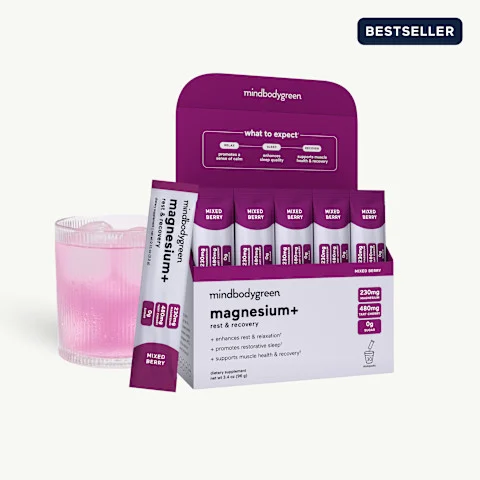
For a more concentrated and potentially targeted approach, consider a tart cherry supplement. Look for formulations utilizing the clinically validated Montmorency tart cherry extract, such as CherryPURE®. Certain products combine this extract with magnesium, offering a synergistic approach to rest and recovery.
Summary of Findings
In conclusion, this study demonstrated that tart cherry supplementation positively influenced proteins involved in muscle repair, remodeling, and immune responses following strenuous exercise. While further investigation is warranted to fully elucidate the long-term implications, these findings enhance our understanding of lifestyle habits and nutritional strategies that can naturally support physical recovery.
magnesium+ rest & recovery
Rested. Renewed. Ready.★ ★ ★ ★ ★★ ★ ★ ★ ★
(75)
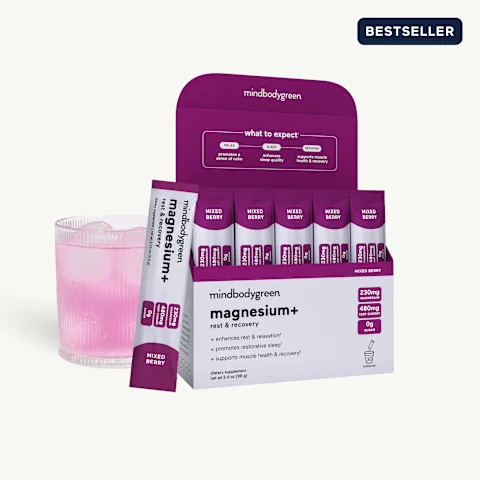
magnesium+ rest & recovery
Rested. Renewed. Ready.★ ★ ★ ★ ★★ ★ ★ ★ ★
(75)
★ ★ ★ ★ ★★ ★ ★ ★ ★ (75)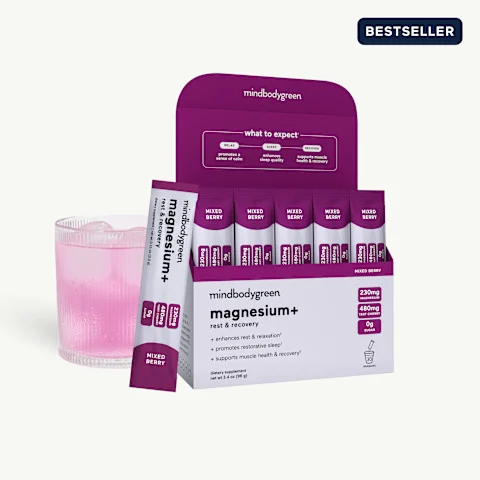
Business Style Takeaway: Incorporating natural anti-inflammatory agents like tart cherry can significantly enhance an executive’s ability to manage physical and mental recovery from demanding schedules. This supports sustained cognitive function and reduces the impact of stress, leading to improved focus and long-term productivity.
Details can be found on the website : www.mindbodygreen.com