

The landscape of addiction treatment is continually evolving, with certain disorders presenting persistent challenges due to a lack of targeted therapeutic interventions. Methamphetamine use disorder (MUD) stands as a prime example, characterized by a significant treatment gap underscored by the absence of any FDA-approved medications specifically for its management. Current estimates suggest millions of individuals in the United States grapple with methamphetamine use, a substance known by various street names and associated with complex usage patterns and intoxication states.

While popular culture, such as the acclaimed series “Breaking Bad,” may have inadvertently brought methamphetamine into mainstream discussion, its portrayal, even in depicting dire consequences, has been noted for its potential to influence public perception. Paradoxically, such cultural narratives, while not formal prevention campaigns, have sometimes served as potent public health messaging, illustrating the perilous descent from perceived control to irreversible loss, mirroring the devastating trajectory of addiction.
The escalation of methamphetamine use and its associated harms since the mid-2010s, often interwoven with opioid co-use and leading to a rise in stimulant-related fatalities, underscores the critical need for pharmacologic solutions. In this challenging environment, promising research has emerged, evaluating the efficacy of the antidepressant mirtazapine for individuals with MUD. A recent pragmatic clinical trial conducted in Australia provided compelling evidence that mirtazapine, administered at a dosage of 30 mg daily, could significantly reduce methamphetamine use in outpatient settings.
This finding is particularly noteworthy not because mirtazapine represents a revolutionary breakthrough akin to specialized treatments for other chronic conditions, but because it demonstrates that a widely accessible and familiar antidepressant can offer tangible benefits in mitigating methamphetamine consumption. The trial indicated a statistically significant reduction in methamphetamine use days among participants receiving mirtazapine compared to a placebo group, suggesting a modest yet meaningful advancement in addressing a disorder marked by therapeutic scarcity.
The Complex Realities of Polysubstance Use
A defining characteristic of methamphetamine use disorder in contemporary clinical practice is the prevalence of polysubstance use. It is now the norm, rather than the exception, for individuals with MUD to engage in the simultaneous or sequential use of multiple substances, including opioids, alcohol, cannabis, and nicotine. This pattern significantly complicates treatment and exacerbates health risks.
The co-occurrence of methamphetamine and opioid use, for instance, is linked to a substantially increased likelihood of injection drug use, a doubled risk of infectious diseases, a tripling of criminal justice involvement, and a marked escalation of medical, neurological, and psychiatric sequelae. These intertwined dependencies create a complex web of physiological and psychological challenges.
Individuals struggling with MUD often exhibit a cyclical pattern of binge use, punctuated by periods of paranoia, hallucinations, agitation, withdrawal, and profound dysphoria. The continued use of methamphetamine may serve, in part, as a coping mechanism to manage withdrawal symptoms or regulate the severe physiological dysregulation and psychological distress associated with chronic stimulant use, rather than solely for the euphoric effects. Mirtazapine’s potential to address symptoms such as sleep disturbances, hyperarousal, and dysphoria makes it a valuable adjunct in stabilizing individuals experiencing these disruptions.
Navigating Treatment Options and Future Directions
While the combination of extended-release injectable naltrexone and bupropion has shown some promise in reducing methamphetamine use, its absolute response rates remain relatively low, and physician adoption can be limited. In contrast, mirtazapine offers advantages in terms of accessibility, cost-effectiveness, clinical familiarity, and ease of administration, making it a practical option for widespread implementation in various treatment settings.
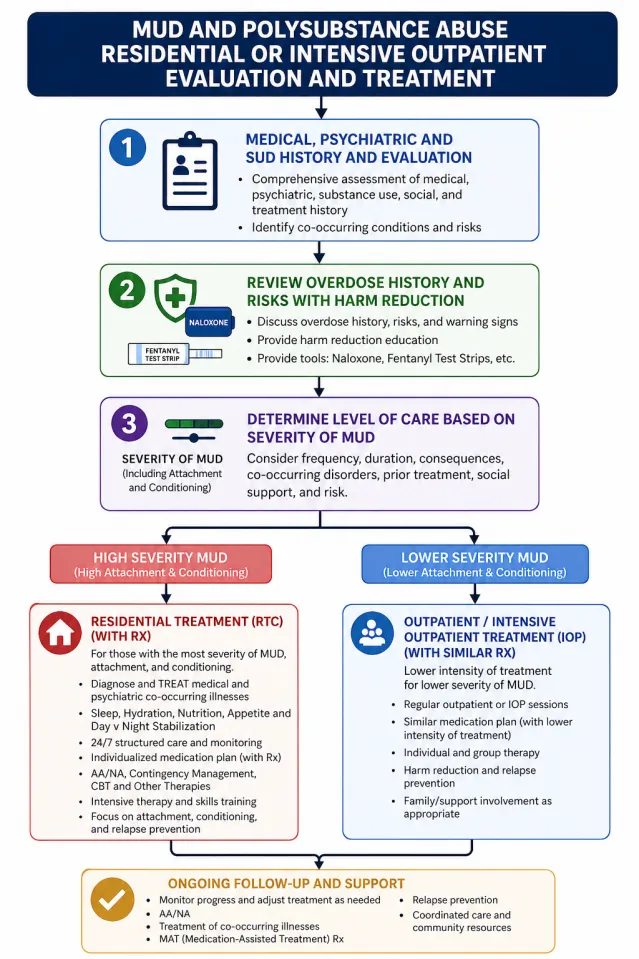
Residential treatment centers play a crucial role in providing a safe, structured environment for individuals to begin recovery, particularly for those with severe MUD and polysubstance use disorders. These settings allow for the stabilization of physiological rhythms and withdrawal management, removing individuals from high-risk environments. However, the long-term success of residential care is contingent upon comprehensive post-discharge planning, including continued outpatient support, behavioral therapies, and pharmacological interventions to prevent relapse.
Emerging evidence underscores the need for a multifaceted treatment approach. This layered model integrates behavioral interventions, such as contingency management and cognitive-behavioral therapy, with pharmacological support. Medications like mirtazapine can help mitigate withdrawal symptoms and improve overall well-being, while other agents like naltrexone-bupropion may address stimulant-related reward pathways. Investigational therapies are also being explored, indicating a dynamic and evolving field dedicated to improving outcomes for individuals with MUD and complex co-occurring substance use disorders.
Business Style Takeaway: Understanding the complexities of methamphetamine use disorder, particularly its common co-occurrence with other substances, highlights the need for pragmatic and accessible treatment solutions. The evidence supporting mirtazapine demonstrates that even modest pharmacological interventions can yield significant benefits in reducing drug use, directly impacting an individual’s ability to maintain stable employment, rebuild personal relationships, and contribute productively to society, thereby reducing societal costs associated with addiction.
Based on materials from : www.psychologytoday.com