

When conventional sleep hygiene practices—such as avoiding screens before bed, maintaining a cool sleeping environment, or utilizing magnesium supplements—fail to yield results, an often-overlooked strategy may offer a solution: engaging in team-based sports.
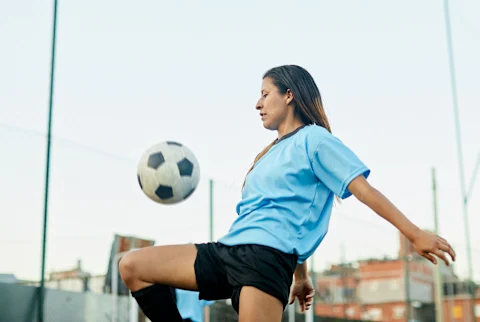
Recent research analyzing the connection between team sports and sleep quality across 11 distinct studies involving 809 participants suggests that the benefits are less about the intensity of individual training and more about the dynamic of group participation.
Study Overview
This systematic review synthesized findings from over 1,100 initial records, ultimately incorporating 11 studies. The participant pool spanned a broad demographic, from adolescents to individuals in their mid-60s, encompassing a range of athletic experience from novice to elite levels.
The sports examined included popular disciplines such as soccer, basketball, handball, volleyball, and group fitness activities like Zumba.
A particularly intriguing aspect of this review was its departure from previous research, which had indicated that participants in team sports often exhibit less favorable pre-sleep behaviors and poorer overall sleep compared to those engaging in solitary athletic pursuits.
The objective of this review was to explore the underlying reasons for this discrepancy and to ascertain whether team sports could, in fact, contribute to improved sleep.
Association of Soccer, Volleyball, and Handball with Enhanced Sleep
Across the analyzed studies, consistent engagement in soccer, Zumba, volleyball, and handball demonstrated a significant positive correlation with improvements in sleep metrics. Participants typically reported longer sleep durations, reduced latency in falling asleep, and a general enhancement in perceived sleep quality.
Basketball yielded more varied results. While college-level players experienced notable sleep benefits, elite and wheelchair basketball athletes did not exhibit the same degree of improvement.
It is important to acknowledge that the methodological diversity of the included studies—varying in design, participant profiles, and sleep assessment methods—warrants a nuanced interpretation of the findings. Nevertheless, the observed patterns were sufficiently consistent to infer meaningful conclusions.
The Impact of Social Interaction in Sports on Sleep
While physical exercise is generally conducive to better sleep, team sports introduce a crucial element often absent in solo activities: social engagement.
Participating in a group setting fosters accountability, cultivates a sense of belonging, and generates a mood uplift through shared physical exertion. These factors collectively contribute to mitigating the mental stress and intrusive thought patterns that can disrupt nighttime rest.
Furthermore, the element of enjoyment plays a significant role. Individuals are more inclined to adhere to activities they find pleasurable, and the social dimension of team sports enhances adherence over time. This sustained engagement may be as critical for sleep improvement as the physical activity itself.
A pertinent consideration is that excessively intense training regimens were occasionally associated with diminished sleep quality, particularly among elite athletes. For the general population, a balance of regular, moderate participation appears to be optimal, rather than pursuing extreme exertion.
Integrating Team-Based Physical Activity into Your Routine
A highly encouraging aspect of this research is its broad applicability. The review encompassed individuals with no prior athletic experience alongside seasoned competitors, all of whom reported tangible sleep benefits from recreational participation.
There is no prerequisite for exceptional skill, competitive drive, or peak physical condition to benefit from these activities. Mounting evidence underscores the role of social connection in promoting overall health, and team sports align seamlessly with this principle.
Consider these accessible avenues for initiating team-based movement:
- Recreational Leagues: Numerous communities offer adult leagues for sports like soccer, volleyball, and basketball, designed to accommodate all skill levels and requiring no prior experience.
- Group Fitness Classes: Formats such as Zumba, group cycling, and similar classes provide the social energy characteristic of team sports without a competitive focus.
- Community Sports Nights: Drop-in sessions at local gyms, parks, or community centers offer a low-commitment way to sample various activities.
- Informal Workplace or Neighborhood Games: Casual games organized among colleagues or neighbors also contribute positively, and the familiarity of participants can enhance consistency.
Adults seeking to engage in new physical activities often discover a wealth of options, with leagues and classes catering to diverse skill sets and preferences.
Conclusion
A comprehensive review of 11 studies revealed a widespread association between team sports—notably soccer, volleyball, handball, and Zumba—and superior sleep quality, extended sleep duration, and faster sleep onset.
The social engagement intrinsic to these activities may offer benefits that solitary exercise cannot fully replicate, ranging from stress reduction to the establishment of sustainable healthy habits.
Crucially, the observation that recreational participants also experienced positive outcomes suggests that achieving these benefits does not necessitate an elite athletic background. Incorporating a team-based activity into one’s weekly schedule may prove to be the key element for those aiming to optimize their sleep patterns.
Business Style Takeaway: Integrating team-based physical activities into an executive’s routine can foster crucial social connections and accountability, which are often more effective at reducing stress and improving sleep quality than solitary exercise. This enhanced well-being translates directly into greater mental clarity, improved focus, and sustained productivity throughout demanding work weeks.
Source: : www.mindbodygreen.com