

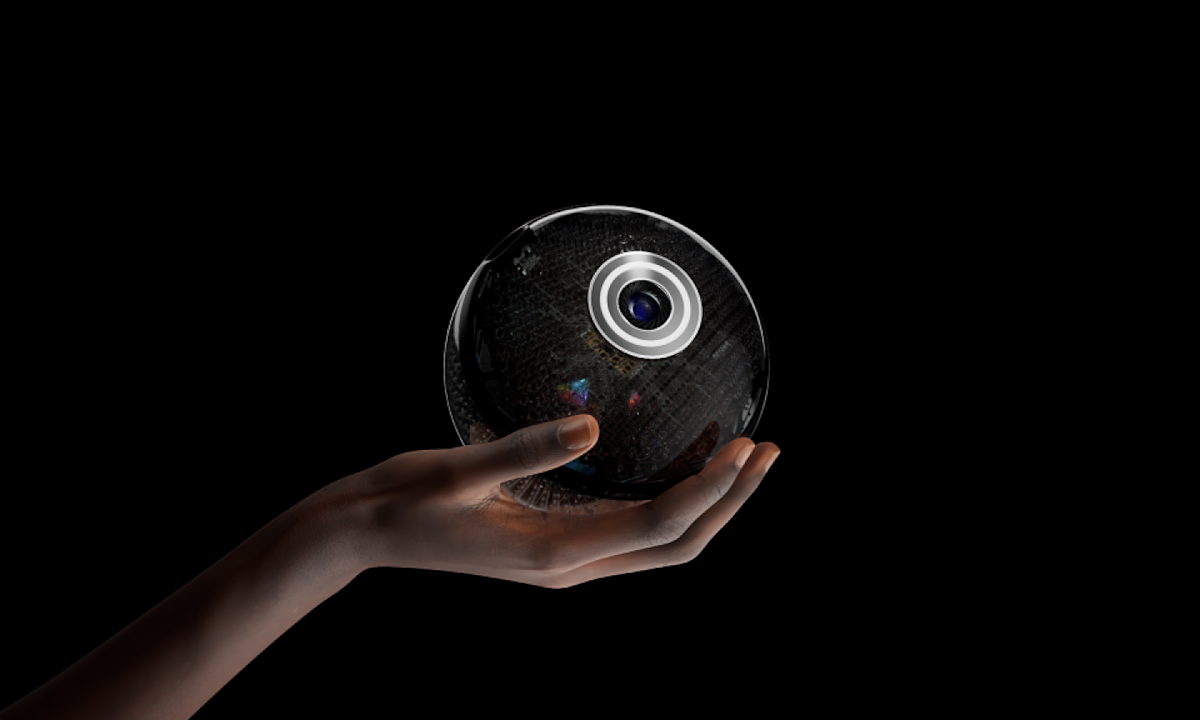
In an era where technological advancements are paramount, Americans prioritize keeping their devices updated and functioning optimally. Statistics reveal a strong emphasis on maintaining the security, performance, and functionality of personal technology, with many feeling compelled to implement daily updates.
While prompt attention is given to fixing a malfunctioning phone or a slow laptop, the same diligence is often not applied to our vision – arguably the most advanced technology we possess. By the time vision changes or discomfort become noticeable, underlying issues may have been developing for an extended period.
The Impact of Digital Overload
The pervasive use of screens contributes significantly to a condition known as digital eye strain. Symptoms such as persistent dryness, fatigue, blurred vision, and headaches are becoming increasingly common. As reliance on digital devices grows, so does the strain on our eyes. Regular visits to an optometrist are crucial for identifying potential issues before they manifest as noticeable symptoms.
The Multifaceted Role of Your Eyes
The human eye is an exceptionally sophisticated piece of biological engineering, far surpassing any artificial technology. The ability to instantaneously adjust focus when shifting gaze between a computer screen, a document, or the road while driving showcases its remarkable precision. Your eyes process billions of neural pathways simultaneously, interpreting color, shape, depth, and movement. They adapt to varying light conditions within milliseconds and are vital for spatial awareness and safe navigation through dynamic environments.
Ocular Health as a Diagnostic Window
Beyond their role in sight, the eyes serve as a sophisticated health monitoring system. Optometrists are capable of detecting early indicators of over 270 serious health conditions. These can include diabetes, high blood pressure, autoimmune disorders, and certain types of cancer, often identified months or even years before any external symptoms emerge. Therefore, an annual eye examination extends far beyond a simple prescription update and cannot be substituted by at-home vision tests or basic screenings.
The Irreplaceable Nature of Human Vision
Despite rapid technological progress, the capabilities of the human eye remain unparalleled. Visual information is transmitted to the brain in a mere 13 milliseconds. The visual processing bandwidth is virtually limitless, and the eyes can detect even the faintest unit of light, a single photon. This complex functioning occurs automatically, requiring no conscious effort.
Illustrating the profound capabilities of our visual system, conceptual projects highlight what our eyes could achieve if translated into technological terms. However, as these projects underscore, the most advanced and irreplaceable visual technology is already within us. It is a powerful reminder of the importance of attentive care and regular maintenance for our eyes.
Business Style Takeaway: Prioritizing annual eye exams is a proactive investment in both immediate visual clarity and long-term systemic health, directly impacting productivity and overall well-being. Recognizing the eyes as critical biological technology underscores the necessity of preventative care for sustained personal and professional performance.
Based on materials from : theskimm.com