

Vitamin C, a vital micronutrient renowned for its antioxidant properties, plays a significantly underestimated role in supporting robust brain health. Beyond its well-known immune-boosting capabilities, this essential vitamin is crucial for maintaining optimal cognitive function, memory retention, and emotional equilibrium.* Found abundantly in fruits like citrus and berries, as well as various vegetables, vitamin C actively contributes to neurological wellness.

While often overshadowed by newer nutritional discoveries, vitamin C’s profound impact on cognitive processes warrants renewed attention. Its contribution to brain power and neurological resilience is a testament to its enduring importance in our diet.
The Neurological Significance of Vitamin C
Remarkably, the brain accumulates vitamin C in particularly high concentrations, a finding that first alerted researchers to its critical importance for the central nervous system. The transport of vitamin C into the brain occurs through specific mechanisms, including glucose and sodium-dependent active transport systems from the bloodstream.
Nerve cells (neurons) and glial cells, which provide essential support to the nervous system, depend on the efficient and regulated uptake and utilization of vitamin C. This nutrient is so essential that our brains actively seek it out, yet humans, along with a few other species like bats and guinea pigs, lack the biological capacity to synthesize it internally, necessitating dietary intake.
Preserving Cognitive Function Across the Lifespan
Research highlights the correlation between higher circulating levels of vitamin C and enhanced cognitive performance in older adults. Even as vitamin C levels may decline in other parts of the body due to insufficient dietary intake, the brain strives to maintain its own reserves, demonstrating a protective mechanism during periods of stress or deficiency.
Maintaining adequate vitamin C status is particularly crucial as we age. Its potent antioxidant capabilities help combat oxidative stress, a process implicated in cognitive decline and memory impairment. Furthermore, vitamin C acts synergistically with other vital antioxidants, such as vitamin E and glutathione, regenerating them and amplifying their protective effects within the brain.
Enhancing Focus, Mood, and Memory
The benefits of vitamin C extend beyond age-related concerns, impacting cognitive function and motivation in younger adults as well. Studies involving supplementation have shown improvements in work motivation, attentional focus, and overall performance on cognitive tasks requiring sustained mental energy.
Beyond cognitive acuity, vitamin C plays a fundamental role in the synthesis of key neurotransmitters, including norepinephrine, which is integral to mood regulation. Evidence suggests a positive association between higher vitamin C blood levels and an elevated mood, with lower levels correlating with increased feelings of sadness, anger, and confusion.
From the earliest stages of development, vitamin C is integral to healthy neurodevelopment, supporting the formation of myelin sheaths that protect nerve fibers and the development of neurons. Its importance spans the entire human lifespan, from prenatal development through advanced age.
Key Takeaways for Executive Wellness
Vitamin C offers a broader spectrum of benefits than commonly recognized, proving indispensable for optimal cognitive function, including memory, motivation, and focus. Its dual role as a powerful antioxidant and a critical cofactor in neurotransmitter synthesis underscores its importance for healthy aging and emotional resilience.
Ensuring adequate daily intake through diet or targeted supplementation can harness the cognitive-enhancing potential of this essential vitamin. Consider exploring reputable vitamin C supplements to support your brain health and overall well-being.
Individuals who are pregnant, breastfeeding, or taking medication should consult with a healthcare professional before starting any new supplement regimen. It is always advisable to seek personalized medical guidance regarding the suitability of supplements.
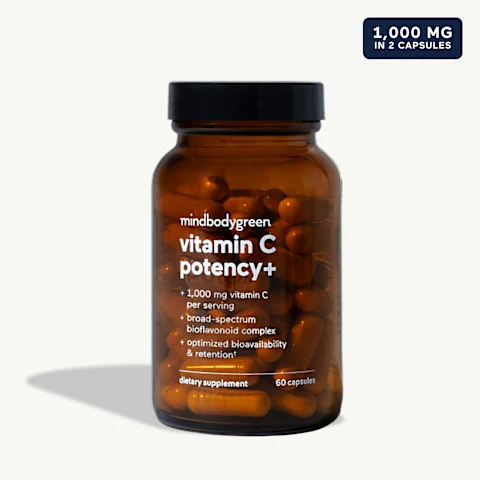
Business Style Takeaway: Integrating adequate vitamin C intake into a busy professional’s lifestyle can significantly enhance cognitive performance, sharpen focus, and improve mood regulation. By supporting neurotransmitter function and combating oxidative stress, this essential nutrient contributes to sustained mental clarity and resilience, ultimately boosting long-term productivity and executive function.
According to the portal: www.mindbodygreen.com