

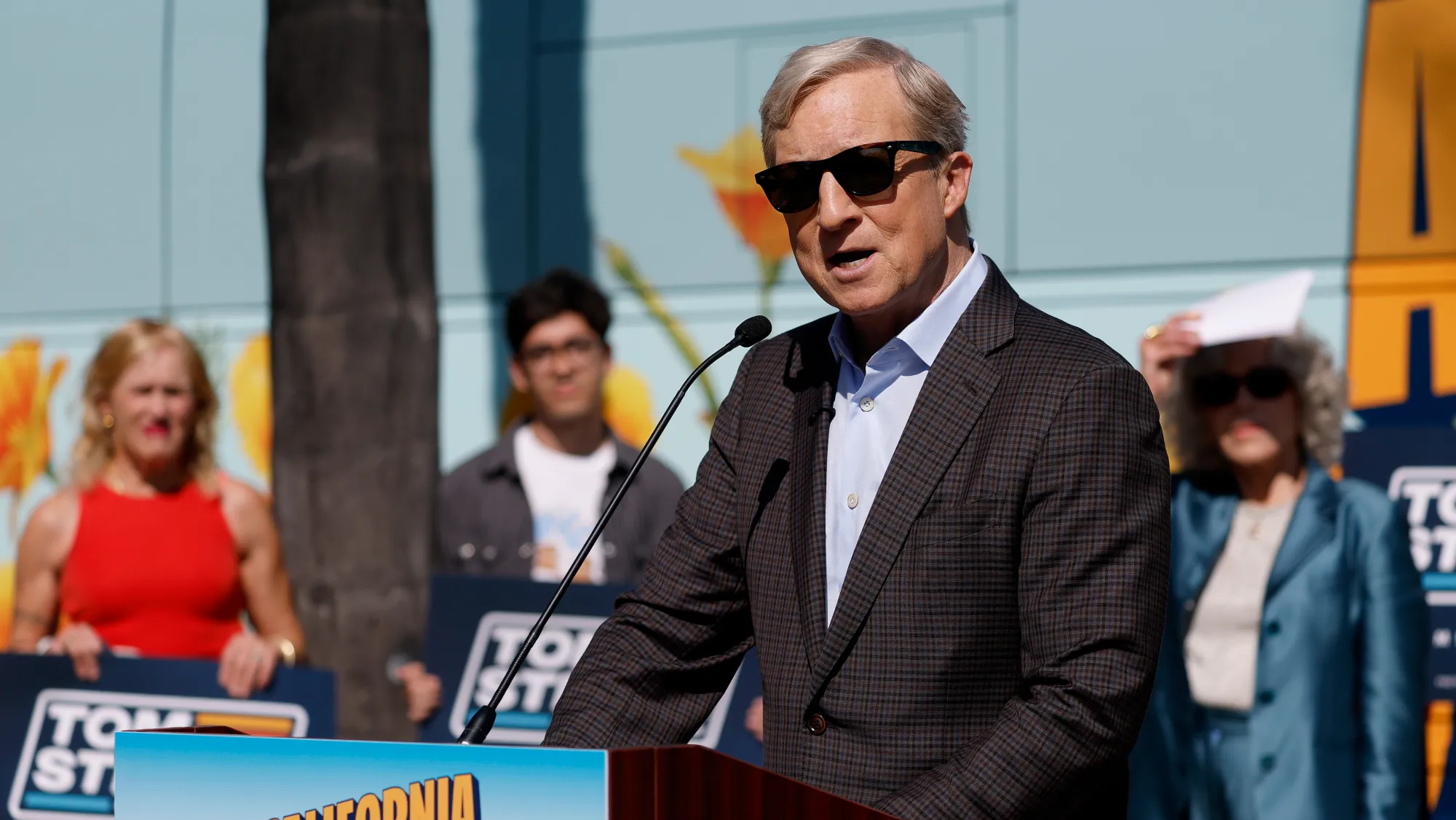
The race for California’s gubernatorial seat has introduced a significant new variable concerning media consolidation, specifically the potential acquisition of Warner Bros. Discovery by David Ellison’s Paramount. Tom Steyer, a prominent Democratic candidate, has publicly stated his opposition to this merger, signaling a willingness to support legal challenges and advocate for stronger legislative measures to curb such large-scale media consolidations.
Regulatory Opposition to Media Consolidation
Steyer’s stance is rooted in his assertion that the proposed merger represents a “right-wing takeover of media,” driven by a desire to control information flow. He specifically voiced concerns that if Ellison, who has been linked to Donald Trump, were to acquire CNN, the network would be transformed into a partisan mouthpiece. Steyer drew a parallel to historical wartime strategies, emphasizing the control of media as a critical component of political influence.
This sentiment echoes concerns previously voiced by California Attorney General Rob Bonta, who has indicated a rigorous review of the proposed transactions, citing potential negative impacts such as reduced quality, fewer choices, and diminished competition. While Bonta possesses some leverage, the historical success rate for state Attorneys General in blocking national media mergers is notably low. Paramount’s legal counsel, Makan Delrahim, has countered that the merger would benefit movie theaters and their patrons, though CNN’s role in any potential regulatory action remains a point of discussion.
Political Dynamics and Industry Support
Steyer’s opposition positions him against the likely stance of his Republican rival, Steve Hilton, who has received Donald Trump’s endorsement and previously suggested “extravagant” measures to influence behavior within the industry. Steyer criticized Hilton’s approach, characterizing it as an attempt to establish a “state medium” antithetical to Hollywood’s tradition of free speech and challenging the status quo. This political division highlights differing philosophies on the role of government in regulating and supporting the entertainment sector.
Strategic Outlook on Industry Incentives
Beyond the merger debate, Steyer addressed the issue of film tax credits, a key incentive for production in California. While he refrained from specifying a percentage, he indicated support for expanding existing credits to cover above-the-line expenses and removing the current annual cap. However, Steyer views tax credits as a short-term solution, emphasizing the need for broader strategies to reduce operational costs and regulatory burdens for productions, particularly smaller ones.
He further elaborated that fostering a robust industry ecosystem requires comprehensive support, including arts funding and apprenticeship programs, alongside efforts to lower the general cost of living in California. Steyer’s long-term vision prioritizes sustainable growth through cost reduction and capability enhancement over reliance solely on immediate financial incentives.
Business Style Takeaway: The gubernatorial race in California has become a platform for debating the future of media ownership and industry support. Steyer’s assertive stance against media consolidation and his nuanced approach to industry incentives signal a potential shift towards more active regulatory oversight and strategic development in the state’s powerful entertainment sector, challenging incumbent industry practices and political alignment.
According to the portal: www.hollywoodreporter.com