

The resignation of U.K. Prime Minister Keir Starmer marks the sixth leadership change in a tumultuous decade for British politics, underscoring persistent economic instability and political volatility since the 2016 Brexit referendum.
The Leadership Carousel
Starmer’s departure, effective Monday, places the U.K. on the cusp of selecting its seventh leader in ten years. This reflects a pattern of early departures and public scrutiny that has defined the premierships of David Cameron, Theresa May, Boris Johnson, Liz Truss, and Rishi Sunak. Starmer’s exit comes despite a landslide electoral victory in 2024 and without the catalyst of a major scandal, making his resignation particularly noteworthy amidst ongoing economic challenges exacerbated by the nation’s exit from the European single market.
Internal Party Dynamics and Policy Pressures
Starmer’s resignation comes after facing internal dissent, particularly from within his own party, concerning his administration’s handling of the conflict in Gaza and its more centrist policies on issues such as trans rights, civil liberties, immigration, and measures to address widening inequality. Despite securing a substantial parliamentary majority and facing a fractured opposition, these internal pressures, combined with the persistent economic headwinds of an aging population, stagnant wages, and low growth, appear to have contributed to his decision to step down rather than face a potential leadership challenge.
Economic and Political Fallout
The U.K. economy continues to grapple with the consequences of its post-Brexit isolation from the European single market. Starmer’s resignation adds another layer of political uncertainty to an already challenging economic landscape. His administration highlighted achievements such as the return of Labour to power, reductions in healthcare waiting lists, increased defense spending, and a decrease in illegal immigration. However, these gains have been overshadowed by broader systemic issues and the leadership churn that has become a hallmark of the post-Brexit era.
The Succession Question
Andy Burnham, the former mayor of Manchester and a recently elected Labour MP, is widely considered the frontrunner to succeed Starmer, potentially without a contest. However, any new leader will inherit the same profound structural challenges that Starmer faced, with limited room for significant policy divergence given the current economic and political climate. Starmer stated he would remain as Prime Minister until a new leader is chosen, with nominations opening July 9th and a new leader expected before Parliament reconvenes in September.
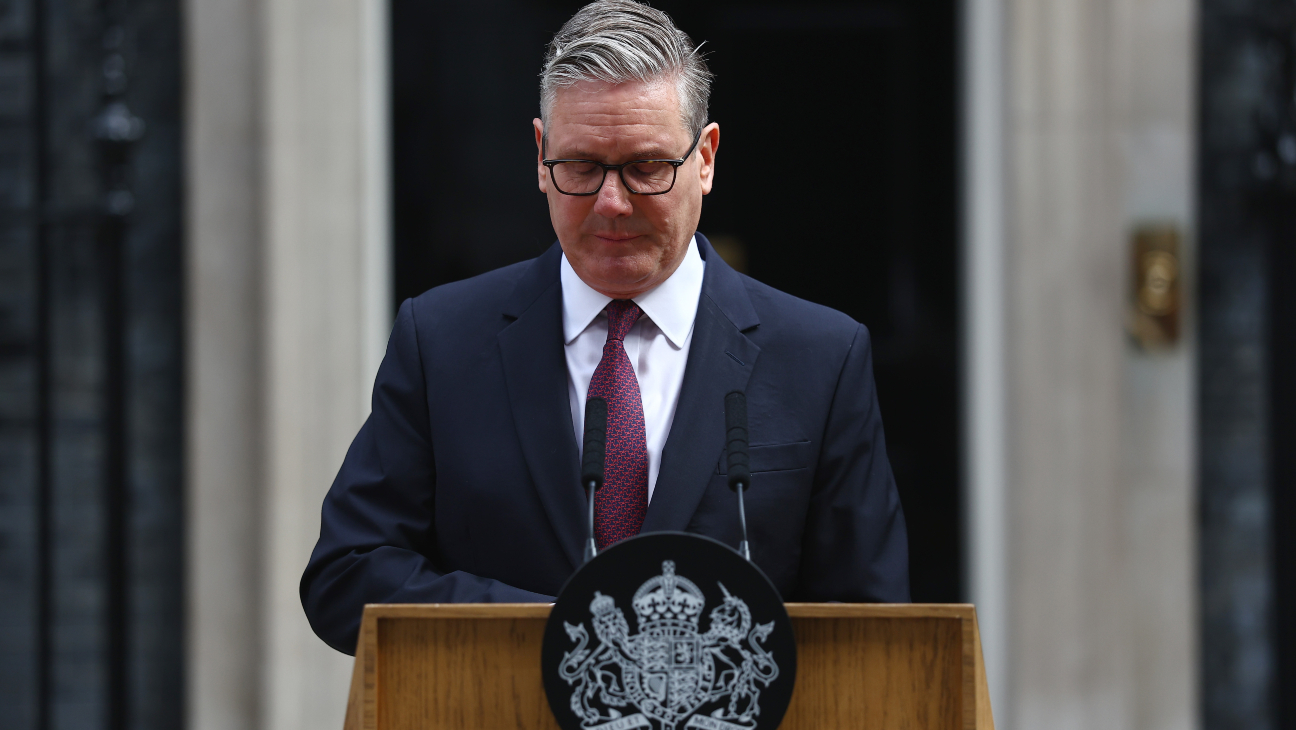
In his resignation address, Starmer reflected on his tenure, emphasizing the return of Labour to power after 14 years and citing his administration’s efforts to rebuild trust, strengthen the economy, and improve living standards. He also acknowledged the internal party sentiment regarding his leadership for the upcoming general election, stating, “I have heard the answer of my parliamentary party to that question. And I accept that answer with good grace.” He concluded by expressing his intention to spend more time with his family.
Business Style Takeaway: The continuous rotation of leadership in the U.K. post-Brexit signals a deep-seated political and economic instability that can deter long-term investment and complicate corporate strategy. This environment demands agile leadership capable of navigating persistent structural issues and international economic realignments, highlighting a critical need for stability and clear economic direction from corporate and political leaders alike.
Based on materials from : www.hollywoodreporter.com