

Jack Schlossberg’s bid for a significant New York congressional seat is reportedly encountering considerable turbulence, according to recent media analyses. Despite leveraging his prominent family name and a notable social media presence to enter the competitive race, questions are surfacing regarding his operational discipline and ability to translate initial momentum into a decisive electoral victory.
The Heir’s Entry into a Crowded Field
Schlossberg, 33, the grandson of John F. Kennedy, is campaigning for the NY-12 House seat, a district representing affluent and educated constituents in Manhattan. While his background is marked by an unconventional online persona and a less traditional career path, initial polling suggests he has managed to carve out a narrow lead against a field of more established political figures, including state assemblymen Alex Bores and Micah Lasher, and George Conway, a co-founder of the Lincoln Project. His candidacy has also secured the endorsement of former House Speaker Nancy Pelosi, a significant signal within the Democratic Party establishment.
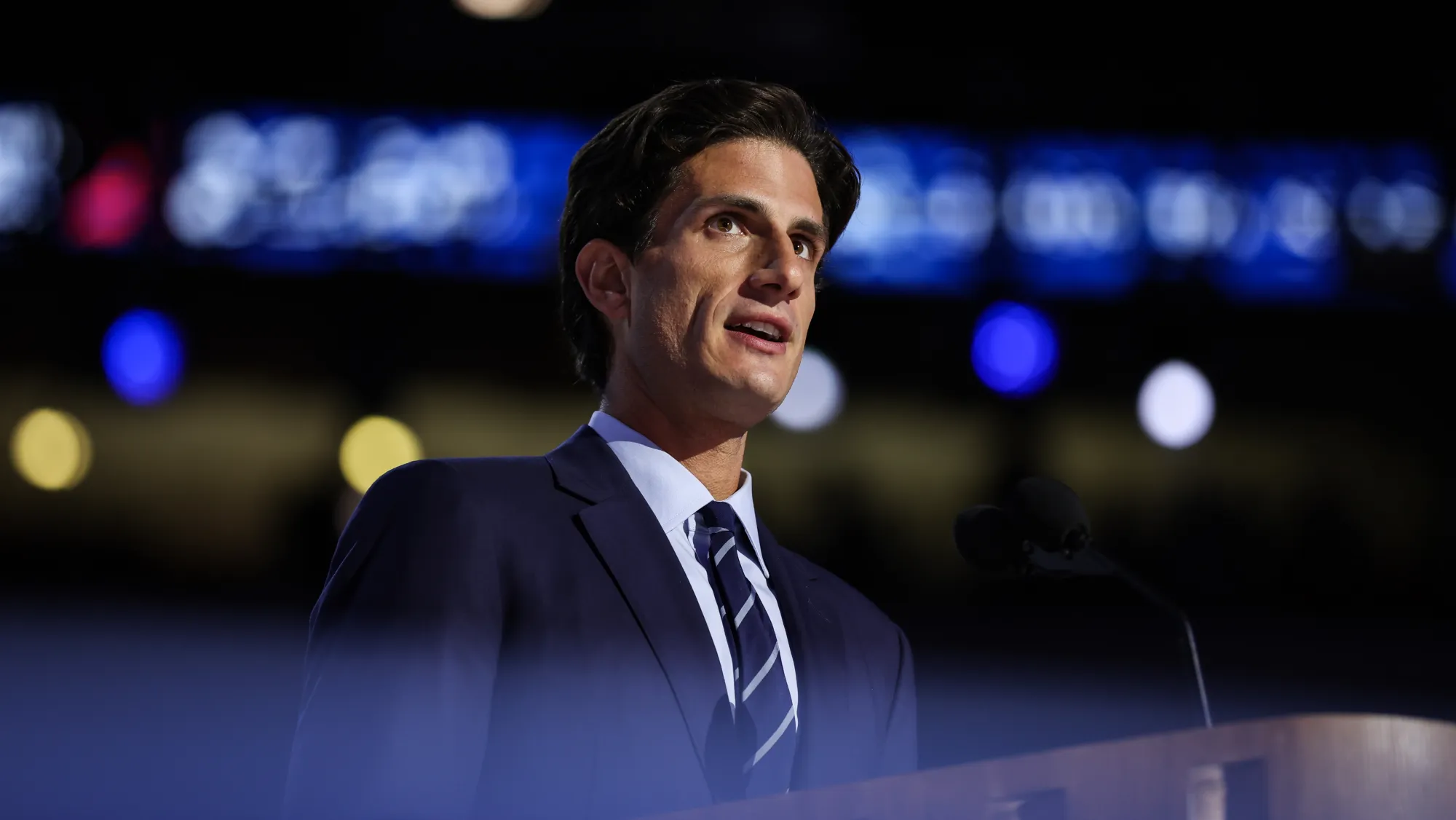
A March poll indicated that Schlossberg held 25 percent of the support among likely Democratic voters in the district, positioning him as a strong contender despite the limited scope of his traditional political experience.
Campaign Challenges and Internal Dynamics
However, reports from sources including The New York Times detail a campaign reportedly beset by internal issues, including significant staff turnover and perceptions of erratic candidate behavior. These challenges arise as Schlossberg navigates a nine-month window to persuade a sophisticated electorate. His policy positions generally align with a centrist Democratic platform, focusing on opposition to former President Trump, advocating for continued U.S. support for Israel’s Iron Dome, and proposing measures such as billing Trump Tower for security costs and halting Trump-era tariffs. He has also adopted the moniker “No PAC Jack,” emphasizing his stance on campaign finance reform.
An anecdote cited by the Times suggests that on the campaign’s inaugural day, while his team was engaged in launch activities, Schlossberg reportedly chose to take a nap, an action that left staff feeling disoriented. This incident, along with frequent dismissals affecting campaign managers, field directors, and numerous advisers, has led to internal consternation. Sources speaking anonymously also express concern that Schlossberg might leverage his substantial social media following, cultivated through provocative posts, to retaliate against dissenting staff. Defenders of Schlossberg point to the normal churn in New York City campaigns and cite the recent death of his sister, Tatiana Schlossberg, as a mitigating factor for any uncharacteristic behavior.
Public Perception and Candidate Response
Further commentary from publications like Vanity Fair has characterized the campaign’s outreach as blending social events at upscale venues with political engagement, aiming to energize younger voters. Schlossberg has addressed the critical media coverage, responding to the nap anecdote with a facetious social media post and appearing on CNN to refute claims he deemed untrue. “There’s a lot in that article that’s not true, but you know how this works: once you’re declared the frontrunner and early voting starts in less than a month, everyone’s got something to say,” he stated, suggesting the scrutiny intensifies due to his frontrunner status.
Needed a quick nap !! Even though I just woke up. Rest of the day / month wide open lmk if you wanna hang ?
Wait nvm changed my mind really busy can’t make it. pic.twitter.com/xVWGnlyOcM
— Jack Schlossberg (@JBKSchlossberg) May 14, 2026
Schlossberg’s campaign narrative is thus far defined by a tension between dynastic appeal and the practical demands of political organization and public scrutiny. His ability to manage internal dissent, project a consistent leadership image, and convert name recognition into tangible voter support will be critical in the coming months.
Business Style Takeaway: The challenges faced by Jack Schlossberg’s congressional campaign highlight a recurring dynamic in politics where perceived privilege and unconventional personal brands can create both opportunities and significant liabilities. For the entertainment and media industries, this underscores the evolving expectations for public figures and the increasing scrutiny on leadership style, even outside traditional corporate structures.
Original article : www.hollywoodreporter.com