

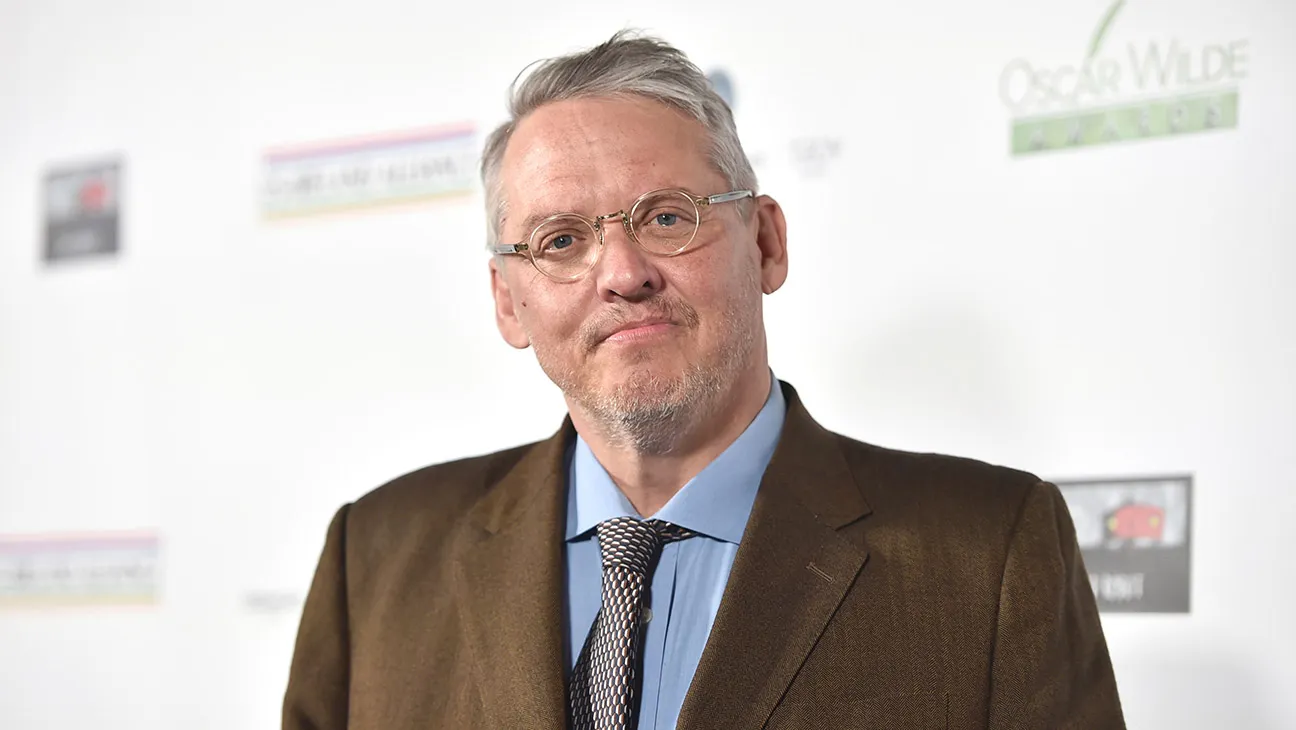
Oscar-winning director and producer Adam McKay has voiced strong criticism of the Democratic Party, particularly its white liberal contingent, following his stated split after the 2024 Presidential election.
Critique of the Democratic Party and “White Liberals”
In a recent episode of the Urgent Futures podcast, McKay articulated his disillusionment, stating, “We are being hit with the high-grade marketing and no group is worse than white liberals. I mean, they are the worst.” He elaborated on his concerns regarding climate change advocacy, observing, “They are so smug and captured. And it boils down to privilege.” According to McKay, affluent white liberals benefit from the existing societal structure, leading to what he perceives as a lack of genuine commitment to progressive change. “I mean, when you talk to white moneyed liberals, they’re getting a lot from this broken system,” he stated.
McKay questioned the continued allegiance to the Democratic Party, citing its perceived failures, such as not convicting Donald Trump despite his actions on January 6th and alleged campaign funding by Hillary Clinton. “It’s incredible to watch people this far down the road still saying, ‘You gotta stand by the Democratic Party.’ The same party that wouldn’t convict Trump of a crime after he told a crowd, ‘Go to the Capitol’ [and] the same party where the previous presidential candidate, Hilary Clinton, literally funded Trump’s campaign,” he asserted.
The director, who has been an active climate change campaigner, also criticized the current administration, noting the failure to declare a climate emergency. He reiterated his belief that these issues stem from privilege and a self-serving mindset within certain liberal circles. “At some point, I realized these are bad faith arguments and conversations,” McKay commented.
McKay further argued that the distinction between Democrats and Republicans is negligible by international standards. “Once you kind of flip that switch and realize white liberals are full on right wingers and the Republicans are extreme right wingers, by any international definition of right/left wing, you can’t support a party that doesn’t want universal health care. The Democrats don’t have that in their party platform. Kamala Harris never brought it up,” he contended.
He expressed skepticism about the efficacy of engaging with the Democratic Party on progressive issues, suggesting a lack of genuine interest from some within the party. “Best of luck to you, because you’re not gonna argue with them. They’re coming from a place of they don’t care. They have privilege. They’re trying to stay in their class, social scene. They’re more worried about their alumnae cocktail hour and not stepping out of place,” McKay added.
His critique extended to a strong denunciation of American white liberals, whom he accused of causing significant damage to the country due to their perceived apathy and inconvenience. “The level of damage those creeps have done to our country, white liberals don’t even want to hear about it, because it’s inconvenient and unpleasant. So yeah, I almost can say I despise American white liberals. They are the grossest of the gross,” he stated.

Media and Creative Projects
McKay also commented on the perceived influence of corporate interests in mainstream media outlets, including MS Now, CNN, The New York Times, and The Washington Post, stating they have been “totally captured by Big Capital.”
Transitioning to his creative endeavors, McKay discussed a noir series he is developing with Sony Pictures TV, tentatively titled “No One to Tell.” The project is inspired by the investigative work of Miami Herald journalist Julie K. Brown concerning Jeffrey Epstein. The series, planned for three seasons, will reportedly follow a former investigative journalist facing challenges in gaining a substantial audience.
Reflecting on the enduring appeal of the film noir genre, McKay drew a parallel to contemporary American society. “If you look at the genres from the past 100 years, film noir is holding up pretty well. A complicated morally gray world, with a cynical anti-hero who’s going to get destroyed by the one thing he actually cares about. Oh my God, that’s a pretty good description of 2026 America,” he concluded.
Business Style Takeaway: Adam McKay’s vocal critique signals a growing ideological rift within Hollywood and among public figures, impacting how political narratives are perceived and potentially influencing strategic alliances within the entertainment industry. His commentary highlights a critical examination of established political structures and the underlying economic and social privileges that may hinder progress, suggesting a need for deeper introspection from both political parties and media gatekeepers.
Details can be found on the website : www.hollywoodreporter.com