

In a significant judicial development, the U.S. Supreme Court has reversed a long-standing legal precedent, substantially increasing the executive branch’s authority over federal regulatory agencies.
The Supreme Court’s decision in *Trump v. Slaughter* effectively nullifies the Humphrey’s Executor precedent, a nearly century-old ruling that had placed limitations on presidential power regarding the removal of heads of independent agencies. The case originated from President Trump’s termination of FTC Commissioner Rebecca Slaughter, which the Court, in a 6-3 vote authored by Chief Justice John Roberts, deemed lawful, thereby reconfiguring the balance of power between the presidency and administrative bodies.
Strategic Implications for Regulated Industries
This judicial pivot carries significant weight for sectors heavily influenced by regulatory bodies such as the Securities and Exchange Commission (SEC), Federal Trade Commission (FTC), and the Federal Communications Commission (FCC) – all key players in the media, entertainment, and technology landscapes. The enhanced executive control over these agencies signals a potential shift in regulatory priorities and enforcement approaches.
Judicial Scrutiny of Agency Power
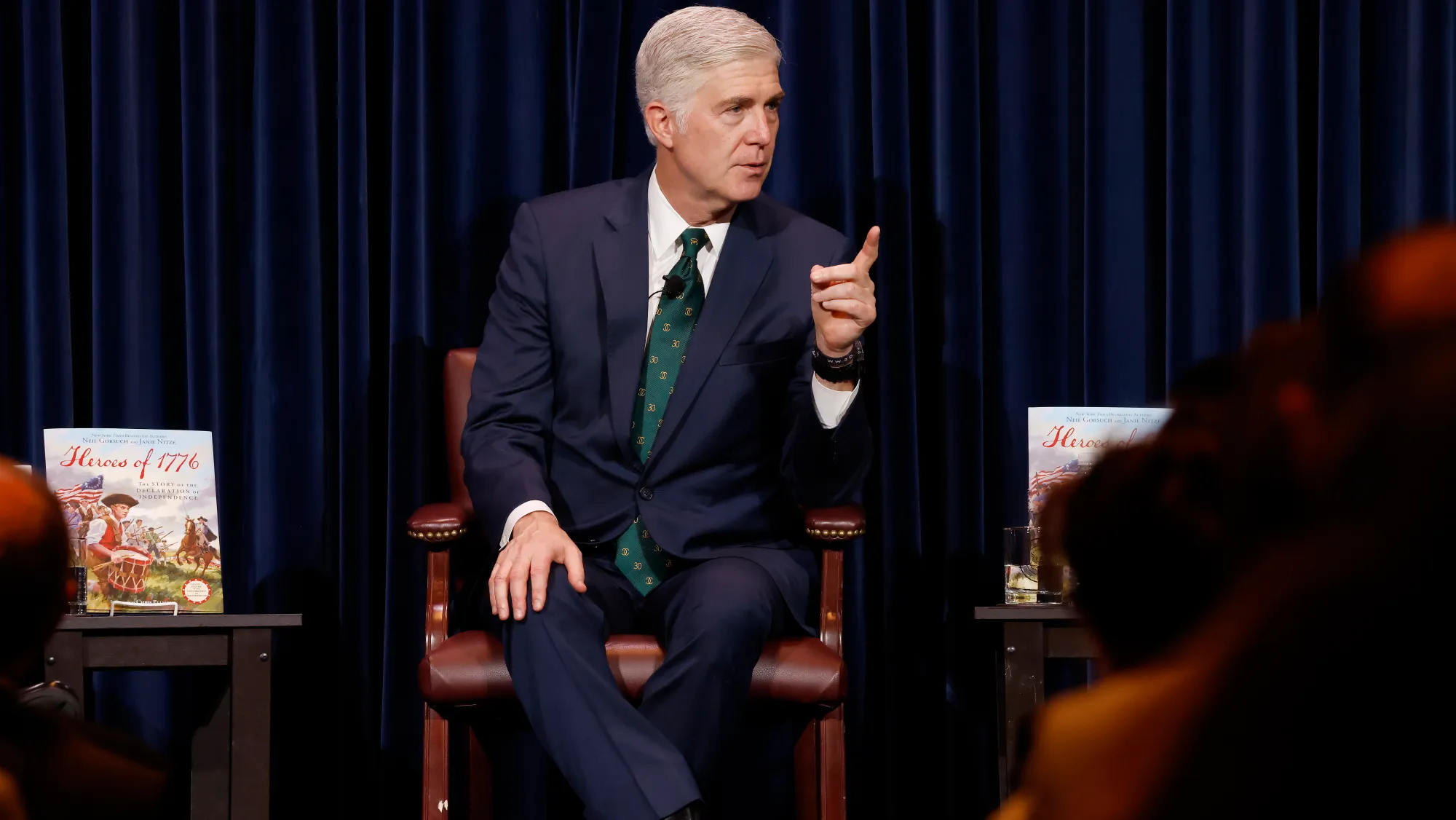
Beyond the direct ruling, a concurring opinion by Justice Neil Gorsuch sheds light on broader concerns regarding the expansive influence of independent agencies. Gorsuch highlighted FCC Chairman Brendan Carr’s public admonishment of ABC’s late-night host Jimmy Kimmel as an example of potential overreach, raising questions about the implications of such actions within the context of increased presidential oversight.
While Chief Justice Roberts’ majority opinion focused primarily on the executive removal power, Gorsuch’s concurrence elaborated on the significant authority wielded by agencies like the SEC and FTC. He pointed to the SEC’s climate disclosure rules and the FTC’s proposed ban on noncompete agreements as examples of agency actions that operate with considerable latitude, often under broad legislative mandates.
Gorsuch specifically referenced the FCC Chairman’s comments regarding on-air remarks by a network personality, suggesting a potential for retaliatory agency action if broadcasting companies did not comply with perceived expectations. This veiled reference to FCC Chairman Carr’s statements concerning Jimmy Kimmel underscores a judicial concern about the use of regulatory power to influence content or retaliate against perceived slights.
The context for Gorsuch’s remarks involves ongoing scrutiny of ABC by the FCC, including an investigation into equal opportunity rules related to *The View* and a review of broadcast licenses. While the FCC maintains these actions are separate from any political commentary, the timing, particularly following presidential criticism of Kimmel, has drawn attention and fueled discussions about potential political motivations behind regulatory actions.
Reassignment of Authority
Justice Gorsuch’s concurrence, while not binding, indicates a judicial perspective wary of unchecked agency power. The ruling fundamentally shifts this power dynamic, concentrating greater authority within the executive branch. Gorsuch’s analysis suggests that while the “fourth branch” of government may be diminished in form, its extensive powers have now been largely reallocated to the President.
He articulates concerns about how this consolidation of power could impact businesses and individuals perceived as “out of favor” with the administration. The potential for coordinated regulatory actions across multiple agencies—from the FTC and Occupational Safety and Health Administration (OSHA) to the SEC—could present significant challenges for entities facing presidential disfavor, regardless of their legal standing.
Business Style Takeaway: The Supreme Court’s decision fundamentally alters the landscape of regulatory oversight, consolidating significant power within the executive branch. This shift necessitates a strategic re-evaluation by corporate leaders, particularly in heavily regulated industries like media and technology, to navigate potential changes in enforcement and policy driven by a more empowered presidency.
Information compiled from materials : www.hollywoodreporter.com