

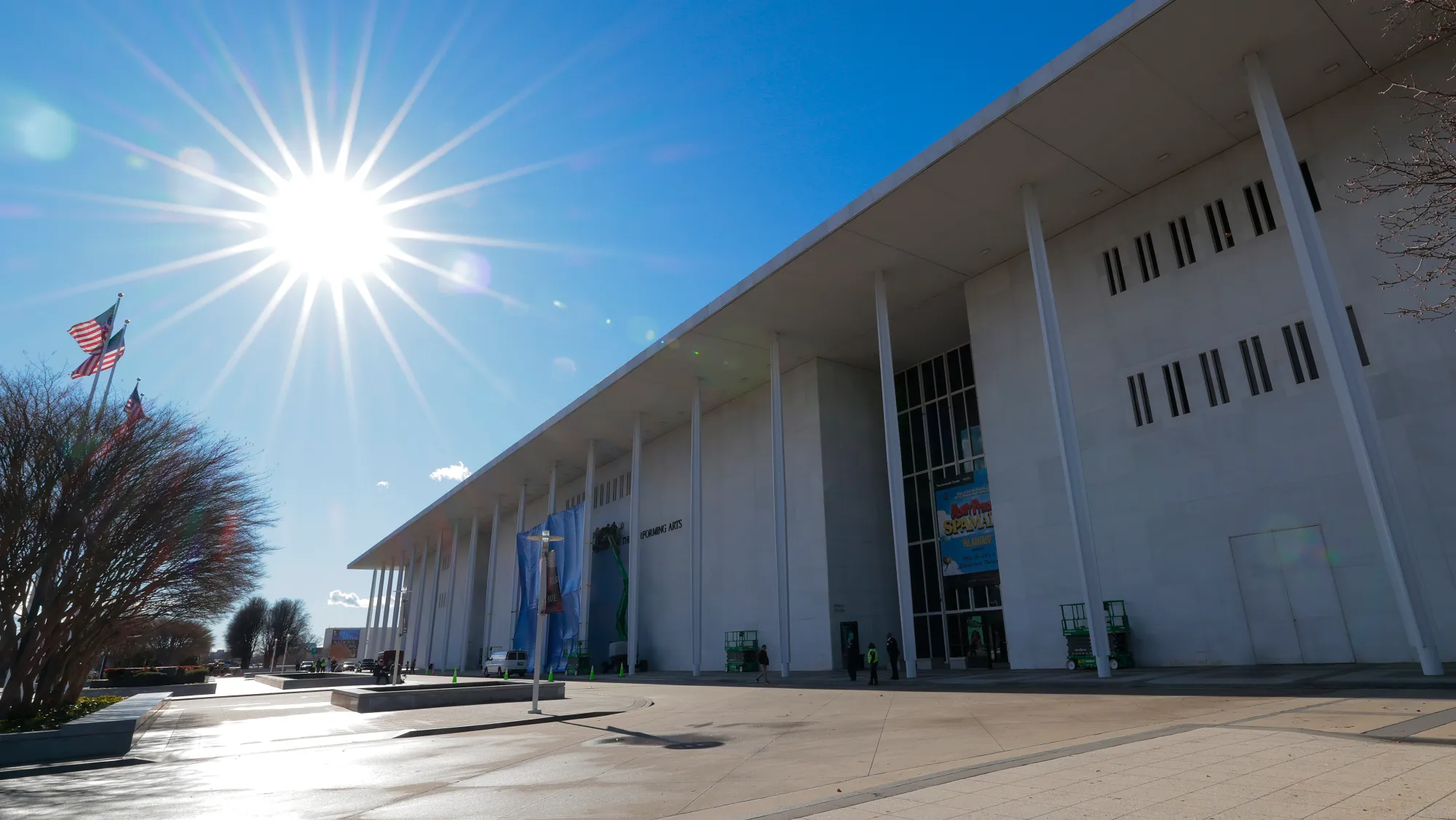
A recent federal court decision has effectively halted the controversial renaming of the John F. Kennedy Center for the Performing Arts and temporarily suspended its planned closure. The ruling, issued by U.S. District Judge Christopher Cooper, deemed the effort to incorporate Donald Trump’s name into the institution’s title as an “unlawful effort.”
The Legal Challenge and Renaming Dispute
The judicial order mandates the removal of all signage bearing the “Trump Kennedy Center” designation within a 14-day period. Judge Cooper’s written opinion emphasized that the John F. Kennedy Center for the Performing Arts was established by federal statute in honor of President John F. Kennedy, and any official renaming would require an Act of Congress. This legal precedent forms the bedrock of the court’s decision against the unilateral rebranding initiative.
Furthermore, the ruling provides a temporary stay against the center’s impending closure, originally scheduled for July 5th, for a two-year renovation period. This halt in proceedings is directly tied to the legal challenge initiated by Congresswoman Joyce Beatty.
Political Maneuvering and Board Dynamics
Congresswoman Beatty, who holds an ex officio position on the Kennedy Center’s Board of Trustees, filed suit after the board, reportedly comprised of members handpicked by Donald Trump, voted in December 2025 to rename the institution. Her legal action was later amended to include the planned closure, announced in February 2025.
Beatty publicly lauded the court’s decision, stating, “Today’s ruling rightly affirms that this administration’s efforts to rename and close the Center have no basis in law. The Kennedy Center is an institution that belongs to the American people, not to Donald Trump. He has desecrated this sacred memorial for his own vanity. I am proud to have fought for the rule of law and to protect this sacred institution.” Her legal challenges arose subsequent to being reportedly barred from board meetings and voting, particularly during the December vote to adopt the “Trump-Kennedy Center” moniker. While she was permitted to attend a subsequent meeting on March 16th, her voting rights remained restricted.
At that March meeting, the board proceeded with a vote to close the center for two years, commencing July 7th, ostensibly for necessary renovations as articulated by Trump. However, this proposed closure followed a series of artist withdrawals and programming cancellations, a direct protest against Trump’s assumption of the chairmanship and his appointment of new board members. These actions had cast significant uncertainty over the center’s future programming schedule.

Strategic Outlook and Industry Implications
The court’s intervention underscores the significant legal and political complexities surrounding the governance and identity of national cultural institutions. By reinforcing the statutory basis for the Kennedy Center’s name, the ruling reaffirms the principle that such designations are not subject to executive fiat or board discretion without congressional approval. The temporary halt to the renovations also signals a pause in a potentially disruptive period for the center’s operations and artistic programming.
This legal victory for Congresswoman Beatty and her allies highlights the power of statutory law and established governance structures in counteracting politically motivated actions. It also sets a precedent for how similar disputes over institutional identity and control might be adjudicated in the future. The implications extend to how political administrations navigate their relationship with congressionally chartered organizations and the public trust they represent.
Business Style Takeaway: This legal resolution demonstrates that even powerful figures face checks and balances, particularly when attempting to rebrand national cultural landmarks for personal or political gain. The case reinforces the importance of adhering to established legal frameworks and congressional intent in maintaining institutional integrity and public trust within the arts and entertainment sectors.
According to the portal: www.hollywoodreporter.com