

A contestant on the recently concluded second season of “I Kissed a Girl,” a British reality dating series, has voiced her concern that the show’s cancellation signifies a troubling trend of diminishing queer visibility in media. “You can take us off the TV, you can take away our queer spaces, but we’re still here,” stated Faye, a 24-year-old participant. The series, which concluded its run on BBC Three, aimed to provide a platform for LGBTQ+ individuals seeking romance.
The show’s production company, Twofour, launched “I Kissed a Boy” in 2023, marking a significant moment as the UK’s first gay dating program. This was followed by “I Kissed a Girl,” and a subsequent all-male season planned for 2025, before the decision was made to discontinue the franchise altogether. The BBC cited “funding challenges” as the reason for ending the series, despite expressing pride in its achievements.
“I Kissed a Girl” garnered positive attention from viewers for its perceived “wholesome” atmosphere, a stark contrast to some other reality dating programs that have faced scrutiny regarding contestant welfare.
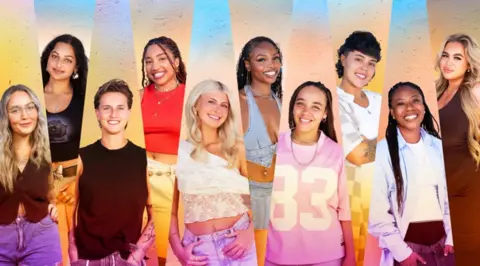
Nikita, another 24-year-old contestant from Leeds, expressed her disappointment but emphasized the gratitude she feels for the experience and the crucial representation it offered. “It is such a shame that the show’s been cancelled but I’m just so grateful that we all got to have this experience and we get to be that representation on the screen, especially because I’m of Indian heritage,” she shared, highlighting the importance of seeing diverse identities reflected in popular culture.
The series, hosted by pop icon Dannii Minogue, transported contestants to a luxurious villa where introductions were made through immediate physical connection, eschewing conventional small talk. Both the male and female versions of the show featured “kiss offs,” a mechanism where couples decided whether to continue their partnership or explore new connections, with those not chosen being eliminated.
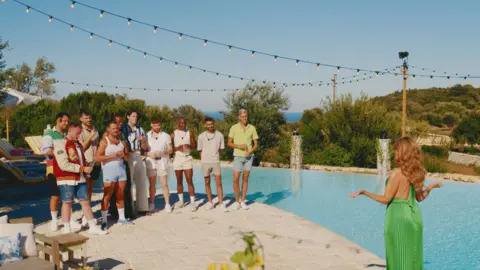
Elise, 24, from Essex, described her experience on the Italian-set show as “surreal,” noting the unusual nature of initiating a romantic connection with a stranger through a kiss. “Obviously, that’s not how normal life goes, so I guess [it was] just trying to get your head around that and knowing that you were going into a safe, good experience,” she commented.
Ashlea admitted to feeling significant apprehension about participating, particularly the prospect of meeting a potential partner. “With the show being axed after this current season, Faye expressed concerns about the impact on the broader LGBTQ+ community, stating, “Bars are taken away, community groups are taken away. It’s concerning because you can’t be what you can’t see.” She further elaborated on the importance of visible representation for younger queer individuals seeking safe spaces, warning that a lack of such visibility risks a regression in social progress.
While acknowledging the “bittersweet” nature of being part of the show’s final season, the cast members consistently emphasized the positive and “incredible” aspects of their time on “I Kissed a Girl.” Ashlea highlighted the profound connections formed between individuals from diverse backgrounds, describing it as “an experience of a lifetime for all of us and something that we will hold together and bond about forever.”

Business Style Takeaway: The discontinuation of shows like “I Kissed a Girl,” despite their cultural significance and positive reception, underscores the challenges faced by niche content in securing consistent funding and broadcast space. For global brands and executives, this highlights the importance of understanding and supporting diverse representation in media, as it not only reflects societal values but also shapes perceptions and fosters inclusivity, crucial elements for achieving authentic resonance with a global audience.
Based on materials from : www.bbc.com