

The journey through medical treatment often strips individuals of their autonomy, impacting not only their physical well-being but also their sense of identity. For Emily Rhodes, a vibrant young model diagnosed with a brain tumour, this reality manifested acutely in her struggle to find clothing that offered both comfort and a semblance of normalcy. Her mother, Joanne Nicholson, recalls the frustration of sourcing outfits that could accommodate Emily’s fluctuating weight and physical discomfort during treatment, noting a stark absence of practical yet dignified apparel.
 BBC/ Emily Johnson
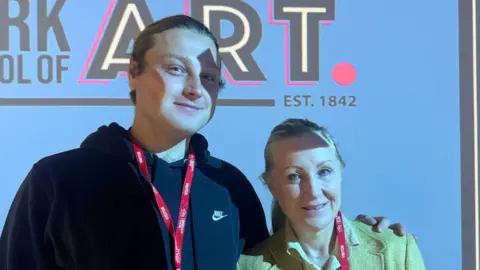
Emily’s passing in April 2019 left a profound void, prompting Joanne to channel her grief into creating a tangible solution for others facing similar challenges. Drawing inspiration from the practical nature of medical attire, Joanne, alongside Emily’s brother Matthew Rhodes, founded EmAble, a fashion brand dedicated to creating accessible clothing. Their mission is to empower individuals undergoing medical treatments by providing garments that offer comfort, ease of wear, and a sense of restored personal control during a vulnerable period.
 Emily Rhodes
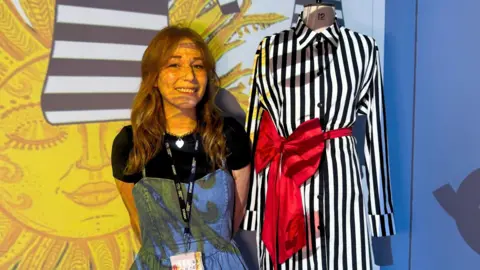
The brand’s inception led Joanne to challenge fashion students at York College to conceptualise an accessible shirt dress. The design brief specifically requested features like hidden zippers and an emphasis on vibrant, uplifting aesthetics. For student Jenny Ackroyd, the project resonated deeply, as she was simultaneously undergoing treatment for kidney cancer. She found the design process demanding, particularly with the weight fluctuations associated with her treatment, but focused on creating a versatile design that could be worn loosely or cinched with a belt.
 BBC/ Emily Johnson
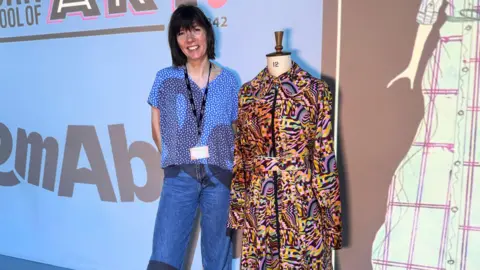
Jenny’s design, her first garment ever made, incorporated four hidden zippers and popper fastenings for ease of use. She expressed deep admiration for Joanne and Matthew, finding their initiative both inspiring and personally therapeutic. Fellow student Sarah Summers embraced the practical nature of the brief, creating a vibrant shirt dress adorned with swirling patterns and seven discreet zippers strategically placed for accessibility. Sarah highlighted the importance of making adaptive clothing that is not only functional but also joyful and desirable, believing that fashion can significantly uplift spirits during challenging times.
 BBC/ Emily Johnson
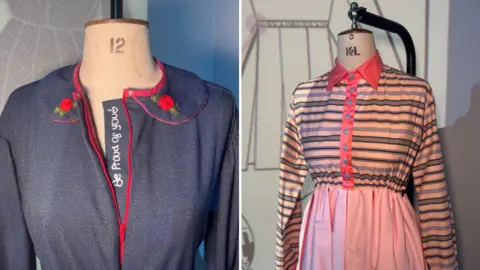
Sarah’s design is versatile enough to accommodate individuals undergoing minor surgeries or those with medical devices such as colostomy bags. The student project showcased a remarkable diversity in creative expression, with each dress featuring unique embellishments like embroidery, bold stripes, and innovative closures such as a large 3D-printed button. Joanne expressed sheer astonishment at the students’ creations, playfully remarking that they might soon take over EmAble themselves.
 BBC/ Emily Johnson
EmAble plans to host a runway show to exhibit the students’ designs and offer them internship opportunities. Matthew articulated the profound significance of this initiative, seeing it as a way to immortalise Emily’s legacy while providing crucial support and dignity to others facing similar health battles. He shared that the project has reignited his sense of purpose following Emily’s death, offering a path forward after years of navigating grief.
Business Style Takeaway: The EmAble story underscores a growing market for inclusive and purpose-driven fashion. Brands that authentically address unmet needs, particularly those rooted in personal experience and social impact, can foster deep customer loyalty and resonate powerfully with a conscious consumer base. For executives, this highlights the strategic advantage of integrating empathy and social responsibility into product development and brand narrative to achieve sustained global relevance.
Based on materials from : www.bbc.com