

A groundbreaking exhibition celebrating contemporary South Asian art has been instrumental in drawing new demographics to a historic art gallery in West Yorkshire.
Bridging Cultures Through Art
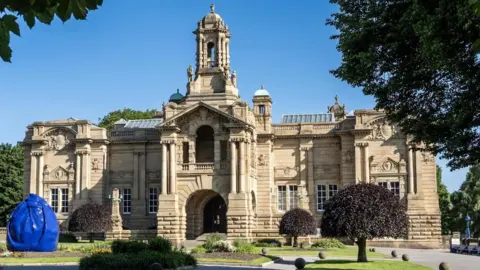
The exhibition, titled “(Un)Layering the Future Past of South Asia,” features compelling works from artists across Afghanistan, Bangladesh, India, Pakistan, and Sri Lanka. Initially launched in London, the collection was thoughtfully adapted for Cartwright Hall in Bradford, a city with a rich industrial heritage.
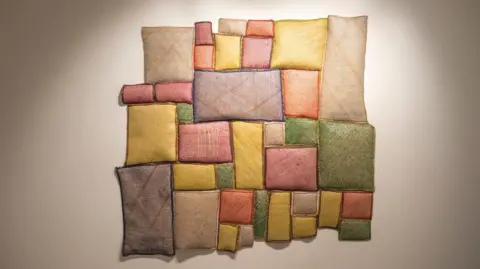
Manmeet Walia, the co-curator, highlighted Bradford’s historical status as the UK’s wool capital as a key factor in integrating textile art into the exhibition. This deliberate choice, she explained, has significantly resonated with and encouraged South Asian communities to engage with the gallery, fostering a deeper connection to their “shared history.”
Walia elaborated that the artists’ pieces utilize mediums such as textiles, film, collage, and video to delve into complex themes including migration, environmental shifts, gender inequality, and the enduring impact of empire, offering a nuanced perspective on contemporary South Asian experiences.
Community Connection and Increased Engagement
The exhibition’s themes have proven particularly impactful in Bradford, a city with substantial South Asian heritage. “Bradford has a majority South Asian population, and many significant migrations occurred here,” Walia observed. “These histories carry the narratives of migration, particularly from the working-class population who arrived to work in the textile mills. We needed to understand how we could connect with these communities. Consequently, there is a greater emphasis on textile works in this exhibition.”
Walia also noted that the exhibition has attracted individuals who might not typically visit art galleries. “We understand that not everyone frequents museums until they truly grasp what’s being presented. However, this exhibition has demonstrably increased South Asian visitor numbers at Cartwright Hall.”
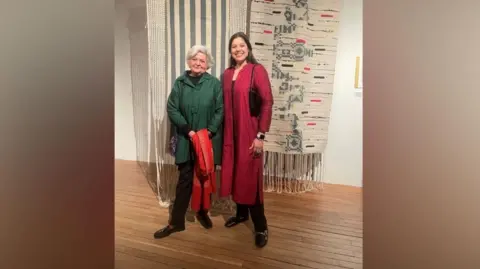
Her preparation for the co-curatorial role alongside Salima Hashmi involved extensive engagement with local residents. “Whenever I visited Bradford, I made a point of speaking with locals, including women, people working in shopping centres, and even Uber drivers,” she shared. “Many would mention visiting Lister Park but rarely stepping into Cartwright Hall. We’ve successfully transformed this into an interest in exploring the museum’s offerings.”
James Steward, museums and galleries manager at Bradford Council, reported a significant achievement: “Cartwright Hall has experienced a remarkable 40% increase in visitors compared to the previous year, fueled by a diverse range of new exhibitions at the venue.” He added that visitor feedback and local consultations confirmed the (Un)Layering exhibition’s crucial role in “reaching new, local audiences.”
Business Style Takeaway: This exhibition’s success underscores the power of culturally relevant programming to engage diverse communities and drive attendance. For global brands and business leaders, understanding and integrating local histories and cultural narratives is essential for authentic connection and market penetration, moving beyond generic appeals to deeply resonant shared experiences.
According to the portal: www.bbc.com