

Systemic Resilience Under Scrutiny
The Federal Reserve’s latest annual stress test has concluded, revealing that the nation’s largest banking institutions possess a substantial capacity to withstand a severe global economic downturn. The aggregate loss-absorbing capability across the 32 assessed banks exceeded $708 billion, a figure demonstrating their resilience while maintaining the ability to continue extending credit to both households and corporations. This scenario, characterized by a projected surge in unemployment to 10%, a precipitous 39% decline in commercial real estate valuations, and a significant 30% drop in residential property prices, tested the fundamental stability of the financial system.
Capital Adequacy Remains Robust
Throughout the rigorous hypothetical downturn, every participating bank successfully maintained its capital ratios above the stipulated minimums. The industry’s common equity tier 1 capital ratio, a critical metric for absorbing financial shocks, experienced a reduction of 1.6 percentage points during the exercise but remained well within regulatory thresholds. Projected losses were distributed across various loan portfolios, with credit card exposure accounting for approximately $200 billion, commercial and industrial loans at $160 billion, and commercial real estate portfolios facing an estimated $75 billion in potential losses.
Regulatory Landscape and Future Implications
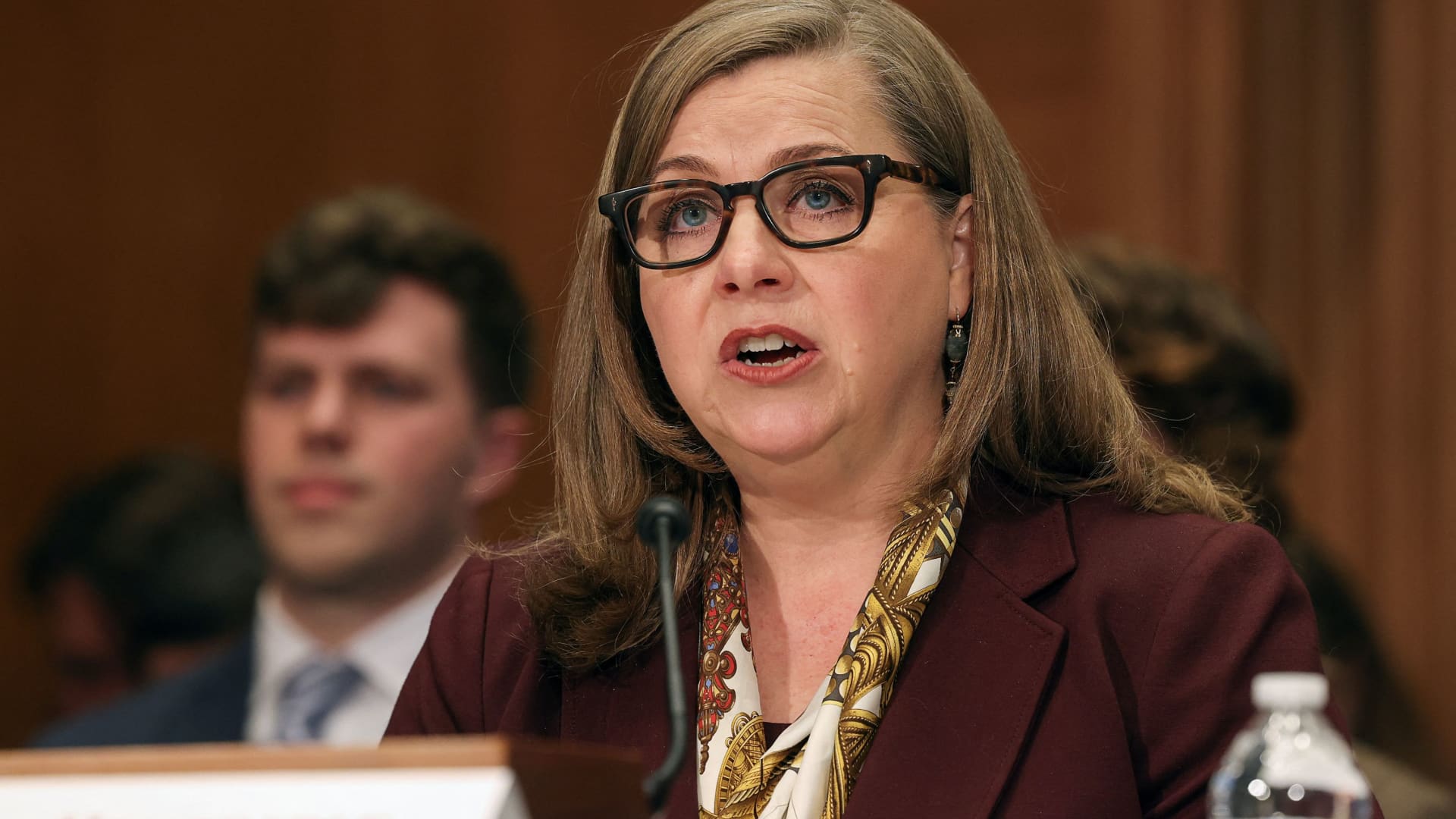
Federal Reserve Vice Chair for Supervision Michelle Bowman highlighted the strength evinced by these results, emphasizing the system’s robustness. However, this year’s stress test diverges significantly from previous iterations, as its outcomes will not directly influence the capital requirements for large banks. Regulators have opted to hold these requirements steady until 2027, a decision stemming from ongoing methodological revisions and in response to industry feedback. This pause suggests a potential recalibration of capital adequacy frameworks, which could fundamentally alter the capital buffers required for financial institutions in anticipation of future economic adversities.
Analyst Perspective and Strategic Focus
Market analysts have characterized this year’s stress test as largely perfunctory, with attention shifting towards the forthcoming Basel III Endgame proposals slated for release later this year. Industry observers, such as KBW analysts, anticipate that the proposed regulatory overhaul will be a more significant driver of strategic capital planning than the current stress test results. Prior to this announcement, KBW had indicated that certain institutions, including Morgan Stanley, Citigroup, Citizens Financial, and KeyCorp, might have experienced more pronounced reductions in their capital buffers had this year’s test outcomes been directly applied to regulatory requirements.
Business Style Takeaway: The Federal Reserve’s latest stress test results confirm the significant capital buffers held by major U.S. banks, signaling a degree of systemic resilience against severe economic shocks. However, the decoupling of these results from immediate capital requirement adjustments indicates a strategic shift by regulators, focusing on a broader framework overhaul that will likely shape future capital management strategies for global financial institutions.
Learn more at : www.cnbc.com