

Agricultural Trade and Rare Earths: Key Outcomes from US-China Summit
The White House has announced significant, albeit somewhat ambiguously detailed, outcomes from the recent high-level summit between U.S. President Donald Trump and Chinese President Xi Jinping. Key among these are commitments from Beijing to substantially increase its purchases of U.S. agricultural products, including soybeans, through 2028, alongside addressing U.S. access to critical rare earth minerals. These agreements represent some of the most concrete results to emerge from the bilateral discussions, which concluded with both leaders agreeing to a follow-up meeting in the United States in September.
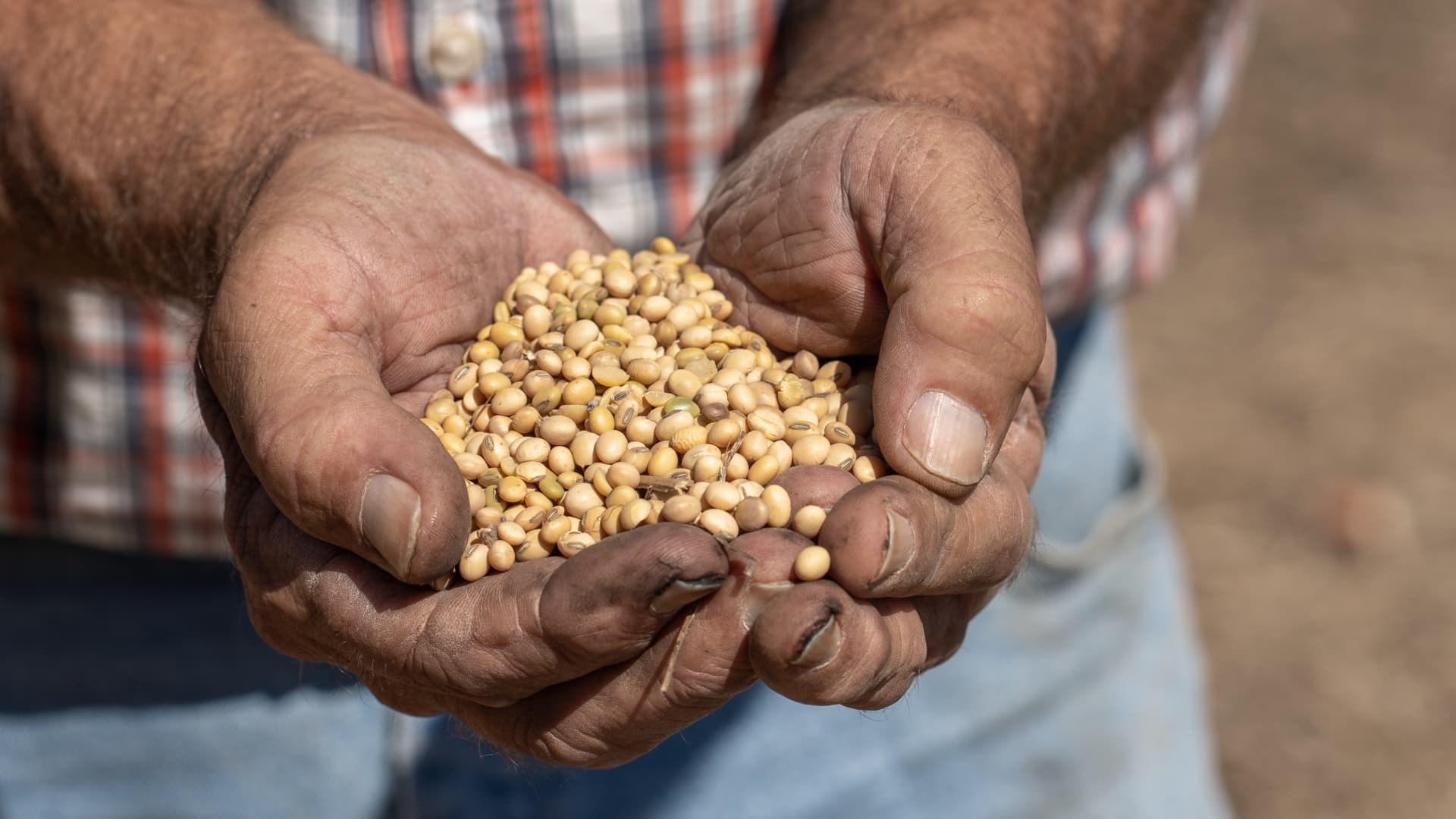
The U.S. statement indicated that China would procure at least $17 billion annually in American agricultural goods until 2028, supplementing previous soybean purchase pledges made in October 2025. This follows a commitment from last fall where China agreed to purchase a minimum of 25 million metric tons of U.S. soybeans each year for the subsequent three years. However, the specifics of the current soybean commitment were not delineated in the latest White House readout. Notably, China has also signaled its willingness to resume imports of U.S. beef and poultry. The Chinese Ministry of Commerce’s statement offered a more generalized approach, emphasizing the promotion of agricultural trade without specifying quantities or explicitly naming soybeans.
Rare Earth Mineral Access and Strategic Implications
A critical element of the U.S. announcement pertains to China’s commitment to mitigate rare earth shortages, specifically impacting elements like yttrium, scandium, neodymium, and indium. China’s dominant position in the global supply chain for these vital minerals, which are indispensable for manufacturing high-tech components in sectors ranging from consumer electronics to defense systems, underscores the strategic importance of this agreement. The Chinese readout, however, omitted any mention of rare earths, creating a divergence in the public messaging surrounding this sensitive issue.
Market and Geopolitical Analysis
From a geopolitical perspective, the summit’s outcomes have been described as “underwhelming,” yet analysts suggest a trajectory of “incremental” improvement in U.S.-China relations is likely to persist as long as President Trump remains in office. Jacob Shapiro, a geopolitical advisor, posited that following the current administration, future U.S. leadership may adopt a more assertive stance towards China. This dynamic, he argued, could lead Beijing to adopt a more conciliatory posture in the interim, managing relations to its advantage over the next few years while preparing for potentially more challenging diplomatic landscapes.

Both the U.S. and Chinese delegations acknowledged the establishment of joint boards focused on trade and investment to foster ongoing dialogue. China alluded to potential tariff reductions as part of these plans, a point not explicitly addressed in the U.S. statement. Furthermore, the U.S. highlighted a significant agreement for China to purchase 200 Boeing aircraft, a deal broadly confirmed by Beijing, which also stated the U.S. would ensure the supply of necessary engines and components. This transaction is particularly noteworthy given China’s efforts to develop its domestic aviation industry, which remains reliant on foreign-supplied parts.
Business Style Takeaway: The recent U.S.-China summit yields tangible, albeit selectively disclosed, agreements impacting vital sectors like agriculture and critical minerals. Investors and global businesses should monitor the precise implementation details and potential geopolitical shifts that could influence trade flows and supply chain stability in these key commodities.
Based on materials from : www.cnbc.com