

The S&P 500 demonstrated resilience on Friday, largely dismissing geopolitical tensions stemming from exchanges between the United States and Iran in the Strait of Hormuz, as the benchmark index ascended beyond the 7,400 mark for the first time. The prevailing sentiment among traders in prediction markets suggests a continued upward trajectory for equities.
Despite an impressive rally of over 16% from its late March lows, participants on Kalshi are pricing in a 59% probability that the broad market index will surpass 8,000 by year-end. This implies an additional 8% gain from current trading levels, a notable acceleration given that the 7,000 threshold was only breached in January.
This bullish outlook is not confined to prediction markets. In a recent research note, RBC strategists elevated their 12-month forward price target for the S&P 500 to 7,900. Lori Calvasina, Head of U.S. Equity Strategy at RBC, highlighted that the median and average of the bank’s five valuation models point to an even higher target of 8,100, suggesting potential upside beyond their stated forecast.
Market Reaction to Geopolitical Events
Equities have notably shrugged off the implications of a potentially prolonged closure of the Strait of Hormuz—a vital artery for global crude oil supply—and the specter of renewed conflict between the U.S. and Iran.
Instead, investor focus has decisively shifted towards the accelerating buildout of artificial intelligence infrastructure. This technological wave is not only propelling the stock prices of key players but is also serving as a significant driver of earnings growth and stimulating private investment, thereby bolstering Gross Domestic Product (GDP).
Expert Analysis on AI and Market Momentum
“The artificial intelligence technology narrative has simply become too dominant, overshadowing other market influences,” commented Peter Boockvar, Chief Investment Officer at OnePoint BFG Wealth Partners. He further noted that the market exhibits a strong desire to participate in any potential rally, particularly in anticipation of a U.S.-Iran peace agreement, even though substantial gains have already materialized since the initial ceasefire announcement. “Momentum,” he observed, “has a life of its own.”
Keith Lerner, Chief Investment Officer at Truist Wealth, contextualized the market’s robust advance by contrasting it with the preceding period of range-bound trading experienced by major U.S. indices from late October through March. Current S&P 500 levels represent approximately a 7% increase compared to its initial October highs.
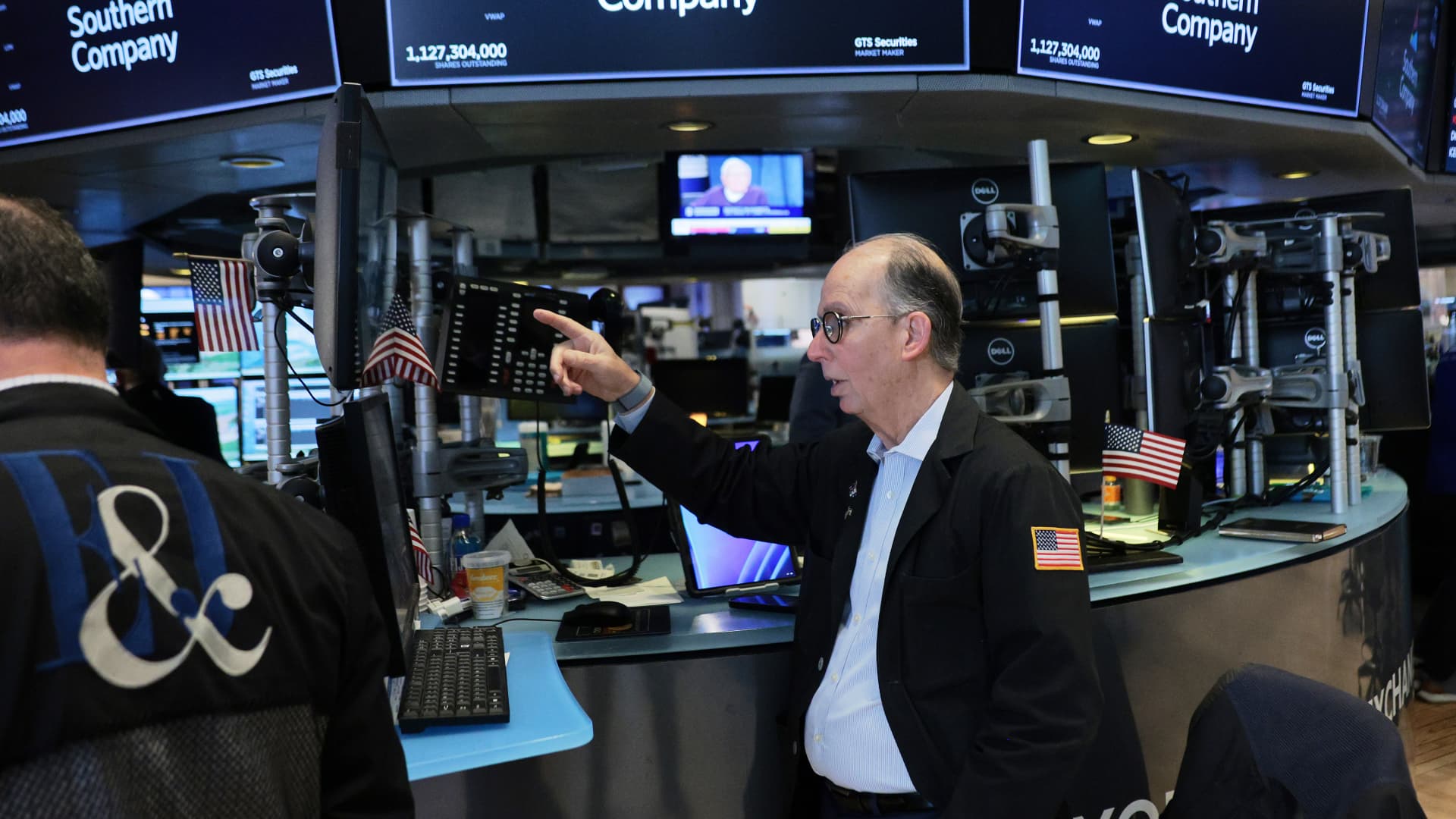
Boockvar cautioned that while market indices may not reflect it, Iran remains a latent risk factor. He pointed to pockets of weakness in certain consumer-facing sectors as evidence of isolated economic vulnerabilities that could pose a broader market threat.
Lerner concurred that the geopolitical concerns surrounding Iran have not entirely dissipated. However, he posited that the threshold for these events to derail the current rally is now considerably high, likely necessitating a significant surge in oil prices beyond their late March peaks to trigger a substantial market downturn.
“The impact would need to be material,” Lerner stated, “otherwise, investors are poised to swiftly re-enter the market.”
Business Style Takeaway: The current equity market rally is overwhelmingly driven by the artificial intelligence sector, demonstrating a powerful investor conviction that is currently eclipsing traditional geopolitical risks. Global investors should monitor the sustainability of AI-driven growth and the potential for a material shift in oil prices as key determinants of future market direction.
According to the portal: www.cnbc.com