

When Serena Williams made her highly anticipated return to Centre Court for her first Wimbledon singles match in 1,397 days, the crowd responded with a standing ovation.
However, for the 23-time Grand Slam champion and widely regarded as the greatest of all time in women’s tennis, her reappearance at The All-England Club was short-lived.
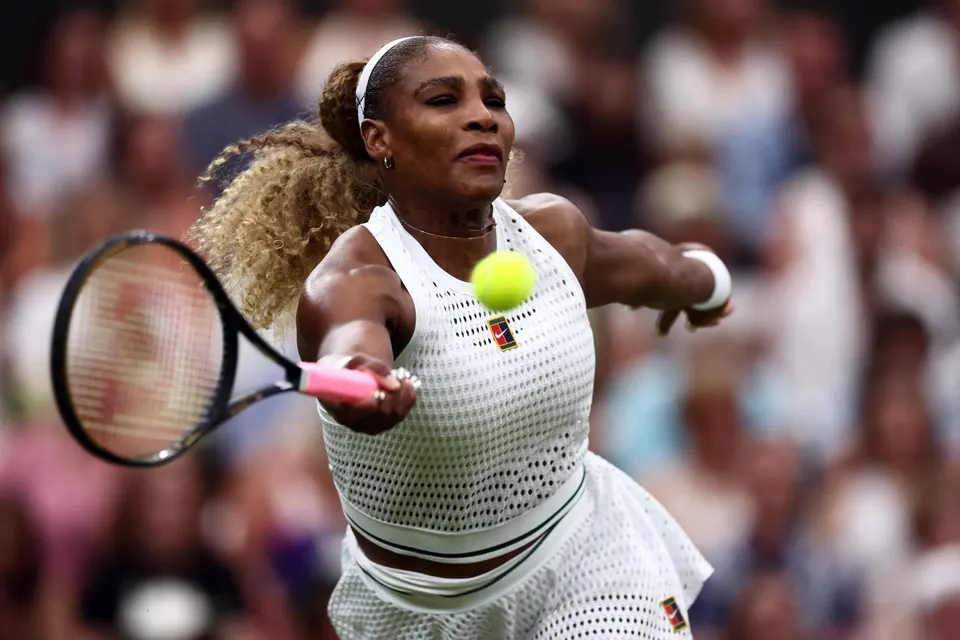
Competing in her first professional singles match in nearly four years, the 44-year-old mother of two displayed a competent serve but showed signs of rust in other areas of her game. She ultimately fell to world No. 53 Maya Joint, with a final score of 6-3, 6-7(6), 6-3 in the opening round.
Joint, a 20-year-old Australian player, had a challenging season leading up to Wimbledon, having lost 15 of her previous 18 matches in 2026, including an 11-match losing streak entering the tournament. Her last victory prior to this match was on January 12.
“I’m honestly struggling to find the words right now,” Joint commented on court. “To be completely honest, I’m not entirely sure what just happened.”
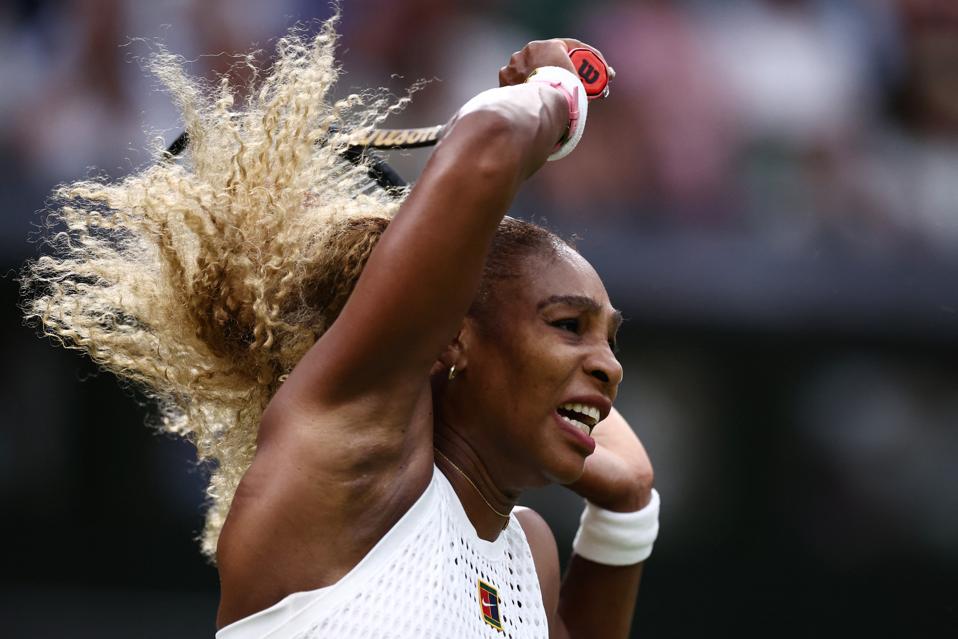
Despite the outcome, Williams showcased her signature fluid service motion and powerful serve, delivering a 121 mph ace up the T in the first set. She even recorded a 122 mph serve during the tiebreak.
However, she faced difficulties with her service return timing and made uncharacteristic errors from the baseline, mistakes she rarely committed during her last Wimbledon triumph a decade ago. Nevertheless, she appeared to gain confidence and momentum as the match unfolded.
The disparity in age and experience between the two competitors was significant.
Williams had already secured seven Grand Slam titles before Joint was even born. Furthermore, Williams had claimed seven Wimbledon championships and earned two Olympic gold medals in singles and doubles on Centre Court.
Conversely, Williams had not won a major championship since the 2017 Australian Open and had not reached a major final since the 2019 U.S. Open.
“Serena played exceptionally well today,” remarked her friend and former world No. 1, Caroline Wozniacki, during an interview with ESPN. “While we all hoped for her to advance, she displayed moments of sheer brilliance.
“You could observe her internal battle, the struggle to find her usual effortless rhythm, but as the match progressed, I felt she improved steadily… She seemed to run out of steam towards the end, but overall, I thought it was a very strong performance.”
In contrast, Joint rose to the occasion when facing Williams.
In the pivotal third set, Williams secured an early break to take a 2-1 lead when Joint sent a forehand long.
However, she subsequently lost three consecutive games, resulting in a break of serve at 4-2 against her.
While serving for the match at 5-3, Joint committed a double fault on her first match point.
Yet, on her second opportunity, she struck a service winner that Williams returned wide.
“To be completely candid, I didn’t get much sleep last night,” Joint confessed. “I was awake until around 2 a.m., simply contemplating this moment.
“She possesses such an imposing presence; she is an absolute legend, and this court has witnessed so many iconic players. I’ve been dreaming of this opportunity since childhood, so this is truly surreal.”
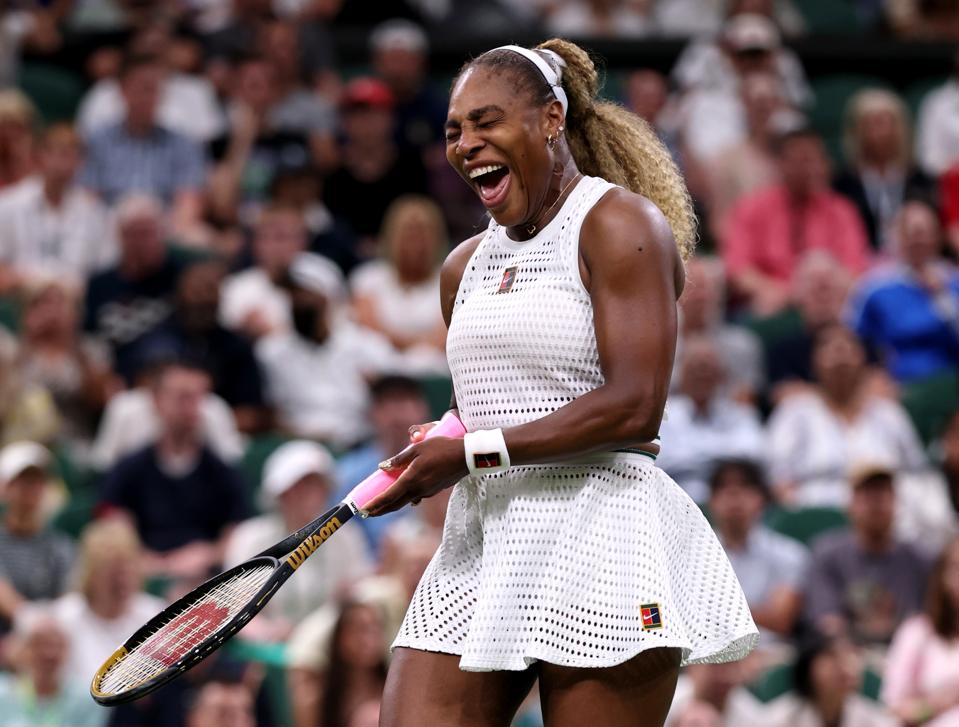
Serving at 2-all in the first set, Joint successfully defended two break points to hold serve and lead 3-2.
When Williams was serving under significant pressure at 3-4, she was broken for the second time, hitting a backhand into the net to trail 3-5.
Joint then closed out the first set with a crosscourt forehand winner.
In the second set, Joint immediately broke Williams’ serve to establish a 1-0 lead, capitalizing on a backhand winner up the line.
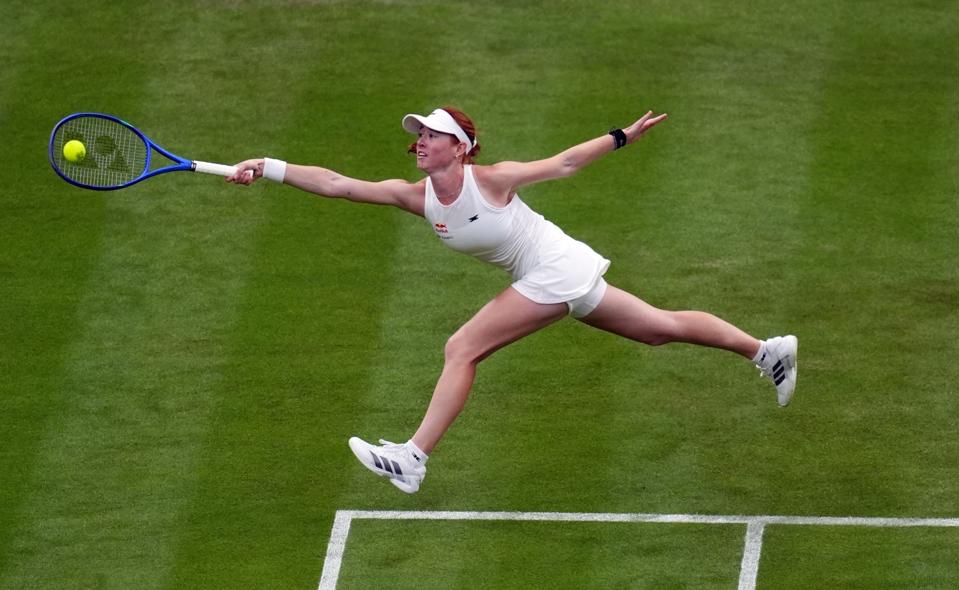
Joint then saved a break point to extend her lead to 2-0 in the second set.
While Joint was serving at 2-1, Williams hit a forehand long, giving the Australian a 3-1 advantage.
However, Williams broke back with a powerful forehand winner up the line that electrified the crowd, leveling the score at 3-all.
Williams immediately surrendered the break but managed to break again and then held serve to lead 5-4. She appeared to be gaining experience and confidence as the match progressed.
Serving at 5-all, Williams faced a 0-40 deficit before mounting a comeback to win a lengthy game and lead 6-5.
In the tiebreak, Williams successfully defended a match point at 5-6 but ultimately lost the set when Joint hit a forehand long on set point.
Had Williams secured a victory on Tuesday, she would have become the fourth-oldest woman to win a main-draw match in the Open Era. Martina Navratilova holds the record for the oldest at 47, achieved at Wimbledon in 2004.
Williams is scheduled to compete in doubles on Wednesday alongside her older sister Venus, who is 46.
It remains uncertain whether she will participate in singles matches on the hardcourt swing leading up to and including the U.S. Open.
“I believe she can make a comeback; I wouldn’t say Top 10, but I could certainly see her re-entering the Top 100 or Top 50 quite comfortably,” Mary Joe Fernandez stated on ESPN.
Business Style Takeaway: Serena Williams’ return to professional tennis, despite a first-round exit, highlights the enduring power of established brands and the strategic decisions involved in managing athlete comebacks. This event underscores the market’s continued interest in iconic figures, even in the face of evolving competition and the challenges of maintaining peak performance.
Based on materials from : www.forbes.com