

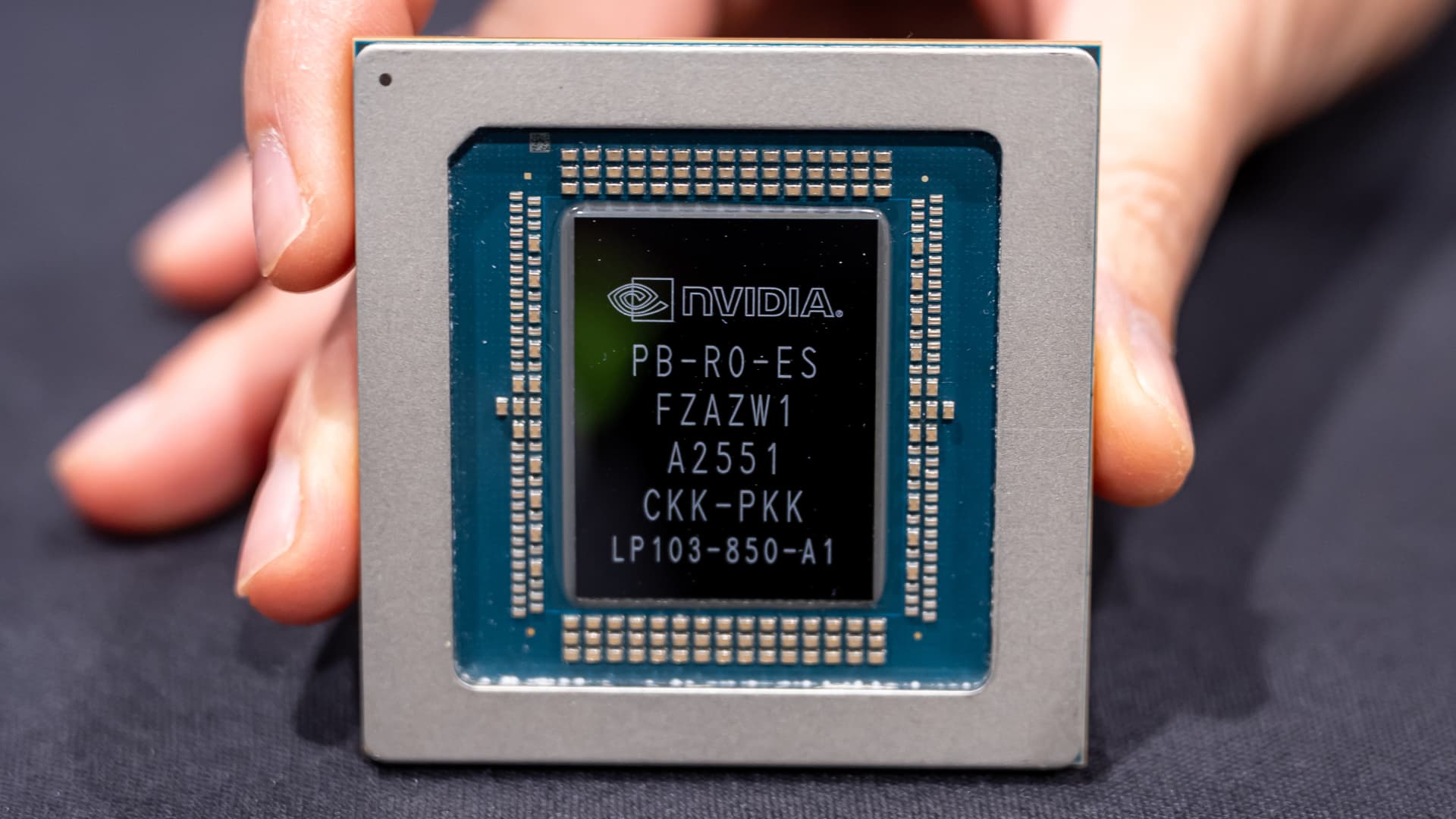
An innovative initiative is underway to establish a formalized futures market for artificial intelligence computing power, aiming to mirror the established derivatives landscape of traditional commodities. Silicon Data has developed a series of indices that meticulously track the real-time hourly rental costs for specific Graphics Processing Units (GPUs) across various providers. The aspiration is for these benchmarks to serve as the foundational pillars for a robust futures market, analogous to how West Texas Intermediate crude oil underpins the global energy derivatives complex.
The successful implementation of such a compute futures market hinges on the active participation of both buyers and sellers. Corporations acutely sensitive to escalating compute expenditures could leverage these contracts to hedge against potential price surges. Conversely, providers possessing substantial computing capacity could mitigate the downside risk associated with price depreciation.
The significance of Silicon Data’s benchmarks is already gaining traction, evidenced by their inclusion in critical corporate filings. SpaceX, for instance, incorporated the company’s GPU rental rate data into its public offering prospectus, signaling growing recognition of compute cost volatility as a material factor.
Market Dynamics and Speculation
Beyond risk mitigation, the proposed market is anticipated to attract speculative capital. Traders, irrespective of their direct need for GPU resources, would participate based on their outlook for future compute pricing trends. Proponents of speculation posit that it is crucial for enhancing market liquidity and refining price discovery mechanisms. However, critics raise concerns that excessive speculation could exacerbate price volatility and create a disconnect between market prices and underlying demand fundamentals.
The role of speculators is acknowledged as integral to the market ecosystem, complementing natural hedgers and market makers. Their active participation allows for the expression of diverse market views, contributing to the formation of efficient price discovery for the broader industry. This ability for traders to express informed opinions on supply and demand dynamics is seen as a vital mechanism for price setting across the AI compute sector.
The anticipation of a regulated futures market has spurred preliminary interest from asset managers, with filings for Exchange Traded Funds (ETFs) already submitted. This suggests a burgeoning investor perception of AI compute as a distinct, tradable asset class, moving beyond its traditional role as a mere technological input.
Standardization Challenges in AI Compute Benchmarking
A significant hurdle in establishing a viable futures market for AI compute lies in its inherent lack of standardization, a stark contrast to homogeneous commodities like oil. Silicon Data highlights the complexity, noting that even within a single chip model, such as Nvidia’s H100, there exist over 50 distinct configurations. Pricing variables are multifaceted, encompassing factors such as processor specifications, memory capacity, networking infrastructure, utilization rates, and the geographic location of data centers.
For a futures market to function effectively, participants must possess confidence that a unified benchmark can accurately encapsulate these diverse variables. The process involves normalizing disparate price data points to a standardized H100 baseline, a technically intricate procedure that precedes the index calculation itself.
Industry observers note that standardization has historically been a critical challenge for all futures markets. Drawing parallels, the precise grade of corn is defined for corn futures; similarly, compute markets must meticulously define the precise specifications of the compute power being traded. Regulatory bodies will undoubtedly scrutinize these contract specifications, settlement procedures, and benchmark methodologies before granting approval for market launch.
Business Style Takeaway: The development of AI compute futures signals a maturing market where scarcity and demand are becoming quantifiable and tradable. Investors and corporations should monitor this evolving landscape, as it presents new avenues for hedging operational costs and speculating on the future growth trajectory of the AI infrastructure sector.
Learn more at : www.cnbc.com