

INDIANAPOLIS – The Indiana Pacers had a clear preference for retaining their protected first-round draft selection in the upcoming offseason. This sentiment has been evident, even following their unfortunate outcome in the draft lottery.
However, their acquisition of Ivica Zubac, a player deemed worthy of the pick, also holds significant value for the team. Zubac, recognized for his All-Defense capabilities in 2025, was traded from the Los Angeles Clippers to the Pacers in February. Indiana’s general manager, Chad Buchanan, identified Zubac as the team’s primary target immediately after the trade.
“We are very impressed with Zubac, his suitability for our team, his age, his performance, his character, and his impact on the locker room culture, among other factors,” Buchanan stated. “He was a highly obvious candidate for us to pursue.”
These attributes are highly beneficial for a team focused on immediate success. Zubac’s defensive prowess and rebounding abilities represent crucial skill enhancements for the Pacers. Unfortunately, the center played only five games for the blue and gold this season due to various injuries, averaging 11.6 points and 7.2 rebounds per game during that limited period.
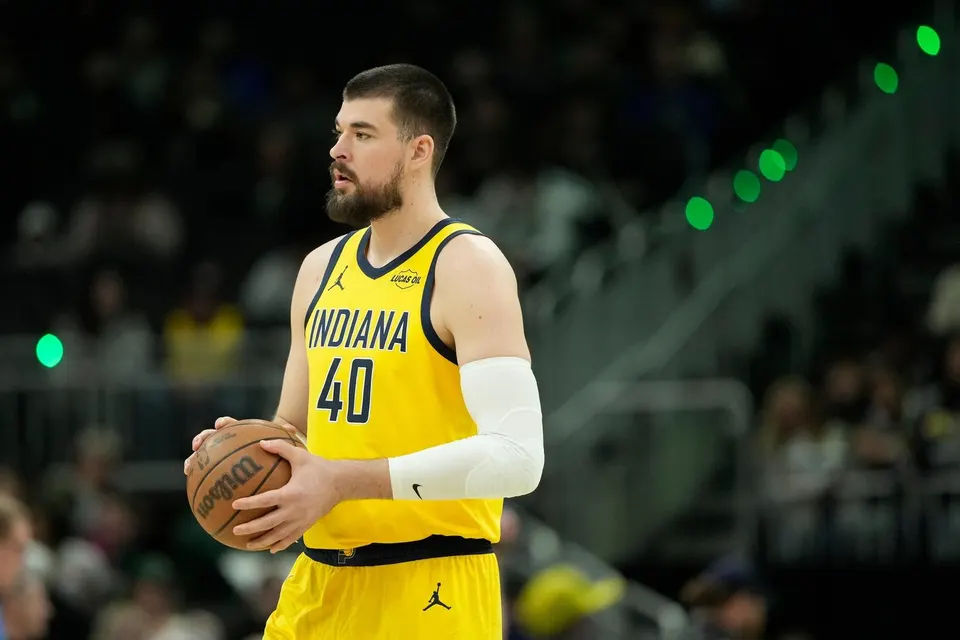
Indiana has yet to witness Zubac playing alongside his new All-Star teammates, Pascal Siakam and Tyrese Haliburton. He did have brief playing time with other starters, Andrew Nembhard and Aaron Nesmith, but drawing definitive conclusions from his short tenure in Indianapolis proved challenging. The Pacers anticipate Zubac will integrate quickly next season.
Zubac’s performance level was the primary driver behind the Pacers’ pursuit of him via trade, a point emphasized by multiple team executives in the months following the transaction. Buchanan reaffirmed this sentiment during a recent radio appearance on The Ride With JMV (107.5 The Fan).
He also provided additional context regarding the salary cap implications of the trade. Despite being considered a top-10 center in the NBA and one of the league’s premier defenders at his position, Zubac’s contract carries a cap hit of under $22 million for each of the next two seasons. For perspective, the ten highest-paid centers last season each earned over $32 million, placing Zubac’s salary at 20th among centers.
Why is Ivica Zubac’s contract so good for the Pacers?
Teams universally seek maximum production relative to salary, particularly within the current NBA salary cap landscape. The recent implementation of the first and second apron restrictions in the Collective Bargaining Agreement has amplified the importance of every dollar. The league is increasingly becoming a “contracts league,” and Zubac represents a highly valuable contract.
Had Zubac commanded a higher salary, two consequences would have arisen. Firstly, his trade and salary cap value would have been diminished by default. Secondly, the Pacers would have needed to send out more salary in the trade to acquire him. Their ability to secure Zubac involved trading Bennedict Mathurin, whose contract was expiring, and depth center Isaiah Jackson, whose salary matched the outgoing requirement to the Clippers.
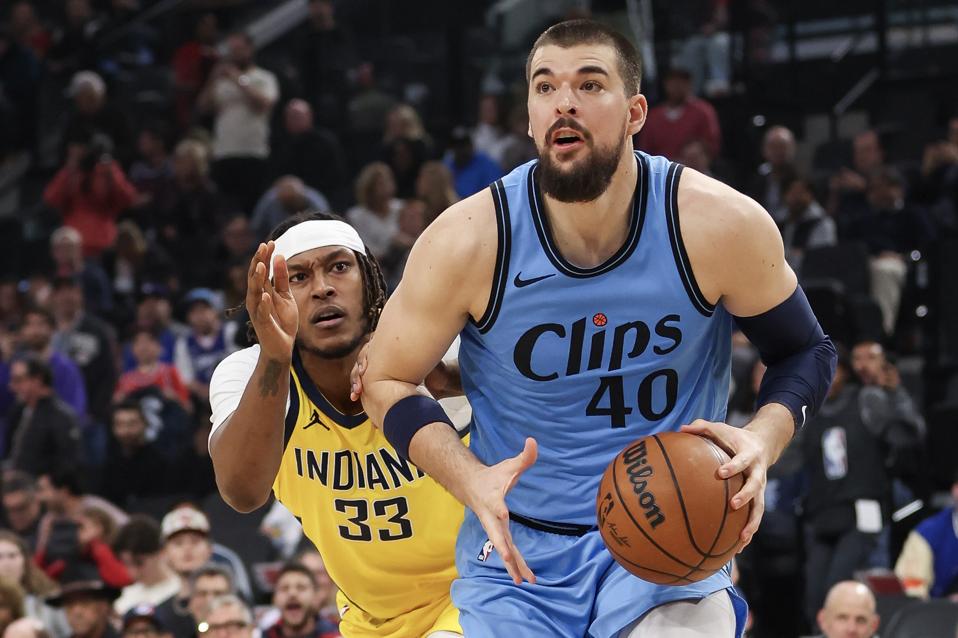
If the Pacers had delayed the trade for Zubac until the offseason, the exact deal would not have been feasible. Mathurin’s contract expires after June, precluding a trade once the regular season concluded. Jackson’s salary is set to decrease in the upcoming season. Consequently, other Pacers players would have been involved in the transaction had the team waited to acquire Zubac.
Buchanan addressed this during his radio interview: “This was a decision supported by everyone on the team. As I mentioned, we remain enthusiastic about this group. Nothing has changed regarding the transaction. Some of the alternative options moving forward, had we waited until this summer, would have necessitated sacrificing some of our core players due to our cap situation. We were unwilling to do that.”
“With Tyrese returning and Pascal still in his prime, we did not want to maintain the status quo heading into next year,” he added. “We are significant admirers of Zu, and that sentiment remains. It’s the reason we executed the trade.”
While Buchanan did not explicitly identify any core players, Team President of Basketball Operations Kevin Pritchard offered a clue during the NBA Draft Lottery. “We felt some pressure at the trade deadline to make that trade because of contracts and our desire to ensure we retained our top seven players,” he remarked. The team’s current top seven likely includes their starting five (Haliburton, Nembhard, Nesmith, Siakam, and Zubac), along with key reserves Obi Toppin and T.J. McConnell. Had the Pacers waited until the offseason, one of these players would almost certainly have been part of the deal to balance the salaries, or more draft capital would have been required to acquire a high-caliber starter.
Assembling this core group while maintaining a healthy roster salary structure demanded a bold trade, which the Pacers executed. Buchanan reiterated that Zubac’s production and age were the primary factors, but also acknowledged that his contract alignment was a critical consideration.
The Pacers now possess a core talent group they are pleased with and a manageable salary cap situation. Furthermore, they retain resources and tradable assets to enhance their depth during the offseason.
“When you look at the teams still competing [in the playoffs], they all feature very strong starting fives. You need five capable starters to make a deep playoff run,” Buchanan observed. “We cannot expect to contend for a championship if there is a deficiency at one of those positions.”
This strategic imperative underscores the rationale behind the Pacers’ acquisition of Zubac. They believe he is instrumental to their immediate winning aspirations. His advantageous contract may also facilitate the addition of further talent to the roster.
Business Style Takeaway: The Indiana Pacers’ acquisition of Ivica Zubac highlights a strategic focus on securing high-impact players on team-friendly contracts, particularly within the NBA’s evolving salary cap environment. This move demonstrates a proactive approach to building a championship-contending roster by balancing immediate talent needs with long-term financial flexibility, allowing for future roster enhancements.
Based on materials from : www.forbes.com