

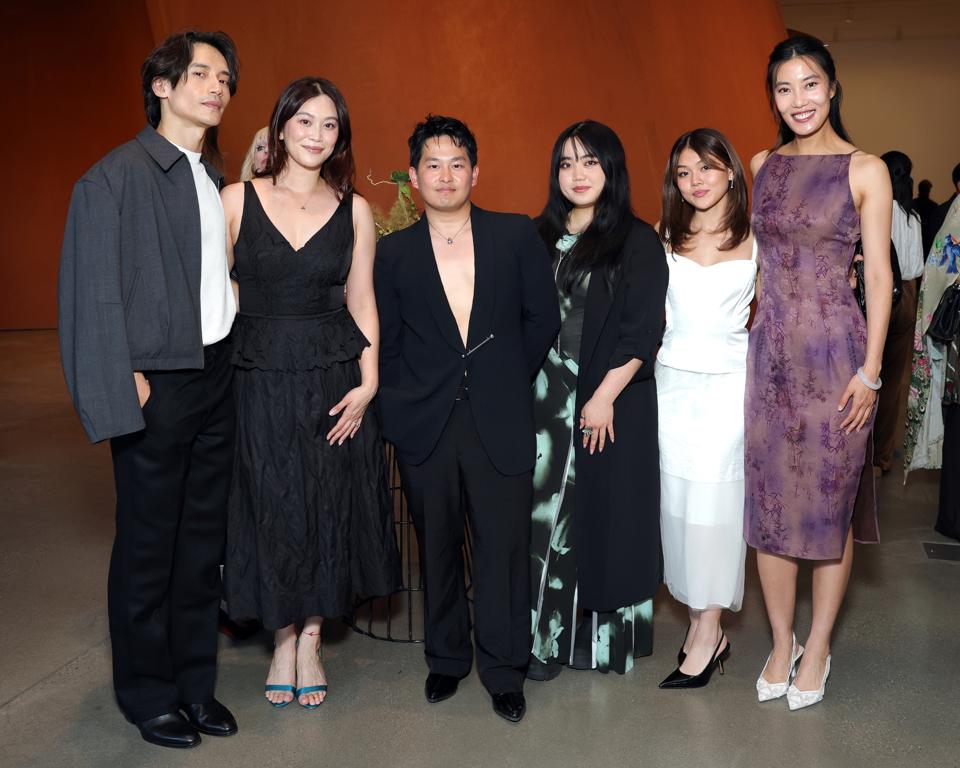
The Los Angeles County Museum of Art (LACMA) and Timid Magazine hosted a celebratory event on June 10th to mark the opening of the exhibition “Fashioning Chinese Women: Empire to Modernity.” The gathering brought together a notable group of Asian Pacific artists, actors, and content creators.
Exhibition Design and Curation
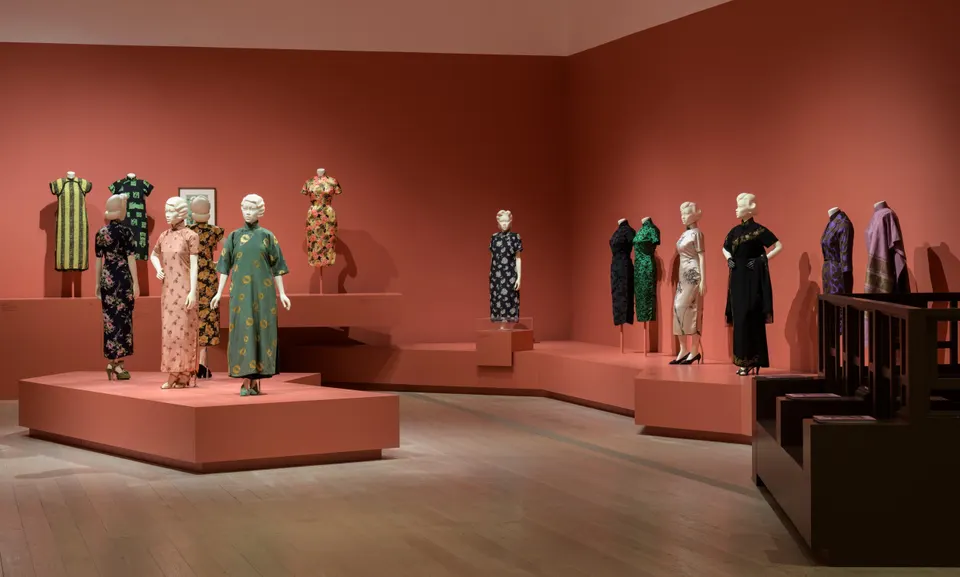
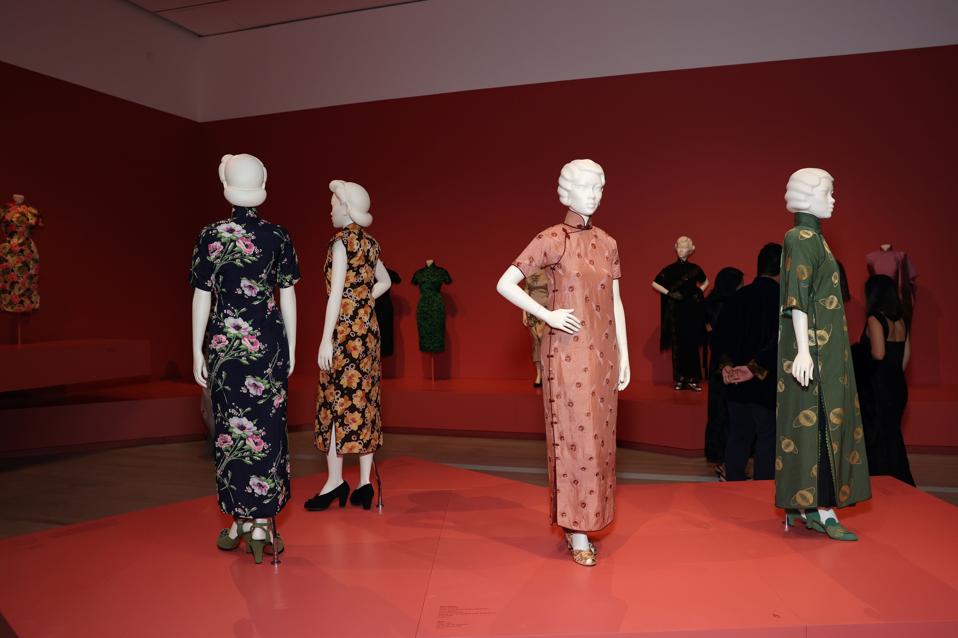
The exhibition’s architectural design was conceptualized by the firm Chu-Gooding, in collaboration with Berkeley-based artist and designer Chere Lai Mah. Mah also contributed her extensive collection of 19th and 20th-century Chinese garments to the display. Fashion designer Jason Wu enhanced the presentation by customizing 3D-printed mannequins, meticulously styling them with facial features and hairstyles reflective of the specific historical eras of the clothing. The exhibition was further shaped by guest curator Michaela Hansen, with dedicated support from LACMA’s Costume and Textiles curators, Clarissa Esguerra and Nicole LaBouff.
Notable Attendees and Designer’s Contributions
The opening event attracted a diverse roster of Asian talent, including Desmond Chiam, Kevin Woo, Manny Jacinto, Sherry Cola, Dianne Doan, Christine Ko, Camilla Belle, Poppy Liu, Ally Maki, Momona Tamada, Thalia Tran, Kara Wang, Gia Kim, Adeline Rudolph, and Plastique Tiara, among others. Fashion designer Jason Wu also dressed several of the attendees, including Belle, Cola, Doan, Ko, Liu, Maki, Tamada, Tran, Wang, Tina Leung, and Tal Anderson, for the occasion.
Exhibition Narrative and Duration
“Fashioning Chinese Women: Empire to Modernity” will be accessible to the public at LACMA from June 14 to October 12, 2026. The exhibition aims to illuminate the often-overlooked narratives of how Chinese and Chinese American women utilized fashion as a means of navigating their evolving identities amidst significant societal shifts, cultural transformations, globalization, and modernization within Chinese society. Spanning from the late Qing Dynasty through the Cultural Revolution, the exhibition captures the dynamic evolution of Chinese identity, emphasizing the artistic merit of traditional crafts and establishing garments as a powerful form of self-expression for Chinese women.
Timid Magazine, known for its focus on Asian Pacific individuals in entertainment, fashion, lifestyle, and pop culture, collaborated closely with LACMA and industry professionals to bring this event to fruition.
“’Fashioning Chinese Women: Empire to Modernity’ is a strong representation of our commitment, notably supported by three LACMA’s Asian and Asian Diaspora Initiative members who provided generous contributions to the exhibition’s development and realization,” stated Rachel Du, Principal Gifts Officer at LACMA. “Timid Magazine’s co-hosting of the exhibition’s opening celebration aligns perfectly with our shared objectives, uniting prominent figures from fashion, art, and entertainment to celebrate Asian cultural narratives and acknowledge influential voices within the global Asian diaspora, such as Jason Wu.”
Exhibition Experience and Collection Highlights
Upon entering the exhibition, visitors are greeted with an immersive video that highlights the intricate details and exceptional craftsmanship of the displayed garments. The exhibition thoughtfully traces the evolution of Chinese fashion, from traditional Chinese attire to Chinese American styles, with distinct room designs employing color palettes that complement the various collections. Featuring over 70 rare pieces, ranging from the loose-fitting embroidered robes of the late Qing Dynasty to the qipao of the 1930s and cheongsam of the 1950s, the exhibition is accessible to all museum ticket holders.
“Fashioning Chinese Women: Empire to Modernity” is open for viewing at LACMA from June 14 to October 12. Ticket information can be found by visiting here.
Business Style Takeaway: This exhibition underscores the growing significance of cultural storytelling in major art institutions and the power of strategic partnerships, like that between LACMA and Timid Magazine, to engage diverse audiences. The involvement of prominent Asian Pacific talent and designers highlights the commercial and cultural impact of these communities, offering brands opportunities for authentic engagement and collaboration.
Original article : www.forbes.com