

A three-day ceasefire has been brokered between Ukraine and Russia, announced President Donald Trump on Friday. This development signals potential progress in resolving the conflict that has persisted since 2022, amidst ongoing accusations of ceasefire violations from both nations.
Key Developments
President Trump stated that he initiated the ceasefire, set to commence on May 9, and that it will involve a “suspension of all kinetic activity.”
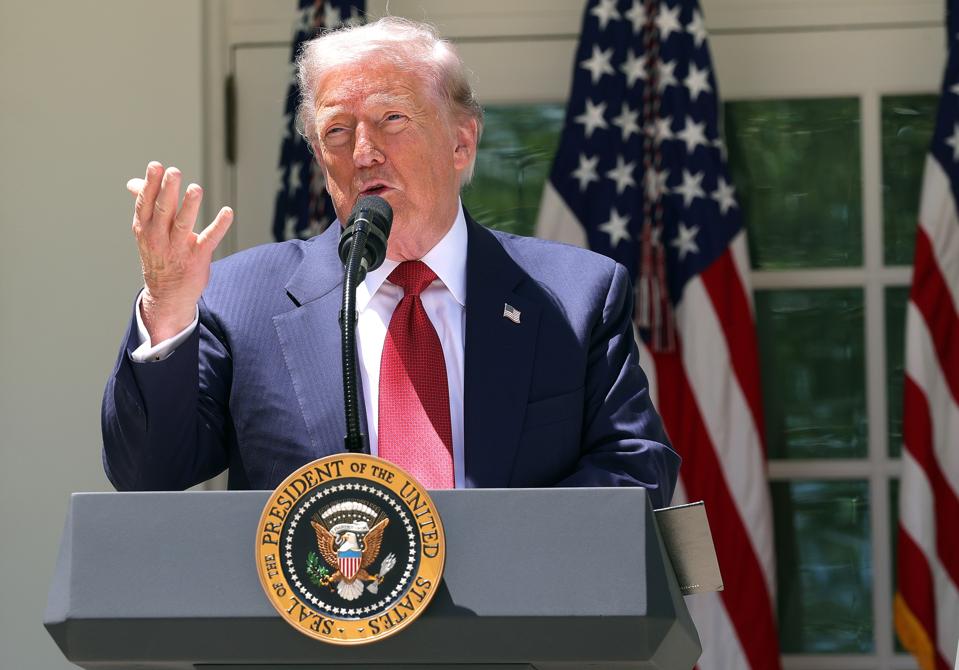
As part of the agreement, a total of two thousand prisoners, one thousand from each country, will be exchanged.
Both Ukraine and Russia have engaged in multiple temporary ceasefires throughout the conflict, but each side has subsequently accused the other of breaching these agreements.
The ceasefire is scheduled to coincide with Russia’s Victory Day celebrations, commemorating the surrender of Nazi Germany in World War II.
Russian President Vladimir Putin is slated to deliver a speech during the Victory Day festivities. The Associated Press reports that security concerns may lead to scaled-down events.
Ukrainian President Volodymyr Zelensky has issued a directive prohibiting Ukrainian military actions against Moscow’s Red Square, where a parade is planned for Saturday.
President Zelensky explained that this directive was issued “for humanitarian purposes, as discussed in negotiations with the American side on May 8, 2026.”
Previous Ceasefire Attempts Between Ukraine and Russia
Earlier this week, Russia alleged that Ukraine violated a self-proposed ceasefire, claiming its air defense systems intercepted over 50 Ukrainian drones, according to the Associated Press.
A ceasefire declared by President Putin in April for Orthodox Easter saw limited success. A Ukrainian military official informed PBS News that the truce was breached by drone attacks and that “the Russian side was not observing it,” while Ukraine responded to Russian aggression with a reciprocal approach.
Last year, Ukrainian President Volodymyr Zelensky asserted in a meeting with President Trump that Russia had violated approximately 25 ceasefire agreements since 2014, the year Russia commenced its occupation and subsequent annexation of Crimea.
Relevant Background Information
Following a tense meeting with President Zelensky last year, President Trump ordered a hold on military aid to Ukraine.
Subsequently, President Trump, who has presented himself as a potential mediator, reported no progress in achieving a peace deal after a phone call with President Putin.
Further attempts at a resolution between President Trump and President Putin in August 2025, during a meeting in Alaska, also failed to yield a formal agreement. Despite the absence of a “deal,” President Trump told reporters that he and President Putin had made “headway” and “great progress” concerning the war.
President Trump met with President Zelensky again in December, suggesting that negotiators were moving “closer” to a peace agreement, though acknowledging that “thorny issues” remained unresolved.
The President has not provided a timeline for when a more durable truce might be established between Russia and Ukraine, as significant breakthroughs in negotiations have yet to occur.
Further Reading
Trump Says ‘No Deal’ With Putin Following Meeting In Alaska (Forbes)
Trump Says He Made No Progress On Ukraine-Russia War In Call With Putin (Forbes)
Business Style Takeaway: The brokered ceasefire between Ukraine and Russia, facilitated by President Trump, presents a delicate opportunity for de-escalation, though its short duration and the history of failed agreements suggest cautious optimism. Businesses operating in or reliant on the region should monitor the evolving geopolitical landscape closely, as any sustained peace could unlock new markets and supply chains, while continued instability poses persistent risks.
Based on materials from : www.forbes.com