

The burgeoning volume transacted on prediction markets is confronting significant headwinds as numerous states across the nation initiate legal and regulatory challenges. This proliferation of state-level actions has precipitated a multi-front conflict, with the federal government actively seeking to assert its regulatory dominion and preempt perceived overreach by state authorities.
Currently, sixteen states are engaged in legal proceedings against entities operating prediction market platforms, with one jurisdiction having enacted a complete ban on such operations. The Commodity Futures Trading Commission (CFTC) has declared itself the sole regulatory authority for these platforms, initiating lawsuits against six states to safeguard what it terms its “exclusive jurisdiction.”
Minnesota became the most recent state to face federal litigation when the CFTC filed suit following Governor Tim Walz’s signing of legislation that prohibits prediction markets within the state’s borders—a first of its kind nationwide. This move is part of a broader legislative package addressing online safety.
Legal experts note the unusual nature of the CFTC’s aggressive stance. “The suing of states is unusual,” remarked Jeff Le Riche, a former chief trial attorney at the CFTC and now a partner at Husch Blackwell. “That’s definitely a different tactic.”
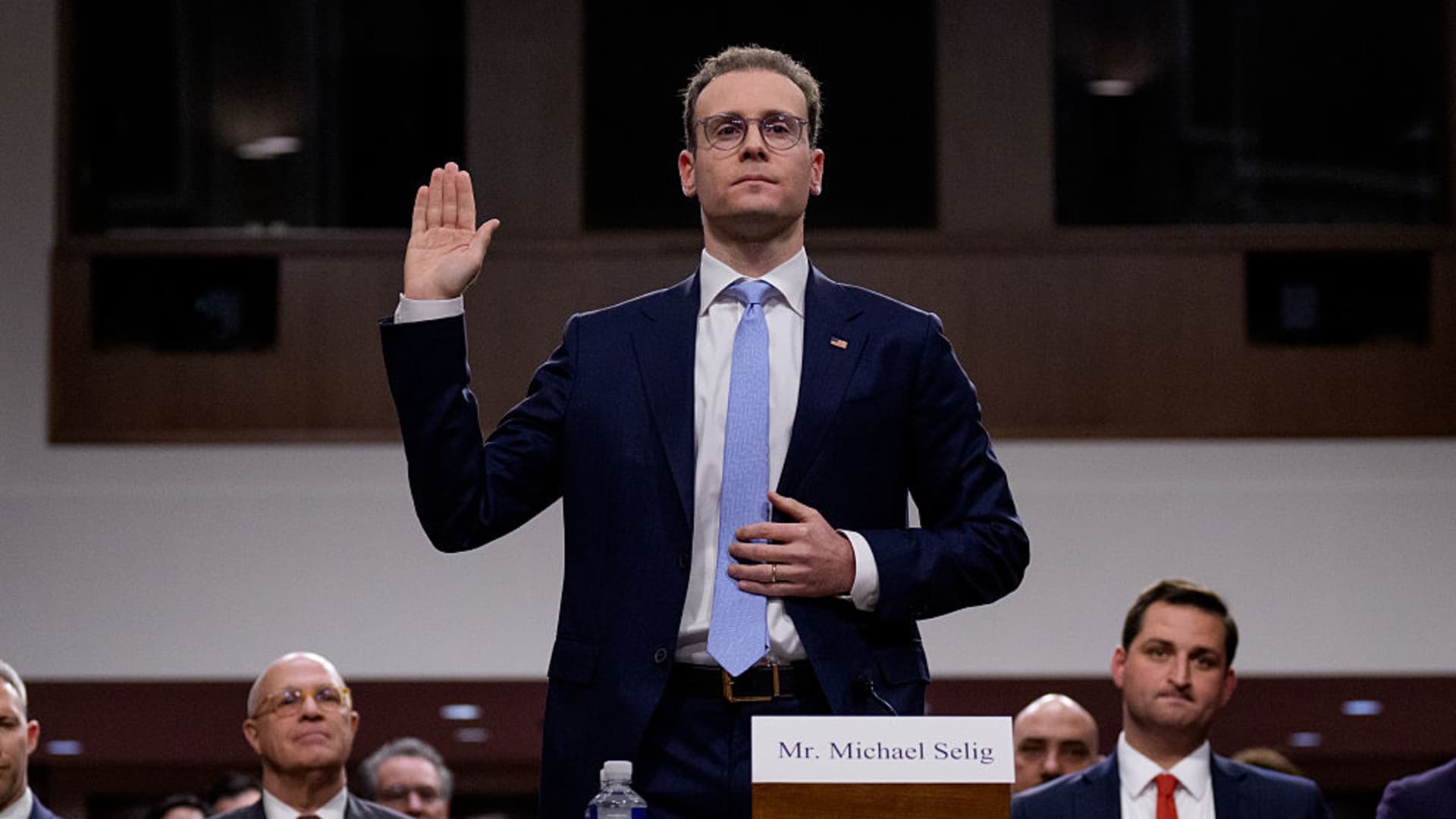
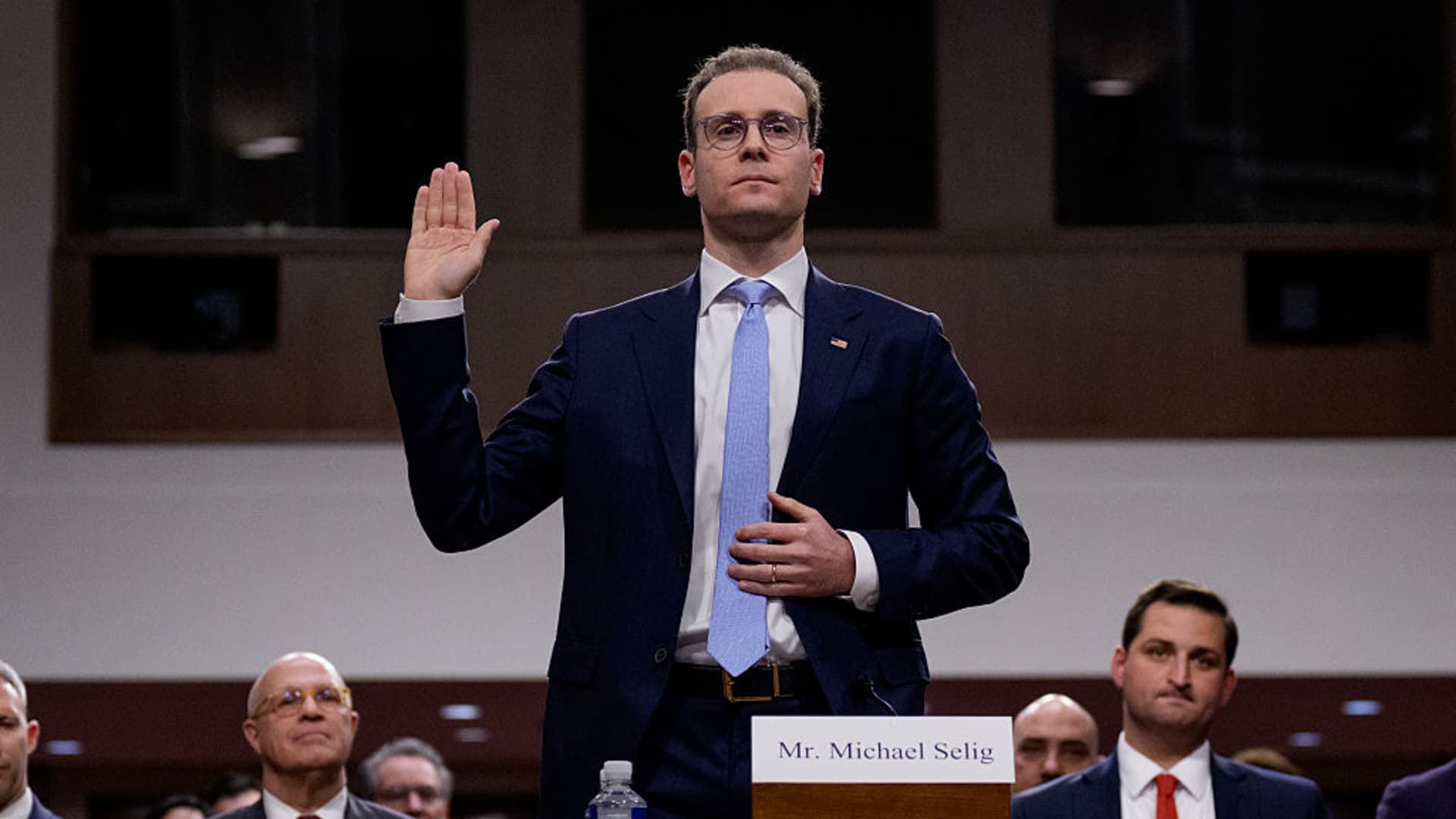
CFTC Chair Michael Selig has been unequivocal regarding the agency’s oversight responsibilities since his Senate confirmation in December. He currently serves as the sole commissioner on the five-member body.
“States cannot circumvent the clear directive of Congress,” Selig stated in an April press release announcing a lawsuit against Wisconsin. “Our message to Wisconsin is the same as to New York, Arizona, and others: if you interfere with the operation of federal law in regulating financial markets, we will sue you.”
Scrambling Partisan Divides
The jurisdictional battle over prediction markets has interestingly transcended typical partisan alignments. Among the eleven states prosecuting prediction markets, the attorneys general are predominantly Democratic, while Republican attorneys general lead in the remaining five. Minnesota’s legislative ban on prediction markets, for instance, passed with substantial bipartisan support in both its state House and Senate, despite the narrow partisan division of those chambers.
“I wouldn’t say that it’s that surprising just because of the state versus federal issues,” commented Jon Ammons, a partner at Reed Smith specializing in regulatory matters concerning commodities, derivatives, and digital assets. “I think that states have this idea that they are the ones who regulate gaming and things that look like gaming.”
While state regulators involved in these disputes span the political spectrum, the six states targeted by CFTC lawsuits thus far—Wisconsin, New York, Connecticut, Illinois, Arizona, and Minnesota—all have Democratic attorneys general. The CFTC’s sole action against a state with a Republican attorney general involved filing an amicus brief in Ohio, supporting its jurisdictional claims.
“I cannot answer for the Trump Administration as to why they would have chosen to sue only certain states with Democratic leadership, bypassing others who have taken similar enforcement postures,” stated Connecticut Attorney General William Tong, a Democrat.
A spokesperson for Arizona Attorney General Kris Mayes indicated that ongoing litigation limits public comment but emphasized the bipartisan nature of state actions. “Like red states and blue states alike, AG Mayes believes the CFTC is improperly encroaching on the right of states to enforce their gambling laws,” the spokesperson added.
The Battle for Oversight of Event Contracts
States contend that prediction market platforms, through their event contracts—which constitute the bulk of platform volume—are essentially operating illegal sports betting. Conversely, the CFTC asserts that its authority to regulate swaps and derivatives inherently encompasses all event contracts, irrespective of their subject matter.
A CFTC spokesperson denied any motive beyond defending the agency’s regulatory authority. “These states sought to regulate or prosecute lawful, CFTC‑regulated exchanges that were operating fully in accordance with federal statutes, requiring the CFTC to intervene,” the agency stated. “It is based solely on the CFTC’s responsibility to ensure that states do not interfere with the trading of event contracts regulated under federal law.”
The CFTC has secured a preliminary injunction in Arizona, preventing the state from pursuing criminal charges against Kalshi, a prominent prediction market platform. Litigation remains ongoing in the other five states, with no initial rulings issued. Separately, the Third Circuit Court of Appeals ruled that New Jersey cannot apply its gambling laws to prediction markets. However, these legal contests are in their nascent stages, and many observers anticipate that the ultimate resolution may be determined by the Supreme Court.
“It has the makings of a real circuit split, which does seem to indicate a high likelihood that this would go to the Supreme Court,” Ammons concluded.
Business Style Takeaway: The escalating jurisdictional conflict between the CFTC and various states over prediction markets highlights a critical tension between federal regulatory authority and state-level consumer protection and gambling laws. This evolving legal landscape introduces significant uncertainty for platforms and investors, potentially reshaping the future of event-based contracts and derivatives trading.
Source: : www.cnbc.com