

Firm Name: Desai Chia Architecture
Principals: Katherine Chia, Arjun Desai
Headquarters: New York, NY
Accolades: Forbes Architecture’s “America’s Top 200 Residential Architects,” 2025; Forbes Architecture’s “America’s Best-in-State Residential Architects,” 2025
House Name: Osprey House
Location: Shelter Island, New York
Site Specifics: Just under an acre of waterfront property bordering a nature preserve
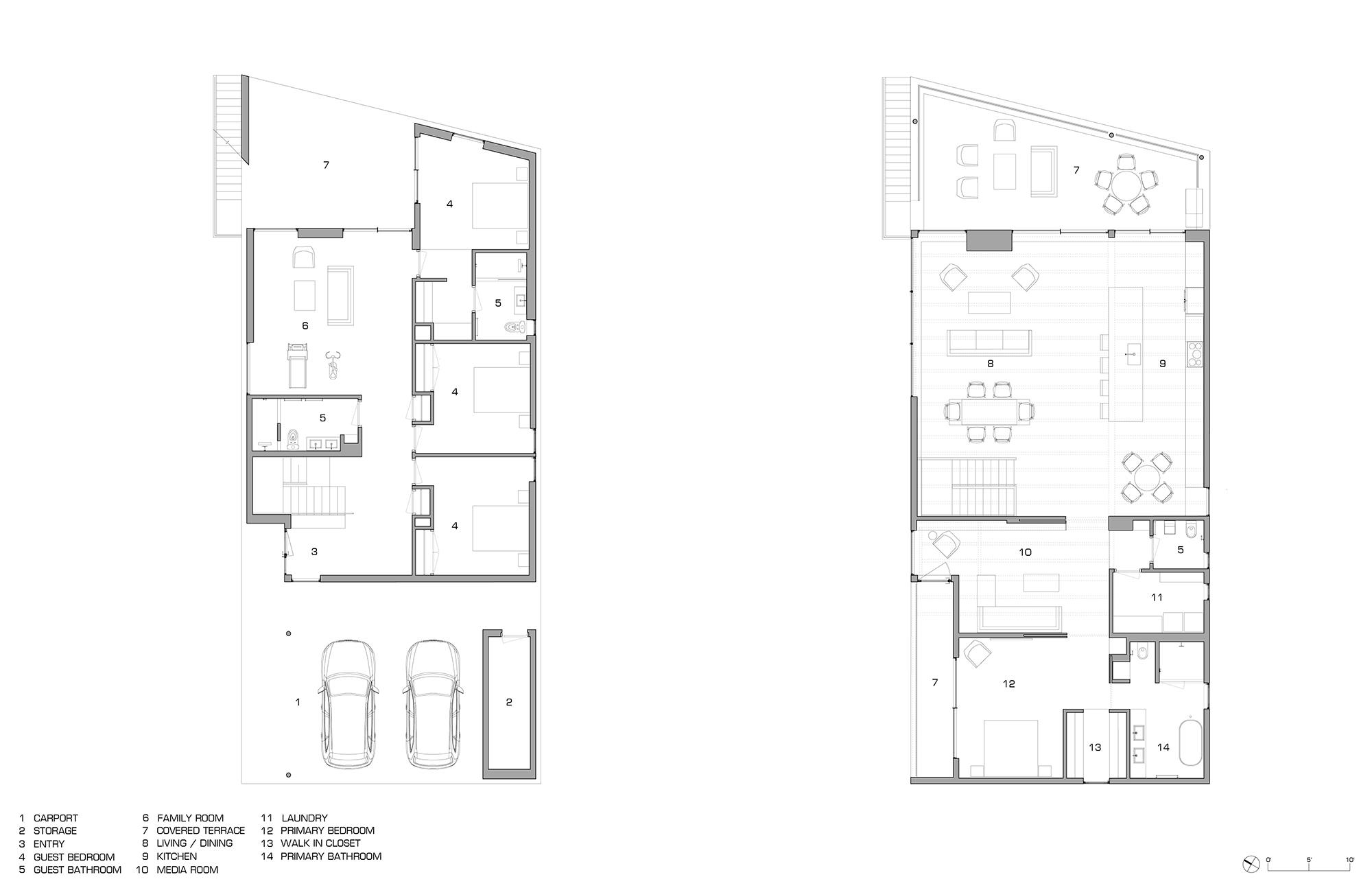
Area & Layout: 3,400 square feet, 4 BR, 4 BA
Architectural Photographer: Paul Warchol (warcholphotography.com), Jake Balston (jakebalston.com)
Osprey House: A Lakeside Sanctuary
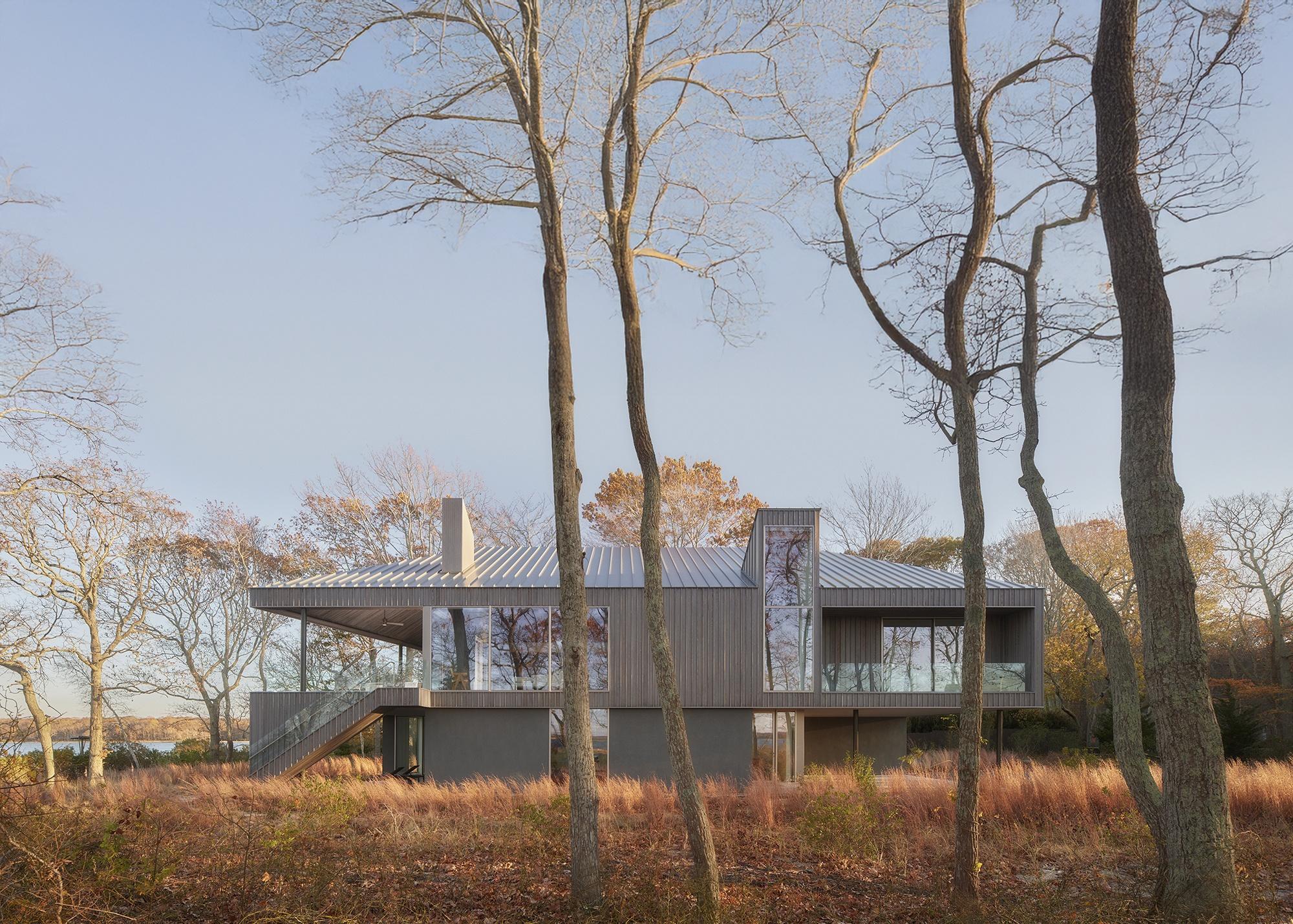
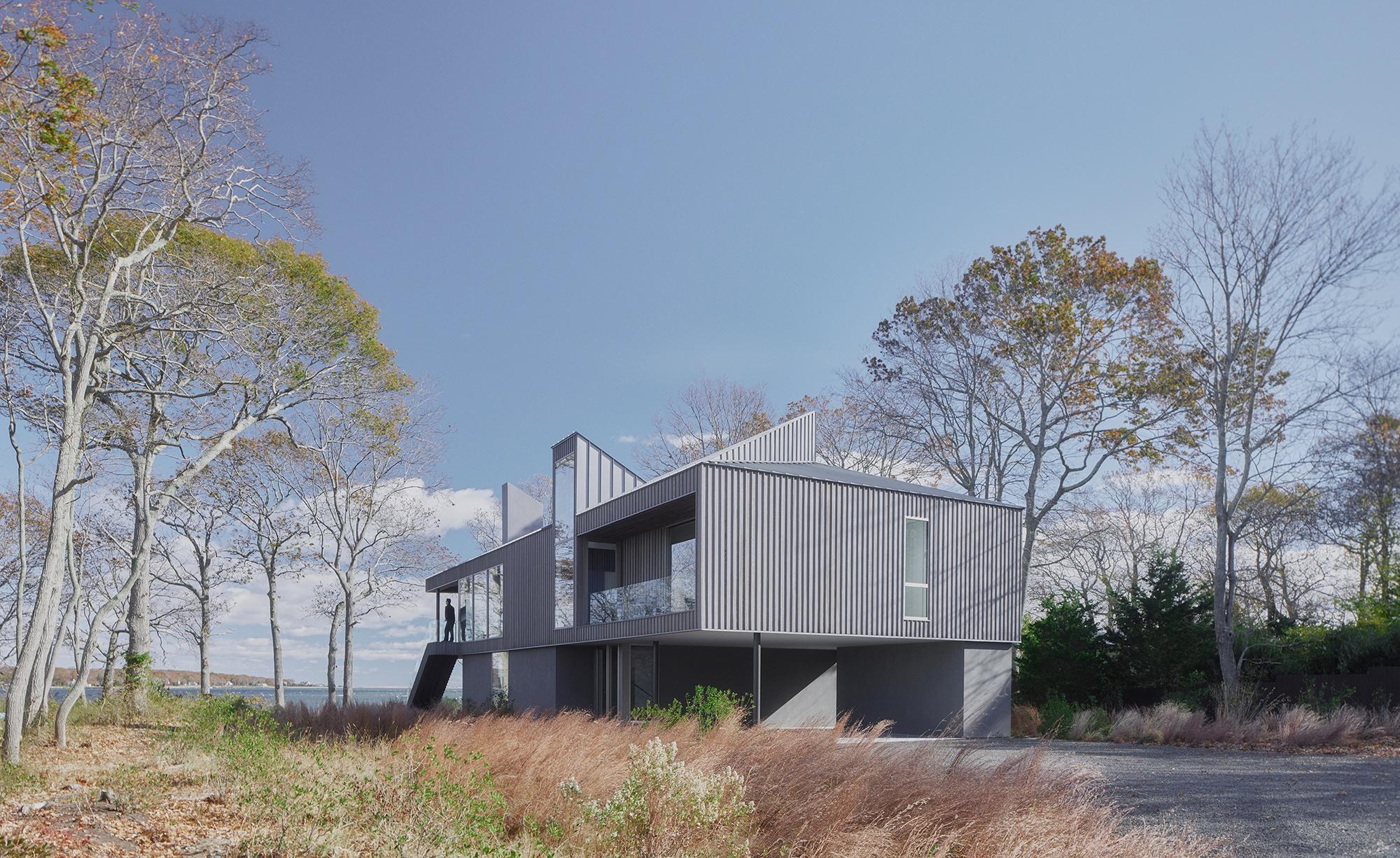
The line between a house and an observatory often blurs in the designs of Desai Chia Architecture. Their homes, characterized by expansive glass walls and sweeping rooflines, provide refuge from the elements while immersing residents in the natural surroundings. This principle is vividly illustrated in their Shelter Island, New York residence, known as Osprey House. Named for the local ospreys and inspired by their elevated nesting sites, the home’s discreet exterior offers unparalleled views of the adjacent shoreline and its abundant wildlife.
Design Philosophy and Client Vision
FRED ALBERT, Forbes Deputy Editor, Architecture: In terms of scale, scope, and identity, how does this project fit into your overall body of residential work?
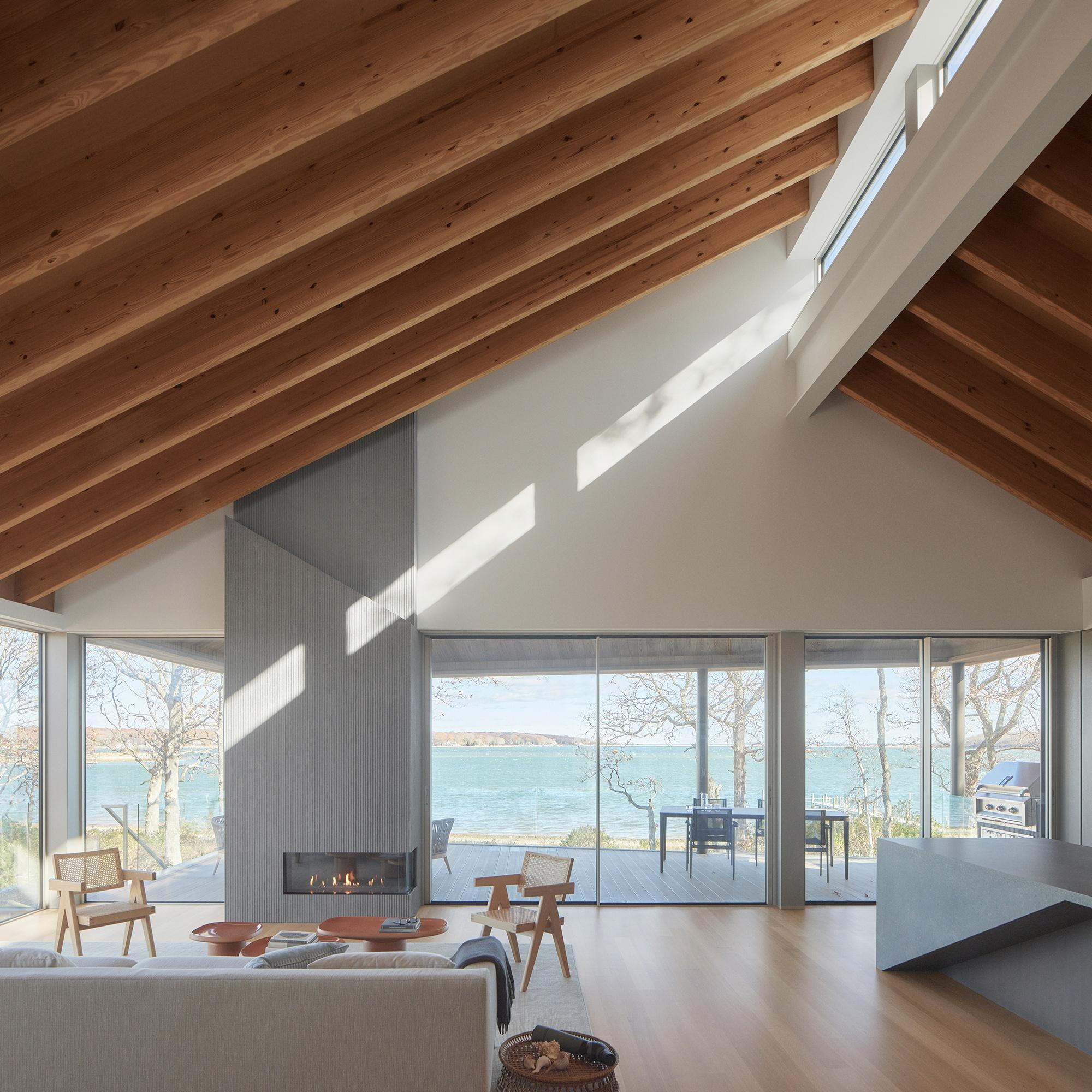
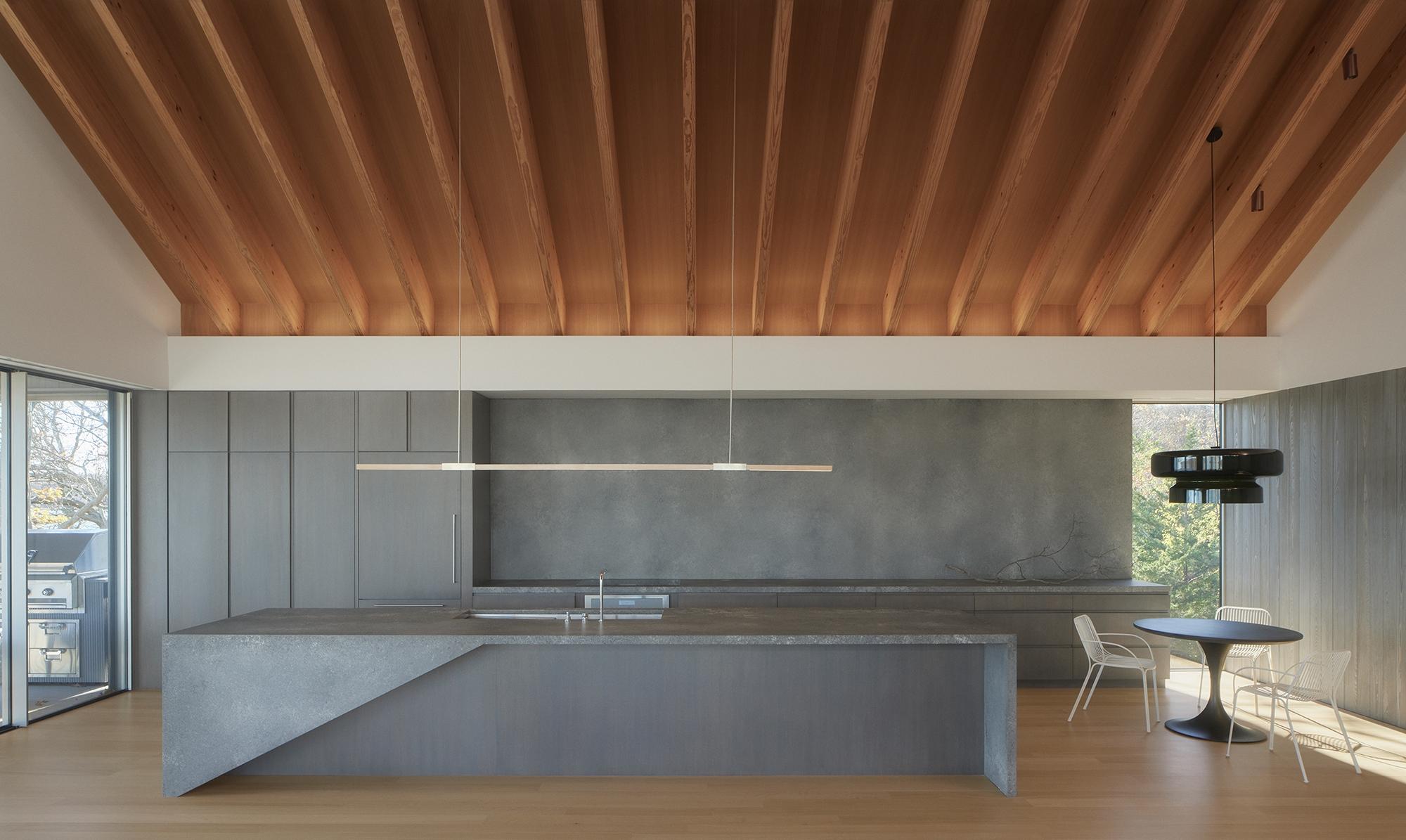
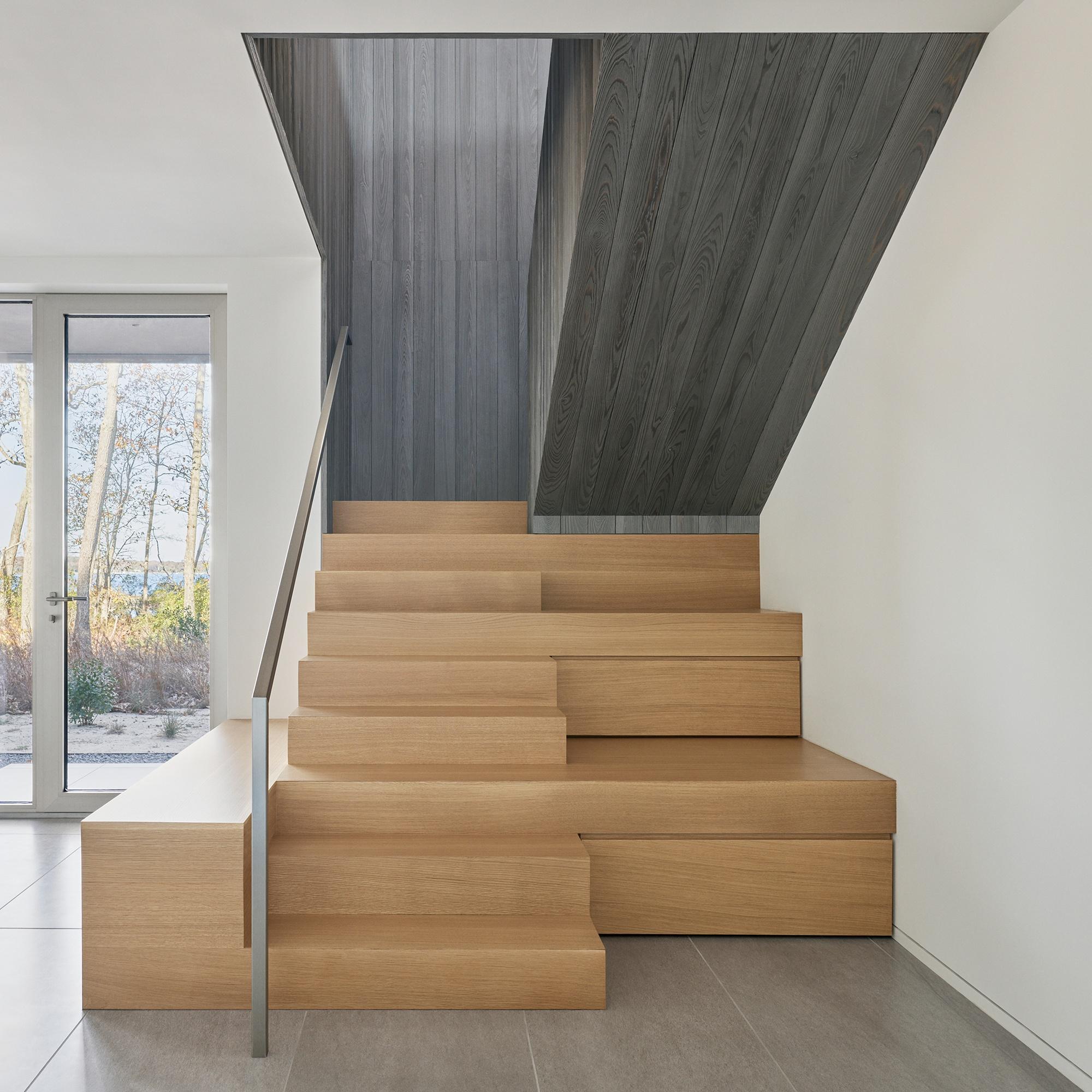
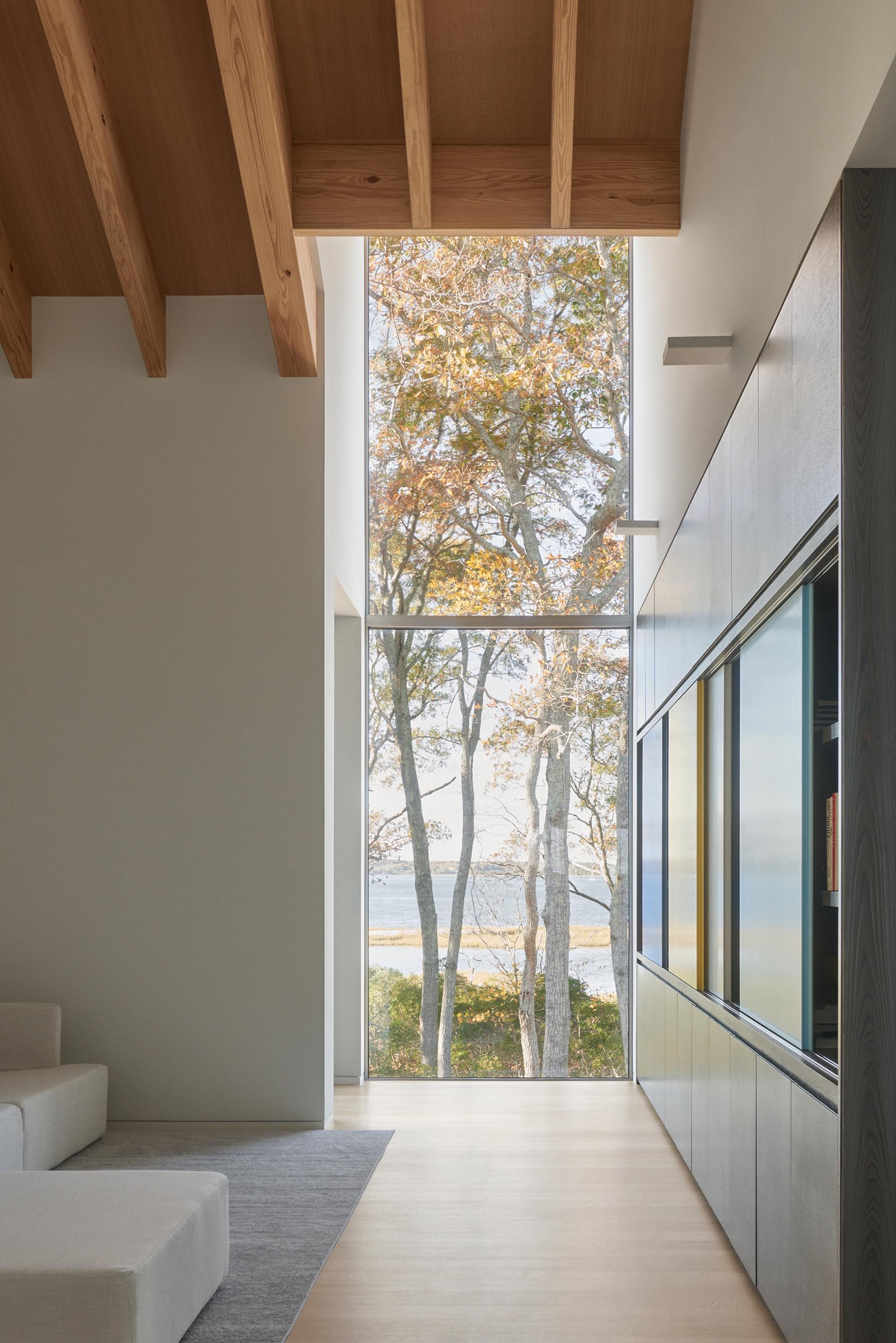
KATHERINE CHIA: Our core passion lies in connecting clients with their environment and crafting shared experiences. For this project, the client sought a family home on Shelter Island that would celebrate their deep appreciation for beach activities, kayaking, and nature immersion. The property’s location at the edge of a coastal nature preserve was a significant influence. During our initial site visits, the unique ecology of the nearby wetlands and the presence of native osprey captivated us, serving as a foundational inspiration for the home’s design. We also place immense importance on the transformative power of light. Light sculpts form, enhances texture, bridges interior and exterior spaces, and has the capacity to introduce dramatic effects unexpectedly. Given the site’s predominantly northern exposure, we incorporated a lengthy, south-facing clerestory window along the roof’s offset ridgeline. This feature allows sunlight to trace across the exposed structural beams throughout the day, casting a warm, inviting glow into the living areas.
Innovative Design Solutions
ALBERT: Creatively, from a design problem-solving viewpoint, what are a few of the most satisfying solutions that came together here?
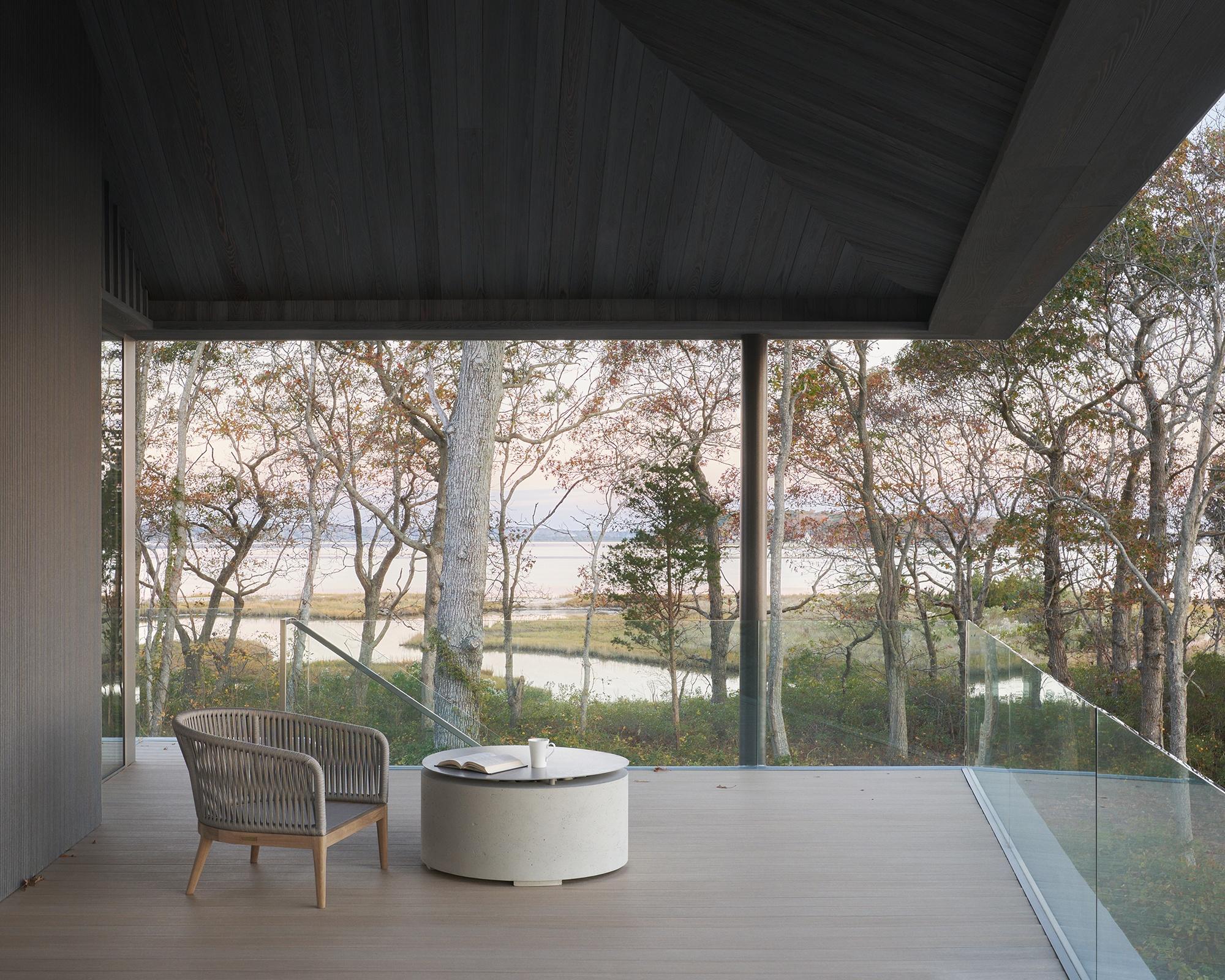
CHIA: Osprey nests are commonly observed in treetops, on telephone poles, and atop nautical piers across the island. In homage to this, we designed the home with generous communal living spaces and a second-floor outdoor terrace, conceived in the spirit of an osprey nest. This elevated vantage point provides stunning, expansive views of the marshland’s vibrant ecosystem, enabling the clients to observe the patterns of wildlife movement and migration across the layered landscape of forest, wetlands, and tidal coves. The vertical cypress siding, drawing inspiration from the vertical slats found in ‘bird blind’ structures within the nature preserve, allows the home to harmoniously integrate with the surrounding trees and encourages wildlife to inhabit the lot. Furthermore, the home’s nautical forms extend towards the water, reminiscent of a ship’s bow, creating sheltered outdoor gathering areas on both the ground and upper levels.
Future Directions for Desai Chia Architecture
ALBERT: What’s next for the studio?
CHIA: Beyond several new residential projects underway in Michigan, Colorado, upstate New York, and Costa Rica, we are actively engaged with museums and a university on initiatives focused on fostering community and collaboration. Expanding our portfolio into cultural and institutional projects has been a profoundly exciting development, sparking compelling client discussions that explore the synergistic relationship between residential design principles and other building typologies. Museum clients are increasingly looking to create a welcoming atmosphere akin to “home” to enhance visitor engagement with art and exhibitions. Similarly, university clients are seeking spaces that function as inviting “‘living rooms” to cultivate community and strengthen connections among students and faculty. These foundational concepts are central to our residential architecture practice, making their application in broader contexts a natural and fulfilling progression.
Business Style Takeaway: Desai Chia Architecture demonstrates how residential design can achieve a symbiotic relationship with its natural environment, creating structures that are both observational platforms and integrated habitats. This approach highlights a growing trend in luxury real estate where ecological sensitivity and immersive natural experiences are paramount design drivers.
Learn more at : www.forbes.com