

China’s Manufacturing Sector Shows Divergent Signals in May
China’s manufacturing sector presented a mixed picture in May, with a prominent private survey indicating a faster-than-anticipated expansion, albeit at a decelerated pace compared to April. This contrasted with the official Purchasing Managers’ Index (PMI) which signaled a softer trajectory for industrial growth.
Private Survey Highlights Resilience Amidst Slowdown
The RatingDog China General Manufacturing Purchasing Managers’ Index, a survey focused on a select group of manufacturers, registered 51.8 in May. This figure marginally surpassed the 51.6 consensus forecast from a Reuters poll, suggesting continued growth. However, it represented a dip from April’s reading of 52.2, underscoring a moderation in the rate of expansion. The 50-point threshold delineates expansion from contraction in manufacturing activity.
Yao Yu, founder of credit research firm RatingDog, commented that despite the easing growth rate, the index remained near the upper bounds observed over the preceding five years. The report did note a slight contraction in new export orders and a marginal decrease in manufacturing employment during May. Input prices also declined month-on-month for the first time in six months, though elevated costs persisted due to higher raw material and energy prices, coupled with supply chain challenges.
Looking ahead, the RatingDog survey revealed a degree of optimism regarding the next twelve months, buoyed by expectations surrounding new product introductions, technological advancements, and capacity enhancements.
Official Data Points to Broader Industrial Weakness
In contrast, China’s official manufacturing PMI, which surveys a more comprehensive range of the nation’s industrial landscape, fell to 50.0 in May from 50.3 in April. This outcome aligned with market expectations and marked the lowest level since February’s 49 reading. Analysts at Goldman Sachs interpreted the official data as indicative of “subdued manufacturing sector growth, increased services activity, and continued decline in the construction industry.”
Economic Landscape Characterized by Uneven Momentum
These divergent manufacturing indicators emerge against a backdrop of ongoing unevenness in China’s broader economic recovery. While April witnessed a significant slowdown in retail sales growth to a 40-month low, domestic tourism and consumer spending experienced a notable upswing during the extended May Day holiday period. Notably, hotel group H World reported that the most popular tourist destinations by occupancy were concentrated in smaller cities, regions that typically exhibit lower occupancy rates compared to major metropolitan areas.
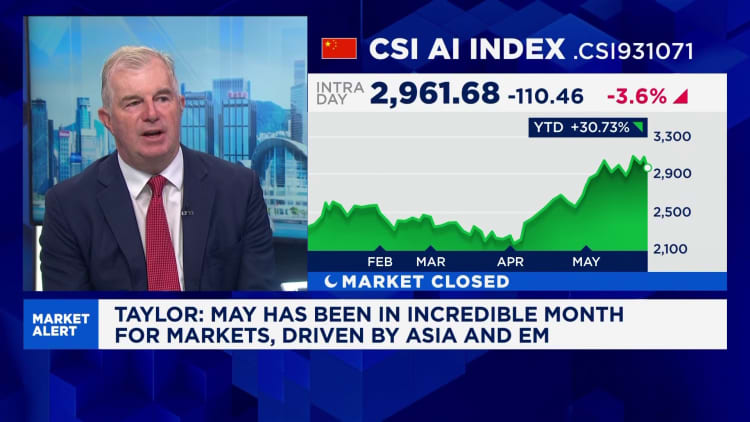 watch nowVIDEO6:0006:00It's been one of the best years to generate alpha in China: Matthews AsiaSquawk Box Asia
Business Style Takeaway: The divergence between China’s private and official manufacturing PMIs highlights the complexity of assessing the nation’s industrial health and its impact on global supply chains. Investors and businesses should closely monitor these indicators for nuanced insights into manufacturing output, export dynamics, and employment trends, which collectively influence macroeconomic stability and international trade relationships.
Details can be found on the website : www.cnbc.com