

In the wake of CBS terminating veteran 60 Minutes correspondent Scott Pelley following a significant disagreement with the program’s new executive producer, I recalled a past conversation with Pelley as he was en route to JFK Airport for an assignment.
During our discussion about the show, Pelley emphasized the enduring importance of 60 Minutes in an era characterized by fragmented information, widespread misinformation, and declining public trust. He stated that the program “must exist today” due to the diminished quality of information and the prevalence of disinformation, highlighting 60 Minutes as a sanctuary for well-researched and expertly edited journalism. “So I think 60 Minutes’ reason to be has never been greater in its entire history,” he articulated.
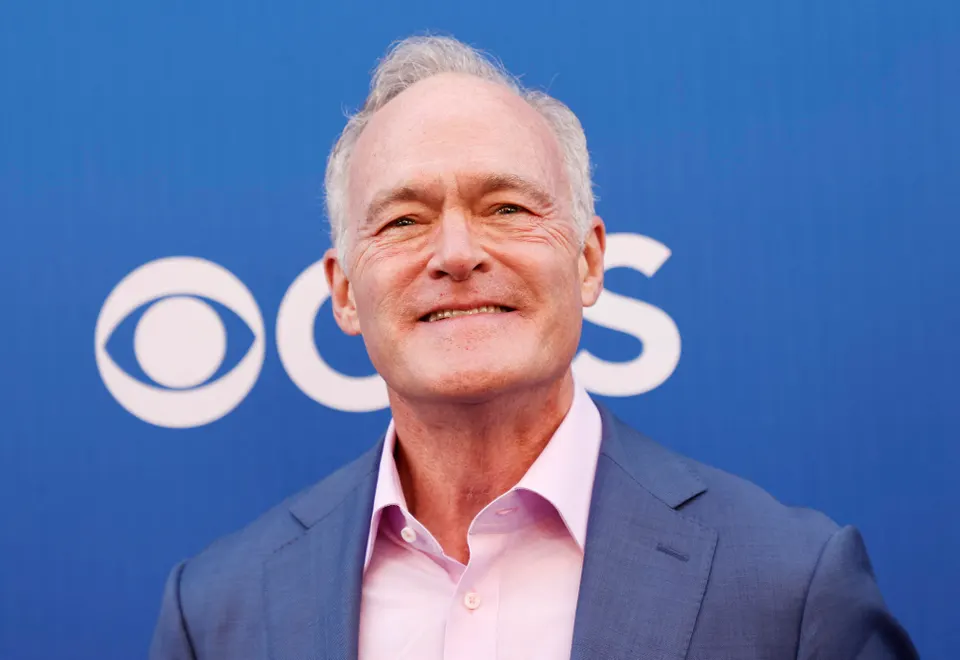
These sentiments stand in stark contrast to Pelley’s reported assertion to the new executive producer, Nick Bilton, that CBS News leadership, under Bari Weiss and with the backing of Paramount CEO David Ellison, is “murdering” 60 Minutes to appease the Trump administration.
Turbulence at ’60 Minutes’
Pelley’s dismissal, a major development in the media industry, occurs amidst a significant restructuring of CBS News that has already led to numerous departures, layoffs, and resignations. The 60 Minutes program itself has seen the exits of executive producer Tanya Simon, executive editor Draggan Mihailovich, and correspondents Sharyn Alfonsi and Cecilia Vega, in addition to Anderson Cooper’s earlier departure this year.
Although Pelley was not available for direct comment, his post-firing statement condemned the current CBS News leadership for perceived “incompetence and unprofessionalism” and for attempting to “curry favor with the Trump administration.”
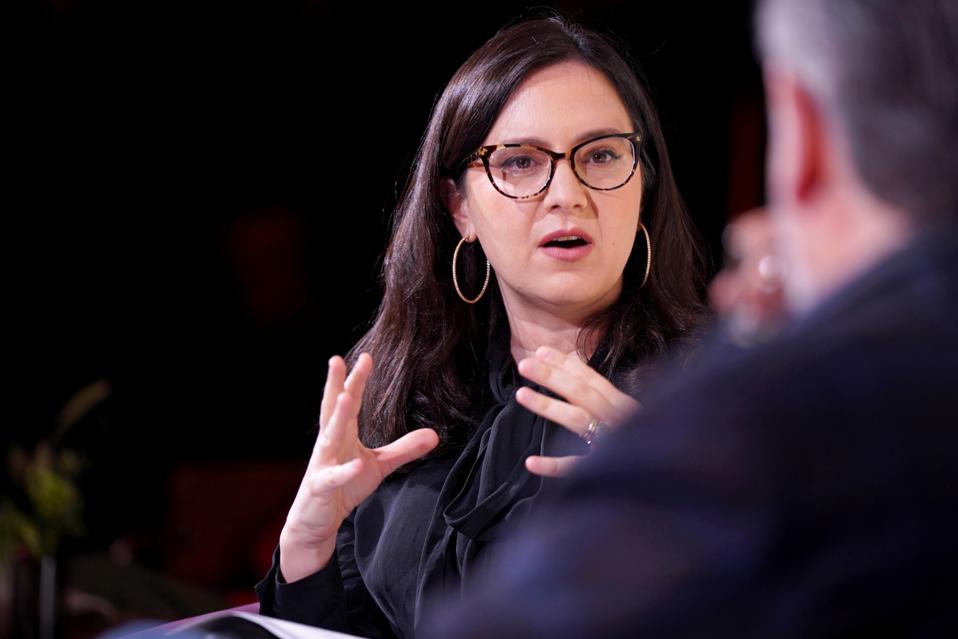
Beyond the immediate challenge facing Bilton in preparing for 60 Minutes’ September season premiere with multiple key positions vacant, the contrasting narratives surrounding the show’s status are particularly striking. Pelley’s view on the program’s relevance aligns with its recent marketing, which highlights record-breaking performance and its continued position as the number one news program in the U.S. for 52 consecutive years, boasting significant increases in video views and viewership metrics.
Despite these strong audience engagement figures and Pelley’s articulation of the show’s vital mission—after nearly four decades at CBS News, including over 20 years with 60 Minutes—the current management appears to perceive the program as declining towards irrelevance.
Bilton reportedly characterized broadcast television as an “iceberg that’s melting” during a staff meeting, emphasizing the need for adaptation to evolving news consumption habits to ensure the program’s long-term survival. Similarly, Weiss, in an earlier address to CBS News employees, underscored the necessity for widespread change within the news division, stating, “we are not producing a product enough people want.”
Consequently, an external observer might perceive a significant disconnect in how key figures involved with 60 Minutes discuss the program. Depending on the speaker, it is simultaneously presented as exceptionally relevant and successful, or as a property facing obsolescence and in urgent need of transformation.
Reports indicate that remaining staff members feel a profound sense of “uncertainty” and are “completely adrift” amidst these changes.
Business Style Takeaway: The conflicting perspectives on 60 Minutes’ relevance and performance highlight a critical tension between established broadcast success and the imperative for digital adaptation. This situation underscores the challenges legacy media organizations face in balancing tradition with innovation to remain competitive in a rapidly evolving media landscape.
Details can be found on the website : www.forbes.com