

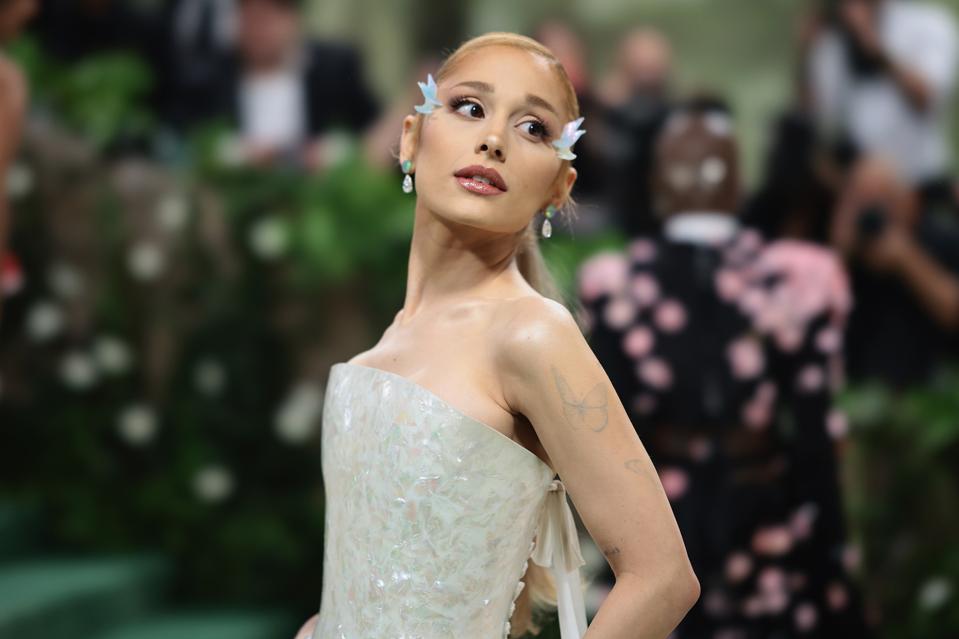
Singer Ariana Grande publicly criticized the White House on Thursday, demanding that her music not be used in content she described as “barbaric” and “inhumane.” The criticism stemmed from a TikTok video posted by the White House featuring immigration enforcement actions, set to Grande’s song “Bye.”
Key Details
Grande voiced her objection in a comment on the White House’s TikTok post, which documented arrests made by immigration agents. The comment, initially reported by Reuters, stated, “Please do not ever use my music in relation to this barbaric, inhumane, heinous nonsense.”
As of Thursday evening, the comment was reportedly no longer visible on the post. However, a representative for Grande confirmed to Variety that the singer had indeed posted the comment, and her team was working to have the audio removed from the video.
Official Response
“We’ll say this one last time: what’s actually barbaric, inhumane, and heinous are the criminal illegal aliens who have injured and murdered innocent American citizens,” stated White House spokeswoman Abigail Jackson in an email to Forbes.
Context
This incident is not the first time Grande has voiced opposition to the use of her music by the current administration. A vocal supporter of Kamala Harris during the 2024 presidential election, Grande has previously shared content on social media criticizing Trump’s immigration policies. This led to a strong reaction from White House deputy press secretary Kush Desai last year.
Grande joins a growing list of artists who have objected to the Trump administration’s use of their songs in political content. Earlier instances include Jack White’s demand to cease using “Seven Nation Army” in a video of Trump, and a threatened cease-and-desist letter from Beyoncé’s label concerning the use of “Freedom” in a campaign post.
Related Information
The family of Tom Petty also issued a cease-and-desist letter to the Trump campaign in 2024 regarding the use of “I Won’t Back Down” at a rally.
Business Style Takeaway: This situation highlights the increasing intersection of intellectual property rights, artistic expression, and political messaging, particularly through social media platforms. Brands and public figures must navigate these complex dynamics carefully to avoid legal and reputational risks.
Information compiled from materials : www.forbes.com