

Mirra Andreeva’s rapid ascent through the women’s tennis rankings has culminated in a Grand Slam title at the age of 19, solidifying her status as the world No. 8.
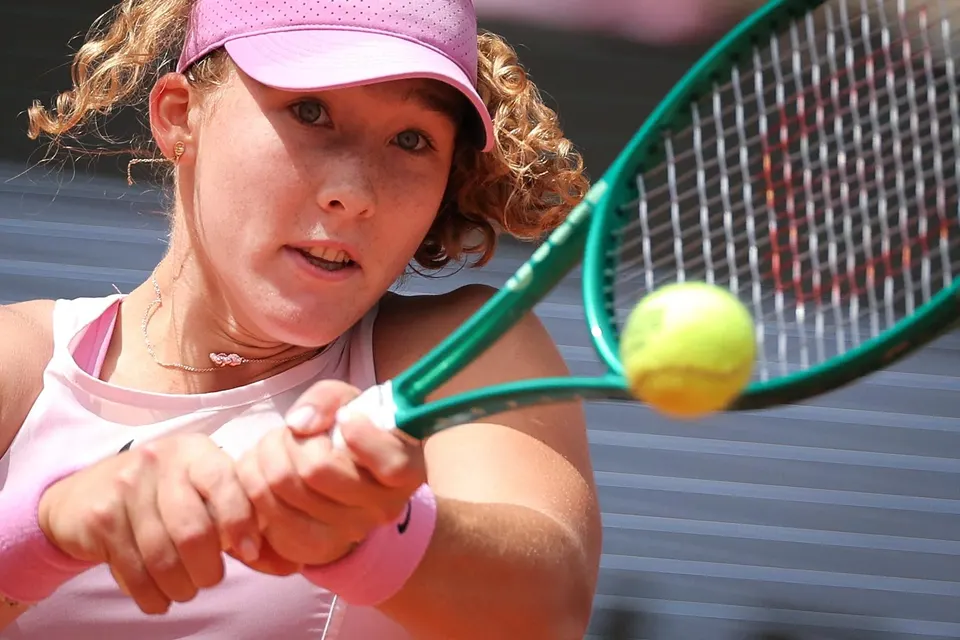
The Russian prodigy became the youngest French Open champion since Monica Seles in 1992, who was 18 at the time. Andreeva achieved this by decisively defeating Polish qualifier Maja Chwalińska with a score of 6-3, 6-2 in the final. Her dominant performance saw her drop only one set throughout the entire tournament.
Navigating Challenging Conditions
Andreeva demonstrated exceptional skill in managing the windy conditions, effectively blending a powerful serve with a potent forehand slice and strategic use of moon balls.
Post-Match Reflections
“Of course, first of all, congratulations to Maja for these amazing three weeks,” Andreeva stated on court. “Passing through qualifying, winning so many matches, beating so many great players – congratulations to your team as well. You guys have done an amazing job. You’re a very tricky opponent. I wouldn’t want to play against you one more time. I wish you the best of luck for the rest of the season, and I hope we play… Okay, it’s fine. I hope we play many, many more finals together in the future.”
A New Generation of Champions
In her maiden major final appearance, Andreeva became the first teenager to reach the Roland Garros final since Coco Gauff in 2022. She is also the first player born after 2005 to reach a Grand Slam final, across both men’s and women’s competitions.
Andreeva’s victory comes with a prize of $3.25 million. In contrast, Chwalińska, whose parents worked as an electrician in a coal mine and a receptionist at a sports facility, effectively doubled her career earnings, taking home $1.624 million.
“First of all, congratulations to Mirra,” Chwalińska remarked on court. “You’re such an incredible player. You’re so young and talented, it’s so annoying. Congratulations to you and your team for an amazing job. I wish you all the best for the future.”
Andreeva represents the sixth consecutive different major winner in the last six Grand Slams and the third consecutive different champion at Roland Garros.
An Unprecedented Finalist’s Journey
Chwalinska’s appearance in the final marked her as the lowest-ranked women’s finalist in Roland Garros history. It appeared that the exertion from her remarkable run to the final may have impacted her performance, limiting her ability to challenge Andreeva effectively.
In 2021, Chwalinska disclosed her struggle with depression for over 18 months, leading her to temporarily step away from the sport, as reported by Reuters.
“I pushed at the beginning. I thought that I just needed to stay very strong, tough, and just keep practicing,” Chwalińska shared with reporters in Paris. “But then I just couldn’t get out of bed anymore. I was just lifeless, to be honest. I knew that I needed to take a break because otherwise, I wasn’t able to live.”
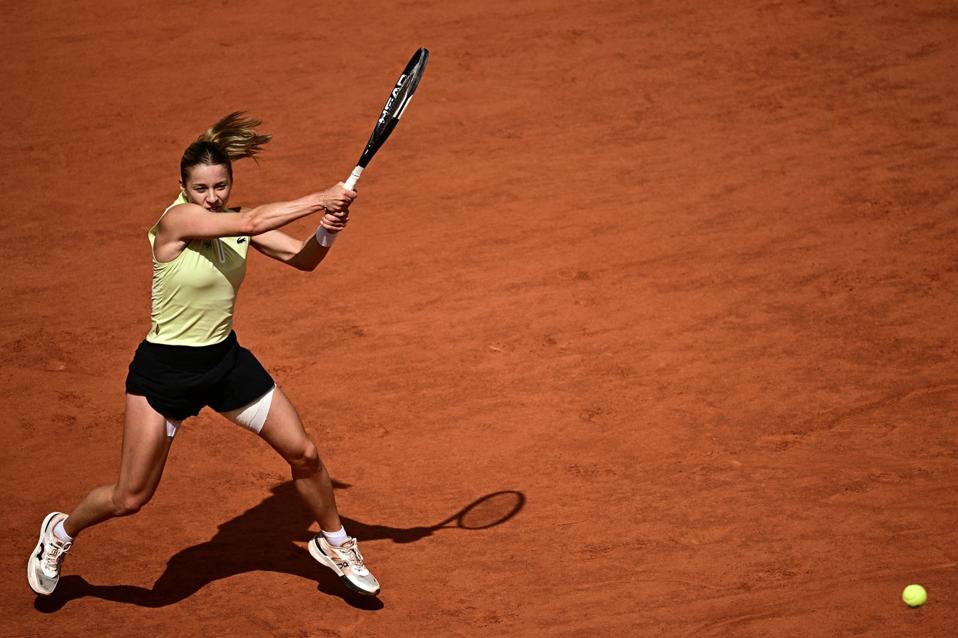
“Honestly, I didn’t know if I was going to come back or not. After months, I decided to come back. I needed to figure out a few things in my head, I would say. And I came back. I’m happy that I did.”
Match Progression
Andreeva initially fell behind 2-3 in the first set but responded by winning four consecutive games. She secured the first set 6-3 with a stunning crosscourt backhand winner on a break point.
She converted four out of seven break point opportunities in the first set, registering 14 winners against 12 unforced errors.
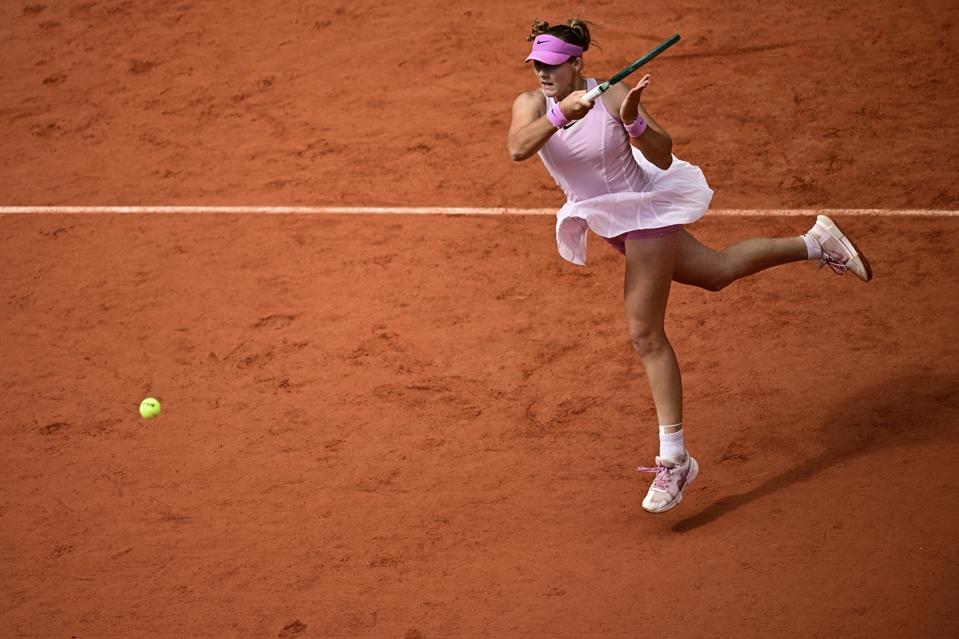
In the second set, Andreeva held serve from 0-40 down to establish a commanding 3-0 lead.
While serving for the match at 5-1, she was broken.
Facing triple match point on Chwalinska’s serve, Andreeva broke through with a backhand winner, subsequently falling to her knees on the court in celebration.
This tournament marks the first time since 1977 that no previous Grand Slam champion reached the semi-finals in either the men’s or women’s singles draws.
The men’s final is scheduled for Sunday, featuring No. 2 seed Alexander Zverev against No. 10 seed Flavio Cobolli.
Business Style Takeaway: Mirra Andreeva’s dominant Grand Slam victory at a young age signifies a significant shift in the tennis landscape, highlighting the emergence of new talent and potentially impacting sponsorship and media rights valuations. Her success underscores the long-term value of investing in and developing emerging athletes, even amidst established stars.
Learn more at : www.forbes.com